Amed & Tulamben: Diving Bali's Legendary USAT Liberty Wreck
Amed & Tulamben: Diving Bali's Legendary USAT Liberty Wreck
Hey there, fellow ocean enthusiasts! If you're anything like me, the allure of the underwater world is just irresistible. And if you're planning a trip to Bali, especially if you're a scuba diver, then let me tell you, you absolutely cannot miss the chance to dive the USAT Liberty shipwreck in Tulamben. It's not just a dive; it's an experience, a journey back in time, and a breathtaking spectacle all rolled into one. I've had the privilege of diving this iconic wreck several times, and each experience has been unique and unforgettable.
The Allure of the USAT Liberty

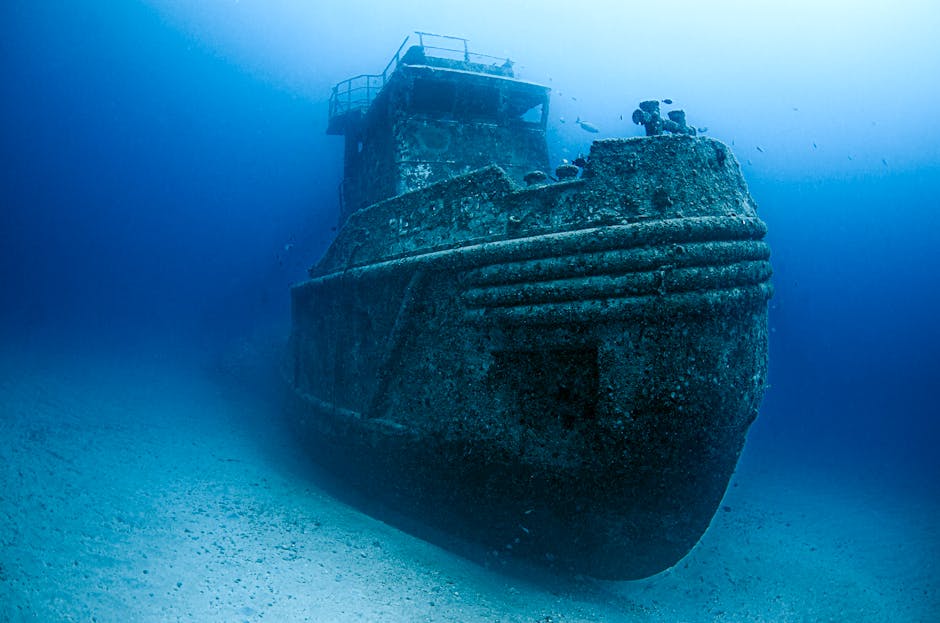
So, what makes the USAT Liberty so special? Well, for starters, it's a massive shipwreck teeming with marine life. Imagine diving into crystal-clear waters and suddenly being confronted by a 120-meter long vessel completely encrusted in corals, sponges, and surrounded by schools of vibrant fish. It's like swimming through an underwater jungle, but instead of trees and vines, you have the skeletal remains of a World War II cargo ship. I remember the first time I saw it; I was absolutely speechless. It's a truly awe-inspiring sight.
But the USAT Liberty is more than just a pretty picture. It has a fascinating history, which adds another layer of intrigue to the dive. Knowing the story behind the wreck makes the whole experience even more meaningful. And let's not forget the sheer abundance of marine life! From tiny nudibranchs to massive groupers, the Liberty is a haven for all sorts of creatures. Every dive is a new opportunity to spot something amazing.
A Brief History of the Liberty

Before we jump into the diving details, let's take a quick detour into the history of the USAT Liberty. Originally built in 1918 as a United States Army transport ship, the Liberty served during World War I and later as a cargo ship. During World War II, in 1942, she was torpedoed by a Japanese submarine while transporting rubber and railway parts through the Lombok Strait. Severely damaged, she was towed towards Singaraja on Bali's north coast, but the damage was too extensive.
Unable to be saved, the decision was made to beach her in Tulamben. There she sat peacefully on the shore until 1963, when the volcanic eruption of Mount Agung shook the island. The eruption caused the Liberty to slip off the beach and sink to its current location, about 30 meters offshore. And that, my friends, is how this amazing wreck became one of the world's most accessible and popular dive sites. It's pretty remarkable, isn't it, how a disaster turned into an underwater paradise?
Why Tulamben and Amed?

Now, you might be wondering why I keep mentioning Tulamben and Amed together. Well, these two small villages are located on Bali's northeast coast, and they're both known for their fantastic diving and snorkeling opportunities. Tulamben is the direct location of the USAT Liberty Wreck, but Amed, a short drive away, offers a wider range of accommodations, restaurants, and other dive sites. Many divers choose to stay in Amed and make day trips to Tulamben, which I personally think is a great option. You get the best of both worlds: the vibrant dive scene of Tulamben and the relaxed atmosphere of Amed.
The northeast coast of Bali, in general, is less crowded and developed than the south, offering a more authentic and laid-back Balinese experience. Think stunning black sand beaches, traditional fishing villages, and breathtaking views of Mount Agung. It's the perfect place to escape the hustle and bustle of the tourist hotspots and immerse yourself in the natural beauty of Bali. Plus, the diving is absolutely incredible! Besides the Liberty, there are several other excellent dive sites in the area, including coral gardens, walls, and muck diving spots.
Planning Your USAT Liberty Dive: Practical Tips

Okay, so you're convinced you want to dive the Liberty, awesome! Here are some practical tips to help you plan your trip and make the most of your experience:
- Best Time to Visit: The diving conditions in Tulamben are generally good year-round. However, the dry season (April to October) typically offers the best visibility and calmer seas. That said, I've dived there during the rainy season (November to March) and still had fantastic dives. Just be prepared for the occasional downpour.
- Choosing a Dive Operator: There are numerous dive operators in Amed and Tulamben, so do your research and choose one that suits your needs and budget. Look for a reputable operator with experienced instructors, well-maintained equipment, and a commitment to safety. Read online reviews, ask for recommendations, and don't be afraid to ask questions. I've had great experiences with several local operators, but it's always a good idea to compare and contrast.
- Accommodation: Amed offers a wide range of accommodation options, from budget-friendly guesthouses to luxurious resorts. Tulamben also has some hotels and resorts, but the selection is more limited. Consider your budget and preferences when choosing your accommodation. Personally, I prefer staying in Amed for the greater variety of options and the more relaxed vibe.
- Dive Certification: The USAT Liberty is suitable for divers of all levels, from beginners to experienced divers. However, it's essential to be a certified scuba diver. If you're not yet certified, you can take a PADI Open Water Diver course in Amed or Tulamben. Many dive operators offer courses for all levels, from introductory courses to advanced certifications.
- What to Bring: Pack your usual dive gear, including your mask, fins, and wetsuit. If you don't have your own gear, you can rent it from the dive operator. Don't forget to bring sunscreen, a hat, and sunglasses to protect yourself from the sun. Also, pack a waterproof camera to capture your underwater adventures. And, of course, bring your dive certification card and logbook.
Diving the Wreck: A Step-by-Step Guide

Alright, now for the exciting part – diving the USAT Liberty! Here's a step-by-step guide to what you can expect on your dive:
- Briefing: Before the dive, your dive instructor will give you a thorough briefing about the wreck, the dive plan, and any potential hazards. Pay attention to the briefing and ask any questions you may have.
- Gear Up: After the briefing, it's time to gear up. Your dive operator will provide you with all the necessary equipment, including your scuba tank, regulator, BCD, and weights. Make sure everything fits properly and that you're comfortable in your gear.
- Entry: The entry into the water is typically from the beach. You'll walk into the water with your gear on and then swim out to the dive site. The water is usually calm and clear, making for an easy entry.
- Descent: Once you reach the dive site, you'll begin your descent. Follow your dive instructor and equalize your ears as you go down. The top of the wreck is located at a depth of about 5 meters, making it accessible even for beginner divers.
- Exploration: Now the real fun begins! You'll spend the next 45-60 minutes exploring the wreck. Swim through the corridors, admire the coral-encrusted structures, and keep an eye out for the diverse marine life. Don't forget to take lots of photos and videos to capture your memories.
- Ascent: When it's time to ascend, follow your dive instructor and make a safety stop at 5 meters for 3 minutes. This will help you avoid decompression sickness.
- Exit: After your safety stop, slowly ascend to the surface and swim back to the beach. Once you're back on shore, remove your gear and celebrate your amazing dive!
What You'll See: Marine Life Extravaganza

One of the main reasons why the USAT Liberty is so popular is the sheer abundance of marine life. The wreck has become an artificial reef, attracting a wide variety of species. Here are just a few of the creatures you might encounter on your dive:
- Fish: Schools of jackfish, barracuda, sweetlips, and surgeonfish are commonly seen swimming around the wreck. You might also spot larger fish like groupers, tuna, and even the occasional reef shark.
- Nudibranchs: These colorful sea slugs are a favorite among underwater photographers. The Liberty is home to a wide variety of nudibranch species, each with its own unique patterns and colors.
- Crustaceans: Keep an eye out for crabs, lobsters, and shrimp hiding among the corals and sponges. You might even spot a mantis shrimp, known for its powerful punch.
- Eels: Moray eels and garden eels are common inhabitants of the wreck. Look for them peeking out from crevices and holes.
- Turtles: Sea turtles are often seen swimming around the Liberty, grazing on the algae and corals.
Remember to respect the marine life and avoid touching or disturbing anything. The USAT Liberty is a fragile ecosystem, and it's important to protect it for future generations.
Dive Site Specifics: Depths, Conditions, and Currents

While the Liberty is accessible to divers of all levels, it's important to be aware of the dive site's specific conditions. Here's what you need to know:
- Depth: The top of the wreck is at about 5 meters (15 feet), while the deepest point is around 30 meters (100 feet). This makes it suitable for both beginner and experienced divers.
- Visibility: Visibility can vary depending on the season and weather conditions, but it's generally good, ranging from 15 to 30 meters (50 to 100 feet).
- Currents: Currents are usually mild to moderate, but they can sometimes be strong. Your dive operator will assess the current conditions before the dive and adjust the dive plan accordingly.
- Water Temperature: The water temperature is typically warm, ranging from 27 to 29 degrees Celsius (80 to 84 degrees Fahrenheit). A 3mm wetsuit is usually sufficient for most divers.
Always listen to your dive instructor and follow their instructions. They are familiar with the dive site and will ensure your safety. If you're not comfortable with the conditions, don't hesitate to let them know. It's always better to be safe than sorry.
Beyond the Liberty: Other Dive Sites in Amed & Tulamben

While the USAT Liberty is undoubtedly the star attraction, Amed and Tulamben offer a variety of other excellent dive sites worth exploring. Here are a few of my favorites:
- Amed Wall: This stunning coral wall is teeming with marine life, including colorful soft corals, sea fans, and schools of reef fish. It's a great spot for macro photography and spotting smaller creatures.
- Jemeluk Bay: Located in Amed, Jemeluk Bay is a calm and sheltered bay perfect for snorkeling and beginner divers. The coral gardens are beautiful, and you might even spot a sea turtle or two.
- Lipah Bay: Another great dive site in Amed, Lipah Bay offers a mix of coral gardens, sandy slopes, and artificial reefs. It's a good spot for muck diving and spotting unusual critters.
- Seraya Secrets: This black sand dive site is a muck diving paradise. It's home to a variety of strange and wonderful creatures, including frogfish, ghost pipefish, and harlequin shrimp.
Don't limit yourself to just the Liberty! Explore the other dive sites in the area and discover the diverse underwater world of Amed and Tulamben.
Staying in Amed: A Relaxing Base for Your Dive Trip
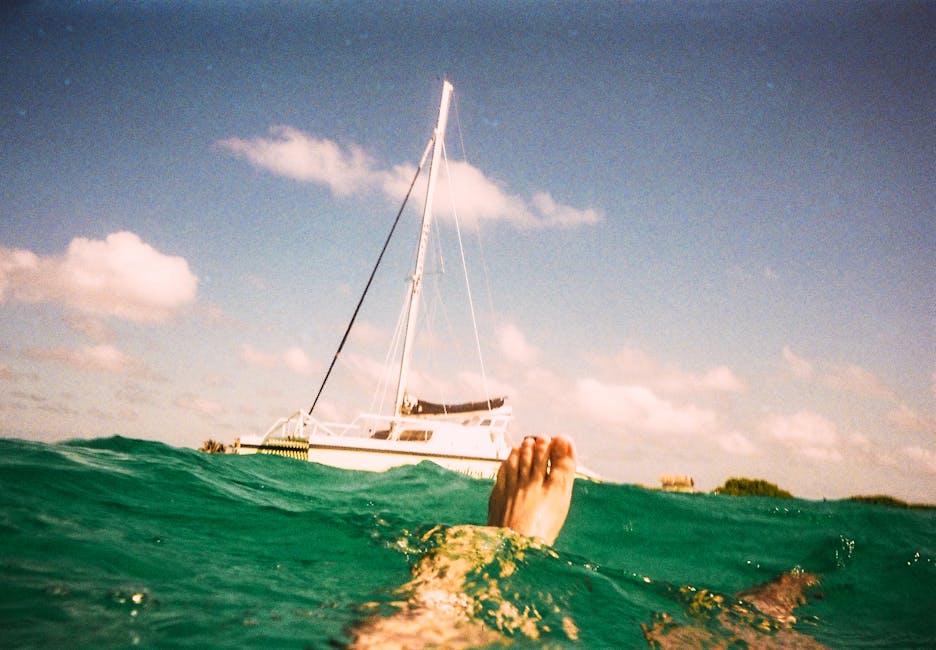
As I mentioned earlier, Amed makes a great base for your dive trip to Tulamben. The village is spread out along the coast, offering a range of accommodations, restaurants, and dive shops. Here are a few things I love about staying in Amed:
- Stunning Views: Amed offers breathtaking views of Mount Agung and the surrounding coastline. Imagine waking up to the sunrise over the volcano and then spending the day diving in crystal-clear waters.
- Relaxed Atmosphere: Amed is much quieter and less crowded than the tourist hotspots in southern Bali. It's the perfect place to escape the hustle and bustle and relax by the beach.
- Delicious Food: Amed has a variety of restaurants serving delicious Balinese and international cuisine. Be sure to try some of the local seafood dishes, which are incredibly fresh and flavorful.
- Cultural Experiences: Amed is a traditional fishing village, and you can still see local fishermen going out to sea in their colorful outrigger boats. Take a walk through the village and experience the authentic Balinese culture.
Whether you're looking for a budget-friendly guesthouse or a luxurious resort, you'll find the perfect accommodation in Amed. And with its stunning views, relaxed atmosphere, and delicious food, you'll never want to leave!
Responsible Diving: Protecting the Underwater World

As scuba divers, we have a responsibility to protect the underwater world. Here are a few tips for responsible diving:
- Don't Touch: Avoid touching or disturbing corals, sponges, and other marine life. These organisms are fragile and can be easily damaged.
- Control Your Buoyancy: Good buoyancy control is essential for avoiding damage to the reef. Practice your buoyancy skills and avoid kicking up sediment.
- Don't Feed the Fish: Feeding the fish can disrupt their natural feeding habits and make them dependent on humans.
- Respect Wildlife: Observe wildlife from a distance and avoid harassing or chasing animals.
- Reduce Waste: Avoid using single-use plastics and dispose of your trash properly.
- Support Sustainable Practices: Choose dive operators and accommodations that are committed to sustainable practices.
By following these tips, we can help protect the underwater world and ensure that future generations can enjoy the beauty of the USAT Liberty and other dive sites.
USAT Liberty: More Than Just a Dive Site
Diving the USAT Liberty is more than just checking off a box on a dive site bucket list. It's an experience that stays with you long after you surface. It's a chance to connect with history, to witness the incredible power of nature, and to appreciate the beauty and diversity of the underwater world. It's a reminder of our responsibility to protect these fragile ecosystems for future generations. I hope my personal experience has given you an insight into why I've become so enamored with diving the Liberty and convinced you to add it to your Bali itinerary. So, what are you waiting for? Book your trip to Amed and Tulamben and get ready for an unforgettable diving adventure! Safe diving, my friends, and I hope to see you underwater someday!
Post a Comment