Besakih Temple: Exploring Bali's Mother Temple - A Spiritual Journey
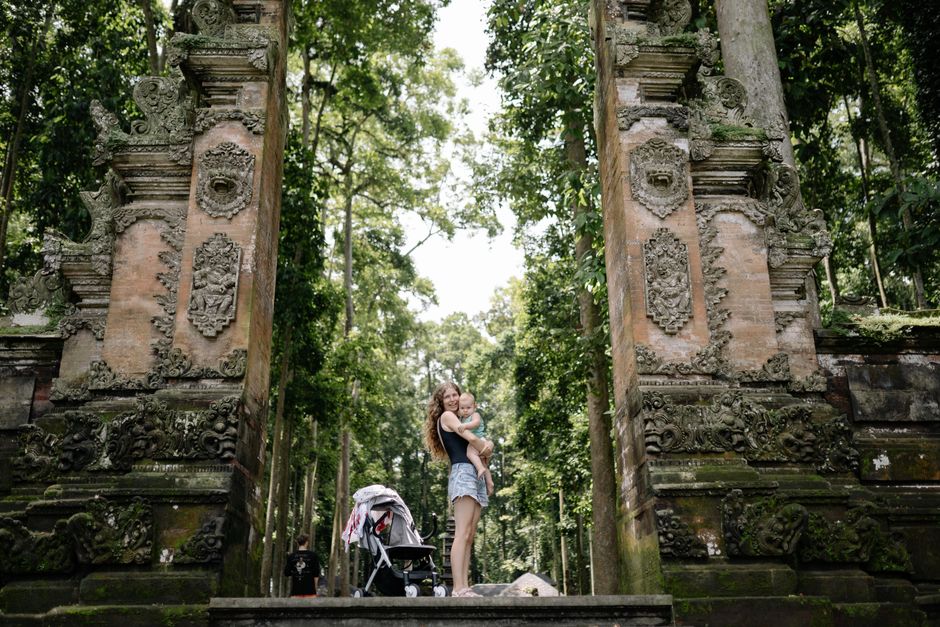
Besakih Temple: Exploring Bali's Mother Temple - A Spiritual Journey
Have you ever felt a pull towards a place, a sense of knowing that something significant awaits you there? That's how I felt about Besakih Temple, or Pura Besakih, as the locals call it. It's more than just a temple complex; it's the spiritual heart of Bali, a place steeped in history, tradition, and an undeniable energy. I'm so excited to share my experiences and insights about this majestic site, considered the "Mother Temple" of Bali. Get ready for a journey that goes beyond the typical tourist trail, delving into the heart of Balinese culture and spirituality.
What Makes Besakih Temple So Special?
Okay, let's get straight to the point. Why is Besakih so revered? It's not just one temple; it's a vast complex comprised of 23 separate, but related temples, perched high on the slopes of Mount Agung, Bali's holiest volcano. This strategic location is incredibly important. The Balinese believe that Mount Agung is the axis of the universe, the home of the gods, and the connection between the earthly realm and the divine. So, placing Besakih there elevates its significance tenfold.
Think of it like this: imagine building your most important religious structure right next to something you consider sacred and powerful – a majestic mountain, a powerful river, or a place of profound natural beauty. That's precisely what the Balinese have done with Besakih.
Beyond its location, Besakih's history is long and fascinating. Evidence suggests its origins date back to prehistoric times. However, it became a Hindu place of worship in the 15th century, after the Majapahit Empire, a Javanese Hindu-Buddhist kingdom, extended its influence to Bali. Over the centuries, Besakih has evolved, with different rulers adding their own touches, creating the unique and complex structure we see today.
What truly sets Besakih apart is its role in Balinese life. It's the central temple for all Hindus in Bali, a place where important religious ceremonies and festivals are held. From simple daily offerings to elaborate multi-day celebrations, Besakih is a hub of spiritual activity, connecting the Balinese people to their gods and their ancestors. It's the epicenter of their faith.
Planning Your Visit: Practical Tips and What to Expect

Alright, now let's talk logistics. Planning a trip to Besakih requires a little more preparation than just hopping on a scooter. Here's what I've learned from my own experiences:
- Getting There: Besakih is located in the village of Besakih, in the Rendang district of Karangasem Regency, East Bali. The journey from popular tourist areas like Kuta, Seminyak, or Ubud takes around 2 to 3 hours by car or scooter, depending on traffic. I highly recommend hiring a driver or joining a guided tour. The roads can be winding, and navigating the local traffic can be challenging, especially if you're not used to it. Plus, having a driver or guide who speaks Balinese can be incredibly helpful.
- Best Time to Visit: The best time to visit Besakih is during the dry season, which runs from April to October. The weather is generally sunny and dry, making it easier to explore the temple complex. Avoid visiting during major Balinese holidays, as the temple will be extremely crowded. If you do visit during a festival, be prepared for large crowds and potential delays, but also for an incredibly immersive cultural experience. Arrive early in the morning to avoid the crowds and the heat.
- Dress Code: This is crucial! Remember, Besakih is a holy place, so you need to dress respectfully. This means covering your shoulders and knees. You'll need to wear a sarong (a traditional Balinese cloth wrapped around the waist) and a sash (a cloth belt). You can usually rent these at the entrance to the temple for a small fee. If you're unsure, it's always better to err on the side of caution and dress more conservatively.
- Entrance Fee: There's an entrance fee to enter the temple complex. Make sure you have Indonesian Rupiah (IDR) on hand. The fee usually includes the rental of a sarong and sash.
- Navigating the Temple Complex: Besakih is vast and can be overwhelming. You'll likely be approached by local guides offering their services. While you're not obligated to hire one, a guide can enhance your experience by providing insights into the history, architecture, and religious significance of the temples. Just be sure to negotiate the price beforehand. I personally found having a guide incredibly helpful, as they pointed out details I would have otherwise missed and shared fascinating stories about the temple.
Understanding the Different Temples within Besakih

Remember, Besakih isn't just one temple; it's a complex of 23! While you might not have time to explore all of them, understanding the main temples will give you a deeper appreciation for the site.
- Pura Penataran Agung: This is the main temple and the largest within the complex. It's dedicated to the Hindu trinity: Shiva (the destroyer), Vishnu (the preserver), and Brahma (the creator). It's the focal point of Besakih and where most major ceremonies take place. You'll likely spend the most time here, admiring the intricate carvings, the towering meru (multi-tiered shrines), and the overall grandeur of the structure.
- Pura Batu Madeg: Located near Penataran Agung, this temple is dedicated to Vishnu. It's known for its black lava stone shrine, believed to have been formed by a volcanic eruption of Mount Agung.
- Pura Kiduling Kreteg: This temple is dedicated to Brahma. Its red brick structures are quite distinctive, and it plays a crucial role in purification rituals.
- Pura Ulun Kulkul: Dedicated to Shiva, this temple is known for its seven-tiered meru and is considered one of the most important temples within Besakih.
- Other Temples: Each of the remaining temples has its own unique purpose and dedication, often related to specific deities or ancestral spirits. Exploring these smaller temples can offer a glimpse into the diverse beliefs and practices of Balinese Hinduism.
It's important to note that some areas within Besakih are off-limits to non-worshippers, particularly during ceremonies. Be respectful of these restrictions and follow the guidance of your guide or temple officials.
Diving Deeper: The Spiritual Significance of Besakih
Beyond the stunning architecture and breathtaking views, Besakih holds profound spiritual significance for the Balinese people. It's a place where they connect with their gods, their ancestors, and the very essence of their culture. Understanding this spiritual dimension can transform your visit from a simple sightseeing trip to a truly meaningful experience.
Besakih is considered a representation of the universe in miniature. The different temples and shrines within the complex symbolize various aspects of the cosmos, reflecting the Balinese belief in the interconnectedness of all things. The temple's location on Mount Agung further reinforces this connection to the divine, as the mountain is seen as a sacred axis linking the earthly and spiritual realms.
When you're there, take a moment to observe the intricate rituals and ceremonies that take place. The rhythmic chanting of prayers, the fragrant incense, the colorful offerings – all of these elements create a palpable sense of spirituality. Even if you don't understand the specific meaning of each ritual, you can still feel the devotion and reverence that permeates the atmosphere.
The Balinese believe that by visiting Besakih and participating in its ceremonies, they can receive blessings from the gods, purify their souls, and strengthen their connection to their ancestors. It's a place of pilgrimage, a place of healing, and a place of profound spiritual transformation.
My Personal Experiences and Reflections

Okay, now for the personal part. I've visited Besakih a few times now, and each time has been a unique and deeply moving experience. My first visit was a bit overwhelming, to be honest. The sheer size of the complex, the crowds of people, and the unfamiliar rituals were a lot to take in. But even amidst the chaos, I felt a sense of peace and wonder. I remember standing in front of Pura Penataran Agung, gazing up at the towering meru, and feeling an overwhelming sense of awe. It was like stepping back in time, into a world where spirituality was not just a belief but a way of life.
On subsequent visits, I made an effort to learn more about the history, architecture, and religious significance of Besakih. I hired local guides who shared their knowledge and insights, and I spent time observing the ceremonies and talking to the local people. The more I learned, the more I appreciated the profound beauty and complexity of this sacred site.
One of my most memorable experiences was attending a smaller, less crowded ceremony at one of the outer temples. I was invited to participate in the prayers and offerings, and I felt a deep connection to the Balinese people and their faith. It was a humbling and transformative experience, one that I will never forget.
Visiting Besakih has taught me a lot about the importance of tradition, the power of faith, and the interconnectedness of all things. It's a place that challenges you to open your mind and your heart, to embrace the unfamiliar, and to appreciate the beauty and diversity of human culture.
Avoiding Tourist Traps and Supporting Local Communities

Like any popular tourist destination, Besakih has its share of tourist traps. It's important to be aware of these and to make conscious choices that support local communities and preserve the authenticity of the site.
Here are some tips:
- Be wary of aggressive vendors: You'll likely be approached by vendors selling souvenirs, offering massages, or trying to "guide" you. While it's fine to browse and make purchases, be firm and polite if you're not interested. Don't feel pressured to buy anything you don't want.
- Negotiate prices: If you do decide to buy something, negotiate the price. Vendors often inflate prices for tourists, so don't be afraid to haggle respectfully.
- Hire a licensed guide: If you want a guide, make sure they are licensed and knowledgeable. Ask for recommendations from your hotel or driver.
- Eat at local warungs: Instead of eating at touristy restaurants, try some of the local warungs (small family-owned restaurants) outside the temple complex. You'll get a more authentic taste of Balinese cuisine and support local businesses.
- Respect the environment: Don't litter or damage the temple grounds. Dispose of your trash properly and be mindful of your surroundings.
- Dress respectfully: I know I've mentioned it already, but it's worth repeating! Dress appropriately to show respect for the temple and the local culture.
By being a responsible tourist, you can help ensure that Besakih remains a sacred and authentic place for future generations.
Photography Tips for Capturing the Beauty of Besakih
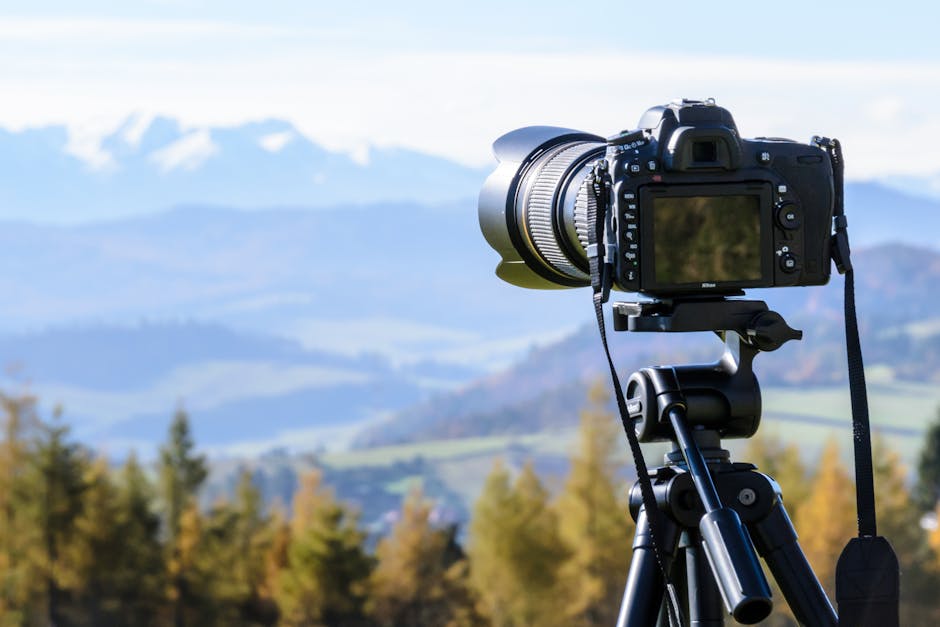
Besakih is a photographer's dream! The stunning architecture, the vibrant colors, and the breathtaking views provide endless opportunities for capturing beautiful images. But getting great shots requires a little planning and know-how.
Here are some tips:
- Golden Hour is Your Friend: The best time to photograph Besakih is during the golden hour, the hour after sunrise and the hour before sunset. The soft, warm light will enhance the colors and textures of the temple.
- Wide-Angle Lens: A wide-angle lens is essential for capturing the grand scale of the temple complex. It will allow you to fit more of the scene into your frame.
- Telephoto Lens: A telephoto lens can be useful for capturing details, such as the intricate carvings on the meru or the faces of the worshippers.
- Composition is Key: Pay attention to composition. Use leading lines, symmetry, and the rule of thirds to create visually appealing images.
- Capture the Details: Don't just focus on the grand views. Capture the small details, such as the offerings, the incense, and the traditional costumes.
- Respect the Locals: Ask permission before taking photos of people, especially during ceremonies. Be mindful of their privacy and avoid being intrusive.
- Be Patient: The light can change quickly, so be patient and wait for the perfect moment to capture your shot.
- Consider Black and White: Converting your images to black and white can emphasize the textures and architectural details of the temple.
Remember, photography is about capturing a moment in time and sharing your unique perspective. So, have fun, experiment, and be creative!
What to Eat Near Besakih Temple: A Culinary Adventure

Exploring a new place is not only about seeing beautiful sights but also about experiencing its culinary delights. After spending time at Besakih Temple, you're bound to be hungry. Fortunately, the area around Besakih offers a variety of dining options, from simple warungs to more upscale restaurants.
Here are some of my favorite culinary experiences near Besakih:
- Warung Ibu Agung: This is a classic Balinese warung serving traditional dishes like nasi campur (mixed rice), sate lilit (minced meat satay), and lawar (a mixture of vegetables, minced meat, and spices). The food is delicious, authentic, and very affordable.
- Restaurant Mahagiri Panoramic View: If you're looking for a restaurant with stunning views of Mount Agung, this is the place to go. They serve a mix of Indonesian and Western dishes, but the real draw is the breathtaking scenery.
- Local Fruit Stalls: Along the road to Besakih, you'll find numerous stalls selling fresh fruits and vegetables. Be sure to try some of the local specialties, such as snake fruit (salak) or mangosteen.
- Kopi Luwak Coffee Plantation: Several coffee plantations near Besakih offer tours and tastings of Kopi Luwak, the world's most expensive coffee. It's a unique and memorable experience, but be prepared to pay a premium.
- Try the Local Snakeskin Fruit (Salak): Sold by roadside vendors, this unique fruit offers a slightly acidic, nutty flavor that is uniquely Balinese.
Don't be afraid to venture off the beaten path and try some of the local warungs. You'll often find the best and most authentic food in these small, family-run establishments.
Beyond Besakih: Exploring the Surrounding Area

While Besakih is undoubtedly the main attraction in the area, there are several other interesting places to visit nearby that can enhance your experience.
- Tirta Gangga Water Palace: This beautiful water palace is located about an hour's drive from Besakih. It features elaborate fountains, pools, and sculptures, and is a great place to relax and enjoy the scenery.
- Taman Ujung Water Palace: Another stunning water palace, Taman Ujung is located near Amlapura. It offers panoramic views of the coastline and is a popular spot for weddings and photo shoots.
- Sidemen Valley: This scenic valley is known for its rice terraces, traditional villages, and peaceful atmosphere. It's a great place to go for a hike or bike ride.
- Mount Agung Hiking: For adventurous travelers, hiking to the summit of Mount Agung is an unforgettable experience. However, it's a challenging hike that requires a high level of fitness and should only be undertaken with a qualified guide.
By exploring the surrounding area, you can gain a deeper appreciation for the beauty and diversity of Bali.
Final Thoughts: A Journey to the Soul of Bali

Visiting Besakih Temple is more than just a sightseeing trip; it's a journey to the soul of Bali. It's a chance to connect with the island's rich history, vibrant culture, and profound spirituality. It's a place that will challenge you, inspire you, and leave you with a lasting appreciation for the beauty and diversity of human experience.
So, if you're planning a trip to Bali, be sure to include Besakih Temple on your itinerary. Take your time, be respectful, and open yourself to the magic of this sacred place. You won't be disappointed.
I hope my experiences and insights have been helpful in planning your own adventure to Besakih Temple. Remember to embrace the journey, be open to new experiences, and most importantly, have fun!
Post a Comment