Cooking Up a Storm in Ubud: My Journey Mastering Balinese Cuisine
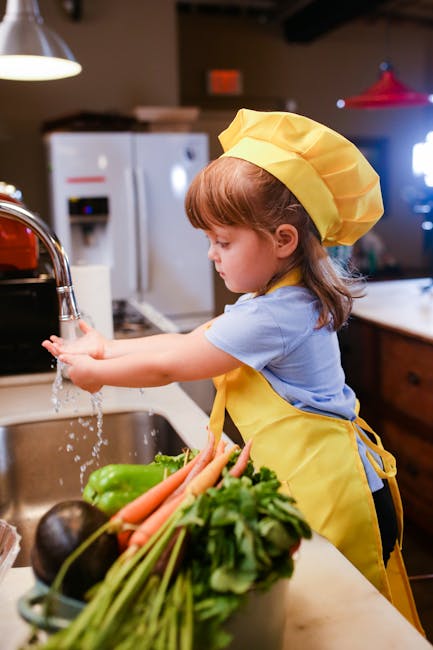
Cooking Up a Storm in Ubud: My Journey Mastering Balinese Cuisine
Hey there, fellow food adventurers! Ever dreamt of whisking yourself away to a tropical paradise, not just to relax on a beach (though that sounds amazing too!), but to actually learn the secrets of a vibrant, exotic cuisine? Well, let me tell you about my experience in Ubud, Bali, where I did exactly that. I dove headfirst into a Balinese cooking class, and it was an experience that not only tantalized my taste buds but also enriched my understanding of the Balinese culture and way of life.
Why Ubud for a Culinary Adventure?
Ubud, nestled in the lush green heart of Bali, is more than just a pretty face. It's a cultural hub, a place where art, spirituality, and gastronomy intertwine beautifully. Think emerald rice paddies stretching as far as the eye can see, ancient temples whispering stories of the past, and the aroma of fragrant spices hanging heavy in the air. Ubud seemed like the perfect place to embark on a culinary journey, and boy, was I right! I mean, picture this: learning to cook authentic Balinese dishes surrounded by breathtaking scenery. It's the kind of experience that feeds your soul as much as your stomach.
What really drew me to Ubud specifically for a cooking class was the emphasis on fresh, local ingredients. Balinese cuisine is all about using what's readily available – from aromatic herbs and spices grown in home gardens to locally sourced vegetables and meats. It felt like a more authentic and sustainable way to learn about cooking, and I was eager to get my hands dirty!
Choosing the Right Cooking Class: A Delicious Dilemma

Okay, so you're sold on Ubud. Great! Now comes the (delicious) dilemma: which cooking class to choose? Ubud is bursting with options, catering to all skill levels and budgets. I spent hours researching and reading reviews before finally settling on one that felt like the right fit. Here's what I considered:
- Class Size: I wanted a smaller, more intimate class to ensure plenty of personal attention from the chef. Larger classes can sometimes feel a bit impersonal, and I really wanted to be able to ask questions and get hands-on experience.
- Menu Variety: The menu was a crucial factor. I wanted a class that covered a wide range of Balinese dishes, from classic curries to savory satays and flavorful vegetable preparations. It was important to me that I learn to make the fundamental dishes.
- Market Visit: Many cooking classes include a visit to a local market. This was a huge draw for me! I wanted to experience the bustling atmosphere of a traditional Balinese market and learn about the different ingredients firsthand.
- Reviews and Recommendations: Of course, I scoured online reviews and asked for recommendations from other travelers. This helped me get a sense of the quality of the instruction, the authenticity of the food, and the overall experience.
- Price: Let's be real, budget matters! Cooking classes in Ubud vary in price, so I wanted to find one that offered good value for money. I considered what was included in the price (e.g., market visit, ingredients, lunch) and compared it to other options.
Ultimately, I chose a class that offered a small group setting, a comprehensive menu, a market visit, and fantastic reviews – all within my budget. It felt like the perfect combination, and I was so excited to start!
My Balinese Cooking Class Experience: A Culinary Immersion

The day of my cooking class arrived, and I was buzzing with anticipation. It started bright and early with a visit to the local market. Imagine a sensory overload of vibrant colors, exotic aromas, and lively chatter. Our instructor, a warm and friendly Balinese woman named Ibu Made (Ibu is a respectful term for "Mrs." or "Madam"), led us through the maze of stalls, explaining the different ingredients and their uses in Balinese cuisine.
Ibu Made taught us how to identify the freshest produce, how to select the best cuts of meat, and how to distinguish between the various types of spices. It was fascinating to learn about the importance of each ingredient and how it contributes to the overall flavor profile of the dishes we would be making.
After the market visit, we headed to a traditional Balinese kitchen. It was an open-air space with a central cooking area, surrounded by lush greenery. The atmosphere was relaxed and inviting, and I immediately felt at ease.
Ibu Made started by explaining the basic principles of Balinese cooking. She emphasized the importance of using fresh, high-quality ingredients and balancing the different flavors – sweet, sour, salty, bitter, and umami. She also demonstrated how to prepare the "base genep," the foundation of many Balinese dishes. This is a fragrant spice paste made from a combination of ingredients like garlic, ginger, galangal, turmeric, chilies, and shallots.
Then came the fun part: the cooking! We worked together as a group, each taking turns chopping vegetables, grinding spices, and stirring pots. Ibu Made was a patient and encouraging teacher, guiding us through each step of the process and offering helpful tips and techniques. It was amazing to see how simple ingredients could be transformed into such flavorful and complex dishes.
Here's a glimpse of what we learned to cook:
- Gado-Gado: A classic Indonesian salad with blanched vegetables, tofu, tempeh, and a rich peanut sauce. I learned how to make the peanut sauce from scratch, which was surprisingly easy and incredibly delicious.
- Sate Lilit: Minced meat (usually chicken or fish) mixed with spices and grated coconut, wrapped around lemongrass skewers, and grilled to perfection. The aroma of the grilling sate was simply irresistible.
- Nasi Goreng: The iconic Indonesian fried rice, with a Balinese twist. We added local spices and vegetables to create a flavorful and satisfying dish.
- Lawar: A traditional Balinese dish made with minced meat, vegetables, and grated coconut, often seasoned with a blend of spices and sometimes mixed with animal blood (though we skipped that part!). This dish is usually served during ceremonies and special occasions.
- Kare Ayam: A fragrant chicken curry cooked in coconut milk and a blend of aromatic spices. This was one of my favorite dishes to make, and the flavor was simply divine.
And of course, no Balinese meal is complete without dessert! We learned to make:
- Bubuh Injin: Black sticky rice pudding served with coconut milk and palm sugar syrup. A simple yet satisfyingly sweet treat.
After all the cooking, it was time to feast! We sat down together at a long table and enjoyed the fruits of our labor. The food was absolutely incredible – fresh, flavorful, and authentic. It was such a rewarding experience to taste the dishes we had worked so hard to create. The communal aspect of sharing the meal with my fellow classmates added to the sense of camaraderie and connection.
Beyond the Recipes: Embracing Balinese Culture

My cooking class in Ubud was about so much more than just learning new recipes. It was an opportunity to immerse myself in Balinese culture and gain a deeper understanding of the local way of life. I learned about the importance of family, community, and spirituality in Balinese society.
I also learned about the Balinese philosophy of Tri Hita Karana, which emphasizes the importance of maintaining harmony between humans, nature, and the divine. This philosophy is reflected in the way Balinese people approach cooking, using fresh, local ingredients and preparing food with care and respect.
The class also provided a fascinating insight into the spiritual significance of food in Balinese culture. Many dishes are traditionally offered to the gods during ceremonies and festivals, and the preparation of food is often seen as a sacred act.
Tips for Planning Your Own Balinese Cooking Adventure

If you're inspired to embark on your own Balinese cooking adventure, here are a few tips to help you plan your trip:
- Book in Advance: Popular cooking classes in Ubud can fill up quickly, especially during peak season. It's best to book your class in advance to avoid disappointment.
- Consider the Season: Ubud has a tropical climate, with a wet and dry season. The best time to visit is during the dry season (April to October), when the weather is sunny and pleasant.
- Pack Appropriately: Wear comfortable clothing and shoes, as you'll be standing and moving around a lot. Don't forget to bring sunscreen, a hat, and insect repellent.
- Be Prepared to Get Your Hands Dirty: Cooking classes are hands-on, so be prepared to get involved and don't be afraid to make mistakes.
- Ask Questions: Don't hesitate to ask your instructor questions about the ingredients, techniques, or cultural aspects of Balinese cuisine.
- Embrace the Experience: Relax, have fun, and enjoy the opportunity to learn about a new culture through its food.
Bringing Bali Home: Cooking Up Memories

My Balinese cooking class in Ubud was an unforgettable experience that I will cherish forever. I not only learned how to cook delicious Balinese dishes, but I also gained a deeper appreciation for the Balinese culture and way of life. Now, back home, I can recreate those flavors and memories in my own kitchen, transporting myself back to the lush green hills of Ubud with every bite.
Since my trip, I've regularly made Gado-Gado for potlucks, and it's always a crowd-pleaser! I've also experimented with different variations of Nasi Goreng, using whatever vegetables I have on hand. It's a great way to use up leftovers and create a delicious and healthy meal.
So, if you're looking for a culinary adventure that will tantalize your taste buds, enrich your understanding of a new culture, and create lasting memories, I highly recommend taking a cooking class in Ubud. You won't regret it!
Selamat makan (bon appétit!), and happy cooking!
Post a Comment