Crafting in Ubud: A Journey from Wood to Silver – Your Creative Escape
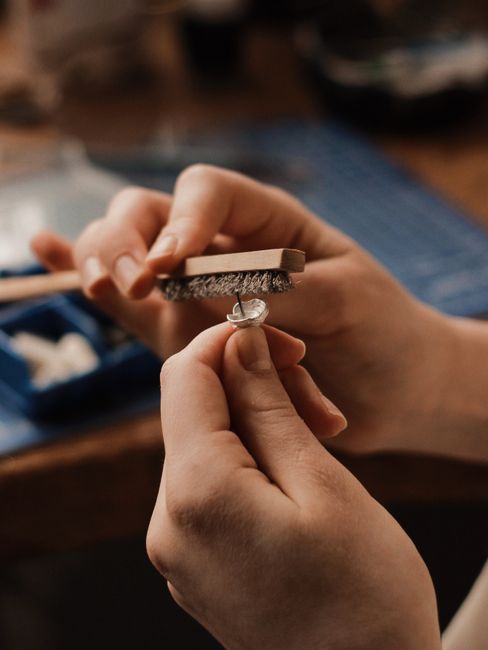
Crafting in Ubud: A Journey from Wood to Silver – Your Creative Escape
Hey there, fellow creative souls! Ever dreamt of escaping to a place where art breathes in the very air, where ancient traditions meet modern inspiration? Well, let me tell you about my experiences in Ubud, Bali – a haven for artists and craft enthusiasts, and a place that completely stole my heart. My adventure involved diving deep into the worlds of wood carving and silver jewelry making, and I can't wait to share my journey with you, in the hope that it inspires your own creative escape!
Ubud: More Than Just Rice Paddies and Temples
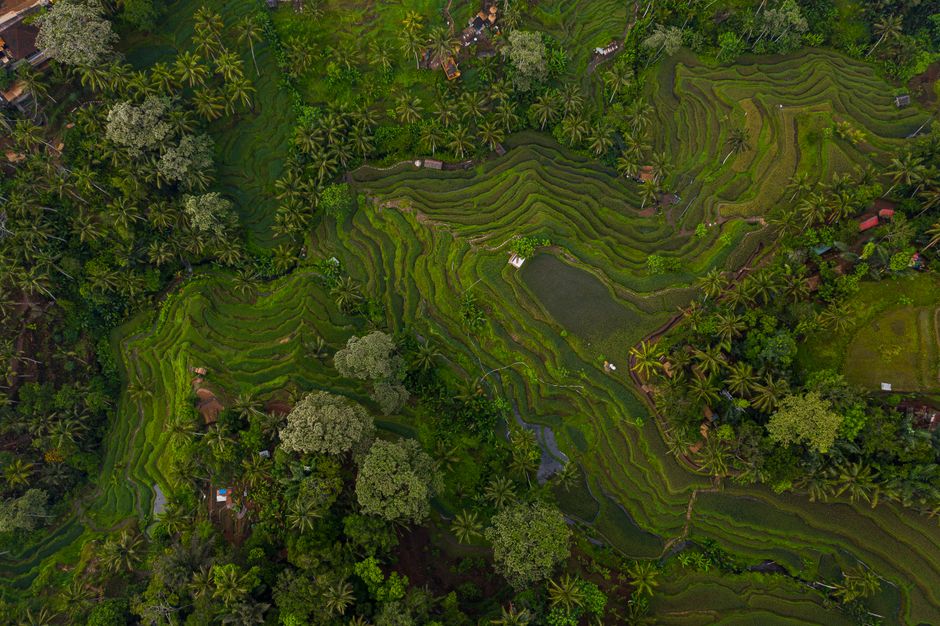
Ubud is often pictured as a landscape of emerald rice terraces, ornate temples, and serene yoga retreats. And while that's all undeniably true, it's also a vibrant hub of artistic expression. For centuries, Ubud has been the cultural heart of Bali, drawing artists and artisans from across the island and the world. It's a place where creativity isn't just a hobby; it's a way of life, woven into the fabric of the community.
Walking through Ubud, you're constantly surrounded by art. Intricate carvings adorn doorways, vibrant paintings fill galleries, and the rhythmic clang of hammers rings out from workshops tucked away in quiet courtyards. This constant exposure to beauty is infectious, and it's what makes Ubud such an inspiring place to learn and create. I found myself feeling more creatively alive there than I ever have before!
My First Love: The Allure of Balinese Wood Carving
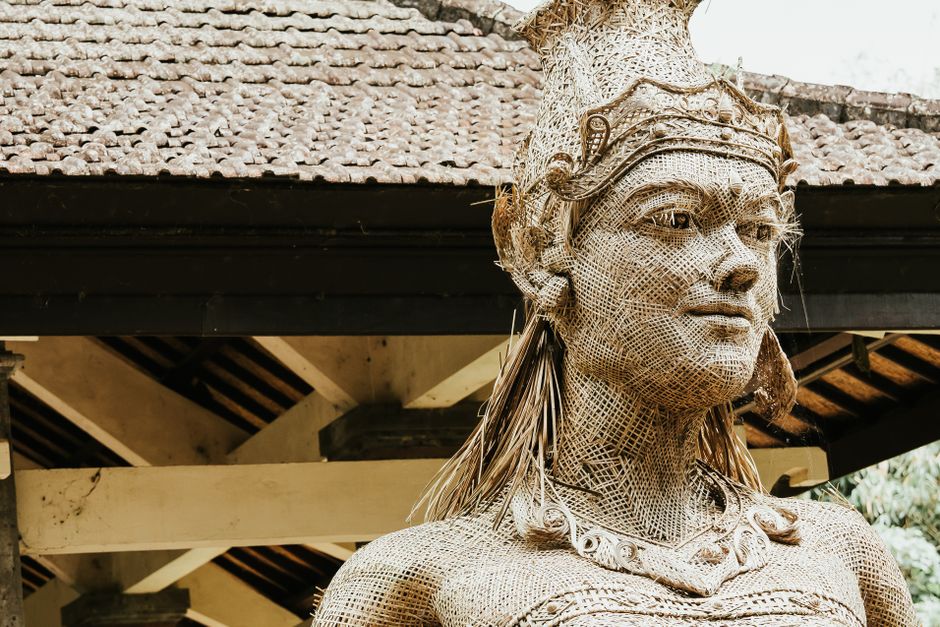
Balinese wood carving is more than just whittling away at a piece of wood; it's a deeply symbolic art form with roots in Hindu-Balinese mythology and religious beliefs. The carvings often depict gods, goddesses, demons, animals, and scenes from ancient epics like the Ramayana and Mahabharata. Each figure and motif carries a specific meaning, making the art both visually stunning and culturally significant.
I've always been fascinated by the way a skilled artisan can transform a simple block of wood into a breathtaking sculpture. So, during my time in Ubud, I decided to take a wood carving workshop. Now, I'm not going to lie; I was a little intimidated at first. I had zero experience with carving tools, and the thought of accidentally slicing off a finger did cross my mind more than once! But I was determined to give it a try.
Finding the Right Guru: Choosing a Wood Carving Workshop
Ubud offers a plethora of wood carving workshops, ranging from beginner-friendly introductions to more advanced courses. Finding the right one for me was key. Here's what I considered:
- Instructor's Experience and Style: I looked for a workshop led by a seasoned carver with a style that resonated with me. I spent some time browsing online portfolios and reading reviews to get a sense of different instructors' expertise and teaching methods.
- Workshop Size and Duration: I preferred a small group setting to ensure personalized attention from the instructor. I also considered the duration of the workshop; some were just a few hours long, while others spanned several days. I opted for a full-day workshop that allowed me to delve a bit deeper into the process.
- Materials and Tools Provided: It's always a good idea to check what materials and tools are included in the workshop fee. Most workshops provide basic carving tools and a block of wood to work with, but it's helpful to clarify beforehand.
- Location and Ambiance: Learning in a tranquil setting can enhance the creative experience. I looked for workshops located in peaceful villages or studios surrounded by nature.
After doing my research, I chose a workshop in a small village just outside of Ubud, led by a kindly old man named Bapak Ketut. His workshop was a simple open-air structure surrounded by lush greenery, and the air was filled with the scent of wood shavings and incense. It felt like the perfect place to embark on my carving journey.
My First Carving: A Wobbly Gecko
Bapak Ketut started by teaching us the basics of wood carving: how to hold the tools safely, how to select the right wood, and how to transfer a design onto the wood block. He emphasized the importance of patience, precision, and respect for the material. The wood we were using was Albesia wood, a lightweight wood that is commonly used for practice carvings.
My project for the day was to carve a small gecko. Geckos are a common sight in Bali, and they're often seen as symbols of good luck. Bapak Ketut guided me step-by-step, showing me how to use different chisels and gouges to shape the wood. I quickly learned that wood carving is a surprisingly physical activity! It required a lot of focus and coordination, and my hands were aching by the end of the day.
Let's just say my first attempt wasn't exactly a masterpiece. My gecko was a little lopsided, and its tail was a bit too thick. But it was mine, and I was incredibly proud of it. Bapak Ketut chuckled good-naturedly and helped me smooth out some of the rough edges. He emphasized that the most important thing was to enjoy the process and learn from my mistakes.
The experience was truly meditative. Hours flew by as I focused on the task at hand, completely absorbed in the act of transforming a piece of wood into something beautiful. I left the workshop feeling exhausted but exhilarated, with a newfound appreciation for the skill and artistry of Balinese wood carvers.
Shifting Gears: Exploring the World of Silver Jewelry Making
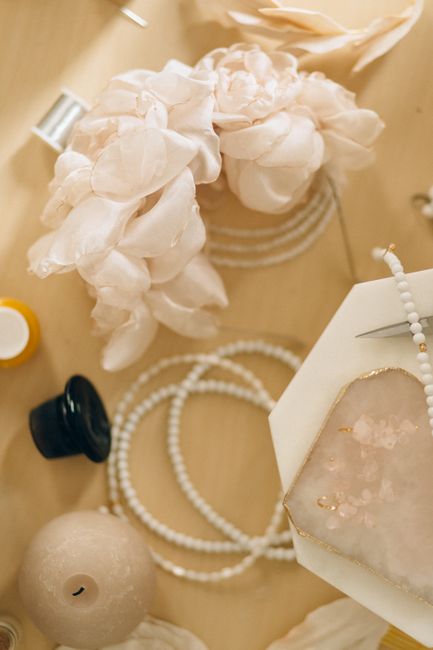
After my wood carving adventure, I decided to explore another facet of Ubud's artistic landscape: silver jewelry making. Balinese silversmiths are renowned for their intricate and delicate designs, often incorporating traditional motifs and natural elements. I've always been drawn to the beauty of handcrafted jewelry, and I was eager to learn the basics of this ancient craft.
Unlike wood carving, which felt a bit more rugged and earthy, silver jewelry making seemed more refined and delicate. It involved a different set of skills and tools, and a different kind of creative energy. I was excited to try my hand at something new.
Finding Sparkle: Choosing a Silver Jewelry Workshop
Just like with wood carving, Ubud offers a wide range of silver jewelry workshops. Here's what I looked for when choosing one:
- Techniques Covered: Different workshops focus on different techniques, such as wire wrapping, bead setting, granulation, and filigree. I wanted a workshop that covered a variety of techniques to give me a broad overview of the craft.
- Project-Based Learning: I learn best by doing, so I looked for a workshop that involved creating a specific piece of jewelry, such as a ring, pendant, or earrings.
- Instructor's Expertise in Silver: I checked to ensure the instructor had years of experience working with silver. I also looked to see what kind of design style they were familiar with, to ensure it suited my tastes.
- Studio Setup and Equipment: Silver jewelry making requires a specific set of tools and equipment, such as torches, hammers, soldering irons, and polishing machines. I wanted to make sure the workshop had a well-equipped studio and that the equipment was in good working order.
I eventually settled on a workshop in Celuk Village, a small village near Ubud that is famous for its silver and gold smithing. The workshop was run by a family of silversmiths who had been practicing the craft for generations. I was excited to learn from masters of the trade.
From Wire to Wonder: Crafting My Own Silver Ring
The workshop began with an introduction to the tools and materials used in silver jewelry making. I learned about the different types of silver, the properties of various solders, and the importance of safety when working with heat and chemicals.
My project for the day was to create a simple silver ring. The instructor, Ibu Made, guided me through each step of the process:
- Measuring and Cutting the Silver Wire: I carefully measured the circumference of my finger and cut a piece of silver wire to the correct length.
- Shaping the Ring: Using a pair of pliers and a mandrel (a metal rod used for shaping rings), I bent the wire into a circular shape.
- Soldering the Joint: This was the trickiest part! I applied a small amount of flux (a chemical that helps the solder flow) to the joint, then carefully heated it with a torch until the solder melted and fused the two ends of the wire together.
- Pickling the Ring: After soldering, the ring was covered in a black residue called firescale. I placed the ring in a solution of warm pickle (a mild acid) to remove the firescale and reveal the shiny silver underneath.
- Filing and Polishing: I used a series of files and sandpaper to smooth out any rough edges and imperfections on the ring. Then, I polished the ring with a polishing cloth to give it a bright, lustrous finish.
Soldering was definitely the most challenging part of the process. It required a steady hand, good eyesight, and a lot of patience. I burned myself a couple of times, but Ibu Made was always there to offer encouragement and guidance. It was exhilarating to create something out of practically nothing.
When I finally held the finished ring in my hand, I was overcome with a sense of accomplishment. It wasn't perfect, but it was mine. I had created it with my own two hands, and it was a tangible reminder of my time in Ubud. I still wear that ring almost every day, and it always brings a smile to my face.
Beyond the Workshops: Immersing Yourself in Ubud's Art Scene
Taking workshops was just one aspect of my creative exploration in Ubud. I also made sure to immerse myself in the local art scene by:
- Visiting Art Galleries and Museums: Ubud is home to numerous art galleries and museums showcasing the works of both local and international artists. The Neka Art Museum and the Agung Rai Museum of Art (ARMA) are two of my favorites.
- Exploring Local Markets: The Ubud Art Market is a treasure trove of handcrafted goods, from wood carvings and paintings to textiles and jewelry. It's a great place to find unique souvenirs and support local artisans.
- Attending Cultural Performances: Ubud offers a variety of traditional Balinese dance and music performances. These performances are a feast for the senses and provide a deeper understanding of Balinese culture. I strongly suggest you witness a Kecak Fire Dance, it's amazing!
- Simply Wandering Around: The best way to discover Ubud's artistic charm is to simply wander around the streets and villages, soaking in the atmosphere and observing the everyday life of the Balinese people. You'll find hidden workshops, galleries, and studios tucked away in unexpected places.
Talking to local artists and artisans was also incredibly inspiring. They shared their stories, their techniques, and their passion for their craft. It was a privilege to learn from them and to gain a deeper appreciation for the rich artistic heritage of Bali.
Practical Tips for Your Creative Getaway to Ubud

If you're planning your own creative escape to Ubud, here are a few practical tips to keep in mind:
- Plan Ahead: Book your workshops and accommodations in advance, especially if you're traveling during peak season.
- Pack Appropriately: Bring comfortable clothing, sturdy shoes, and sunscreen. Ubud can be hot and humid, so dress accordingly.
- Be Respectful: Bali is a deeply spiritual place, so dress modestly when visiting temples and other sacred sites.
- Learn a Few Basic Phrases: Learning a few basic Indonesian phrases, such as "terima kasih" (thank you) and "selamat pagi" (good morning), will go a long way in showing respect for the local culture.
- Bargain Respectfully: Bargaining is common practice in the Ubud Art Market, but do it respectfully and with a smile.
- Stay Hydrated: Drink plenty of water to stay hydrated in the tropical climate.
- Embrace the Unexpected: Be open to new experiences and unexpected encounters. Some of the best moments in Ubud happen when you least expect them.
More than Just Crafts: The Transformative Power of Creativity

My time in Ubud was more than just a vacation; it was a transformative experience that reignited my creative spark and gave me a newfound appreciation for the power of art. It reminded me that creativity is not just a talent, but a skill that can be developed and nurtured with practice and dedication. And it reaffirmed my belief that anyone can be creative, regardless of their background or experience.
Whether you're a seasoned artist or a complete beginner, I highly recommend visiting Ubud and exploring its vibrant art scene. Take a workshop, visit a gallery, or simply wander around and soak in the atmosphere. You might be surprised at what you discover about yourself and the world around you.
I hope my journey through wood carving and silver jewelry making in Ubud has inspired you to embark on your own creative adventure. Remember, creativity is a journey, not a destination. So, embrace the process, experiment with different techniques, and don't be afraid to make mistakes. The most important thing is to have fun and let your imagination soar!
Ubud is waiting for you, with open arms and a wealth of artistic inspiration. Go explore, create, and discover the magic of this incredible place!
Thanks for reading and happy crafting!
Post a Comment