Elephant Cave (Goa Gajah): Unveiling Ancient Mysteries Near Ubud
Elephant Cave (Goa Gajah): Unveiling Ancient Mysteries Near Ubud
Hey there, fellow travel enthusiasts! Have you ever stumbled upon a place that just whispers ancient secrets, a place where the air itself feels thick with history and spirituality? That's exactly how I felt when I first visited Goa Gajah, or Elephant Cave, near Ubud in Bali. It's not your typical tourist trap; it's an experience that sticks with you long after you've left. I'm so excited to share my adventure and insights with you, so you can plan your own unforgettable visit to this incredible site.
My First Encounter with Goa Gajah: A Portal to the Past
I remember the day vividly. The Balinese sun was doing its best to bake everything in sight, and the air was buzzing with the sounds of cicadas and distant gamelan music. I hopped off my scooter, the humid air immediately wrapping around me like a warm hug. The entrance to Goa Gajah wasn't immediately obvious, which only added to the sense of anticipation. I walked down a stone path, flanked by lush greenery, and the scent of incense filled the air. It felt like stepping into another world.
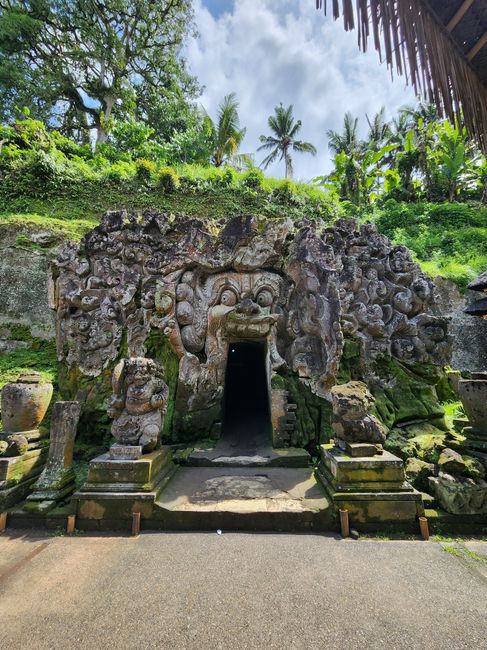
The first thing that struck me was the imposing entrance to the cave itself. Carved into the rock face was a massive, intricately detailed face, its features both serene and slightly intimidating. It felt like a guardian, watching over the secrets held within. There's a lot of debate about what the face represents, but most believe it's a depiction of Bhoma, the earth god, or perhaps even a demon meant to ward off evil spirits. Whatever it is, it's undeniably captivating.
Before even entering the cave, I noticed the sacred bathing pools to the left, fed by several statues of women holding water spouts. These pools, discovered in 1954, are believed to have been used for purification rituals. The whole area just radiated a sense of reverence and history, and I knew I was in for something special.
Delving Inside the Elephant Cave: Darkness and Discovery

Stepping inside the cave was like entering a different dimension. The temperature immediately dropped, and the sunlight faded, replaced by the flickering glow of a few strategically placed lights. The air was thick with the scent of damp earth and incense. It's not a large cave, maybe only about 10 meters deep, but it's packed with history and symbolism.
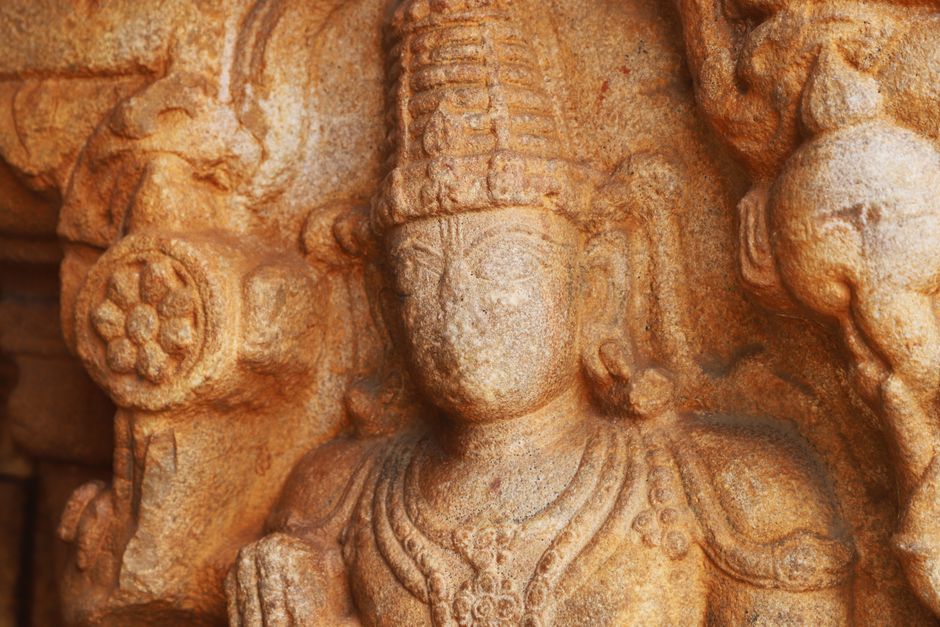
I was immediately drawn to the various niches carved into the walls, which house statues of Hindu deities, including Ganesha (the elephant-headed god of wisdom and prosperity) and Shiva. These statues, though weathered by time, are incredibly detailed and offer a fascinating glimpse into the artistic and religious practices of the past. The cave is thought to have been used as a sanctuary for meditation and religious ceremonies, and you can almost feel the echoes of those ancient rituals.
The name "Elephant Cave" is a bit misleading, as there aren't any actual elephants living in the cave! The name likely comes from the statue of Ganesha, or perhaps from the elephant-like features carved into the entrance face. Whatever the origin, the name has stuck, and it certainly adds to the mystique of the place.
I spent quite a while just wandering around inside, soaking in the atmosphere and imagining what life must have been like centuries ago when this cave was a bustling center of religious activity. It's a truly humbling experience.
Beyond the Cave: Exploring the Surrounding Complex

Goa Gajah is more than just the cave itself. The surrounding complex is a beautiful blend of natural beauty and ancient architecture, and it's well worth exploring.
Here's what you can expect to find:
- The Sacred Bathing Pools (Petirtaan): These are a must-see. The statues of the women holding water spouts are beautifully carved, and the pools themselves are incredibly serene. It's easy to imagine ancient priests and devotees purifying themselves in these waters.
- The Hindu Temple: Located near the bathing pools, this small temple is still used for worship today. You'll likely see offerings of flowers, incense, and fruit, a testament to the enduring spiritual significance of the site.
- The Buddhist Temple Ruins: Interestingly, Goa Gajah contains both Hindu and Buddhist elements, reflecting the syncretic religious practices of the time. You can find remnants of ancient Buddhist stupas and meditation caves within the complex, offering a glimpse into the diverse spiritual landscape of ancient Bali.
- The Lush Gardens: The entire area is surrounded by vibrant greenery, including towering trees, flowering plants, and moss-covered stones. It's a beautiful place to take a stroll and enjoy the tranquility of nature.
I remember spending a good hour just wandering through the gardens, admiring the beauty of the landscape and soaking in the peaceful atmosphere. It's the perfect place to escape the hustle and bustle of Ubud and reconnect with nature and history.
Unraveling the History of Goa Gajah: A Blend of Hindu and Buddhist Influences
One of the most fascinating aspects of Goa Gajah is its rich history, which dates back to the 11th century. The site reflects a fascinating blend of Hindu and Buddhist influences, suggesting that the two religions coexisted peacefully in Bali during that period.
Here's a little bit of historical context:
- Hindu Origins: The cave itself and many of the statues within it clearly indicate a Hindu origin. The presence of Ganesha, Shiva, and other Hindu deities suggests that the cave was initially used as a Hindu sanctuary.
- Buddhist Influences: However, the discovery of Buddhist stupas and meditation caves within the complex points to a significant Buddhist presence as well. This suggests that Goa Gajah was a place where both Hindus and Buddhists could practice their faith, reflecting the religious tolerance that characterized Bali during the ancient era.
- Royal Connections: It is believed that Goa Gajah was used as a hermitage and a sanctuary for meditation by royal families and high-ranking priests. Its strategic location near Ubud, a region known for its spiritual significance, further supports this theory.
- Rediscovery and Restoration: Over time, the site was largely forgotten, buried beneath layers of vegetation. It wasn't until the early 20th century that it was rediscovered and subsequently restored, revealing its ancient wonders to the world.
Understanding the history of Goa Gajah adds another layer of depth to the experience. It's not just a beautiful site; it's a tangible link to Bali's rich cultural and religious heritage.
Planning Your Visit to Goa Gajah: Practical Tips and Advice

Okay, so you're convinced you need to visit Goa Gajah, right? Awesome! Here's some practical advice to help you plan your trip:
1. Getting There:
Goa Gajah is located just a few kilometers southeast of Ubud, making it easily accessible by scooter, car, or taxi. If you're comfortable driving a scooter, that's a great option for exploring the area at your own pace. However, be aware that the roads can be narrow and traffic can be heavy, especially during peak season. Taxis and ride-hailing services are also readily available in Ubud.
2. Best Time to Visit:
The best time to visit Goa Gajah is early in the morning or late in the afternoon, to avoid the crowds and the heat. The site is open daily from 8:00 AM to 6:00 PM.
3. What to Wear:
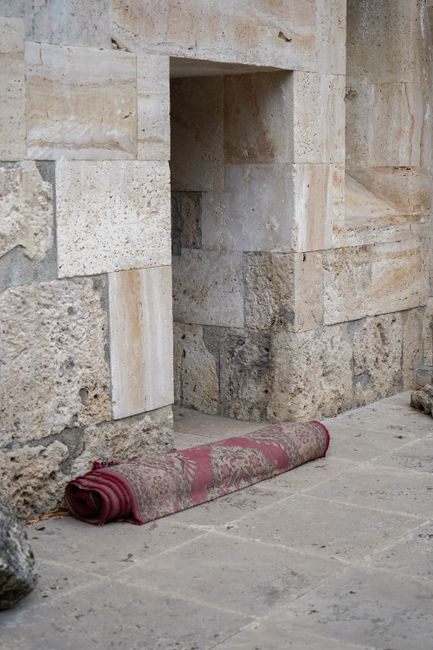
As Goa Gajah is a sacred site, it's important to dress respectfully. This means covering your shoulders and knees. You can rent a sarong and sash at the entrance if you're not already wearing appropriate attire.
4. Entrance Fee:
There is a small entrance fee to enter Goa Gajah, which helps to support the maintenance and preservation of the site. The fee is usually around 50,000 Indonesian Rupiah (about $3.50 USD). Cash is preferred.
5. What to Bring:
Here's a quick checklist of what to bring with you:
- Comfortable shoes: You'll be doing a fair amount of walking, so comfortable shoes are a must.
- Sunscreen: The Balinese sun can be intense, even on cloudy days, so protect your skin.
- Insect repellent: Mosquitoes can be a nuisance, especially in the late afternoon.
- Water: Stay hydrated, especially if you're visiting during the heat of the day.
- Camera: You'll definitely want to capture the beauty of Goa Gajah!
6. Hiring a Guide:
While it's perfectly fine to explore Goa Gajah on your own, hiring a local guide can enhance your experience. A guide can provide you with valuable insights into the history, symbolism, and religious significance of the site. They can also answer any questions you may have and help you navigate the complex.
7. Being Respectful:
Remember that Goa Gajah is a sacred site, so it's important to be respectful of the local customs and traditions. Avoid loud talking or disruptive behavior, and be mindful of your surroundings. If you see people praying or performing rituals, give them space and avoid taking photos without permission.
Goa Gajah and the Ubud Vibe: Why You Should Combine Your Visit

Goa Gajah is located just a stone's throw from Ubud, the cultural heart of Bali. Combining a visit to the Elephant Cave with exploring Ubud is a fantastic way to experience the best of what this region has to offer.
Here's why you should consider combining your trip:
- Ubud's Artistic Scene: Ubud is renowned for its vibrant art scene, with numerous galleries showcasing traditional Balinese paintings, wood carvings, and handicrafts. After exploring Goa Gajah, you can spend an afternoon browsing the art galleries and perhaps even take a traditional Balinese art class.
- Spiritual Practices: Ubud is a hub for yoga, meditation, and other spiritual practices. You can find numerous studios and retreats offering classes and workshops for all levels. Combining your visit to Goa Gajah with a yoga or meditation session can be a deeply enriching experience.
- Delicious Food: Ubud is a foodie paradise, with a wide range of restaurants and cafes serving everything from traditional Balinese cuisine to international dishes. After a day of exploring, you can treat yourself to a delicious meal at one of Ubud's many culinary hotspots. Try some Nasi Goreng or Babi Guling!
- Rice Terraces: Ubud is surrounded by stunning rice terraces, which are a UNESCO World Heritage Site. A visit to the Tegalalang Rice Terraces is a must-do for any traveler to Ubud. You can take a leisurely stroll through the terraces, admire the breathtaking views, and learn about traditional Balinese farming practices.
- Cultural Performances: Ubud is also known for its traditional Balinese dance and music performances. You can find nightly performances at various venues throughout the town, offering a glimpse into Bali's rich cultural heritage. A Kecak fire dance is a must see.
By combining your visit to Goa Gajah with exploring Ubud, you'll get a well-rounded experience of Balinese culture, history, and natural beauty.
Beyond Goa Gajah: Other Hidden Gems in the Ubud Area

If you're looking to explore beyond Goa Gajah and Ubud, there are plenty of other hidden gems in the area waiting to be discovered. Here are a few of my favorites:
- Tirta Empul Temple: This beautiful water temple is famous for its holy spring water, which is believed to have healing properties. You can participate in a purification ritual and immerse yourself in the spiritual atmosphere of the temple.
- Gunung Kawi Temple: This ancient temple complex features towering shrines carved into the rock face, creating a truly awe-inspiring sight. The temple is located in a secluded valley, surrounded by lush rice paddies, making it a peaceful and serene place to visit.
- Yeh Pulu: This lesser-known archaeological site features ancient carvings etched into a rock cliff, depicting scenes from Balinese mythology. It's a bit off the beaten path, but well worth the effort for those seeking a more secluded and authentic experience.
- Campuhan Ridge Walk: This scenic walking trail offers stunning views of the surrounding countryside, including rice paddies, lush valleys, and distant mountains. It's a great place to escape the hustle and bustle of Ubud and reconnect with nature.
- Tegenungan Waterfall: This popular waterfall is a refreshing place to cool off on a hot day. You can swim in the pool at the base of the falls and enjoy the beautiful natural surroundings.
By exploring these hidden gems, you'll get a deeper appreciation for the beauty and diversity of the Ubud area.
Goa Gajah: A Place for Reflection and Connection

For me, Goa Gajah is more than just a historical site; it's a place for reflection and connection. It's a place where I can step back in time, connect with the spiritual energy of the island, and appreciate the beauty of nature.
When I visit Goa Gajah, I always take a moment to sit quietly and reflect on the history of the site, the people who lived and worshipped there, and the enduring power of spirituality. It's a humbling experience that reminds me of the importance of preserving our cultural heritage and respecting the traditions of others.
I also find that Goa Gajah is a place where I can connect with myself on a deeper level. The peaceful atmosphere and the natural beauty of the surroundings create a space for contemplation and introspection. It's a place where I can quiet my mind, listen to my inner voice, and find clarity and inspiration.
And finally, Goa Gajah is a place where I can connect with others. I've met so many interesting and inspiring people at Goa Gajah, from fellow travelers to local guides and priests. Sharing experiences and stories with others is one of the joys of travel, and Goa Gajah provides a unique opportunity to connect with people from all walks of life.
My Lasting Impression of Goa Gajah: A Must-See for Every Traveler

In conclusion, Goa Gajah is a truly special place that I believe every traveler to Bali should experience. It's a beautiful blend of history, spirituality, and natural beauty, offering a glimpse into Bali's rich cultural heritage.
Whether you're interested in history, religion, art, or nature, you'll find something to appreciate at Goa Gajah. It's a place where you can learn about the past, connect with the present, and find inspiration for the future.
So, if you're planning a trip to Bali, be sure to add Goa Gajah to your itinerary. You won't be disappointed. It's an experience that will stay with you long after you've left, reminding you of the beauty, mystery, and magic of Bali.
I hope my experiences and insights have inspired you to plan your own unforgettable visit to Goa Gajah. Happy travels!
Post a Comment