Exploring Bali's North: Unveiling Authentic Beauty Beyond the Crowds

Exploring Bali's North: Unveiling Authentic Beauty Beyond the Crowds
Bali, the Island of Gods, conjures up images of sun-kissed beaches, vibrant nightlife, and lush rice paddies. While the south, particularly areas like Seminyak and Canggu, are incredibly popular, attracting a large influx of tourists each year, a different Bali awaits those who venture north. This is a Bali of serene landscapes, profound cultural experiences, and a slower pace of life, where authenticity hasn't been overshadowed by tourism. I'm excited to share my experiences exploring the North of Bali with you, inviting you to discover its hidden gems and authentic charm.
Why Venture North? Escaping the Tourist Trail

Let's be honest, the south of Bali can get pretty crowded, especially during peak season. While the energy and buzz can be appealing, sometimes you just crave peace and quiet. That's precisely what drew me to explore the northern regions. Think about it – less traffic, fewer hawkers, more opportunities for genuine interactions with locals, and landscapes that haven't been altered to cater specifically to the tourist market. The north offers a chance to experience Balinese culture as it's traditionally lived, not just as it's presented for visitors.
For me, escaping the crowds was just one piece of the puzzle. I also longed for a deeper connection with the island, a chance to understand its spiritual heart without the distractions of bustling resorts and packed beaches. The North offered that in abundance. It's where you can truly disconnect from the world and reconnect with yourself and nature. It's also a lot more affordable. Your money stretches much further in the North, allowing you to enjoy longer stays and more immersive experiences without breaking the bank.
Getting Around: Your Northern Bali Transportation Guide

Okay, so you're sold on exploring the North. Great! But how do you actually get around? Unlike the south, public transportation in the northern regions is limited. Here are your best options:
- Renting a Scooter: This is arguably the most popular and liberating way to explore. Scooters are affordable and allow you to navigate the winding roads at your own pace. Just be sure to wear a helmet, have an international driver's license, and feel comfortable riding in Indonesian traffic (which can be a little chaotic!).
- Hiring a Private Driver: For a more comfortable and convenient option, consider hiring a private driver. This is particularly useful if you're traveling with a group or have a lot of luggage. You can negotiate a daily rate, and your driver can also act as a knowledgeable guide, sharing insights about the local culture and customs.
- Using Ride-Hailing Apps (with Caveats): While ride-hailing apps like Gojek and Grab are available in some areas of northern Bali, their coverage is less extensive compared to the south. You might have difficulty finding a ride in more remote areas. Also, be aware of potential conflicts with local taxi drivers, who may not always welcome ride-hailing services.
- Organized Tours: If you prefer a hassle-free experience, consider joining an organized tour. Many tour operators offer day trips and multi-day excursions to the North, covering key attractions and providing transportation.
Personally, I prefer renting a scooter for the freedom it provides. However, if I'm traveling with my family or heading to more remote areas, I opt for a private driver for safety and convenience. No matter which option you choose, be sure to plan ahead and factor in travel time, as distances can be longer than they appear on a map.
Lovina: Dolphin Watching and Black Sand Beaches

Lovina, located on the north coast, is perhaps the most well-known destination in northern Bali. It's famous for its calm waters, black sand beaches, and, most notably, dolphin watching tours. Waking up before dawn to hop on a traditional outrigger boat and witness dolphins leaping out of the water at sunrise is an unforgettable experience. Just be mindful of the environmental impact of these tours and choose operators who prioritize dolphin welfare.
Beyond the dolphins, Lovina offers a relaxed atmosphere with a good selection of restaurants, cafes, and accommodations. The beaches are perfect for swimming and sunbathing, and you can also explore nearby waterfalls and hot springs. One of my favorite things to do in Lovina is simply strolling along the beach at sunset, enjoying the peaceful ambiance and the stunning colors of the sky. You'll find some good snorkeling and diving spots just off shore, and the laid-back atmosphere is a far cry from the party scene in the south.
Munduk: Highland Retreat and Waterfalls Galore
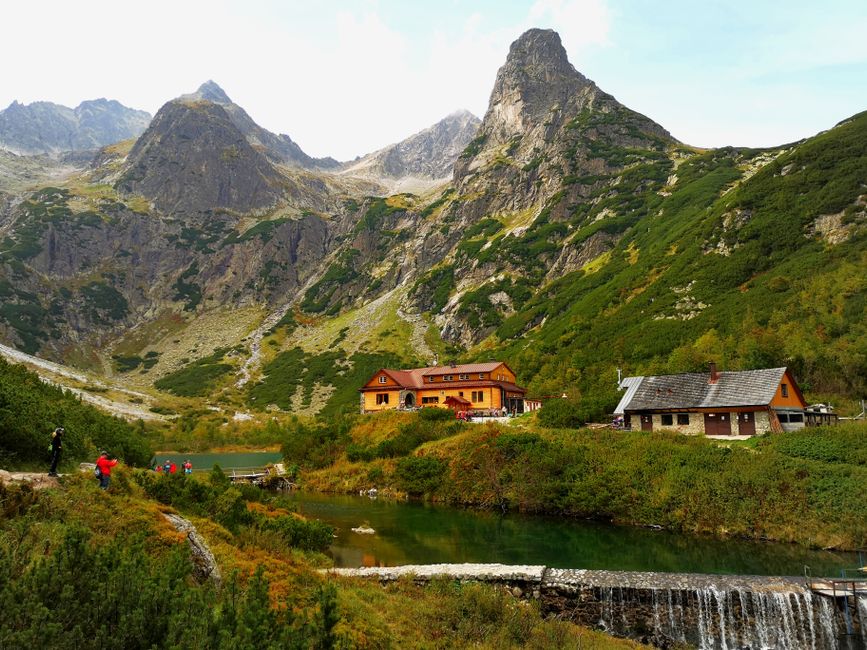
Heading inland from Lovina, you'll reach Munduk, a charming village nestled in the highlands. Munduk is a paradise for nature lovers, with its lush green hills, cascading waterfalls, and spice plantations. The air is fresh and cool, a welcome respite from the coastal heat.
Here are a few of the must-see waterfalls in Munduk:
- Munduk Waterfall (Red Coral Waterfall): This iconic waterfall is easily accessible and offers a stunning view. You can take a refreshing dip in the natural pool at the base of the falls.
- Melanting Waterfall: Tucked away in the jungle, Melanting Waterfall is a bit more challenging to reach but well worth the effort. The hike takes you through lush vegetation and offers glimpses of local life.
- Golden Valley Waterfall: This picturesque waterfall is located near a coffee plantation, making it a perfect stop for a coffee break.
Beyond waterfalls, Munduk is also a great base for hiking and trekking. You can explore the surrounding rice paddies, visit traditional Balinese villages, and learn about the local agriculture. Don't forget to try the local coffee and spices, which are known for their high quality.
What I love most about Munduk is its tranquility. It's a place where you can truly unwind and reconnect with nature. Imagine waking up to the sound of birds chirping, enjoying a cup of coffee on your veranda overlooking the mountains, and spending your days exploring the natural wonders of the area. It's a perfect escape from the hustle and bustle of modern life.
Singaraja: Historical Charm and Local Markets

Singaraja, the former capital of Bali, offers a glimpse into the island's rich history. Unlike the tourist hotspots in the south, Singaraja retains a strong sense of local culture and tradition. You can explore the Gedong Kirtya Library, which houses a collection of ancient Balinese manuscripts, visit the Buleleng Museum to learn about the region's history, and wander through the bustling Pasar Anyar market.
The market is a sensory overload in the best possible way! The vibrant colors, the exotic smells, and the lively atmosphere are a true feast for the senses. You can find everything from fresh produce and spices to traditional Balinese handicrafts and clothing. It's a great place to practice your bargaining skills and experience the daily life of the locals.
Singaraja is also home to several beautiful temples, including the Pura Beji Sangsit, known for its intricate carvings and elaborate decorations. Exploring these temples offers a fascinating insight into Balinese Hinduism and the island's spiritual beliefs.
While Singaraja may not be as visually stunning as some of the other destinations in northern Bali, its historical significance and cultural richness make it a worthwhile stop. It's a place where you can truly immerse yourself in the local way of life and gain a deeper understanding of Balinese culture.
Lake Buyan and Lake Tamblingan: Twin Lakes of Serenity

Nestled high in the mountains, Lake Buyan and Lake Tamblingan are twin lakes that offer breathtaking views and a sense of tranquility. These lakes are surrounded by lush forests and shrouded in mist, creating a mystical atmosphere. The area is relatively untouched by tourism, making it a perfect escape for those seeking solitude and natural beauty.
One of the best ways to experience these lakes is by hiking around their shores. The trails offer stunning panoramic views and lead you through dense forests and traditional Balinese villages. You can also rent a traditional canoe and paddle across the calm waters of the lakes.
Lake Tamblingan is particularly sacred to the local Balinese people. Several important temples are located on its shores, and the area is often used for religious ceremonies. Visiting these temples offers a glimpse into the spiritual significance of the lakes.
I remember visiting these lakes on a misty morning. The air was crisp and cool, and the silence was broken only by the sound of birds and the gentle lapping of the water against the shore. It was a truly magical experience, and I felt a deep sense of peace and connection with nature.
Pemuteran: Underwater Paradise and Conservation Efforts
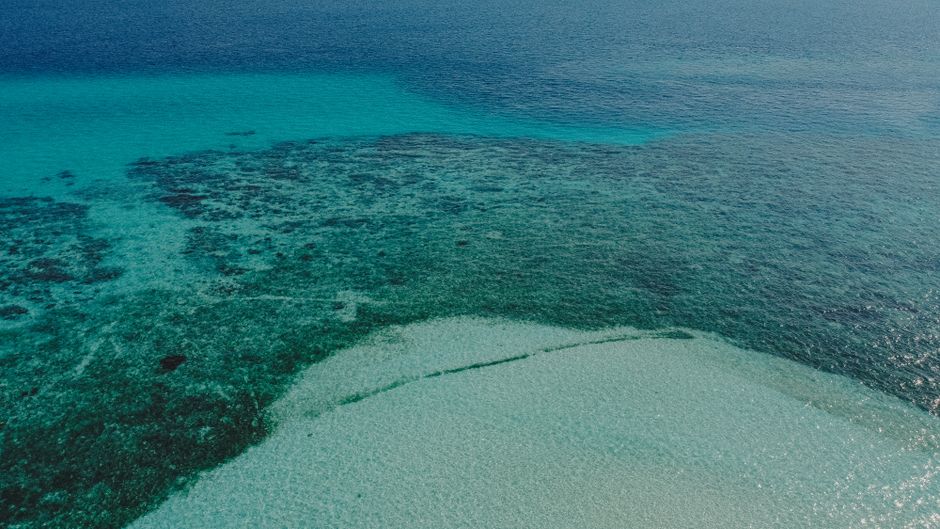
Pemuteran, located on the northwest coast of Bali, is a hidden gem known for its stunning underwater world and commitment to conservation. This quiet village offers some of the best diving and snorkeling in Bali, with vibrant coral reefs, abundant marine life, and crystal-clear waters.
The Bio-Rock project in Pemuteran is a testament to the community's dedication to preserving the marine environment. This innovative project uses low-voltage electricity to stimulate coral growth, creating artificial reefs that attract a wide variety of fish and other marine creatures. Snorkeling or diving around these Bio-Rock structures is an unforgettable experience.
Beyond the underwater wonders, Pemuteran also offers beautiful beaches, tranquil resorts, and a laid-back atmosphere. You can relax on the beach, enjoy a massage, or explore the nearby Pulaki Temple, which is home to a large population of monkeys.
Pemuteran is a place where you can truly escape the crowds and reconnect with nature. It's a haven for divers, snorkelers, and anyone who appreciates the beauty and tranquility of the underwater world. It's also a shining example of sustainable tourism and community-based conservation efforts.
West Bali National Park: Untamed Wilderness and Wildlife Encounters

For a truly off-the-beaten-path adventure, venture into West Bali National Park. This vast protected area encompasses a diverse range of ecosystems, from mangrove forests and savannahs to rainforests and coral reefs. The park is home to a wide variety of wildlife, including deer, monkeys, birds, and the endangered Bali Starling.
Exploring the park requires a permit and the assistance of a local guide. You can choose from a variety of hiking trails, ranging from easy nature walks to challenging treks through the rainforest. Keep an eye out for wildlife along the way, and be sure to bring binoculars and a camera.
The park also offers excellent opportunities for birdwatching. With over 160 species of birds, including the Bali Starling, it's a paradise for bird enthusiasts. You can also snorkel or dive in the park's protected waters, which boast pristine coral reefs and abundant marine life.
Visiting West Bali National Park is an unforgettable experience that allows you to witness the raw beauty and untamed wilderness of Bali. It's a place where you can truly disconnect from the modern world and reconnect with nature.
Experiencing Authentic Balinese Culture: Beyond the Tourist Traps

One of the most rewarding aspects of exploring northern Bali is the opportunity to experience authentic Balinese culture. Away from the tourist crowds, you can witness traditional ceremonies, interact with locals, and learn about their customs and beliefs.
Here are a few ways to immerse yourself in Balinese culture in the North:
- Attend a Local Ceremony: If you have the opportunity, attend a local ceremony. These ceremonies are an integral part of Balinese life and offer a fascinating glimpse into the island's spiritual traditions. Be respectful, dress appropriately, and ask permission before taking photos.
- Take a Cooking Class: Learn to prepare traditional Balinese dishes by taking a cooking class. This is a great way to learn about local ingredients and culinary techniques.
- Visit a Traditional Village: Explore a traditional Balinese village and learn about the local way of life. Many villages in the North still practice traditional crafts, such as weaving, woodcarving, and pottery.
- Learn a Few Basic Bahasa Indonesian Phrases: Even a few basic phrases will go a long way in building connections with locals and showing your respect for their culture.
Remember, the key to experiencing authentic Balinese culture is to be respectful, open-minded, and willing to step outside of your comfort zone. Engage with the locals, ask questions, and show a genuine interest in their way of life. You'll be amazed by the warmth and hospitality you encounter.
Accommodation in the North: From Budget Guesthouses to Boutique Hotels

The North of Bali offers a wide range of accommodation options to suit every budget and preference. From budget-friendly guesthouses to luxurious boutique hotels, you'll find something that meets your needs.
Here are a few tips for finding the perfect accommodation in the North:
- Book in Advance, Especially During Peak Season: While the North is less crowded than the South, it's still a good idea to book your accommodation in advance, especially if you're traveling during peak season.
- Read Reviews: Before booking, read reviews from other travelers to get an idea of the quality and service of the accommodation.
- Consider the Location: Choose accommodation that is conveniently located for the activities you want to do. If you're planning on exploring the waterfalls in Munduk, for example, look for accommodation in or near Munduk village.
- Look for Eco-Friendly Options: Support sustainable tourism by choosing accommodation that is committed to environmentally friendly practices.
I've stayed in everything from basic guesthouses to charming boutique hotels in the North, and I've always found the accommodation to be clean, comfortable, and reasonably priced. The hosts are often incredibly friendly and helpful, and they can provide valuable insights into the local area.
Food in Northern Bali: A Culinary Adventure

Northern Bali offers a diverse and delicious culinary scene, with a focus on fresh, local ingredients. From traditional Balinese dishes to international cuisine, you'll find something to satisfy your taste buds.
Here are a few must-try dishes in Northern Bali:
- Lawar: A traditional Balinese dish made with minced meat, vegetables, and grated coconut, seasoned with a blend of spices.
- Sate Lilit: Minced meat satay, marinated in spices and grilled over charcoal.
- Pepes Ikan: Fish marinated in spices and wrapped in banana leaves, then steamed or grilled.
- Gado-Gado: A traditional Indonesian salad with boiled vegetables, tofu, tempeh, and peanut sauce.
Don't be afraid to try the local warungs (small family-run restaurants). These warungs offer authentic Balinese food at affordable prices. You can also find a variety of international restaurants in areas like Lovina and Pemuteran.
I love exploring the local markets in the North, where you can find a wide variety of fresh produce, spices, and street food. It's a great way to experience the local culinary culture and try new and interesting flavors.
Responsible Travel in Northern Bali: Respecting the Culture and Environment
As tourism in Northern Bali continues to grow, it's important to travel responsibly and minimize your impact on the environment and the local culture.
Here are a few tips for responsible travel in Northern Bali:
- Respect Local Customs and Traditions: Dress modestly when visiting temples and other sacred sites. Ask permission before taking photos of people. Learn a few basic Bahasa Indonesian phrases.
- Support Local Businesses: Shop at local markets, eat at local warungs, and hire local guides. This helps to support the local economy and ensures that tourism benefits the community.
- Reduce Your Waste: Avoid using single-use plastics. Bring your own reusable water bottle, shopping bag, and toiletries. Dispose of your trash responsibly.
- Conserve Water and Energy: Be mindful of your water and energy consumption. Turn off lights and air conditioning when you're not in your room. Take shorter showers.
- Respect Wildlife: Do not feed or disturb wildlife. Choose tour operators who prioritize animal welfare.
By traveling responsibly, you can help to preserve the beauty and authenticity of Northern Bali for future generations.
My Final Thoughts: Why Northern Bali Stole My Heart

Exploring Northern Bali was an incredible journey of discovery. It was a chance to escape the crowds, connect with nature, and immerse myself in authentic Balinese culture. The stunning landscapes, the warm hospitality of the locals, and the sense of tranquility all left a lasting impression on me.
If you're looking for a different kind of Bali experience, I highly recommend venturing north. You won't be disappointed. It's a slower pace, it's more authentic, and it allows you to see a side of Bali that many tourists miss. It's a Bali that will stay with you long after you've left.
So, pack your bags, rent a scooter (or hire a driver), and get ready to explore the hidden gems of Northern Bali. You might just find that it steals your heart, too.
Post a Comment