Exploring Ubud's Markets: A Sensory Journey Through Bali's Cultural Heart

Exploring Ubud's Markets: A Sensory Journey Through Bali's Cultural Heart
Oh, Ubud! Just the name conjures images of lush rice paddies, ancient temples, and vibrant Balinese culture. But for me, no trip to Ubud is complete without diving headfirst into its bustling markets. They're not just places to shop; they're a total immersion experience – a feast for the senses, a chance to haggle like a local, and a window into the heart and soul of Bali.
Discovering the Allure of Ubud's Markets
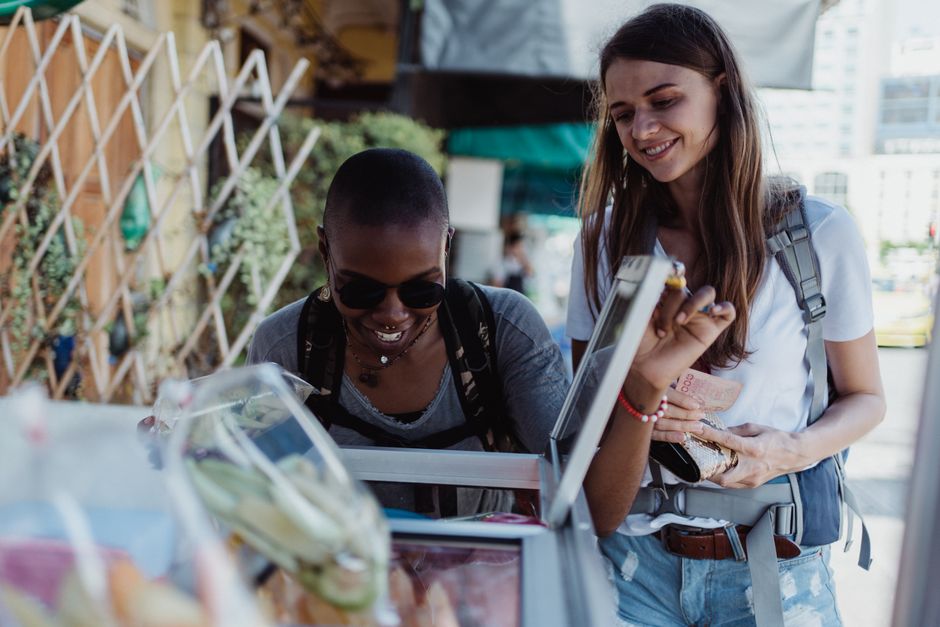
Forget sterile shopping malls. Ubud's markets are chaotic, colorful, and utterly captivating. They're where you'll find everything from fragrant spices and exotic fruits to handcrafted souvenirs and traditional clothing. The air is thick with the scent of incense, frangipani, and freshly brewed coffee. The sounds are a symphony of vendors calling out their wares, motorbikes whizzing by, and the chatter of locals and tourists alike.
For me, the real magic lies in the interactions. Smiling faces, friendly banter, and the thrill of negotiating a good price – it's all part of the Ubud market experience. It's a chance to connect with the local community, learn about their traditions, and bring home a piece of Bali that's truly special.
Navigating Ubud's Main Market: Pasar Seni Ubud
Pasar Seni Ubud, also known as Ubud Art Market, is the granddaddy of all markets in Ubud. It's the one you've probably seen in photos, the one featured in "Eat, Pray, Love," and the one that's absolutely worth exploring, despite the crowds. But before you jump in, let me give you a few pointers based on my own (sometimes humorous) experiences.
First things first: go early! Trust me on this one. The market opens around 6:00 AM, and by 9:00 AM, it's already packed with tourists. Arriving early allows you to wander at a more leisurely pace, avoid the midday heat, and have a better chance of scoring some great deals.
The market is divided into sections. On the ground floor, you'll find mainly handicrafts, souvenirs, and clothing. Upstairs, there are more textiles, paintings, and wood carvings. Take your time to explore each section and don't be afraid to get lost in the labyrinthine alleys.
Now, let's talk about haggling. It's an expected part of the market culture, so embrace it! But do it respectfully. Start by offering about half the asking price and work your way up. A smile and a friendly attitude go a long way. Remember, these vendors are trying to make a living, so don't try to squeeze them too hard. I usually aim for a price that's somewhere between 50-70% of the initial offer. Sometimes, just walking away can prompt a lower offer!
Here are some of the things you can expect to find at Pasar Seni Ubud:
- Wood carvings: From intricate statues of Hindu gods to playful animal figurines, the wood carvings are a true testament to Balinese craftsmanship.
- Batik clothing: Batik is a traditional Indonesian textile art form, and you'll find a wide array of batik clothing, scarves, and bags at the market. Look for unique patterns and vibrant colors.
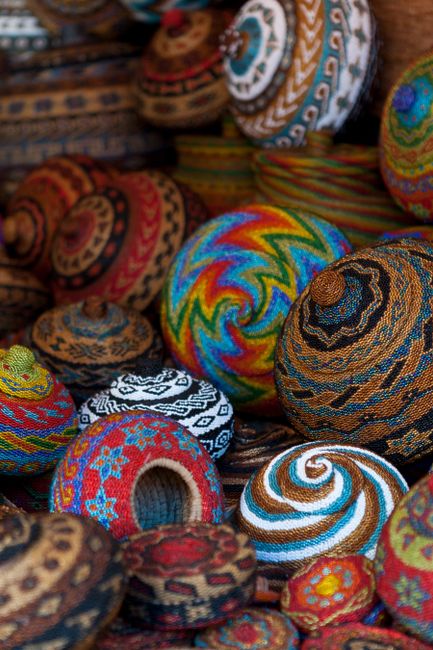
- Handwoven baskets and bags: These are perfect for carrying your souvenirs or using as stylish accessories.
- Paintings: From traditional Balinese scenes to modern abstract art, you'll find a wide range of paintings to suit every taste.
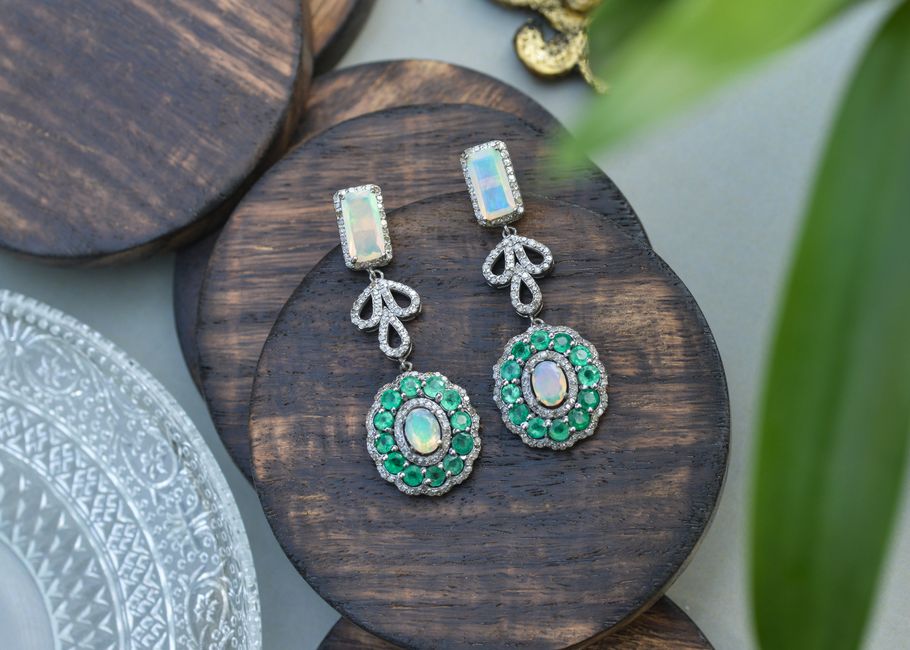
- Jewelry: Silver jewelry, often adorned with intricate carvings and gemstones, is a popular souvenir.
- Incense and essential oils: Bring the scents of Bali home with you.
- Sarongs: Essential for visiting temples, sarongs are also beautiful and versatile pieces of clothing.
My personal tip: Don't be afraid to venture off the main aisles. Some of the best finds are hidden away in the smaller, less crowded stalls. And always remember to check the quality of the items before you buy them. Look for well-made items with no obvious flaws.
Beyond the Art Market: Discovering Ubud's Other Market Gems
While Pasar Seni Ubud is the most famous, it's not the only market worth exploring in Ubud. In fact, some of my favorite market experiences have been at the smaller, less touristy markets. These are where you can truly immerse yourself in local life and find some unique treasures.
Ubud Morning Market (Pasar Ubud)

Located right next to Pasar Seni Ubud, the Ubud Morning Market (also known as Pasar Ubud) is a completely different experience. This is where the locals come to buy their fresh produce, meat, and household goods. It's a vibrant and chaotic scene, especially in the early morning.
The air is filled with the aroma of spices, fruits, and freshly cooked food. You'll see vendors selling everything from exotic fruits like mangosteen and rambutan to local vegetables like snake beans and water spinach. It's a fantastic place to sample some local delicacies and learn about Balinese cuisine.
Here are some things you might find:
- Fresh fruits and vegetables: A rainbow of colors and flavors awaits! Don't be afraid to try something new.
- Spices: Stock up on Balinese spices like turmeric, ginger, and galangal.
- Traditional cakes and snacks: Try jajanan pasar, a variety of sweet and savory treats.
- Flowers and offerings: See the intricate offerings that Balinese people make to their gods.
- Meat and fish: A more intense section of the market, but fascinating to observe.
My tip: Bring your camera, but be respectful when taking photos. Ask for permission before photographing people, and be mindful of the busy environment.
Gianyar Night Market: A Culinary Adventure

Just a short drive from Ubud, in the town of Gianyar, lies the Gianyar Night Market (Pasar Malam Gianyar). This is a must-visit for food lovers! The market comes alive in the evening, with vendors setting up stalls selling a wide variety of Indonesian dishes.
From sate lilit (minced meat satay) to babi guling (suckling pig), you'll find something to tantalize your taste buds. The prices are incredibly affordable, and the atmosphere is lively and fun. It's a great place to try a variety of dishes without breaking the bank.
Some must-try dishes include:
- Babi Guling: Bali's famous roast pig, with crispy skin and tender meat.
- Sate Lilit: Minced meat satay, seasoned with Balinese spices.
- Nasi Goreng: Fried rice, a staple Indonesian dish.
- Mie Goreng: Fried noodles, similar to nasi goreng.
- Martabak: A sweet or savory pancake-like dish.
- Es Campur: A refreshing shaved ice dessert with fruit and syrup.
My tip: Go with an empty stomach! And don't be afraid to try dishes that you've never heard of before. That's part of the adventure!
Sukawati Art Market: A Treasure Trove of Souvenirs
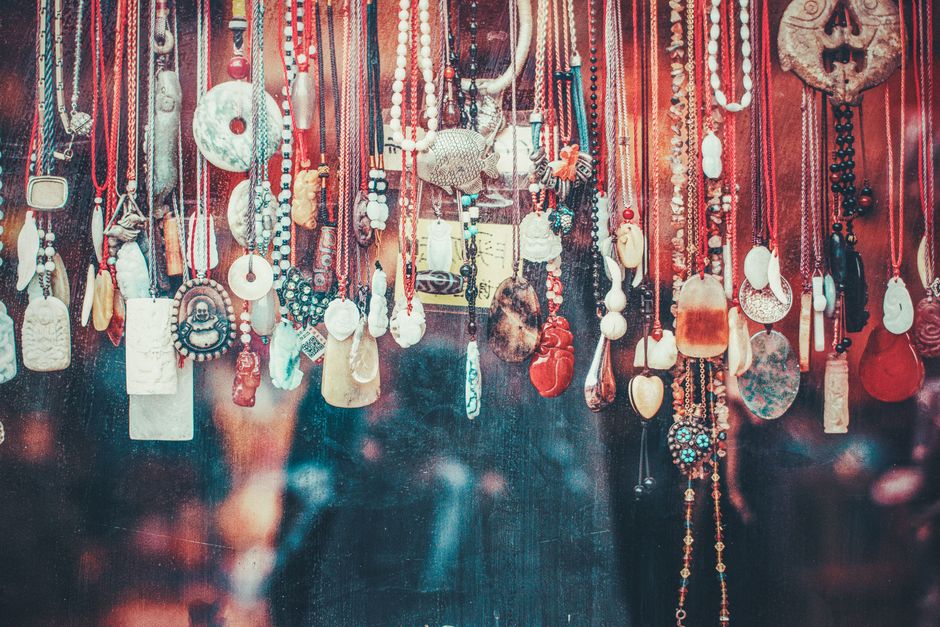
Sukawati Art Market is located a bit further away from Ubud, but it's worth the trip if you're looking for a wide selection of souvenirs at bargain prices. This market is popular with both locals and tourists, and it's a great place to find everything from wood carvings and paintings to clothing and jewelry.
The prices at Sukawati are generally lower than at Pasar Seni Ubud, but the quality can vary. Be sure to inspect the items carefully before you buy them, and don't be afraid to haggle. This is where you can really put your bargaining skills to the test!
My tip: This market can get very crowded, especially on weekends. Try to visit on a weekday morning for a less hectic experience.
Essential Tips for a Successful Market Adventure

To make the most of your market experience in Ubud, here are a few extra tips:
- Wear comfortable shoes: You'll be doing a lot of walking!
- Bring cash: Most vendors don't accept credit cards. Smaller denominations are best for haggling.
- Stay hydrated: Bring a water bottle and stay hydrated, especially if you're visiting during the hotter hours of the day.
- Be aware of your belongings: Keep your valuables safe and be aware of your surroundings.
- Learn a few basic Indonesian phrases: Knowing a few phrases like "Selamat pagi" (good morning) and "Terima kasih" (thank you) can go a long way.
- Be respectful: Remember that you're a guest in Bali, so be respectful of the local culture and customs.
- Have fun! Embrace the chaos, soak up the atmosphere, and enjoy the experience.
Exploring Ubud's markets is more than just shopping; it's about connecting with the culture, meeting the people, and experiencing the true essence of Bali. It's a sensory overload in the best possible way, and it's an experience I highly recommend to anyone visiting this magical island. So, grab your bargaining hat, put on your comfortable shoes, and get ready for an unforgettable adventure!
I hope this guide has given you some inspiration and practical advice for exploring Ubud's markets. Happy shopping!
Post a Comment