Learning Balinese in Ubud: Your Essential Phrasebook for an Enchanting Trip

Learning Balinese in Ubud: Your Essential Phrasebook for an Enchanting Trip
Hey there, fellow travel enthusiast! Planning a trip to Ubud, Bali? Oh, you are in for a treat! Ubud is like stepping into a living postcard, filled with lush rice paddies, ancient temples, and a vibrant culture that'll steal your heart. But trust me, your experience will be ten times richer if you make an effort to learn a few basic Balinese phrases. It's not just about being polite (though that's a big part of it!); it's about connecting with the locals on a deeper level and showing genuine respect for their heritage. I remember my first trip to Ubud – I knew absolutely zero Balinese. I relied solely on English and felt like I was missing something. On my second trip, I made a conscious effort to learn a few phrases, and the difference was night and day! People were so much warmer, more welcoming, and eager to share their culture with me. So, let's dive in and get you equipped with the essential Balinese phrases that will make your Ubud adventure unforgettable.
Why Bother Learning Balinese in Ubud?

Okay, I get it. English is widely spoken in Ubud, especially in tourist areas. So, why should you bother learning even a few Balinese phrases? Well, here's my take on it:
1. Respect and Connection: Learning even a simple "Matur Suksma" (thank you) shows the Balinese people that you respect their culture and are making an effort to connect with them on their terms. It's a sign of goodwill that goes a long way. It breaks down the barrier of being "just another tourist."
2. Enhanced Interactions: Imagine being able to greet your homestay host in Balinese or order your Nasi Goreng with a "nggih" (yes) and a smile. These small interactions will make your experience so much more authentic and memorable. You'll feel like you're participating in the culture, not just observing it.
3. Deeper Cultural Immersion: Language is a window into a culture. By learning even a few basic phrases, you'll start to understand the nuances of Balinese culture, its values, and its worldview. You might even pick up on some interesting cultural insights that you wouldn't have otherwise noticed.
4. Better Prices (Sometimes!): While not always guaranteed, showing that you're not just a typical tourist can sometimes lead to better prices at local markets or warungs (small restaurants). It's seen as a sign of respect, and vendors might be more willing to offer you a fair price.
5. It's Fun! Let's be honest, learning a new language is fun! It's a great way to challenge yourself, expand your horizons, and impress your friends back home. Plus, you'll have a unique conversation starter when you meet new people in Ubud.
The Basics: Greetings and Polite Phrases

These are the absolute essentials! These phrases will be your bread and butter when interacting with locals in Ubud. Mastering these will instantly make a positive impression.
1. Om Swastiastu (Ohm Swas-tee-astu): This is the most common greeting in Bali. It's a traditional Hindu greeting that means "May peace be with you." Use it when you meet someone, enter a shop, or pass someone on the street. It's always appreciated.
2. Rahajeng Semeng (Rah-hah-jeng Seh-meng): Good morning. Use this from sunrise until around noon.
3. Rahajeng Tengai (Rah-hah-jeng Ten-guy): Good afternoon. Use this from noon until around 3 PM.
4. Rahajeng Wengi (Rah-hah-jeng Weng-ee): Good evening. Use this from 3 PM onwards.
5. Matur Suksma (Mah-toor Suk-sma): Thank you. This is probably the most important phrase you'll learn. Use it often! It shows gratitude and appreciation.
6. Suksma Mewali (Suk-sma Meh-wah-lee): You're welcome. This is the standard response to "Matur Suksma."
7. Nggih (Ng-gih): Yes. Pronounced with a soft "g" sound, almost like "nyih."
8. Ten (Ten): No. Straightforward and easy to remember.
9. Ampura (Am-poo-rah): Excuse me / I'm sorry. Use this to get someone's attention politely or to apologize for something.
10. Punapi Gatra? (Poo-nah-pee Gah-trah?): How are you? A more formal way to ask someone how they are.
11. Becik-becik (Beh-chik-beh-chik): I'm fine. The standard response to "Punapi Gatra?"
Essential Phrases for Shopping and Dining
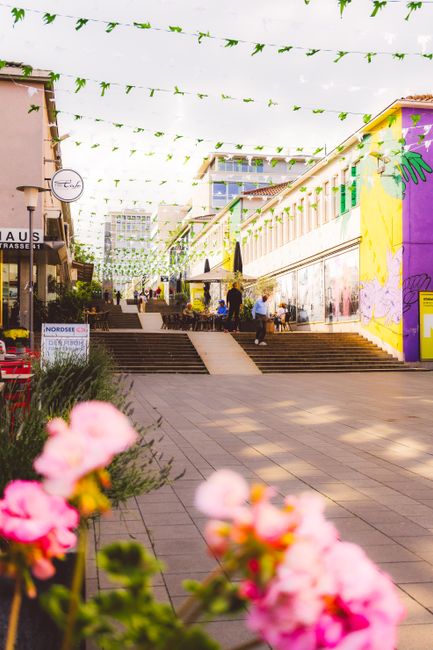
Ubud is a shopper's paradise and a foodie's dream! These phrases will help you navigate the markets, haggle for souvenirs, and order delicious Balinese cuisine with confidence.
1. Berapa Harga Niki? (Beh-rah-pah Har-gah Nee-kee?): How much is this? This is crucial for bargaining at the markets. Point to the item you're interested in and ask this question.
2. Mahal (Mah-hal): Expensive. Use this (politely!) when you think the price is too high. It's a good starting point for negotiating.
3. Murah (Moo-rah): Cheap. You probably won't need to use this, but it's good to know!
4. Bisa Kurang? (Bee-sah Koo-rang?): Can you lower the price? This is the key to haggling. Be polite and smile!
5. Inggih, Dados (Ing-gih, Dah-dos): Yes, okay. Use this to accept the final price after bargaining.
6. Tiang Nunas… (Tee-ang Noo-nas…): I would like… Use this when ordering food or drinks. For example, "Tiang nunas Nasi Goreng" (I would like Nasi Goreng).
7. Nasi Goreng (Nah-see Goh-reng): Fried rice. A classic Indonesian dish.
8. Mie Goreng (Mee Goh-reng): Fried noodles. Another Indonesian staple.
9. Gado-Gado (Gah-doh Gah-doh): Indonesian salad with peanut sauce. A delicious and healthy option.
10. Air (Ah-eer): Water.
11. Kopi (Koh-pee): Coffee.
12. Teh (Teh): Tea.
13. Pedas (Peh-das): Spicy. Use this if you like your food spicy.
14. Tan Pedas (Tan Peh-das): Not spicy. Use this if you don't like spicy food.
15. Enak (Eh-nak): Delicious. Complimenting the food is always appreciated.
16. Tiang kenyang (Tee-ang Ken-nyang): I'm full.
Asking for Directions and Getting Around
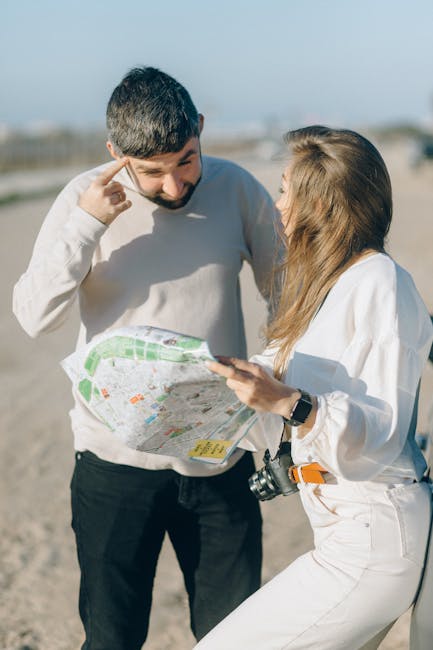
Ubud can be a bit of a maze, especially if you venture off the main streets. These phrases will help you find your way around and ask for directions.
1. Dumun (Doo-moon): Please/Excuse me. Use this to politely get someone's attention before asking a question.
2. Ring Dija…? (Ring Dee-jah…?): Where is…? Use this to ask for directions to a specific place. For example, "Ring dija Ubud Market?" (Where is Ubud Market?).
3. Jalan… (Jah-lan…): Street/Road. For example, "Jalan Monkey Forest" (Monkey Forest Road).
4. Kajaja (Kah-jah-jah): Towards the mountain/inland. This is a useful term to understand general directions.
5. Kelod (Keh-lod): Towards the sea/downwards. Another useful term for understanding directions.
6. Kanan (Kah-nan): Right.
7. Kiri (Kee-ree): Left.
8. Lurus (Loo-rus): Straight.
9. Dekat (Deh-kat): Near.
10. Jauh (Jah-uh): Far.
11. Taksi (Tak-see): Taxi.
12. Bemo (Beh-moh): Local minibus.
13. Tiang Kaje… (Tee-ang Kah-je…): I want to go to… For example, "Tiang kaje Ubud Palace" (I want to go to Ubud Palace). This is useful when negotiating a ride with a taxi or bemo driver.
Phrases for Accommodation and Services

Whether you're staying in a cozy homestay or a luxurious villa, these phrases will come in handy when dealing with your accommodation and other services.
1. Wastan Tiang… (Was-tan Tee-ang…): My name is… Use this when checking in or making a reservation.
2. Tiang Pesan Kamar (Tee-ang Peh-san Kah-mar): I have a reservation. Use this when checking in to your hotel or homestay.
3. Kamar (Kah-mar): Room.
4. Sapunapi Wiadin Wiakti (Sah-poo-nah-pee Wee-ah-din Wee-ak-tee): How much does it cost? Use this when inquiring about services like laundry or massages.
5. Tiang Meled… (Tee-ang Meh-led…): I want… For example, "Tiang meled laundry" (I want laundry service).
6. Laundry (Lon-dree): Laundry.
7. Massage (Mah-sahzh): Massage.
8. Yening Dados (Yeh-ning Dah-dos): If possible. Use this to politely make a request. For example, "Yening dados, tiang meled kamar sareng AC" (If possible, I want a room with AC).
9. AC (Ah-seh): Air conditioning.
10. Panas (Pah-nas): Hot.
11. Dingin (Dee-ngin): Cold.
12. Becik (Beh-chik): Good/Okay. Use this to express satisfaction with a service.
Emergency Phrases (Hopefully You Won't Need These!)

It's always good to be prepared, even if you hope you'll never need to use these phrases. Knowing a few basic emergency phrases can be crucial in case of an accident or other unexpected situation.
1. Tulung! (Too-loong!): Help!
2. Wese (Weh-seh): Toilet/Bathroom.
3. Tiang sakit (Tee-ang Sah-kit): I'm sick.
4. Tiang terluka (Tee-ang Ter-loo-kah): I'm injured.
5. Dokter (Dok-ter): Doctor.
6. Rumah Sakit (Roo-mah Sah-kit): Hospital.
7. Polisi (Poh-lee-see): Police.
Beyond Phrases: Understanding Balinese Culture

Learning a few phrases is a great start, but understanding some basic cultural norms will further enhance your interactions with the Balinese people. Here are a few key things to keep in mind:
1. Respect for Elders: Balinese culture places a strong emphasis on respecting elders. Address older people with respect and listen to their advice. Using formal Balinese when speaking to elders is particularly appreciated, but even showing general respect through your demeanor goes a long way.
2. The Right Hand: Always use your right hand when giving or receiving something, especially when interacting with older people or in formal settings. The left hand is considered unclean.
3. Dress Modestly: When visiting temples or other sacred sites, dress modestly. Cover your shoulders and knees. Sarongs and sashes are often provided at the entrance of temples.
4. Don't Point with Your Feet: Pointing with your feet is considered rude. Avoid pointing your feet at people, especially when sitting down.
5. Bargaining Etiquette: Bargaining is common in markets, but do it politely and with a smile. Don't try to drive the price down too much, and remember that a small amount of money can make a big difference to a local vendor.
6. Be Mindful of Offerings: You'll see small offerings (canang sari) placed throughout Ubud. Be careful not to step on them. They are sacred and represent a connection to the spirits.
Tips for Learning and Practicing Balinese

Okay, so you've got a list of phrases. Now, how do you actually learn and remember them? Here are a few tips that have worked for me:
1. Start Small: Don't try to learn everything at once. Focus on the most essential phrases first and gradually add more as you become more comfortable.
2. Use Flashcards: Flashcards are a great way to memorize vocabulary. Write the Balinese phrase on one side and the English translation on the other.
3. Use Language Learning Apps: There are several language learning apps that can help you learn basic Balinese phrases. While comprehensive Balinese courses can be hard to find, apps that focus on Indonesian (Bahasa Indonesia) will still be beneficial, as there is a significant overlap in vocabulary and grammar.
4. Practice with Locals: The best way to learn is to practice with native speakers. Don't be afraid to strike up conversations with locals and try out your new phrases. They'll appreciate your effort, even if you make mistakes.
5. Listen to Balinese Music and Watch Balinese Movies: Immersing yourself in the language and culture will help you learn more quickly and effectively. Even just having Balinese music playing in the background can help you get used to the sounds of the language.
6. Write Down New Words and Phrases: Keep a notebook with you and write down any new words or phrases you hear. Review your notes regularly.
7. Don't Be Afraid to Make Mistakes: Everyone makes mistakes when learning a new language. Don't let the fear of making mistakes hold you back. Just keep practicing, and you'll gradually improve.
8. Be Patient: Learning a new language takes time and effort. Don't get discouraged if you don't see results immediately. Just keep practicing, and you'll eventually reach your goals.
A Little Grammar Snippet

Balinese grammar is simpler than many European languages, which is great news! Here are two key concepts:
1. Word Order: Balinese generally follows a Subject-Verb-Object (SVO) word order, similar to English. For example, "Tiang nunas Nasi Goreng" (I want fried rice) is SVO.
2. No Verb Conjugation: Verbs don't change based on tense or person. The context of the sentence usually indicates the tense. This makes things a lot easier!
Balinese vs. Bahasa Indonesia
You might be wondering, "Should I learn Balinese or Bahasa Indonesia?" Both are useful in Bali, but there are some key differences.
Bahasa Indonesia: This is the national language of Indonesia and is widely spoken throughout the country, including Bali. Learning Bahasa Indonesia will allow you to communicate with a broader range of people.
Balinese: This is the local language of Bali and is primarily spoken on the island. While many Balinese people also speak Bahasa Indonesia, learning Balinese shows a deeper respect for their culture and can lead to more meaningful interactions.
My Recommendation: If you're only visiting Bali, learning a few basic Balinese phrases is a great way to enhance your experience. If you plan to travel more widely in Indonesia, learning Bahasa Indonesia is a more practical choice. Ideally, learning a little of both is the best option!
Resources for Learning Balinese

Here are some resources that can help you on your Balinese language learning journey:
1. Online Language Courses: While dedicated Balinese courses are rarer, look for introductory Indonesian courses online. Many of the vocabulary and basic grammar rules are transferrable. YouTube can also be a great resource for free lessons.
2. Phrasebooks: A good Balinese phrasebook is an essential tool for travelers. Look for one that includes pronunciation guides and cultural notes.
3. Language Exchange Partners: Find a Balinese language partner online or in person and practice speaking with them. This is a great way to improve your pronunciation and fluency.
4. Local Language Schools: If you're planning to stay in Ubud for a longer period, consider taking a Balinese language course at a local language school.
5. Mobile Apps: As mentioned before, Indonesian language learning apps can provide a foundation in vocabulary and basic grammar that will be helpful in learning Balinese.
Final Thoughts

Learning even a few basic Balinese phrases can make a huge difference in your Ubud experience. It's a sign of respect, a way to connect with the locals, and a gateway to a deeper understanding of Balinese culture. So, don't be shy! Start practicing those phrases, embrace the local culture, and get ready for an unforgettable adventure in Ubud. Remember, "Matur Suksma" goes a long way!
Post a Comment