Monkey Forest Ubud: A Playful Encounter with Bali's Mischievous Inhabitants

Monkey Forest Ubud: A Playful Encounter with Bali's Mischievous Inhabitants
Have you ever dreamed of stepping into a real-life jungle, surrounded by ancient trees and playful creatures? That's exactly what awaits you at the Sacred Monkey Forest Sanctuary, often simply called Monkey Forest Ubud, in Bali. I've been lucky enough to visit this magical place several times, and each visit is a completely unique and unforgettable experience. Let me share some of my adventures and tips so you can prepare for your own playful encounter!
What Makes Monkey Forest Ubud So Special?
It's more than just monkeys, trust me! Monkey Forest Ubud is a complex and fascinating ecosystem blending nature, spirituality, and Balinese culture. Here's what makes it stand out:
A Sacred Sanctuary: First and foremost, it's a sacred site. Three Hindu temples, dating back to the 14th century, are nestled within the forest, offering a glimpse into Bali's rich spiritual heritage. You can wander among the temples (though some areas are off-limits to visitors) and feel the palpable sense of reverence. The monkeys are considered sacred guardians of these temples, adding another layer of significance to their presence.
Lush and Verdant Forest: Forget any preconceived notions of a dry, dusty monkey habitat. This is a true rainforest! Towering trees, cascading vines, and a meandering stream create a breathtakingly beautiful landscape. The air is thick with humidity and the sounds of the jungle, creating a truly immersive experience. The coolness of the shaded forest offers a welcome respite from the Balinese heat.
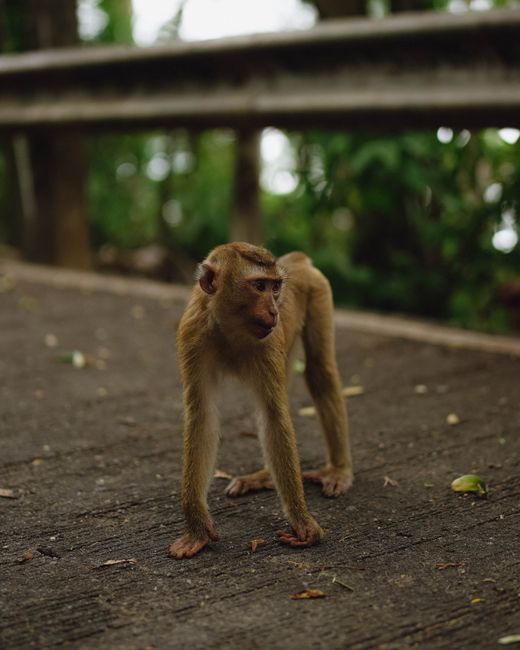
The Long-Tailed Macaques: Of course, the stars of the show are the Balinese long-tailed macaques. These cheeky primates are incredibly entertaining, and watching their social interactions is fascinating. They groom each other, play, squabble, and generally go about their monkey business, oblivious to the cameras clicking around them. But remember, they are wild animals, and it's crucial to respect their space.
Conservation Efforts: The Monkey Forest isn't just a tourist attraction; it's also a research and conservation center. Scientists study the monkeys' behavior, health, and social dynamics, contributing to our understanding of primates and informing conservation strategies. The forest also plays a vital role in preserving local plant species and maintaining the ecological balance of the area.
Planning Your Visit: Tips for a Smooth Monkey Encounter

Okay, so you're convinced you need to visit! Here's how to make the most of your experience:
- Timing is Key:
Early morning (around 8:30-9:00 AM) or late afternoon (after 3:00 PM) are generally the best times to visit. The crowds are smaller, and the monkeys are often more active as they're either waking up or preparing for their evening rest. Midday can be scorching hot and packed with tourists, making it less enjoyable.
- What to Wear (and What NOT to Wear):
Comfortable shoes are a must, as you'll be doing a lot of walking on uneven paths. Lightweight, breathable clothing is also recommended. Leave your valuables at your hotel! Avoid wearing dangling earrings, necklaces, or anything else that might attract the monkeys' attention. They are known to be curious (and occasionally grabby!). I once saw a monkey successfully steal a pair of sunglasses right off someone's head!
- Respect the Rules (and the Monkeys!):
This is the most important part! The Monkey Forest has a set of rules designed to protect both visitors and the monkeys. Read and adhere to these rules carefully. Never feed the monkeys! This disrupts their natural diet and can make them aggressive. Don't make direct eye contact, as this can be interpreted as a threat. Avoid sudden movements or loud noises, which can startle them. And most importantly, respect their space. If a monkey approaches you, simply stand still and let it move on.
- Bring the Essentials:
Sunscreen, insect repellent, and a hat are essential for protecting yourself from the sun and bugs. A bottle of water is also a good idea, especially if you're visiting during the hotter months. And of course, don't forget your camera! (But keep it secure!).
- Consider Hiring a Guide:
While it's easy to explore the Monkey Forest on your own, hiring a local guide can enhance your experience. They can provide valuable insights into the monkeys' behavior, the history of the temples, and the local culture. They can also help you navigate the crowds and avoid any potential monkey-related mishaps.
My Personal Monkey Forest Adventures (and Mishaps!)

Over the years, I've had my fair share of memorable (and sometimes slightly embarrassing) moments in the Monkey Forest. Let me share a few:
The Great Banana Heist: During my first visit, I foolishly brought a small bag of bananas, thinking I could "observe" the monkeys enjoying them from a distance. Big mistake! As soon as I entered the forest, I was immediately surrounded by a troop of monkeys, all vying for my attention (and my bananas). One particularly bold monkey jumped onto my shoulder and snatched the bag right out of my hand! Lesson learned: leave the food behind!
The Curious Case of the Sunglasses: As I mentioned earlier, I witnessed a monkey meticulously unclip a pair of sunglasses from a tourist's head and then proceed to try (and fail) to eat them. It was both hilarious and a stark reminder of how opportunistic these creatures can be.
A Moment of Connection: On a more serene note, I once sat quietly on a bench, observing a mother monkey grooming her baby. The tender interaction was incredibly touching, and it reminded me of the deep connection that exists between all living beings. These moments, when you witness the monkeys in their natural environment, are truly special.
The Temple Encounter: Exploring the ancient temples within the forest is a highlight. The moss-covered stone carvings and the serene atmosphere create a sense of tranquility. Just be mindful of the monkeys that inhabit these sacred spaces and avoid disturbing their rituals.
Understanding Monkey Behavior: Dos and Don'ts

To ensure a safe and enjoyable experience, it's crucial to understand a bit about monkey behavior:
- Dominance Hierarchy: Monkeys live in social groups with a clear dominance hierarchy. You'll often see larger, more confident monkeys asserting their dominance over smaller, more submissive ones. Avoid interfering in these social interactions.
- Communication: Monkeys communicate through a variety of vocalizations, facial expressions, and body language. Pay attention to their signals and avoid misinterpreting their intentions. For example, bared teeth are often a sign of aggression, not a smile!
- Food Aggression: As I learned the hard way, monkeys are highly motivated by food. They will often approach humans in the hope of getting a handout. However, feeding them is detrimental to their health and can make them aggressive.
- Baby Monkeys: Mother monkeys are fiercely protective of their young. Avoid getting too close to baby monkeys, as this can provoke a defensive response from the mother.
- Respectful Distance: Always maintain a respectful distance from the monkeys. Give them plenty of space to move around freely. Don't try to touch them or pick them up, as this can be interpreted as a threat.
Beyond the Monkeys: Discovering the Forest's Hidden Gems

While the monkeys are undoubtedly the main attraction, the Monkey Forest has much more to offer:
- The Holy Spring: Seek out the holy spring, believed to have purifying powers. You might even see locals performing traditional rituals here.
- The Ancient Banyan Trees: Marvel at the massive banyan trees, with their sprawling roots and intricate branches. These trees are hundreds of years old and provide a vital habitat for the monkeys and other wildlife.
- The Walking Paths: Explore the network of winding walking paths that crisscross the forest. These paths offer stunning views of the surrounding jungle and provide opportunities to spot other wildlife, such as birds and butterflies.
- The Research Center: If you're interested in learning more about the monkeys and the forest's conservation efforts, consider visiting the research center. Here, you can find information about the ongoing research projects and learn about the challenges facing the monkey population.
Ethical Considerations: Responsible Tourism in the Monkey Forest
It's important to be a responsible tourist when visiting the Monkey Forest. Here are a few ethical considerations to keep in mind:
- Support Local Businesses: Patronize local restaurants and shops around the Monkey Forest. This helps to support the local economy and ensures that the benefits of tourism are shared with the community.
- Respect Local Customs: Dress modestly when visiting the temples and be mindful of local customs and traditions.
- Minimize Your Environmental Impact: Avoid littering and dispose of your waste properly. Use reusable water bottles and shopping bags to reduce your plastic consumption.
- Choose Responsible Tour Operators: Select tour operators who prioritize the welfare of the monkeys and the environment.
- Educate Yourself: Learn as much as you can about the monkeys and the forest before your visit. This will help you to appreciate the importance of conservation and responsible tourism.
Getting There and Around: Practical Information

The Monkey Forest is located in the heart of Ubud, making it easily accessible from most parts of Bali. Here's some practical information to help you plan your trip:
Transportation:
- Taxi or Private Car: Hiring a taxi or private car is the most convenient way to get to Ubud from other parts of Bali. You can negotiate a price with the driver or use a ride-hailing app like Grab or Gojek.
- Shuttle Bus: Several shuttle bus companies operate between Ubud and other popular tourist destinations, such as Kuta, Seminyak, and Canggu. This is a more affordable option than a taxi or private car.
- Scooter: Renting a scooter is a popular way to get around Ubud, but it's important to be a confident driver and wear a helmet.
Entry Fee: There is an entrance fee to enter the Monkey Forest, which helps to fund the conservation efforts and maintain the facility. The fee is usually around IDR 80,000 (approximately $5.50 USD) for adults and IDR 60,000 for children. It is subject to change so best to check current pricing before you go.
Opening Hours: The Monkey Forest is typically open from 8:30 AM to 6:00 PM daily, but it's always a good idea to check the official website for the most up-to-date information.
Beyond Monkey Forest: Exploring Ubud's Charms
While the Monkey Forest is a must-see attraction, Ubud has so much more to offer:
- Tegalalang Rice Terraces: Marvel at the stunning scenery of the Tegalalang Rice Terraces, a UNESCO World Heritage Site.
- Ubud Art Market: Browse the colorful stalls of the Ubud Art Market, where you can find a wide variety of local handicrafts, souvenirs, and artwork.
- Ubud Royal Palace: Visit the Ubud Royal Palace, the residence of the Ubud royal family, and admire its traditional Balinese architecture.
- Yoga and Meditation Retreats: Immerse yourself in the spiritual atmosphere of Ubud and attend a yoga or meditation retreat.
- Traditional Balinese Dance Performances: Experience the vibrant culture of Bali by attending a traditional Balinese dance performance.
Final Thoughts: Embrace the Playful Encounter

Monkey Forest Ubud is more than just a tourist attraction; it's a magical place where you can connect with nature, immerse yourself in Balinese culture, and witness the fascinating world of primates. By following the tips and guidelines outlined in this article, you can ensure a safe, enjoyable, and ethical experience. So, pack your bags, prepare for a playful encounter, and get ready to be enchanted by the monkeys of Ubud!
Post a Comment