Mount Agung Trek: Conquer Bali's Sacred Peak (A Challenging Hike Guide)
Mount Agung Trek: Conquer Bali's Sacred Peak (A Challenging Hike Guide)
Okay, so you're an experienced hiker looking for your next big challenge? Forget those touristy waterfalls for a second. I'm talking about something that will test your limits, reward you with unparalleled views, and connect you with the spiritual heart of Bali. I'm talking about trekking Mount Agung.
Let me be upfront: this isn't your average Sunday stroll. This trek is demanding, physically and mentally. But trust me, standing on the summit of Bali's highest volcano, watching the sunrise paint the sky in fiery hues, is an experience you'll never forget. I'm going to share my experiences and insights with you, so you can decide if you're truly up for this adventure and, if so, how to prepare for it.
Is Mount Agung for You? Honesty is Key

Before we even discuss routes, permits, or what to pack, let's be brutally honest. This trek isn't for everyone. It's not just about physical fitness; it's about mental fortitude and experience in challenging terrains. If you've only done a few relatively easy day hikes, Mount Agung might be a leap too far right now. There are other amazing hikes in Bali to build up to this one. Think of those as training runs for the main event!
So, how do you know if you're ready? Consider these questions:
- Have you tackled challenging, multi-day hikes before? We're talking significant elevation gain, potentially exposed ridges, and uneven terrain.
- Are you comfortable hiking in the dark? Most summit treks start well before dawn to catch the sunrise, meaning hours of hiking with only a headlamp.
- Do you have a good level of physical fitness? Can you comfortably hike uphill for several hours with a pack? If you are struggling during the practice hikes, you might want to postpone this adventure.
- Are you comfortable with heights and potentially exposed trails? Some sections of the trek can be a little nerve-wracking for those with a fear of heights.
- Are you prepared for unpredictable weather? Mountain weather can change rapidly, from scorching sun to torrential rain and chilly temperatures, all in the same day.
If you answered "yes" to most of these questions, then congratulations! You're likely a good candidate for the Mount Agung trek. But if you hesitated on even one, don't be discouraged. Use it as a target to improve your abilities and knowledge, then come back ready.
Choosing Your Route: Pura Pasar Agung vs. Besakih Temple
There are two main routes to the summit of Mount Agung, each with its own level of difficulty and appeal. Understanding the differences is crucial for choosing the right trek for your experience and fitness level.
1. The Pura Pasar Agung Route (The "Easier" Option, Still Challenging!)
This route starts from Pura Pasar Agung temple, located on the southern slopes of Mount Agung. While still incredibly challenging, it's generally considered the "easier" of the two routes because it has a shorter overall distance to the summit. It is still a tough climb, don't get me wrong. It just means you won't suffer quite as long.
Here's a breakdown:
- Duration: Typically 5-6 hours to the summit, and 3-4 hours back down.
- Elevation Gain: Approximately 1,700 meters (5,577 feet).
- Difficulty: Strenuous. Involves steep inclines, rocky terrain, and some scrambling.
- Pros: Shorter overall distance, slightly less demanding on endurance, great sunrise views (although partially obscured by the crater rim).
- Cons: The final ascent to the very peak requires some scrambling, and the views from the summit can be partially blocked by the crater rim. It also involves less vegetation in parts and thus more exposure.
The Pura Pasar Agung route is a good option if you're reasonably fit but perhaps haven't done a huge amount of high-altitude hiking. It still requires a good level of fitness, but the shorter distance can make it more manageable.
2. The Besakih Temple Route (The More Demanding, Authentic Climb)
Starting from the holiest temple in Bali, Besakih, this route is the more challenging and rewarding option. It's a longer trek with a greater elevation gain, but it offers a truly immersive experience and, in my opinion, the best sunrise views.
Here's a breakdown:
- Duration: Typically 6-7 hours to the summit, and 4-5 hours back down.
- Elevation Gain: Approximately 2,200 meters (7,218 feet).
- Difficulty: Very strenuous. Involves a longer distance, significant elevation gain, steep inclines, rocky terrain, scrambling, and some exposed sections.
- Pros: Unparalleled sunrise views from the true summit, a more authentic and less crowded experience, and the satisfaction of conquering the more challenging route.
- Cons: Significantly longer and more physically demanding, requires a higher level of fitness and endurance, can be more mentally taxing.
If you're a seasoned hiker looking for a real challenge and aren't afraid of pushing your limits, the Besakih Temple route is the way to go. The feeling of standing on the true summit, knowing you've conquered the most challenging ascent, is incredibly rewarding. Be aware that the section near the summit can be challenging in the dark due to loose scree.
Which Route is Right for You?
Consider your fitness level, hiking experience, and desired level of challenge when making your decision. If you're unsure, talk to a local guide who can assess your abilities and recommend the most suitable route. The guides know the trails best, they see people tackling them every day.
Finding a Guide: Essential for Safety and Respect
Let me be clear: hiking Mount Agung without a local guide is strongly discouraged. I'm not just saying this because it's "recommended." It's about safety, respect for the local culture, and ensuring you have the best possible experience.
Here's why you need a guide:
- Safety: The trails can be difficult to navigate, especially in the dark. Guides are experienced in the terrain and can help you avoid hazards like loose rocks, steep drop-offs, and unpredictable weather conditions. They are also trained in first aid and know what to do in case of an emergency.
- Navigation: The trails are not always clearly marked, and it's easy to get lost, especially in poor visibility. A guide knows the trails intimately and can ensure you stay on the right track.
- Cultural Respect: Mount Agung is a sacred mountain to the Balinese people. A guide can help you understand and respect local customs and traditions. They can also perform necessary rituals and offerings to ensure a safe and respectful ascent.
- Support for the Local Economy: Hiring a local guide supports the community and helps preserve their cultural heritage.
- Enhanced Experience: A good guide will share their knowledge of the mountain's history, flora, and fauna, enriching your experience and providing a deeper understanding of the natural and cultural significance of Mount Agung.
How to Find a Reputable Guide:
- Ask your accommodation: Most hotels and guesthouses can recommend reputable local guides.
- Read online reviews: Check online platforms like TripAdvisor or other travel forums for reviews and recommendations from other hikers.
- Contact local tour operators: Several tour operators specialize in Mount Agung treks. Be sure to check their credentials and reviews before booking.
- Meet with the guide beforehand: Before committing to a trek, meet with your guide to discuss your experience level, expectations, and any concerns you may have. This will help ensure a good fit and a safe and enjoyable experience.
What to Look for in a Guide:
- Experience: Choose a guide with extensive experience hiking Mount Agung, preferably with a proven track record of safety and reliability.
- Certification: Look for guides who are certified in first aid and mountain rescue.
- Local Knowledge: Choose a guide who is knowledgeable about the local culture, history, and environment.
- Good Communication Skills: Choose a guide who speaks your language fluently and can communicate clearly and effectively.
- Positive Attitude: Choose a guide who is friendly, enthusiastic, and passionate about sharing their love of Mount Agung with you.
Essential Gear: Packing for Success

Proper gear is crucial for a safe and enjoyable trek on Mount Agung. Don't underestimate the importance of having the right equipment. Mountain weather is unpredictable, and being prepared for all conditions can make all the difference.
Here's a comprehensive packing list:
- Hiking Boots: Sturdy, well-broken-in hiking boots are essential. Make sure they provide good ankle support and traction.
- Hiking Socks: Moisture-wicking hiking socks will help prevent blisters and keep your feet dry.
- Backpack (20-30 liters): Choose a comfortable backpack with adjustable straps and a hip belt to distribute the weight evenly.
- Headlamp or Flashlight: Essential for hiking in the dark. Bring extra batteries!
- Layers of Clothing: Pack layers of clothing to adapt to changing weather conditions.
- Base Layer: Moisture-wicking base layer to keep you dry and comfortable.
- Mid-Layer: Fleece jacket or sweater for warmth.
- Outer Layer: Waterproof and windproof jacket and pants.
- Hiking Pants or Shorts: Choose comfortable and quick-drying hiking pants or shorts.
- Hat and Gloves: Essential for warmth, especially at the summit.
- Sun Protection: Sunscreen, sunglasses, and a hat to protect yourself from the sun.
- Water Bottles or Hydration Reservoir: Bring at least 2-3 liters of water.
- Snacks: Pack plenty of high-energy snacks like energy bars, nuts, dried fruit, and chocolate.
- First-Aid Kit: Include essentials like bandages, antiseptic wipes, pain relievers, and blister treatment.
- Toilet Paper and Hand Sanitizer: Always be prepared.
- Camera: Capture the stunning views from the summit!
- Cash: Bring some cash for tips and souvenirs.
Additional Items to Consider:
- Hiking Poles: Can provide extra stability and reduce strain on your knees, especially on the descent.
- Gaiters: Help keep rocks and debris out of your boots.
- Rain Cover for Backpack: Protect your gear from rain.
- Lip Balm with SPF: Protect your lips from the sun and wind.
- Electrolyte Tablets: Help replenish electrolytes lost through sweat.
Weight Considerations:
Try to keep your pack as light as possible. Every ounce counts when you're hiking uphill for hours. Pack only the essentials and leave unnecessary items behind.
Acclimatization: Give Your Body a Fighting Chance

While Mount Agung isn't technically a high-altitude mountain, the rapid ascent can still affect some people. Spending a few days acclimatizing before your trek can significantly improve your chances of success and reduce the risk of altitude sickness. Bali offers plenty of other wonderful spots where you can acclimatize.
Here's what you can do to acclimatize:
- Spend a few days at a higher elevation: If possible, spend a few days in the mountains before your trek. Ubud, located at an elevation of around 600 meters (1,968 feet), is a good option.
- Do some light hiking: Go for some shorter hikes at a moderate pace to allow your body to adjust to the altitude.
- Stay hydrated: Drink plenty of water in the days leading up to your trek.
- Avoid alcohol and smoking: Alcohol and smoking can exacerbate the effects of altitude sickness.
- Eat a healthy diet: Fuel your body with nutritious foods.
- Get plenty of rest: Make sure you get adequate sleep in the days leading up to your trek.
Listen to Your Body:
Pay attention to your body and be aware of the symptoms of altitude sickness, such as headache, nausea, dizziness, and fatigue. If you experience any of these symptoms, descend immediately and inform your guide.
Respecting the Sacred Mountain: Cultural Considerations
Mount Agung is not just a mountain; it's a sacred place for the Balinese people. It's considered the abode of the gods and is deeply revered. As a visitor, it's important to be respectful of the local culture and traditions.
Here are some guidelines to follow:
- Dress respectfully: Wear appropriate clothing, covering your shoulders and knees, especially when visiting temples.
- Be mindful of your behavior: Avoid loud talking, laughing, or disruptive behavior.
- Ask permission before taking photos: Always ask permission before taking photos of people or sacred objects.
- Do not touch or climb on sacred objects: Treat temples and shrines with respect.
- Follow your guide's instructions: Your guide will be knowledgeable about local customs and traditions and can provide guidance on how to behave appropriately.
- Make offerings: Your guide will likely make offerings at certain points along the trek. You may be asked to participate in these offerings.
- Do not litter: Pack out everything you pack in. Leave no trace of your visit.
Women on Their Period:
It's important to note that women who are menstruating are traditionally not allowed to enter temples or sacred areas. If you are menstruating, inform your guide so they can advise you on the appropriate course of action.
The Trek Itself: A Personal Account

Let me tell you about my own experience climbing Mount Agung via the Besakih route. I'd done plenty of hiking before, but this was a whole new level of challenge. I remember waking up at 1:00 AM, feeling a mix of excitement and nervous anticipation. After a quick breakfast, I met my guide, Wayan, at the Besakih Temple.
The first few hours were a blur of darkness and relentless uphill climbing. The air was cool and crisp, and the only sounds were the crunch of our boots on the trail and the occasional call of nocturnal animals. Wayan kept a steady pace, offering encouragement and sharing stories about the mountain's history and significance. It was quite comforting, honestly. The darkness can play tricks on your mind.
As dawn approached, the sky began to lighten, revealing the stunning landscape around us. The silhouette of Mount Rinjani on Lombok Island emerged in the distance, and the clouds below us began to glow with the rising sun. It was a truly magical moment.
The final ascent to the summit was the most challenging part of the trek. The terrain became steeper and rockier, and the air grew noticeably thinner. I had to dig deep and push myself harder than I ever had before. I remember feeling physically and mentally exhausted, but the thought of reaching the summit kept me going.
Finally, after what felt like an eternity, I reached the top. The view was breathtaking. The sun was just beginning to peek over the horizon, painting the sky in vibrant hues of orange, pink, and purple. I felt an overwhelming sense of accomplishment and gratitude. I had conquered Mount Agung!
The descent was equally challenging, but the stunning views and the sense of accomplishment kept me motivated. By the time I reached the bottom, I was exhausted but exhilarated. I had pushed myself to my limits and had been rewarded with an unforgettable experience.
Safety First: Potential Hazards and How to Mitigate Them
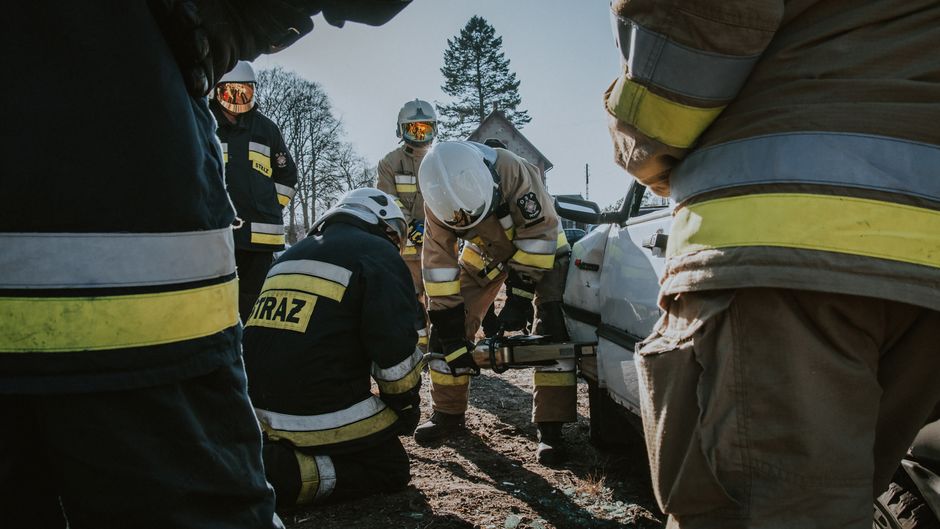
Hiking Mount Agung is an inherently risky activity, and it's essential to be aware of the potential hazards and how to mitigate them. Being prepared and taking precautions can significantly reduce the risk of accidents and injuries.
Here are some of the potential hazards:
- Altitude Sickness: As mentioned earlier, altitude sickness can affect some people at higher elevations. Stay hydrated, acclimatize properly, and descend immediately if you experience any symptoms.
- Falls: The trails can be steep and rocky, increasing the risk of falls. Wear sturdy hiking boots, use hiking poles, and take your time.
- Weather: Mountain weather can change rapidly, from scorching sun to torrential rain and chilly temperatures. Be prepared for all conditions by packing layers of clothing and a waterproof jacket and pants.
- Rockfall: Loose rocks can fall from the slopes above, especially during or after rain. Be aware of your surroundings and avoid hiking directly below steep slopes.
- Wildlife: While encounters with dangerous wildlife are rare, it's always a good idea to be aware of your surroundings. Avoid approaching or feeding any animals.
- Getting Lost: The trails can be difficult to navigate, especially in poor visibility. Hire a local guide who knows the trails well and can ensure you stay on the right track.
How to Mitigate These Hazards:
- Hire a Reputable Guide: As I've stressed before, a local guide is essential for safety and navigation.
- Be Prepared for All Weather Conditions: Pack layers of clothing, a waterproof jacket and pants, and sunscreen.
- Wear Sturdy Hiking Boots: Choose well-broken-in hiking boots with good ankle support and traction.
- Use Hiking Poles: Hiking poles can provide extra stability and reduce strain on your knees.
- Stay Hydrated: Drink plenty of water throughout the trek.
- Carry a First-Aid Kit: Include essentials like bandages, antiseptic wipes, pain relievers, and blister treatment.
- Inform Someone of Your Plans: Tell someone where you're going and when you expect to be back.
- Listen to Your Body: Pay attention to your body and rest when you need to.
After the Trek: Recovery and Reflection

Congratulations! You've conquered Mount Agung! Now it's time to recover and reflect on your incredible achievement. Give yourself time to rest, rehydrate, and refuel. Treat your body well, you will need it.
Here are some tips for recovery:
- Rest: Get plenty of sleep in the days following your trek.
- Rehydrate: Drink plenty of water and electrolyte-rich beverages.
- Refuel: Eat nutritious foods to replenish your energy stores.
- Stretch: Stretch your muscles to reduce soreness and stiffness.
- Massage: Consider getting a massage to help your muscles recover.
- Reflect: Take some time to reflect on your experience and appreciate your accomplishment.
The Mount Agung trek is more than just a physical challenge; it's a spiritual journey. Take the time to appreciate the beauty of the mountain and the cultural significance of the area. Cherish the memories you've made and the lessons you've learned.
Climbing Mount Agung was one of the most challenging and rewarding experiences of my life. It tested my limits, pushed me beyond my comfort zone, and left me with a deep sense of accomplishment. I hope my experiences and insights have inspired you to take on this incredible challenge and experience the magic of Mount Agung for yourself. Just remember to be prepared, be respectful, and be safe. Happy trekking!
Post a Comment