Munduk's Magic: Discovering Bali's Hidden Gem of Waterfalls, Coffee, and Cool Breezes

Munduk's Magic: Discovering Bali's Hidden Gem of Waterfalls, Coffee, and Cool Breezes
Hey friend! Let me tell you about a place in Bali that completely stole my heart: Munduk. Forget the crowded beaches and bustling tourist traps for a moment. Munduk is tucked away in the lush mountains of North Bali, a world away from the hustle, and it offers a completely different, almost ethereal, Balinese experience. Imagine this: crisp, clean air, the scent of clove and coffee hanging in the breeze, and the constant, soothing sound of cascading waterfalls. Ready to trade your flip-flops for hiking boots? Let's dive into the magic of Munduk!
Why Munduk? Escaping the Coastal Clutter
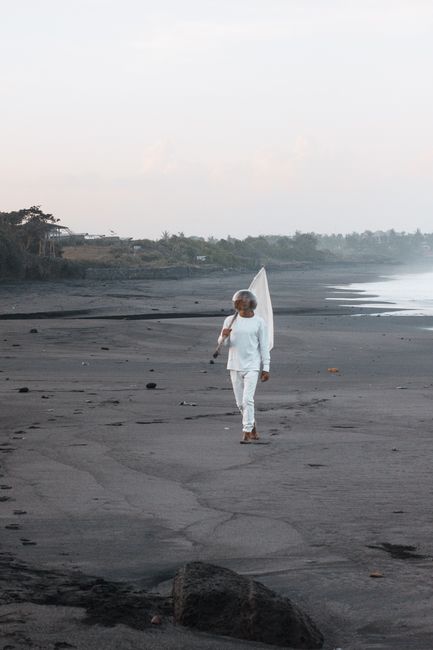
Okay, so Bali is amazing, right? But let's be honest, some parts can feel a little...overrun. That's precisely why I was drawn to Munduk. After soaking up the sun and surf down south, I was craving something more authentic, something more peaceful. And Munduk delivered in spades. It's a place where you can truly connect with nature, experience Balinese culture in a more intimate setting, and simply breathe. The cool mountain air alone is worth the trip! It's a welcome escape from the humidity of the coastal areas. Plus, the landscape is breathtaking: rolling hills blanketed in coffee plantations, vibrant rice paddies clinging to the slopes, and of course, those incredible waterfalls.
Chasing Waterfalls: Munduk's Liquid Jewels
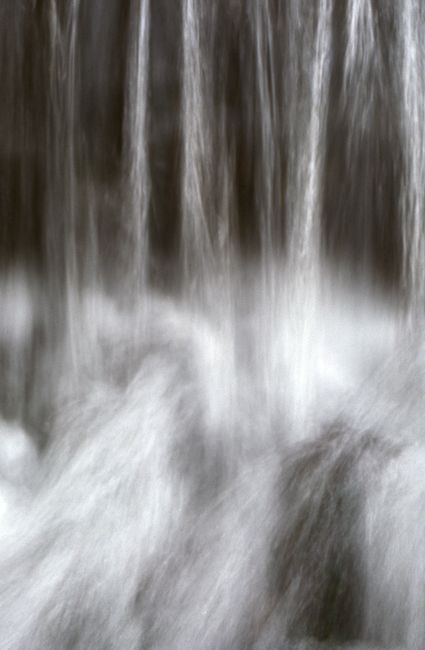
If you're a waterfall fanatic like me, Munduk is your paradise. It's practically overflowing with these natural wonders, each with its own unique charm and personality. Forget those crowded, Instagram-famous falls; Munduk offers a more secluded and immersive experience. Here are a few of my favorites, along with some tips for making the most of your visit:
- Munduk Waterfall (Red Coral Waterfall): This is probably the most well-known waterfall in the area, and for good reason. It's a relatively easy hike down, passing through a small coffee plantation (bonus!). The waterfall itself is stunning, with a powerful cascade plunging into a refreshing pool. The "Red Coral" name comes from the reddish hue of some of the rocks around the falls.
Tip: Go early in the morning to avoid the crowds and have the waterfall practically to yourself. The light is also gorgeous for photos!
- Melanting Waterfall: A bit more adventurous to reach, Melanting Waterfall is tucked away deeper in the jungle. The trek involves navigating some slightly steeper paths and crossing a small river (wear appropriate shoes!). But trust me, it's worth it. The waterfall is taller and feels much more secluded than Munduk Waterfall. The surrounding jungle is incredibly lush and vibrant.
Tip: Consider hiring a local guide for this one. They'll not only help you navigate the trail but also share insights about the local flora and fauna.
- Golden Valley Waterfall: What I loved about Golden Valley Waterfall is that it's right next to a charming little coffee plantation and restaurant. You can actually enjoy a cup of locally grown coffee while watching the waterfall! The waterfall itself isn't as massive as some of the others, but it's still beautiful and the overall atmosphere is just so relaxing.
Tip: Definitely try the Luwak coffee (civet coffee) here if you're feeling adventurous! It's a unique Balinese experience.
- Labuhan Kebo Waterfall: This one is a bit further afield, requiring a scooter ride through some picturesque villages. But the journey is part of the fun! Labuhan Kebo Waterfall is a truly hidden gem, often overlooked by tourists. It's a series of smaller cascades flowing into a larger pool, perfect for a refreshing swim.
Tip: Pack a picnic lunch and spend a few hours relaxing by the waterfall. It's a great spot for escaping the heat and enjoying the tranquility of nature.
A Word of Caution: When visiting waterfalls in Munduk (or anywhere in Bali, really), be mindful of the conditions. The trails can be slippery, especially after rain. Wear sturdy shoes with good grip, and always be cautious when swimming or getting close to the waterfalls. Safety first, always!
Coffee, Cloves, and Culture: Immersing Yourself in Munduk's Bounty
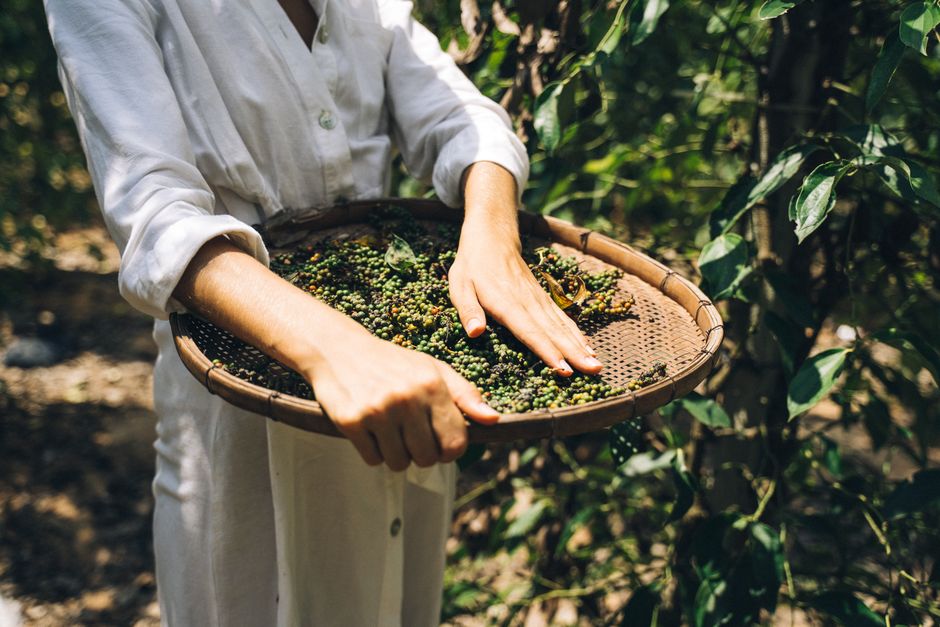
Munduk isn't just about waterfalls; it's also a hub for coffee and clove production. The area is dotted with plantations, and many of them offer tours and tastings. It's a fantastic opportunity to learn about the process from bean to cup (or clove to spice rack!), and to support local farmers.
Coffee Plantation Tours: I visited several coffee plantations during my time in Munduk, and each one offered a slightly different experience. Some were larger, more commercial operations, while others were smaller, family-run farms. Regardless of the size, the passion and dedication of the farmers were always evident. You'll typically get to see the coffee plants growing, learn about the different varieties of beans, and witness the drying and roasting process. And of course, the highlight is always the tasting! From robust black coffee to creamy cappuccinos, you'll get to sample the fruits of their labor. Many plantations also offer other local products, such as tea, cocoa, and spices.
Clove Production: While coffee gets a lot of the attention, clove is another important crop in Munduk. The air is often filled with the sweet, spicy aroma of cloves drying in the sun. You can often see farmers spreading them out on tarps along the roadside. While not as widely offered as coffee plantation tours, you can often arrange to visit a clove farm through your guesthouse or a local guide. It's a fascinating glimpse into another important aspect of Munduk's agricultural heritage.
Beyond the Plantations: Connecting with Local Culture: Munduk offers a chance to experience Balinese culture in a more authentic and intimate way than you might find in the more touristy areas. Take the time to explore the local villages, visit the temples, and interact with the friendly locals. You might even get invited to a traditional ceremony or festival! Don't be afraid to strike up a conversation; the Balinese people are incredibly warm and welcoming. Learning a few basic phrases in Bahasa Indonesia (the local language) can go a long way. "Terima kasih" (thank you) is a good place to start!
Accommodation in Munduk: From Rustic Guesthouses to Luxurious Retreats

Munduk offers a range of accommodation options to suit all budgets and preferences. From simple guesthouses with stunning views to luxurious eco-resorts, you're sure to find the perfect place to call home during your stay. Here are a few things to consider when choosing your accommodation:
- Location: Do you want to be right in the heart of the village, or prefer a more secluded location in the countryside? Consider what you want to be close to (waterfalls, coffee plantations, restaurants, etc.) when making your decision.
- Budget: Prices in Munduk are generally lower than in the coastal areas, but there's still a wide range of options. Decide how much you're willing to spend per night and stick to your budget.
- Amenities: What amenities are important to you? Do you need air conditioning (although the cool mountain air often makes it unnecessary), a swimming pool, or on-site restaurant?
- Reviews: Always read reviews from other travelers before booking your accommodation. This will give you a good idea of what to expect and help you avoid any unpleasant surprises.
My Recommendation: I stayed at a small guesthouse overlooking a rice paddy, and it was absolutely perfect. The views were incredible, the staff were incredibly friendly, and the price was very reasonable. I found it on a popular booking website, so do your research and see what gems you can uncover!
Getting Around Munduk: Scooter, Car, or Shanks' Pony?

Getting around Munduk can be a bit of an adventure in itself. The roads are narrow and winding, and traffic can be unpredictable. Here are a few options for navigating the area:
- Scooter: This is the most popular option for independent travelers. Scooters are readily available for rent in Munduk, and they're a great way to explore the area at your own pace. However, be aware that the roads can be challenging, especially if you're not an experienced rider. Wear a helmet, drive defensively, and be prepared for steep hills and sharp turns.
- Car: Renting a car is a more comfortable and convenient option, especially if you're traveling with a group or have a lot of luggage. However, driving in Munduk can be stressful, and parking can be difficult in some areas. You'll also need to be comfortable driving on narrow, winding roads.
- "Shanks' Pony" (Walking): For shorter distances, walking is a great way to explore Munduk and soak up the scenery. Many of the waterfalls and coffee plantations are accessible on foot. Just be sure to wear comfortable shoes and bring plenty of water.
- Hiring a Driver: This is a great option if you want to relax and let someone else do the driving. You can hire a driver for a day or for the duration of your stay. Your guesthouse can usually arrange this for you.
My Experience: I rented a scooter for most of my time in Munduk, and it was a lot of fun. However, I'm a pretty experienced rider, and I was always cautious. I also hired a driver for a few day trips, which allowed me to relax and enjoy the scenery without having to worry about navigating the roads.
What to Eat in Munduk: A Culinary Adventure

Munduk offers a delicious array of culinary delights, from traditional Balinese dishes to international cuisine. Many of the restaurants in the area use fresh, locally sourced ingredients, so you can be sure you're getting a truly authentic taste of Bali. Here are a few dishes you should try:
- Nasi Goreng: This is a classic Indonesian fried rice dish, and it's a staple in Munduk. It's typically served with a fried egg, vegetables, and your choice of meat (chicken, pork, or seafood).
- Mie Goreng: Similar to nasi goreng, but with noodles instead of rice.
- Gado-Gado: A delicious Indonesian salad made with boiled vegetables, tofu, tempeh, and peanut sauce.
- Sate Lilit: Minced meat (usually chicken or fish) marinated in spices and grilled on skewers.
- Lawar: A traditional Balinese dish made with minced meat, vegetables, grated coconut, and spices. It's often served during ceremonies and festivals.
- Local Coffee: Of course, you can't visit Munduk without trying the local coffee! Order a cup of "kopi bali" (Balinese coffee) and savor the rich, aromatic flavor.
- Jaje Batun Bedil: A unique sweet snack made from glutinous rice flour and palm sugar sauce. You can find this being sold by street vendors.
Where to Eat: Many of the guesthouses and hotels in Munduk have their own restaurants, which are often very good. There are also several independent restaurants in the village, ranging from simple warungs (small, family-run eateries) to more upscale establishments. Don't be afraid to try a few different places and explore the local culinary scene!
Beyond Waterfalls and Coffee: Other Activities in Munduk
While waterfalls and coffee plantations are the main draws, Munduk offers plenty of other activities to keep you entertained. Here are a few ideas:
- Hiking and Trekking: Munduk is a hiker's paradise, with numerous trails winding through the lush countryside. Hike through rice paddies, forests, and villages, and enjoy stunning views of the surrounding mountains.
- Cycling: Rent a bicycle and explore the area at your own pace. There are several scenic cycling routes around Munduk, offering breathtaking views of the landscape.
- Visit a Temple: There are several beautiful temples in the Munduk area, offering a glimpse into Balinese religious traditions. Pura Ulun Danu Tamblingan is a particularly stunning temple located on the shores of Lake Tamblingan.
- Lake Canoeing: Rent a traditional outrigger canoe and paddle across Lake Tamblingan or Lake Buyan. It's a peaceful and relaxing way to enjoy the scenery.
- Cooking Class: Learn to prepare traditional Balinese dishes in a cooking class. You'll get to learn about the local ingredients and techniques, and enjoy a delicious meal that you've prepared yourself.
- Attend a Traditional Dance Performance: Many of the hotels and restaurants in Munduk host traditional Balinese dance performances. It's a great way to experience the local culture and art.
When to Visit Munduk: The Best Time for Your Adventure
The best time to visit Munduk is during the dry season, which runs from April to October. During this time, the weather is generally sunny and dry, with pleasant temperatures. However, even during the dry season, you can expect occasional rain showers, especially in the afternoon. The rainy season (November to March) can be quite wet, with heavy rainfall and high humidity. However, the landscape is incredibly lush and green during this time, and the waterfalls are at their fullest.
My Recommendation: I visited Munduk in September, and the weather was perfect. It was sunny and warm during the day, with cool evenings. There were a few occasional rain showers, but they didn't last long and didn't disrupt my plans. I think September and October are ideal months to visit Munduk.
Packing Essentials for Munduk: Be Prepared for Anything

Packing for Munduk is a little different than packing for the coastal areas of Bali. Here are a few essential items to bring:
- Hiking Shoes: Sturdy shoes with good grip are essential for exploring the waterfalls and hiking trails.
- Rain Jacket: Even during the dry season, it's a good idea to bring a rain jacket or poncho, just in case.
- Warm Clothing: The evenings in Munduk can be cool, so pack a sweater or light jacket.
- Swimsuit: You'll definitely want to take a dip in the waterfalls!
- Insect Repellent: Mosquitoes can be a nuisance, especially in the evenings.
- Sunscreen: Protect your skin from the sun, even on cloudy days.
- First-Aid Kit: It's always a good idea to bring a basic first-aid kit with essentials like bandages, antiseptic wipes, and pain relievers.
- Adapter: Bali uses Type C and Type F plugs, so bring an adapter if your electronics use a different type of plug.
- Cash: While some businesses in Munduk accept credit cards, it's a good idea to have some cash on hand, especially for smaller warungs and shops.
Munduk: More Than Just a Destination, It's a Feeling

Munduk isn't just a place you visit; it's a place you experience. It's a place that stays with you long after you've left. It's the crisp mountain air, the scent of coffee and cloves, the sound of cascading waterfalls, the warmth of the Balinese people. It's a reminder that there's more to Bali than just beaches and parties. It's a chance to slow down, reconnect with nature, and discover the true beauty of this magical island.
So, if you're looking for an authentic and unforgettable Balinese experience, I highly recommend adding Munduk to your itinerary. You won't be disappointed! Go chase those waterfalls, sip on some local coffee, and breathe in the magic of Munduk. Trust me, you'll thank me later!
Have you been to Munduk? Or are you planning a trip? I'd love to hear your thoughts and experiences! Share your comments below!
Post a Comment