Staying Safe in Bali: Your Practical Guide to a Worry-Free Indonesian Adventure

Staying Safe in Bali: Your Practical Guide to a Worry-Free Indonesian Adventure
Hey there, fellow wanderer! So, you're dreaming of Bali, huh? Turquoise waters, lush rice paddies, vibrant culture – it's a truly magical place. I've been lucky enough to visit a few times, and each trip has cemented my love for the Island of Gods. But let's be real, while Bali is incredibly beautiful and welcoming, it's also a place where you need to be mindful of your safety. Think of me as your friendly, experienced guide, sharing all the practical tips I've learned to ensure you have an amazing, and most importantly, safe trip.
Understanding Potential Risks in Bali

Okay, let's get the not-so-fun stuff out of the way first. It's important to acknowledge the potential risks so you can be prepared. I'm not trying to scare you; I just want you to be aware. Generally, Bali is a safe place, especially compared to some other parts of the world. But petty crime, scams, and natural disasters can happen.
Here's a quick rundown:
- Petty Theft: This is probably the most common issue. Think pickpockets, bag snatching, and theft from scooters. Crowded tourist areas, beaches, and markets are prime spots.
- Scams: From rigged currency exchange to inflated prices, scams are unfortunately present. I'll share tips on how to avoid them later.
- Road Safety: Balinese roads can be chaotic! Traffic laws are often ignored, and scooter accidents are frequent.
- Natural Disasters: Bali is located in an active seismic zone. Earthquakes and volcanic eruptions are possibilities. Tsunami warnings are also something to be aware of, particularly along coastal areas.
- Food and Water Safety: "Bali belly" is a common term for traveler's diarrhea. It's usually caused by contaminated food or water.
- Stray Animals: While many Balinese dogs are friendly, some can be aggressive. Rabies is a concern, so avoiding contact with stray animals is best.
Don't let this list discourage you! Awareness is the key to prevention. Now, let's dive into the practical steps you can take to stay safe.
Protecting Your Belongings and Avoiding Theft

Okay, let's talk about keeping your stuff safe. This is a big one, and honestly, a little common sense goes a long way. Here's what I do:
1. Be Vigilant in Crowded Areas:
This is a no-brainer, but it's worth repeating. When you're in crowded markets like Ubud Art Market or on busy beaches like Kuta, keep a close eye on your belongings. Wear your backpack on your front, especially in crowded areas. Keep your wallet in a front pocket or a money belt.
2. Secure Your Accommodation:
Choose accommodation with good security features, like safes in the rooms. Always lock your doors and windows, even when you're just popping out for a few minutes. I've heard stories of people having things stolen from their rooms while they were showering! Make sure to use the safe to store valuables such as passports, extra cash, and expensive jewelry.
3. Be Careful with Your Phone:
Don't walk around with your phone dangling from your hand or sticking out of your back pocket. It's an easy target for snatch-and-grab thieves, especially on scooters. Keep it securely tucked away when not in use. Be aware of your surroundings when using your phone in public places.
4. Don't Flash Cash:
Avoid displaying large amounts of cash in public. It's an invitation for trouble. Only take out what you need for the immediate purchase. I always try to use ATMs inside banks during business hours for added security.
5. Be Mindful on Scooters:
If you're renting a scooter (more on that later), never leave your bag in the basket. It's an easy target for thieves who can simply drive by and grab it. Wear a cross-body bag or keep your bag between your feet on the floorboard.
Avoiding Scams and Overcharging

Scams can be a real bummer on vacation, but with a little awareness, you can avoid most of them. Here are a few common scams and how to sidestep them:
1. Currency Exchange Scams:
This is probably the most common scam in Bali. Unofficial money changers often advertise ridiculously high exchange rates to lure you in. They then use sleight of hand to shortchange you. Only use reputable money changers with clear displays of their license and current rates. Count the money carefully before you leave, and don't be afraid to ask for a receipt. Avoid exchanging large amounts of money at once.
2. ATM Skimming:
ATM skimming devices can steal your card details and PIN. Use ATMs located inside banks or in well-lit, secure areas. Inspect the ATM for any signs of tampering before inserting your card. Cover the keypad when entering your PIN.
3. Taxi Meter Scams:
Some taxi drivers may try to overcharge you by not using the meter or by taking a longer route. Always insist on using the meter, or negotiate a fixed price before you get in the taxi. Reputable taxi companies like Bluebird Taxi are generally reliable. Ride-hailing apps like Gojek and Grab are also widely used and often offer fixed fares, so you know the cost upfront.
4. "Broken" Meter Scams:
Sometimes a driver will claim the meter is broken after you've already started the journey. At this point, they'll often try to charge you an exorbitant fee. If this happens, calmly insist that you only pay the metered fare or get out of the taxi. It's best to address the issue before starting the trip.
5. Inflated Prices:
Especially in tourist areas, vendors may try to overcharge you for goods and services. Always ask for the price upfront and don't be afraid to haggle. A little friendly negotiation is expected in Bali. Research the average price of common items before you go so you know what to expect.
Road Safety and Scooter Smarts

Okay, let's talk scooters. They're a popular way to get around Bali, but they can also be dangerous if you're not careful. I've seen way too many accidents involving tourists. Here's my advice:
1. Only Rent if You're Experienced:
If you've never ridden a scooter before, Bali is NOT the place to learn. The traffic is chaotic, and the roads can be challenging. Seriously, take a scooter safety course before you even consider renting one. Think of yourself and others. It's really not worth the risk.
2. Wear a Helmet:
This is non-negotiable. Always wear a helmet. It's the law, and it could save your life. Make sure the helmet fits properly and is in good condition. I can't stress this enough.
3. Get International Driving Permit:
Technically, you're supposed to have an international driving permit (IDP) to legally drive a scooter in Bali. Some police officers might stop you and ask for it, and if you don't have one, you could face a fine. Check requirements before you leave your home country to ensure you have everything you need.
4. Check the Scooter Carefully:
Before you rent a scooter, inspect it thoroughly for any damage. Take photos or videos of any existing scratches or dents. Make sure the brakes, lights, and tires are in good working order. This will prevent you from being held responsible for pre-existing damage when you return the scooter.
5. Drive Defensively:
Assume that other drivers won't follow traffic rules. Be aware of your surroundings and anticipate potential hazards. Use your horn to alert other drivers of your presence. Be particularly cautious at intersections.
6. Avoid Driving at Night:
Roads are often poorly lit at night, and visibility can be reduced. Driving at night increases the risk of accidents. If you must drive at night, be extra cautious and drive slowly.
7. Be Aware of Sand and Gravel:
Sand and gravel on the roads can cause you to lose control of your scooter. Be particularly careful when driving on roads near the beach.
Health and Safety: Staying Well in Bali
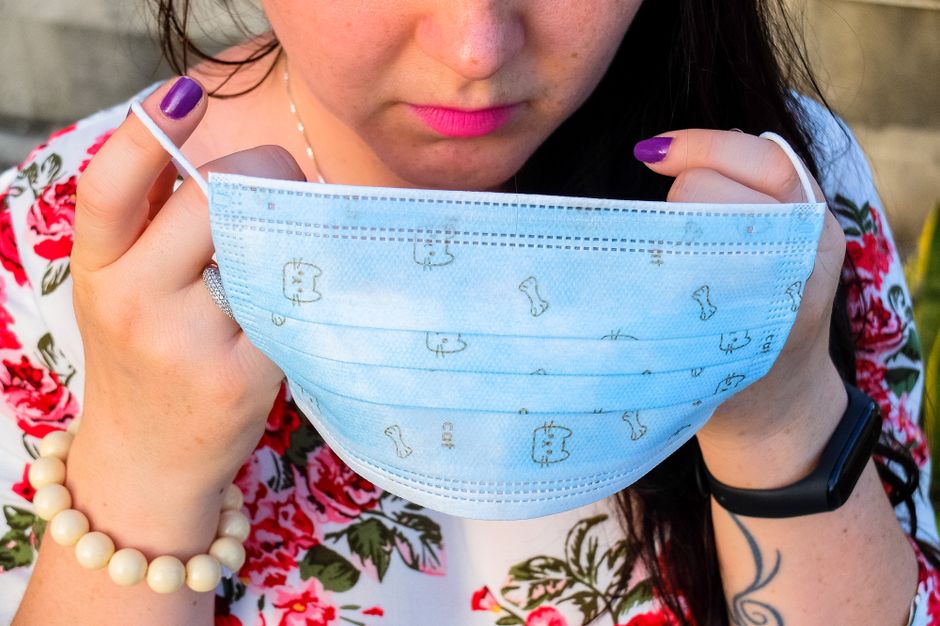
Let's talk about staying healthy and avoiding any nasty surprises while you're enjoying paradise:
1. Food and Water Safety:
a.Drink bottled water: Never drink tap water in Bali. It's not safe for drinking. Always drink bottled water, and make sure the seal is intact.
b.Be careful with ice: Avoid ice in your drinks unless you're sure it's made from bottled water.
c.Eat at reputable restaurants: Choose restaurants that look clean and well-maintained. Look for places that are busy, as this is usually a sign that the food is fresh and safe.
d.Wash your hands frequently: Wash your hands with soap and water before eating and after using the restroom.
e.Be careful with street food: While street food can be delicious, it can also be risky. Make sure the food is cooked thoroughly and served hot. Avoid food that has been sitting out for a long time.
2. Sun Protection:
The Balinese sun is strong, so protect yourself from sunburn. Wear sunscreen with a high SPF, even on cloudy days. Wear a hat and sunglasses. Avoid spending too much time in the sun during the hottest part of the day (usually between 10 am and 4 pm).
3. Mosquito Protection:
Mosquitoes can transmit diseases like dengue fever and Zika virus. Wear long sleeves and pants in the evening. Use mosquito repellent with DEET. Sleep under a mosquito net if possible.
4. Be Aware of Stray Animals:
While many Balinese dogs are friendly, some can be aggressive. Rabies is a concern, so avoid contact with stray animals. If you're bitten by an animal, seek medical attention immediately.
5. Travel Insurance:
Don't leave home without it! Travel insurance can cover medical expenses, lost or stolen belongings, and trip cancellations. Make sure your policy covers activities like scooter riding and water sports.
Staying Informed and Prepared

A little preparation can go a long way in ensuring a safe and enjoyable trip:
1. Register with Your Embassy:
Register with your embassy or consulate before you travel. This will allow them to contact you in case of an emergency.
2. Download Useful Apps:
Download useful apps like Google Translate, Maps.me (for offline maps), and a currency converter. Gojek or Grab are also invaluable for transport. Knowing some basic Indonesian phrases can also be helpful.
3. Know Emergency Numbers:
Save emergency numbers in your phone, such as the police, ambulance, and fire department. The general emergency number in Indonesia is 112.
4. Stay Updated on Local News:
Keep an eye on local news and weather forecasts. Be aware of any potential natural disasters or other safety concerns.
Enjoy Bali Safely!

Bali is an incredible destination, and I truly believe that with a little preparation and awareness, you can have an amazing and safe trip. Don't let fear hold you back from experiencing the magic of this beautiful island. Just be smart, be vigilant, and be respectful of the local culture.
So, go ahead and book that flight, pack your bags, and get ready for an unforgettable adventure. Just remember to stay safe, have fun, and create memories that will last a lifetime! Selamat jalan (safe travels)!
Post a Comment