Surfing Bali: Your Epic Guide from Beginner Bays to Barrelling Breaks

Surfing Bali: Your Epic Guide from Beginner Bays to Barrelling Breaks
Hey there, fellow wave riders and ocean dreamers! Ever dreamt of gliding across turquoise waters, the sun kissing your skin, and the roar of the Indian Ocean in your ears? That's Bali, my friend, a surfer's paradise that caters to everyone from the wobbly-legged newbie to the seasoned barrel hunter. I've spent a good chunk of my life chasing waves around this magical island, and let me tell you, it's an experience that changes you. Whether you're planning your first surf trip or looking to level up your skills, I'm here to share my insider knowledge and help you navigate the vibrant Balinese surf scene. Grab your board (or rent one!), slather on some sunscreen, and let's dive in!
Why Bali is a Surfer's Dream Come True

Okay, let's start with the obvious: Bali is stunning. But it's more than just postcard-perfect beaches and lush rice paddies. Here's why it's a surfer's haven:
Consistent Waves: Thanks to its location in the Indonesian archipelago, Bali receives consistent swells throughout the year. The dry season (April to October) is generally considered the best time for surfing, with larger swells hitting the west coast. However, the wet season (November to March) still offers plenty of surf, especially on the east coast.
Variety of Breaks: From gentle beginner waves to challenging reef breaks, Bali has something for every skill level. Whether you're learning to stand up on a foam board or charging overhead barrels, you'll find a wave to suit your ability.
Warm Water: Say goodbye to shivering in the lineup! Bali's warm tropical waters mean you can surf in boardshorts or a light rash guard year-round. No more bulky wetsuits!
Affordable Living: Compared to many other surf destinations, Bali offers excellent value for money. Accommodation, food, and surfing lessons are all relatively affordable, making it a great option for budget-conscious travelers.
Vibrant Culture: Surfing is just one part of the Balinese experience. Immerse yourself in the island's rich culture, explore ancient temples, sample delicious local cuisine, and connect with the friendly Balinese people.
Choosing Your Surf Spot: A Guide for All Levels
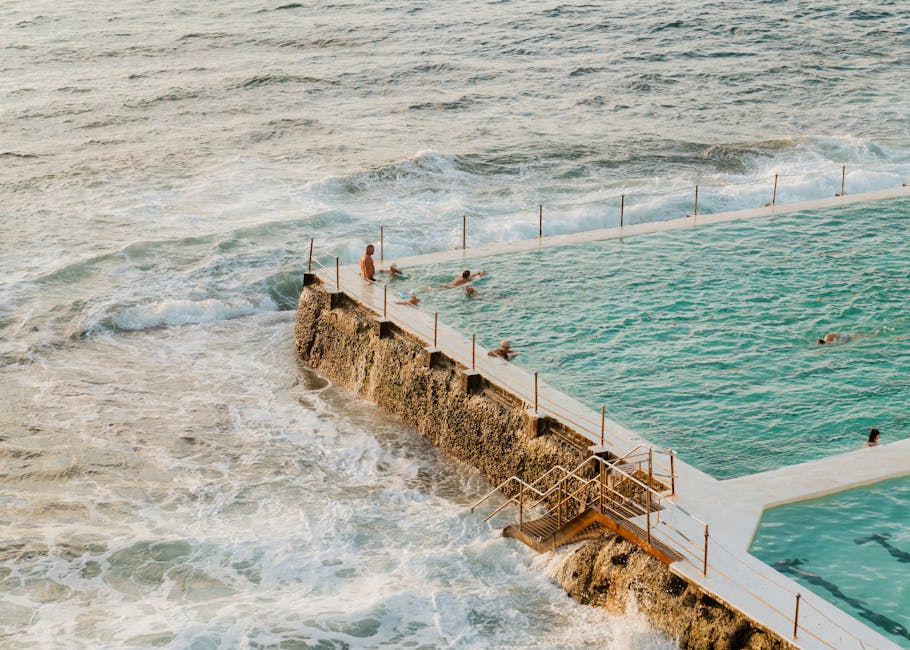
Bali's coastline is dotted with incredible surf spots, each with its own unique character. Here's a breakdown of some of the most popular breaks, categorized by skill level:
Beginner-Friendly Waves:
These spots are perfect for learning the basics, practicing your pop-up, and getting comfortable in the water.
- Kuta Beach: The classic beginner spot! Kuta offers long, gentle waves that are ideal for learning to stand up. There are plenty of surf schools and board rentals available. Be aware that it can get crowded, especially during peak season. I learned to surf here myself, and while it can be chaotic, it's a great place to start.
- Legian Beach: Just north of Kuta, Legian offers similar conditions but is often slightly less crowded. It's another excellent option for beginners.
- Seminyak Beach: Further north, Seminyak boasts a more relaxed vibe and generally smaller waves than Kuta. It's a good spot for practicing your skills after you've mastered the basics.
- Canggu (Echo Beach - on smaller days): Canggu is known for its more advanced breaks, but on smaller days, Echo Beach can offer mellow waves suitable for beginners. Always check the conditions and be aware of the currents. Batu Bolong beach in Canggu is generally more suitable for beginners.
- Jimbaran Bay: This sheltered bay offers calm, gentle waves that are perfect for stand-up paddleboarding and learning to surf. It's a great option for families with young children.
Intermediate Waves:
Once you've got the basics down, these spots will challenge you to improve your skills and ride bigger, more powerful waves.
- Batu Bolong (Canggu): This is a super popular spot with longboarders and beginners but also offers intermediate surfers the opportunity to practice turns and ride longer waves. The vibe is usually very relaxed, and it's a great place to socialize.
- Berawa Beach (Canggu): North of Batu Bolong, Berawa offers slightly more challenging waves with some fun lefts and rights. It's a good spot for intermediate surfers looking to progress.
- Medewi: A long, mellow left-hand point break that's perfect for intermediate surfers. It's a bit of a drive from the main tourist areas, but it's worth the effort for a long, cruisy ride.
- Balangan: A beautiful beach with a reef break that offers both lefts and rights. The waves can be a bit punchy, but it's a great spot for improving your skills.
- Bingin (smaller days): Bingin is usually known for its fast, barreling waves, but on smaller days, it can be a fun spot for intermediate surfers.
Advanced Waves:
These breaks are for experienced surfers who are comfortable riding powerful waves and navigating challenging conditions. These waves require respect and a high level of skill and fitness.
- Uluwatu: A legendary wave that's considered one of the best left-hand reef breaks in the world. Uluwatu offers several different peaks, each with its own unique character. Padang Padang Right and Temples are suitable on bigger days, Racetrack is for expert surfers.
- Padang Padang (Left): Also known as the "Balinese Pipeline," Padang Padang is a world-class left-hand barrel that breaks over a shallow reef. It's a challenging wave that's only suitable for experienced surfers. Expect crowds, especially during prime swell.
- Bingin: A short, fast, and hollow left-hand reef break that's known for its barrels. It's a technical wave that requires precise positioning and a good take-off.
- Impossibles: As the name suggests, Impossibles is a long, fast, and challenging left-hand reef break. It's known for its heavy barrels and strong currents.
- Keramas: A powerful right-hand reef break that's known for its barrels and air sections. It's a popular spot for professional surfers.
- Nusa Lembongan (Shipwrecks, Playgrounds, Lacerations): Accessible by boat, Nusa Lembongan offers several quality reef breaks. Shipwrecks is a powerful right-hander, Playgrounds is a more mellow left and right, and Lacerations is a challenging left.
Essential Tips for Surfing in Bali

Before you paddle out, here are a few essential tips to ensure you have a safe and enjoyable surfing experience in Bali:
- Respect the Locals: The Balinese are incredibly welcoming and friendly people. Show them respect by following local customs and traditions. Be mindful of their culture and avoid being disrespectful.
- Check the Surf Report: Before heading to the beach, check the surf report to get an idea of the wave size, swell direction, and tide. This will help you choose the right spot for your ability. Some useful resources include Magicseaweed, Surfline, and local surf shops.
- Be Aware of the Tides: Tides play a significant role in Bali's surf breaks. Some spots work best at high tide, while others are better at low tide. Do your research and plan your surf sessions accordingly.
- Use Sunscreen: The Balinese sun is strong, so it's essential to protect your skin. Use a high-SPF sunscreen and reapply it frequently, especially after being in the water.
- Stay Hydrated: Drink plenty of water to stay hydrated, especially during long surf sessions. Dehydration can lead to fatigue and heatstroke.
- Be Aware of Reef: Many of Bali's best surf breaks are located over shallow reefs. Wear reef booties to protect your feet from cuts and scrapes. Be mindful of the reef and avoid paddling too close to it.
- Learn the Local Surf Etiquette: Don't drop in on other surfers, respect the lineup, and be patient. Surfing etiquette is essential for maintaining a positive and safe environment in the water.
- Take a Surf Lesson: If you're a beginner, consider taking a surf lesson from a qualified instructor. They can teach you the basics of surfing, help you choose the right equipment, and ensure you have a safe and enjoyable experience.
- Be Prepared for Crowds: Bali is a popular surf destination, so expect crowds, especially during peak season. Be patient and respect other surfers.
- Respect the Ocean: The ocean is a powerful force, so always be aware of your surroundings and don't overestimate your abilities. If in doubt, don't go out.
Choosing a Surf School or Instructor

For beginners (or even intermediate surfers looking to refine their technique), taking a surf lesson is a fantastic idea. Here's what to look for when choosing a surf school or instructor:
- Certified Instructors: Make sure the instructors are certified and experienced. Look for certifications from reputable organizations like ISA (International Surfing Association).
- Small Group Sizes: Smaller group sizes allow for more personalized attention and instruction.
- Quality Equipment: Ensure the surf school uses quality equipment, including well-maintained boards and appropriate safety gear.
- Safety Procedures: Ask about the surf school's safety procedures and emergency protocols.
- Positive Reviews: Check online reviews and ask for recommendations from other surfers.
- Insurance: Ensure the surf school has adequate insurance coverage.
Some reputable surf schools in Bali include Pro Surf School, Rip Curl School of Surf, and Odyssey Surf School. Don't be afraid to shop around and find an instructor that you feel comfortable with.
Beyond Surfing: Exploring Bali
While surfing is undoubtedly a major draw, Bali has so much more to offer. Here are a few ideas for exploring the island beyond the waves:
- Visit Temples: Explore Bali's stunning temples, such as Tanah Lot, Uluwatu Temple, and Besakih Temple (the "Mother Temple").
- Explore Rice Paddies: Hike or bike through Bali's iconic rice paddies, such as the Tegallalang Rice Terraces near Ubud.
- Relax on the Beach: Unwind on Bali's beautiful beaches, such as Nusa Dua, Sanur, and Padang Padang (for sunbathing, not just surfing!).
- Discover Waterfalls: Chase waterfalls in Bali's lush interior, such as Sekumpul Waterfall and Gitgit Waterfall.
- Take a Yoga Class: Bali is a popular destination for yoga retreats. Join a class or workshop to relax and rejuvenate your body and mind.
- Indulge in a Spa Treatment: Pamper yourself with a traditional Balinese massage or spa treatment.
- Sample Local Cuisine: Try Bali's delicious local cuisine, such as nasi goreng (fried rice), mie goreng (fried noodles), and sate (grilled skewers).
- Learn to Cook Balinese Food: Take a cooking class and learn to prepare authentic Balinese dishes.
- Go Scuba Diving or Snorkeling: Explore Bali's underwater world with a scuba diving or snorkeling trip.
- Visit a Local Market: Immerse yourself in the local culture by visiting a traditional Balinese market.
Where to Stay in Bali

Bali offers a wide range of accommodation options to suit every budget and preference. Here are a few recommendations based on different areas:
- Kuta/Legian: Budget-friendly hotels, guesthouses, and hostels. Great for beginners and those looking for a lively atmosphere.
- Seminyak: Stylish villas, boutique hotels, and upscale resorts. Perfect for those seeking a more relaxed and sophisticated experience.
- Canggu: Trendy villas, guesthouses, and surf camps. Popular with digital nomads and those looking for a vibrant surf scene.
- Uluwatu: Cliffside villas, boutique hotels, and surf resorts. Ideal for experienced surfers and those seeking stunning ocean views.
- Ubud: Tranquil villas, guesthouses, and yoga retreats. Perfect for those seeking a peaceful and spiritual experience.
Consider booking your accommodation in advance, especially during peak season.
Getting Around Bali

Getting around Bali is relatively easy, but it's important to be aware of your options:
- Scooter: The most popular way to get around Bali, especially for surfers. Scooters are affordable and convenient, but it's essential to wear a helmet and have a valid driver's license. Be cautious of traffic and road conditions.
- Taxi: Taxis are readily available in tourist areas. Use reputable taxi companies like Blue Bird Taxi, which are known for their fair prices and reliable service.
- Ride-Hailing Apps: Ride-hailing apps like Gojek and Grab are popular in Bali and offer a convenient and affordable way to get around.
- Private Driver: Hiring a private driver is a good option for exploring the island and visiting multiple destinations in a day. Negotiate the price in advance.
- Buses: Public buses are available, but they are often crowded and slow.
- Walking: Walking is a good option for exploring smaller areas, but be aware of the heat and humidity.
Cost of Surfing in Bali

Here's a rough estimate of the costs associated with surfing in Bali:
- Accommodation: $10-$100+ per night, depending on the type of accommodation.
- Food: $5-$30+ per day, depending on your dining choices.
- Surfboard Rental: $5-$15 per day.
- Surf Lesson: $20-$50 per lesson.
- Transportation: $5-$20 per day, depending on your mode of transportation.
Overall, you can expect to spend around $30-$100+ per day on surfing in Bali, depending on your budget and lifestyle.
Final Thoughts: Embrace the Bali Surf Vibe
Surfing in Bali is more than just a sport; it's a lifestyle. It's about connecting with the ocean, challenging yourself, and immersing yourself in a vibrant culture. Whether you're a seasoned pro or a complete beginner, Bali has something to offer everyone. So, pack your bags, book your flights, and get ready for an unforgettable surfing adventure in the Island of Gods! Don't be afraid to embrace the "Bali time" mentality – relax, go with the flow, and enjoy the ride. See you in the lineup!
I hope this guide has given you a good overview of surfing in Bali. Remember to be safe, respectful, and have fun! And most importantly, don't forget to share the stoke!
Post a Comment