Ubud's Artistic Heart: Exploring Galleries, Workshops, and Balinese Crafts

Ubud's Artistic Heart: Exploring Galleries, Workshops, and Balinese Crafts
Hey there, fellow art enthusiast! Let's talk about Ubud, Bali – a place that's completely stolen my heart with its vibrant art scene. I've wandered through its galleries, gotten my hands dirty in workshops, and marveled at the beauty of Balinese crafts, and I'm dying to share my experiences with you. Imagine a place where creativity explodes from every corner, where ancient traditions meet modern expression, and where you can find inspiration around every bend. That's Ubud for you!
Unveiling Ubud's Artistic Soul
Ubud isn't just a pretty place; it's a living, breathing art form. For centuries, it's been the cultural heart of Bali, drawing artists from across the island and around the world. The rich artistic heritage is deeply rooted in Balinese Hinduism, with art playing a vital role in religious ceremonies, storytelling, and daily life. You'll see it everywhere – from the intricate carvings on temple walls to the vibrant colors of traditional paintings. It's this deep connection to culture and spirituality that makes Ubud's art scene so unique and powerful.
It's really something special. I remember walking through the streets and feeling like I was immersed in a living art gallery. The beauty is everywhere you look!
Gallery Hopping: A Visual Feast
Okay, let's dive into the heart of Ubud's art scene: the galleries! From small, family-run studios to sprawling, multi-story spaces, Ubud offers an incredible variety. Here's a few things I've learned:
1. Know What You're Looking For: Do you prefer traditional Balinese paintings, contemporary art, wood carvings, or something else entirely? Having a general idea will help you focus your search and avoid feeling overwhelmed.
2. Don't Be Afraid to Negotiate: Bargaining is a common practice in Ubud, especially in smaller galleries. Be polite and respectful, but don't hesitate to try to negotiate the price.
3. Talk to the Artists (If Possible): Many galleries are owned and operated by the artists themselves. Talking to them about their work can provide valuable insights and make your purchase even more meaningful. I once had a fascinating conversation with a painter who explained the symbolism behind each element in his piece, and it completely changed my appreciation for it.
4. Check for Authenticity: If you're buying a piece of traditional Balinese art, make sure it's authentic and not a mass-produced replica. Ask the gallery owner about the materials used, the artist's background, and any certifications they may have.
5. Take Your Time: Don't rush your gallery hopping. Allow yourself plenty of time to browse, admire, and soak in the atmosphere. Grab a coffee or a fresh juice at a nearby cafe and reflect on what you've seen.
Some of my favorite galleries include:
- Neka Art Museum: A fantastic starting point for understanding Balinese art history. They have a huge collection of paintings, sculptures, and photographs. It gives you real context!
- ARMA Museum: More than just a gallery, ARMA is a cultural complex with beautiful gardens, traditional Balinese architecture, and a fantastic collection of art. It's worth spending a whole day there.
- Museum Puri Lukisan: Ubud's oldest art museum, showcasing the development of Balinese painting styles. It's quite charming.
- Seniwati Gallery of Art by Women: An inspiring gallery featuring the work of talented female artists from Bali and beyond. The work is so evocative and unique.
- Tony Raka Art Gallery: A contemporary art gallery showcasing a diverse range of Indonesian and international artists.
Remember, these are just a few suggestions. Part of the fun is discovering your own hidden gems! Don't be afraid to wander off the beaten path and explore the smaller galleries tucked away in the side streets.
Getting Hands-On: Art Workshops in Ubud
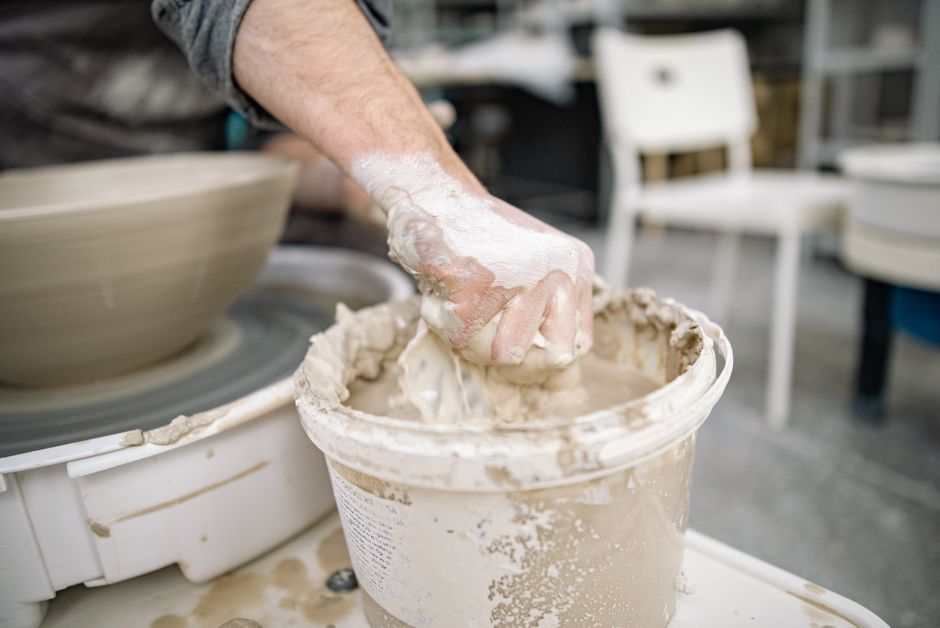
Okay, enough looking – let's get creating! One of the best things about Ubud is the opportunity to participate in art workshops. Whether you're a seasoned artist or a complete beginner, there's a workshop for you.
I've tried a few different workshops, and it's been an incredible experience. It's so cool to learn from local artisans and create something with your own hands, while getting a deeper appreciation for the craft. I even took a wood carving class and let's just say, my attempt looked nothing like the instructor's masterpiece. But hey, I had fun!
Here are some popular workshop options:
- Balinese Painting: Learn the traditional techniques of Balinese painting, including the use of natural pigments and intricate detailing. These workshops often focus on specific themes, such as religious stories or nature scenes.
- Wood Carving: Discover the art of wood carving and create your own small sculpture. You'll learn how to use traditional tools and techniques to transform a piece of wood into a work of art.
- Batik Making: Experiment with batik, a traditional Indonesian textile art form that uses wax and dye to create intricate patterns on fabric. You'll learn how to apply wax using a tjanting tool and dye your own piece of fabric.
- Jewelry Making: Design and create your own silver or gold jewelry. You'll learn basic metalworking techniques and create a unique piece to take home.
- Pottery: Get your hands dirty and learn how to create pottery using traditional Balinese methods.
- Cooking Classes: While not strictly visual art, the presentation of food in Balinese culture is definitely an art form. Learn to create beautiful (and delicious!) Balinese dishes.
When choosing a workshop, consider:
- Your Interests: What kind of art are you most interested in learning?
- Your Skill Level: Are you a beginner or do you have some experience?
- The Workshop's Duration: How much time do you want to spend in the workshop? Workshops can range from a few hours to several days.
- The Price: Workshop prices can vary depending on the materials used, the instructor's experience, and the workshop's duration.
- The Location: Consider the location of the workshop and how easy it is to get there from your accommodation.
Many hotels and guesthouses offer their own workshops, or can recommend reputable ones. You can also find workshops advertised online or in local tourist brochures. Be sure to book in advance, especially during peak season.
Balinese Crafts: A World of Wonder

Beyond galleries and workshops, Ubud is a treasure trove of Balinese crafts. From intricate wood carvings to colorful textiles, the craftsmanship is simply breathtaking. You can find these crafts everywhere – in markets, shops, and even along the roadside.
One of my favorite things to do is browse the local markets. The Ubud Art Market (Pasar Seni Ubud) is a must-visit. It's a bustling marketplace where you can find everything from wood carvings and paintings to clothing, jewelry, and souvenirs. Be prepared to bargain – it's part of the fun!
Here are some of the most popular Balinese crafts you'll find in Ubud:
- Wood Carvings: Bali is famous for its intricate wood carvings, which often depict Hindu deities, animals, and nature scenes. These carvings can range from small figurines to large-scale sculptures.
- Batik Textiles: Batik is a traditional Indonesian textile art form that uses wax and dye to create intricate patterns on fabric. Balinese batik often features vibrant colors and motifs inspired by nature and religion.
- Silver Jewelry: Celuk, a village near Ubud, is known for its silver jewelry making. You can find a wide variety of silver jewelry in Ubud, from delicate necklaces to bold statement pieces.
- Stone Carvings: Balinese stone carvings are often used to decorate temples, homes, and gardens. These carvings can depict deities, mythical creatures, and floral patterns.
- Traditional Weavings (Endek & Songket): Endek is a handwoven textile with geometric patterns, and Songket is a more elaborate weaving incorporating gold or silver threads. Both are stunning.
- Kite Making: Balinese kites are not just for children. They are often massive and beautifully decorated, flown during festivals and competitions. Smaller versions make great souvenirs.
When buying Balinese crafts, keep these tips in mind:
- Inspect the Quality: Check the craftsmanship carefully for any flaws or imperfections.
- Ask About the Materials: Find out what materials were used to make the craft. This can affect its price and durability.
- Support Local Artisans: Buy directly from artisans whenever possible to ensure that they receive a fair price for their work.
- Consider the Ethical Implications: Be aware of the ethical implications of your purchases. Avoid buying products made from endangered species or that exploit workers.
Tips for Immersing Yourself in Ubud's Art Scene
Okay, you're all geared up to explore Ubud's art scene, but here are a few extra tips to make your experience even better:
- Attend a Traditional Balinese Dance Performance: Balinese dance is a captivating art form that combines music, movement, and storytelling. Performances are often held in temples and cultural centers throughout Ubud. Don't miss out!
- Visit a Local Village: Take a day trip to a nearby village and experience Balinese culture firsthand. You can visit traditional workshops, see how crafts are made, and learn about the local way of life.
- Take a Walk Through the Rice Fields: The rice fields surrounding Ubud are not only beautiful but also an important part of Balinese culture. Take a walk through the rice paddies and admire the artistry of the landscape. It's incredibly peaceful.
- Learn a Few Basic Balinese Phrases: Knowing a few basic Balinese phrases can go a long way in connecting with locals and showing your respect for their culture. "Suksma" (thank you) and "Om Swastiastu" (greetings) are good starting points.
- Be Respectful of Local Customs: Bali is a deeply religious and traditional place. Be respectful of local customs and dress modestly when visiting temples and other sacred sites.
- Stay Open to New Experiences: Ubud is full of surprises. Be open to trying new things, meeting new people, and embracing the unexpected.
- Hire a Local Guide: A local guide can offer invaluable insights into the art scene, taking you to hidden galleries and workshops and explaining the cultural significance of the art you see.
Final Thoughts on Ubud's Art Scene

Ubud's art scene is more than just a collection of galleries and workshops; it's a vibrant expression of Balinese culture and spirituality. It's a place where creativity flourishes, traditions are celebrated, and inspiration abounds.
My time in Ubud has been transformative. It's not just about buying beautiful art or learning a new skill; it's about connecting with a culture, appreciating the beauty of the world, and finding your own creative spark. So, if you're looking for an artistic adventure, I highly recommend adding Ubud to your list. You won't be disappointed!
I hope this article has inspired you to explore the artistic wonders of Ubud. Happy travels and happy creating!
Post a Comment