Your First Trip to Bali: Essential Tips & Tricks for an Unforgettable Adventure!

Your First Trip to Bali: Essential Tips & Tricks for an Unforgettable Adventure!
So, you're thinking about going to Bali? Awesome! You're in for a treat. Bali, the "Island of Gods," is more than just stunning beaches and Instagrammable swings. It's a place that gets under your skin, a vibrant tapestry of culture, spirituality, and natural beauty. But let's be real, going to a new country, especially one as culturally rich as Bali, can be a little daunting. That's why I've put together this guide – think of it as your friendly Bali buddy whispering insider secrets into your ear before you even pack your bags. I'm going to share everything I wish I'd known before my first trip, so you can avoid the common pitfalls and dive straight into the magic.
Before You Go: The Nitty-Gritty Prep Work

Okay, let's tackle the practical stuff first. This might not be the most glamorous part of planning, but trust me, getting these basics right will save you a whole lot of stress later.
Visas and Paperwork: Don't Get Caught Out!
The visa situation can be a little tricky, so pay close attention! For many nationalities, including the US, UK, Australia, and most of Europe, you can get a Visa on Arrival (VoA) at the airport. This allows you to stay for 30 days. However, if you think you might want to stay longer, or if you're not eligible for a VoA, you'll need to apply for a visa before you travel. The official Indonesian immigration website is your best friend for up-to-date information. And, remember, your passport needs to be valid for at least six months beyond your intended stay!
Flights: Finding the Best Deals
Flights to Bali (Ngurah Rai International Airport – DPS) can be expensive, but with a little planning, you can snag a good deal. Here's what I've learned:
- Be flexible with your travel dates: Mid-week flights are often cheaper than weekend flights. Also, consider travelling during the shoulder seasons (April-May and September-October) for better prices and fewer crowds.
- Use flight comparison websites: Skyscanner, Google Flights, and Kayak are your go-to tools. Set up price alerts to be notified when prices drop.
- Consider flying into a nearby airport: Sometimes, flying into Kuala Lumpur or Singapore and then taking a budget airline flight to Bali can be cheaper, but weigh the extra travel time and potential layover costs.
Travel Insurance: Peace of Mind is Priceless
Seriously, don't even think about skipping travel insurance. Accidents happen, luggage gets lost, and sometimes, you just need to see a doctor. Having good travel insurance will cover those unexpected situations and give you peace of mind. Look for a policy that covers medical expenses, emergency evacuation, trip cancellation, and loss of belongings. Read the fine print carefully to understand what's covered and what's not.
Vaccinations and Health: Stay Healthy, Stay Happy
Consult your doctor or a travel clinic about recommended vaccinations and health precautions for Bali. Hepatitis A and typhoid vaccinations are often recommended. Dengue fever is a risk, so pack plenty of mosquito repellent and wear long sleeves and pants, especially in the evenings. Food poisoning is also a possibility, so be mindful of where you eat and drink bottled water only.
Navigating Bali: Getting Around Like a Pro

Okay, you've landed, you're through customs, and you're ready to explore! But how do you actually get around Bali? Here's a breakdown of your options:
Taxis and Ride-Hailing Apps: The Convenient Choices
Taxis are readily available at the airport and in tourist areas. Bluebird taxis are generally considered the most reputable and reliable; they use meters, ensuring fair prices. Ride-hailing apps like Grab and Gojek are also popular and often cheaper than taxis. However, in some areas, particularly in more traditional villages, there may be restrictions on ride-hailing services, so be discreet.
Scooters: The Adventurous (and Risky) Route
Scooters are a popular way to get around Bali, especially if you want to explore at your own pace and get off the beaten path. However, driving in Bali can be chaotic, and traffic accidents are common. If you're considering renting a scooter, make sure you have a valid international driver's license, wear a helmet (always!), and be extremely cautious. Be aware of potholes, stray dogs, and other unpredictable hazards. Honestly, I'd recommend this option only if you're a confident and experienced scooter driver.
Private Drivers: The Comfortable and Customizable Option
Hiring a private driver is a fantastic way to see Bali, especially if you want to visit multiple attractions in a day or travel between different towns. You can negotiate a daily rate with a driver and customize your itinerary to suit your interests. Your hotel can usually arrange a driver for you, or you can find one online. Be sure to read reviews and negotiate the price upfront. This is the option I usually prefer – it's comfortable, stress-free, and you get the benefit of having a local expert with you.
Where to Stay: Finding Your Perfect Bali Base

Bali offers a huge range of accommodation options, from budget-friendly hostels to luxurious villas. Choosing the right area to stay in depends on your interests and travel style.
Seminyak: Beach Clubs and Chic Vibes
If you're looking for trendy restaurants, upscale boutiques, and vibrant nightlife, Seminyak is a great choice. It's known for its beautiful beaches, stylish beach clubs, and lively atmosphere. However, it can be quite crowded and expensive.
Canggu: Surfer Paradise and Bohemian Charm
Canggu is a haven for surfers, digital nomads, and anyone looking for a laid-back vibe. It offers a mix of surf beaches, rice paddies, hipster cafes, and yoga studios. The nightlife is also lively, but more chilled out than Seminyak.
Ubud: Culture, Spirituality, and Rice Paddies
If you're interested in Balinese culture, spirituality, and natural beauty, Ubud is the place to be. It's surrounded by lush rice paddies, ancient temples, and traditional villages. You can take yoga classes, visit art galleries, explore the Monkey Forest, and enjoy traditional Balinese dance performances.
Uluwatu: Cliffside Views and World-Class Surfing
Uluwatu is famous for its dramatic cliffside views, world-class surfing, and stunning beaches. It's a more secluded and laid-back area than Seminyak or Canggu, perfect for those seeking a peaceful escape.
Bali Etiquette: Respecting the Culture

Bali is a deeply spiritual and traditional island, so it's important to be respectful of the local culture. Here are a few key things to keep in mind:
- Dress modestly when visiting temples: Cover your shoulders and knees. Sarongs and sashes are often provided at the entrance.
- Don't point with your feet: This is considered rude.
- Avoid public displays of affection: While holding hands is generally acceptable, excessive displays of affection are frowned upon.
- Use your right hand when giving or receiving something: The left hand is considered unclean.
- Bargain respectfully: Bargaining is common in markets and shops, but do it with a smile and be respectful of the vendor.
- Be mindful of noise levels: Keep your voice down, especially in residential areas and near temples.
- Learn a few basic Indonesian phrases: "Terima kasih" (thank you) and "Selamat pagi" (good morning) will go a long way.
What to Eat: A Culinary Adventure
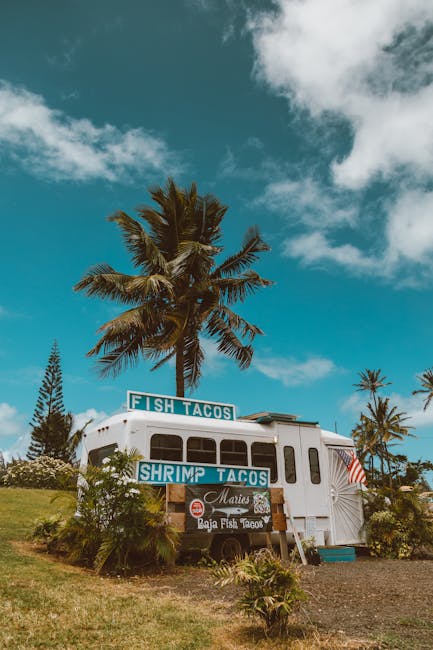
Balinese cuisine is a delicious blend of Indonesian flavors with unique local touches. Get ready for a culinary adventure! Here are a few must-try dishes:
- Nasi Goreng: Fried rice with vegetables, meat, or seafood.
- Mie Goreng: Fried noodles with vegetables, meat, or seafood.
- Sate: Grilled skewers of marinated meat, served with peanut sauce.
- Gado-Gado: Steamed vegetables with peanut sauce.
- Babi Guling: Roasted suckling pig (a Balinese specialty).
- Lawar: A mix of minced meat, vegetables, and spices.
- Nasi Campur: Mixed rice with various side dishes.
Don't be afraid to try street food! Warungs (small local restaurants) offer authentic and affordable Balinese cuisine. Just make sure the food looks fresh and is cooked thoroughly.
Money Matters: Rupiah, ATMs, and Bargaining

The currency in Bali is the Indonesian Rupiah (IDR). It's a good idea to exchange some money before you arrive, but you can also withdraw cash from ATMs at the airport and in major tourist areas. Be aware that ATM fees can be high, so withdraw larger amounts to minimize the fees. Credit cards are accepted in many restaurants and shops, but smaller establishments may only accept cash. When bargaining, remember to be polite and respectful. Start with a lower offer than you're willing to pay and gradually increase your offer until you reach an agreement.
Staying Safe: Common Scams and Precautions

Bali is generally a safe place to travel, but it's important to be aware of common scams and take precautions to protect yourself. Here are a few things to watch out for:
- ATM scams: Be wary of ATMs that look tampered with or have suspicious attachments. Cover the keypad when entering your PIN.
- Money exchange scams: Only exchange money at reputable exchange offices. Count your money carefully and be aware of hidden fees.
- Taxi scams: Make sure the taxi driver uses the meter or negotiate the price before you get in.
- "Helpful" locals: Be wary of overly friendly locals who offer unsolicited help, as they may be trying to scam you.
- Petty theft: Keep your belongings close and be aware of your surroundings, especially in crowded areas.
In general, using common sense and being aware of your surroundings will help you stay safe in Bali.
Packing Essentials: What to Bring (and What to Leave Behind)

Packing for Bali doesn't have to be complicated. Here are a few essentials:
- Lightweight and breathable clothing: Bali is hot and humid, so pack clothes that will keep you cool and comfortable.
- Swimsuit: You'll be spending plenty of time at the beach or pool.
- Sunscreen: Protect your skin from the strong Balinese sun.
- Insect repellent: Keep those pesky mosquitoes away.
- Comfortable walking shoes: You'll be doing a lot of walking, so make sure your shoes are comfortable.
- Sarong: Useful for visiting temples and covering up at the beach.
- Adapter: Bali uses European-style plugs (Type C and Type F).
- First-aid kit: Include any medications you regularly take, as well as basic supplies like bandages, antiseptic wipes, and pain relievers.
Leave behind unnecessary valuables and anything you wouldn't want to lose. You can buy most toiletries and other essentials in Bali.
Final Thoughts: Embrace the Magic of Bali

Bali is a truly special place that will capture your heart. Be open to new experiences, embrace the culture, and don't be afraid to step outside your comfort zone. Remember to be respectful of the local traditions and customs, and most importantly, have fun! With a little planning and preparation, your first trip to Bali will be an unforgettable adventure. Selamat jalan (safe travels)!
Post a Comment