Balinese Ceremonies: A Journey Through Unique Rituals and Timeless Traditions

Balinese Ceremonies: A Journey Through Unique Rituals and Timeless Traditions
Hey friend! Let's embark on a journey together, not just any journey, but one into the heart of Bali, the Island of Gods. Imagine yourself surrounded by vibrant colors, the soothing scent of incense, and the mesmerizing sounds of gamelan music. We're diving deep into the world of Balinese ceremonies, witnessing firsthand the unique rituals that make this culture so incredibly special.
I remember my first trip to Bali like it was yesterday. I was completely unprepared for the sheer sensory overload – in the best possible way, of course! It wasn't just the breathtaking landscapes or the delicious food, but the ever-present spirituality that permeated every aspect of life. Everywhere I looked, people were engaged in some form of ritual, whether it was a small offering at a roadside shrine or a grand temple festival involving hundreds of participants. It was captivating, and it sparked a lifelong fascination with Balinese culture.
So, grab your metaphorical sarong (you'll need one if you ever attend a temple ceremony!), and let's explore the fascinating world of Balinese ceremonies together. We'll delve into some of the most important rituals, uncovering their meanings and significance. I'll share some of my own experiences and insights along the way, hoping to give you a glimpse into the soul of Bali.
The Foundation: Balinese Hinduism
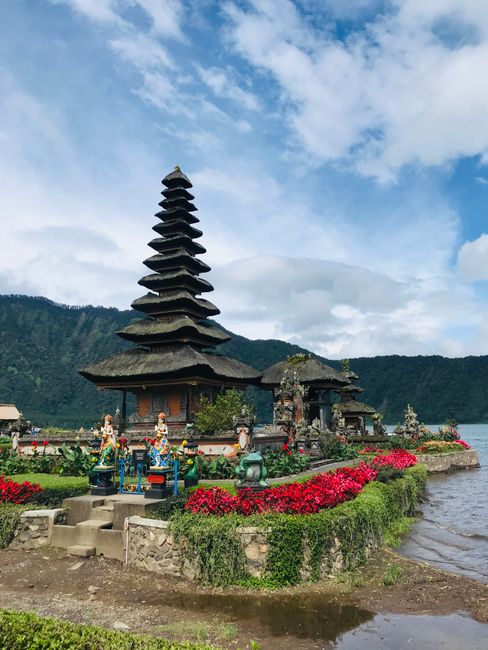
Before we jump into specific ceremonies, it's crucial to understand the bedrock of Balinese culture: Balinese Hinduism. It's not quite the same as Hinduism you might find in India. Over centuries, it has blended with indigenous animistic beliefs, creating a unique and vibrant religious system.
Balinese Hinduism revolves around the concept of Tri Hita Karana, which translates to "the three causes of well-being." These three causes represent the harmonious relationship between:
- God (Parhyangan): Maintaining a strong connection with the divine through prayers, offerings, and temple rituals.
- Humans (Pawongan): Fostering harmonious relationships within the community through cooperation, mutual respect, and shared celebrations.
- Nature (Palemahan): Living in balance with the environment, respecting and protecting the natural world.
This philosophy profoundly influences every aspect of Balinese life, from daily routines to elaborate ceremonies. Everything is done with the intention of maintaining balance and harmony within these three realms.
Think of it like this: you can't have a thriving community if you're constantly at odds with nature. You can't have a fulfilling life if you feel disconnected from something larger than yourself. The Balinese understand this intuitively, and their ceremonies are a testament to this deep-seated belief.
Offerings: The Daily Dialogue with the Divine

If there's one thing you'll see everywhere in Bali, it's offerings. These are not just pretty decorations; they're a fundamental part of Balinese spiritual life. Known as Canang Sari, these small, intricately woven baskets filled with flowers, food, and incense are placed in temples, homes, shops, and even on the dashboards of cars. It's like a constant conversation with the gods and spirits, a daily expression of gratitude and respect.
I remember once being mesmerized watching a woman meticulously crafting a Canang Sari. The precision and care she put into each petal, each grain of rice, was incredible. It wasn't just a chore; it was a meditative practice, a way to connect with the divine.
The purpose of Canang Sari is multifaceted:
- Gratitude: To thank the gods for their blessings.
- Appeasement: To appease potentially harmful spirits.
- Balance: To maintain harmony between the visible and invisible worlds.
The colors of the flowers also hold symbolic meaning, representing different deities and aspects of the universe. It's a complex and beautiful system, a microcosm of Balinese spirituality in a small, woven basket.
Don't be surprised to see these offerings even on the ground. While it might seem disrespectful to Western eyes, it's perfectly normal. Once the essence of the offering has been taken by the spirits, the physical form is no longer as important.
Temple Festivals (Odalan): Celebrations of Community and Divinity

Temple festivals, known as Odalan, are the highlight of the Balinese ceremonial calendar. These vibrant celebrations are held annually at each temple, commemorating its founding anniversary. Imagine a symphony of colors, sounds, and movement, a complete immersion in Balinese culture. Each temple celebrates its Odalan on a specific date according to the Balinese Pawukon calendar (a 210-day calendar) making for a near-constant cycle of festivals across the island.
I've been fortunate enough to attend several Odalan, and each one has been a unique and unforgettable experience. The sheer scale of these events is astounding. Hundreds, sometimes thousands, of people come together to pray, make offerings, and enjoy traditional performances.
Here's what you can expect at an Odalan:
- Elaborate Decorations: Temples are adorned with colorful banners, flags, and intricate decorations made from bamboo, palm leaves, and flowers.
- Processions: Sacred objects, such as statues and relics, are carried in elaborate processions around the temple grounds, accompanied by gamelan music and dancers.
- Offerings: Mountains of offerings are presented to the gods, including fruit, flowers, rice cakes, and even live animals in some cases (though this is becoming less common).
- Traditional Performances: Balinese dances, such as the Barong, Legong, and Kecak, are performed throughout the festival, telling stories from Hindu epics and local legends.
- Community Feasts: Food is shared among the attendees, strengthening the bonds of community and fostering a sense of togetherness.
One of the most striking aspects of Odalan is the Pengrebongan ceremony held at Pura Petilan Pengerebongan in Kesiman, Denpasar. This unique ritual involves men in a trance state stabbing themselves with kris (traditional daggers) without suffering any apparent injury. It's a powerful display of spiritual devotion and the ability to transcend physical limitations.
Attending an Odalan is a fantastic way to experience Balinese culture firsthand. Just remember to dress respectfully (cover your shoulders and knees), and be mindful of local customs. Ask for permission before taking photos, and avoid disrupting the ceremonies.
Life Cycle Rituals: From Birth to Death and Beyond

Balinese ceremonies mark every significant stage of life, from birth to death and beyond. These rituals are designed to purify the individual, connect them with the divine, and integrate them into the community.
1. Birth Ceremonies:
From the moment a child is born, a series of ceremonies are performed to protect them from negative influences and ensure their well-being. One of the most important is the Nelubulanin ceremony, held when the baby is 105 days old (according to the Balinese calendar). This ceremony marks the transition of the baby from the spiritual realm to the earthly realm.
2. Tooth Filing Ceremony (Metatah):
Perhaps one of the most visually striking life cycle rituals is the tooth filing ceremony, or Metatah. This rite of passage is performed when a young person reaches adolescence, typically between the ages of 13 and 18. The purpose of filing the upper six teeth is to symbolically remove negative traits such as greed, lust, anger, confusion, laziness, and jealousy.
I remember being slightly apprehensive when I first heard about Metatah. The idea of filing teeth seemed a bit barbaric! However, after learning more about the symbolism and the spiritual significance of the ceremony, I came to appreciate it as a powerful expression of self-improvement and spiritual growth.
The ceremony is usually a grand affair, with family and friends coming together to celebrate. The young person is dressed in traditional attire and adorned with elaborate makeup. A specially trained priest performs the filing, chanting prayers and making offerings to the gods.
3. Marriage Ceremonies:
Balinese weddings are elaborate and joyous occasions, steeped in tradition and symbolism. The ceremonies can last for several days and involve a series of rituals designed to unite the couple and ensure their happiness and prosperity.
One of the key elements of a Balinese wedding is the Pasupati ceremony, in which the couple's souls are symbolically united. This involves the exchange of offerings and prayers, as well as the tying of sacred threads around their wrists.
4. Death Ceremonies (Ngaben):
Perhaps the most distinctive and widely known Balinese ceremony is the cremation ceremony, or Ngaben. This is not a somber occasion, but rather a celebration of the deceased's life and a means of freeing their soul from earthly attachments.
Ngaben is a complex and elaborate process that can take several days to complete. The body is cremated in a beautifully decorated cremation tower, and the ashes are scattered into the sea or a river. The ceremony is accompanied by music, dance, and prayers, creating a vibrant and uplifting atmosphere.
I attended a Ngaben ceremony a few years ago, and it was a profoundly moving experience. While there was certainly sadness and grief, there was also a sense of peace and acceptance. The Balinese believe that death is not an end, but rather a transition to another realm, and Ngaben is a way to facilitate that transition.
One interesting aspect of Ngaben is the Lembu, a sarcophagus shaped like a bull or other animal, in which the body is placed before cremation. The type of animal used often depends on the social status of the deceased.
Unique and Lesser-Known Rituals
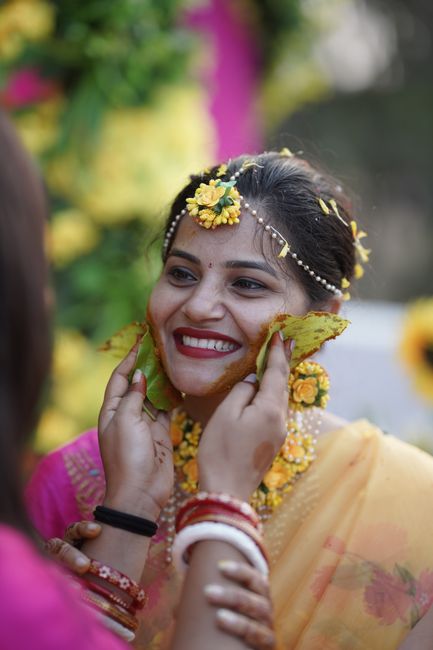
Beyond the well-known ceremonies, Bali is also home to a wealth of unique and lesser-known rituals that offer a glimpse into the island's rich cultural heritage. These ceremonies are often specific to certain villages or regions and reflect the unique beliefs and traditions of those communities.
1. Mekare-Kare (Pandanus War):
Held annually in the village of Tenganan Pegringsingan, Mekare-Kare, also known as the Pandanus War, is a fierce and bloody battle between men armed with thorny pandanus leaves. This ritual is performed to honor the gods and ancestors and to strengthen the bonds of community.
The participants, dressed in traditional attire, engage in one-on-one combat, slashing each other with the pandanus leaves. The wounds are often severe, but the warriors believe that the blood shed during the battle will bring blessings and prosperity to the village. It's a fascinating (and slightly terrifying!) display of strength, skill, and devotion.
2. Omed-Omedan (The Kissing Ritual):
Held in Sesetan, Denpasar, the Omed-Omedan kissing ritual is a unique and somewhat controversial tradition performed by unmarried young people. After a period of prayer and cleansing, the participants are divided into male and female groups. The two groups then approach each other, and the young people are pushed together to kiss, while the crowd showers them with water.
The ritual is believed to bring good luck and prosperity to the village, and it's certainly a lively and entertaining event. However, it's important to note that Omed-Omedan is a cultural tradition with specific rules and guidelines, and it should be approached with respect and sensitivity.
3. Usaba Sambah (Rice Planting Ritual):
In the village of Asak, Karangasem, the Usaba Sambah ritual is performed to ensure a bountiful rice harvest. The ceremony involves a procession of villagers carrying offerings to the rice fields, where they perform dances and prayers to invoke the blessings of the gods.
The ritual is a beautiful example of the Balinese people's deep connection to nature and their reliance on agriculture. It's a reminder that their lives are inextricably linked to the land and that they must respect and protect it in order to thrive.
Responsible Tourism and Cultural Sensitivity
As tourism continues to grow in Bali, it's essential to approach these ceremonies with respect and sensitivity. Remember that these are not staged performances for tourists; they are deeply meaningful religious rituals.
Here are a few tips for responsible tourism:
- Dress Respectfully: When visiting temples or attending ceremonies, dress modestly. Cover your shoulders and knees, and avoid wearing revealing clothing. A sarong and sash are often required and can be rented at the entrance to most temples.
- Ask for Permission: Before taking photos, ask for permission from the people involved. Be especially mindful of photographing priests or individuals in a trance state.
- Be Mindful of Your Behavior: Avoid loud talking or disruptive behavior. Remember that you are a guest, and you should be respectful of the local customs and traditions.
- Learn About the Culture: Take the time to learn about Balinese Hinduism and the significance of the ceremonies you are witnessing. This will help you to appreciate the culture on a deeper level.
- Support Local Communities: Choose locally owned businesses and hire local guides. This will help to ensure that your tourism dollars benefit the Balinese people.
By practicing responsible tourism, you can help to preserve Balinese culture for future generations and ensure that your visit is a positive and enriching experience for both you and the local community.
My Personal Reflections

My journey into the world of Balinese ceremonies has been a transformative experience. I've learned so much about spirituality, community, and the importance of living in harmony with nature. More than just witnessing rituals, I've felt a deep connection to the Balinese people and their way of life.
I've been humbled by their unwavering faith, their genuine hospitality, and their commitment to preserving their cultural heritage. I've also been inspired by their ability to find joy and meaning in even the simplest of things.
I believe that there's something truly special about Bali, something that transcends the beautiful landscapes and the delicious food. It's the spirit of the people, their unwavering belief in the power of community, and their deep connection to the divine. It's a feeling you have to experience for yourself to truly understand.
I hope this article has given you a glimpse into the fascinating world of Balinese ceremonies. If you ever have the opportunity to visit Bali, I encourage you to immerse yourself in the culture and witness these rituals firsthand. It's an experience you'll never forget.
So, until next time, keep exploring, keep learning, and keep your heart open to the beauty and wonder of the world!
Post a Comment