Balinese Cooking Classes: Unveiling the Heart of Indonesian Flavors

Balinese Cooking Classes: Unveiling the Heart of Indonesian Flavors
Have you ever traveled somewhere and just felt completely immersed in the culture? For me, Bali was one of those places. The vibrant colors, the fragrant incense, the warmth of the people – it all just draws you in. But beyond the stunning beaches and breathtaking temples, it was the food that truly captured my heart. And what better way to connect with a culture than through its cuisine? That's why I jumped at the chance to take a Balinese cooking class, and let me tell you, it was an experience I'll never forget.
Why Take a Balinese Cooking Class?

Okay, so you might be thinking, "Why spend my vacation time chopping vegetables when I could be lounging by the pool?" Fair point! But trust me, a Balinese cooking class is so much more than just learning recipes. It's a journey into the heart of Balinese culture, a chance to connect with locals, and a delicious way to learn about the ingredients that make Balinese food so incredibly special. Here's why I think it's a must-do:
- Immerse Yourself in Balinese Culture: Food is a universal language, and learning about Balinese cuisine gives you a unique insight into their traditions, beliefs, and daily life. Many classes start with a visit to a local market, where you'll learn about the different spices, vegetables, and fruits that are essential to Balinese cooking. You'll understand how these ingredients are used in ceremonies, offerings, and everyday meals.
- Learn Authentic Recipes: Forget watered-down tourist versions! In a good cooking class, you'll learn how to prepare authentic Balinese dishes from scratch. You'll discover the secrets behind those incredible flavors and learn techniques that have been passed down through generations.
- Connect with Local Chefs and Families: Many cooking classes are run by local families in their own homes or traditional compounds. This gives you the opportunity to interact with Balinese people, learn about their lives, and experience their hospitality firsthand. The chefs are usually incredibly passionate about sharing their knowledge and love for Balinese food.
- Enhance Your Cooking Skills: Even if you're a seasoned cook, you're bound to learn something new. Balinese cuisine uses a unique blend of spices and techniques that you won't find anywhere else. You'll learn how to make spice pastes (bumbu), balance flavors, and create dishes that are both delicious and visually appealing.
- Enjoy a Delicious Meal You Prepared Yourself: The best part? At the end of the class, you get to enjoy the fruits (or vegetables!) of your labor. You'll sit down with your fellow classmates and the cooking instructors to savor the dishes you've prepared, sharing stories and laughter over a delicious meal.
Choosing the Right Cooking Class: My Personal Experience
Before I even booked my flights to Bali, I started researching cooking classes. There were so many options, from large culinary schools to small, family-run operations. It was a bit overwhelming, to be honest. I finally decided to go with a smaller, more intimate class that was recommended by a friend who had visited Bali a few years prior. It was located in a village outside of Ubud, and the class was held in the family's traditional Balinese compound. It felt much more authentic and personal, which is exactly what I was looking for.
The day started early with a visit to the local market. Our instructor, a lovely woman named Ibu Made (Ibu means "mother" in Indonesian), guided us through the bustling market, explaining the different spices, vegetables, and fruits. I was amazed by the variety of colors and smells. She showed us how to choose the freshest ingredients and explained their uses in Balinese cooking. It was like a mini-masterclass in Balinese produce!
After the market, we went back to the family compound. It was a beautiful space with traditional Balinese architecture, lush gardens, and a serene atmosphere. We were greeted with refreshing glasses of iced ginger tea, which was the perfect way to cool down after the market visit. Ibu Made then introduced us to her family, who were all incredibly welcoming and friendly.
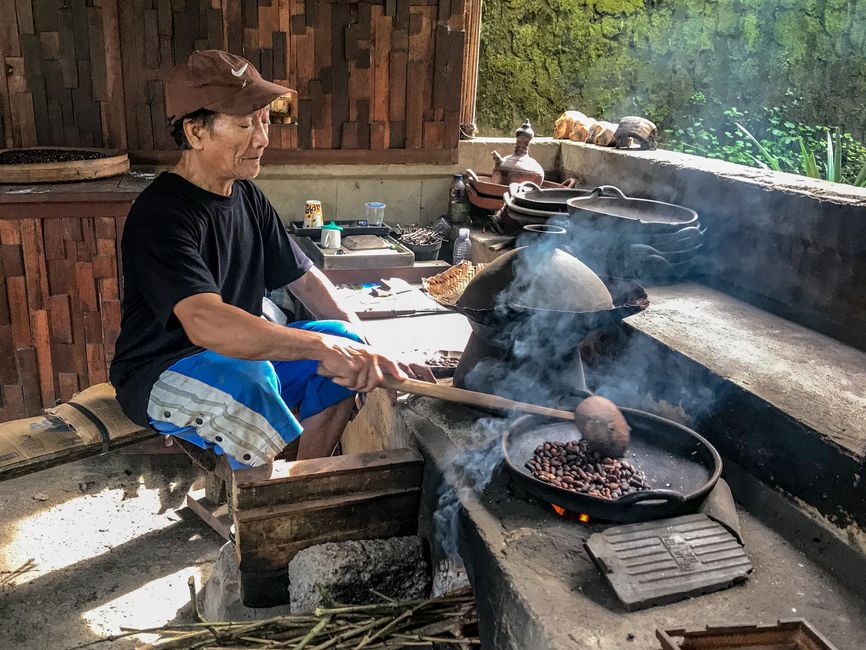
The cooking class itself was held in an open-air kitchen. Ibu Made had already prepared all the ingredients, neatly arranged on the counter. We started by learning how to make the base spice paste, or bumbu, which is the foundation of many Balinese dishes. It was a mix of shallots, garlic, ginger, galangal, turmeric, chili peppers, and other spices. We used a traditional stone mortar and pestle to grind the ingredients into a fragrant paste. It was definitely a workout, but the aroma was incredible!
Throughout the day, we learned how to prepare a variety of dishes, including:
- Gado-Gado: A classic Indonesian salad with blanched vegetables, tofu, tempeh, and peanut sauce.
- Sate Lilit: Minced meat satay wrapped around lemongrass skewers.
- Pepes Ikan: Steamed fish wrapped in banana leaves with spices.
- Lawar: A traditional Balinese dish made with minced meat, vegetables, and spices.
- Nasi Goreng: Indonesian fried rice.
- Kare Ayam: Chicken Curry.
Ibu Made was a fantastic teacher. She patiently explained each step, demonstrating the techniques and answering our questions. She also shared stories about her family, her village, and her love for Balinese food. It felt like we were cooking with a friend, rather than just attending a class.
The best part, of course, was eating the food we had prepared. We sat down at a long table in the garden, surrounded by the fragrant flowers and the sounds of nature. The food was absolutely delicious, and I felt a real sense of accomplishment knowing that I had made it myself. It was more than just a meal; it was a celebration of Balinese culture, a connection with the local community, and a memory that I will cherish forever.
What to Look for in a Balinese Cooking Class

So, you're ready to book your own Balinese cooking class? That's fantastic! But with so many options available, how do you choose the right one? Here are some things to consider:
- Class Size: Do you prefer a small, intimate class or a larger group setting? Smaller classes tend to offer more personalized attention, while larger classes can be more social.
- Location: Do you want to take a class in a central location like Ubud or Seminyak, or would you prefer a more remote village experience? Classes in villages often offer a more authentic and immersive experience.
- Market Visit: Does the class include a visit to a local market? This is a great way to learn about the ingredients and experience the local culture.
- Menu: What dishes will you be learning to prepare? Make sure the menu includes dishes that you're interested in learning and that represent the diversity of Balinese cuisine.
- Instructor: Who is teaching the class? Look for instructors who are experienced, passionate, and knowledgeable about Balinese food and culture. Reading reviews can be very helpful here.
- Dietary Restrictions: Do you have any dietary restrictions, such as vegetarian, vegan, or gluten-free? Make sure the class can accommodate your needs.
- Price: Prices for Balinese cooking classes can vary widely. Compare prices and make sure you're getting good value for your money. Consider what is included (market visit, ingredients, meal, drinks, etc.).
- Reviews: Check online reviews to see what other people have to say about the class. This can give you a good idea of the quality of the experience.
Beyond the Basics: Diving Deeper into Balinese Cuisine
Once you've mastered the basics, you might want to delve even deeper into the world of Balinese cuisine. Here are a few ideas:
- Specialty Classes: Look for classes that focus on specific aspects of Balinese cuisine, such as vegetarian cooking, seafood preparation, or traditional desserts.
- Advanced Techniques: Some classes offer advanced techniques, such as carving vegetables or making intricate spice pastes.
- Private Classes: If you want a more personalized experience, consider booking a private cooking class. This will allow you to customize the menu and receive one-on-one instruction.
- Cooking Tours: Combine your cooking class with a tour of local farms, markets, or restaurants. This is a great way to learn about the origins of the ingredients and experience the local food scene.
- Learn Bahasa Indonesia: Learning a few basic phrases in Bahasa Indonesia (the Indonesian language) can enhance your experience and make it easier to communicate with the locals. Even just knowing how to say "terima kasih" (thank you) will go a long way.
My Favorite Balinese Dishes (And How to Recreate Them)
While I learned so many amazing recipes during my cooking class, a few dishes really stood out. Here are a couple of my favorites, along with some tips on how to recreate them at home:
- Gado-Gado: This is a must-try when visiting Bali. It's a refreshing and flavorful salad that's perfect for a hot day.
Ingredients:
- Blanched vegetables (long beans, spinach, cabbage, bean sprouts)
- Boiled potatoes
- Fried tofu and tempeh
- Hard-boiled eggs
- Peanut sauce (recipe below)
- Krupuk (shrimp crackers)
Peanut Sauce Recipe:
- 1 cup roasted peanuts
- 2 cloves garlic
- 1 chili pepper (or more, to taste)
- 1 tablespoon palm sugar
- 1 teaspoon tamarind paste
- Salt to taste
- Water to thin
Instructions:
- Grind the peanuts, garlic, chili pepper, palm sugar, tamarind paste, and salt into a paste.
- Add water to thin the sauce to your desired consistency.
- Arrange the vegetables, tofu, tempeh, and eggs on a plate.
- Drizzle with peanut sauce and top with krupuk.
- Sate Lilit: This flavorful satay is a Balinese specialty. The lemongrass skewers add a unique aroma and flavor.
Ingredients:
- 500g minced meat (chicken, pork, or fish)
- 1/2 cup grated coconut
- 2 tablespoons bumbu (Balinese spice paste - you can buy pre-made or make your own)
- 1 tablespoon fish sauce
- 1 teaspoon palm sugar
- Salt and pepper to taste
- Lemongrass skewers
Instructions:
- Combine the minced meat, grated coconut, bumbu, fish sauce, palm sugar, salt, and pepper in a bowl.
- Mix well until all ingredients are thoroughly combined.
- Shape the mixture around the lemongrass skewers, pressing firmly to secure.
- Grill or pan-fry the satay until cooked through.
- Serve with peanut sauce or a dipping sauce of your choice.
Tips for Making the Most of Your Balinese Cooking Class

To ensure you have the best possible experience, here are a few more tips:
- Wear comfortable clothes and shoes: You'll be standing and moving around for several hours.
- Bring a notebook and pen: You'll want to take notes on the recipes and techniques.
- Ask questions: Don't be afraid to ask your instructor questions. They're there to help you learn.
- Be open to trying new things: Balinese cuisine uses ingredients and flavors that you may not be familiar with. Be adventurous and try everything!
- Take photos and videos: Capture the memories of your cooking class so you can relive them later.
- Most importantly, have fun! Cooking should be enjoyable, so relax, embrace the experience, and savor the delicious food.
Bringing Bali Home: Sourcing Ingredients

One of the biggest challenges of recreating Balinese dishes at home is finding the right ingredients. While some ingredients, like shallots, garlic, and ginger, are readily available, others, like galangal, kencur (lesser galangal), and salam leaves (Indonesian bay leaves), can be harder to find. Here are a few tips for sourcing ingredients:
- Asian Markets: Your best bet is to check your local Asian markets. They usually carry a wide variety of Indonesian and Southeast Asian ingredients.
- Online Retailers: Several online retailers specialize in Southeast Asian ingredients. A quick search will turn up several options.
- Specialty Spice Shops: Some specialty spice shops may carry some of the more unusual Balinese spices.
- Grow Your Own: If you have a garden, you can try growing some of the herbs and spices yourself. Ginger, turmeric, and chili peppers are relatively easy to grow in warm climates.
- Substitutions: If you can't find a particular ingredient, you can sometimes substitute it with a similar ingredient. For example, you can substitute regular bay leaves for salam leaves, although the flavor will be slightly different.
More than Just Recipes: A Cultural Exchange

For me, my Balinese cooking class was more than just learning how to cook. It was a cultural exchange, a chance to connect with locals, and a way to deepen my appreciation for Balinese culture. I left Bali with a newfound respect for the art of Balinese cooking and a collection of delicious recipes that I can now share with my friends and family. I also left with a warm feeling in my heart, knowing that I had experienced something truly special.
So, if you're planning a trip to Bali, I highly recommend taking a cooking class. It's an investment in an unforgettable experience that will nourish your body, mind, and soul. You might even discover a hidden talent for Balinese cooking! And who knows, maybe you'll even inspire your friends and family to try something new. Selamat makan! (Enjoy your meal!)
Continuing Your Culinary Adventure

The beauty of Balinese cuisine is that there's always more to discover. Even after taking a cooking class, you can continue your culinary adventure by:
- Experimenting with Recipes: Don't be afraid to get creative and experiment with the recipes you've learned. Adjust the spices to your liking, try different vegetables, or create your own unique variations.
- Reading Cookbooks: There are many excellent cookbooks dedicated to Indonesian and Balinese cuisine. These cookbooks can provide you with even more recipes, tips, and insights into the culture.
- Watching Online Tutorials: YouTube is a great resource for finding cooking tutorials. You can find videos that demonstrate specific techniques or show you how to prepare different Balinese dishes.
- Joining Online Communities: Connect with other food lovers online through forums, social media groups, or cooking communities. Share your experiences, ask questions, and learn from others.
- Traveling to Bali Again: Of course, the best way to continue your culinary adventure is to return to Bali! Explore different regions, try new restaurants, and take more cooking classes.
Final Thoughts: A Taste of Paradise

My Balinese cooking class was truly one of the highlights of my trip to Bali. It was an immersive, enriching, and delicious experience that I will never forget. It taught me not only how to cook Balinese food, but also how to appreciate the culture, connect with the local community, and create lasting memories. If you're looking for an authentic and meaningful travel experience, I wholeheartedly recommend adding a Balinese cooking class to your itinerary. You won't be disappointed. And who knows? You might just find yourself planning a return trip to Bali, just for the food!
Post a Comment