Balinese Gamelan Music: An Immersive Journey into the Rhythms of Bali
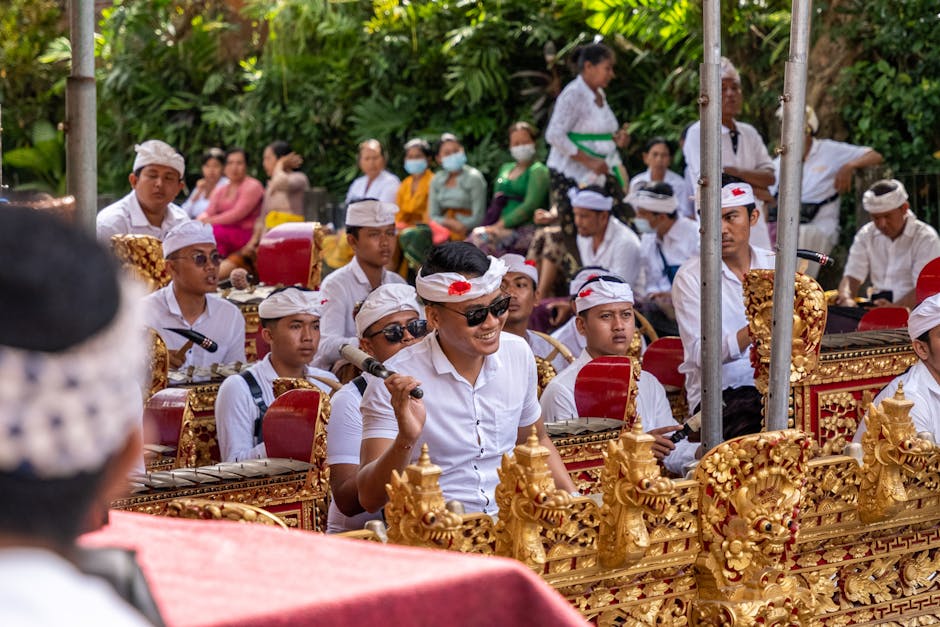
Balinese Gamelan Music: An Immersive Journey into the Rhythms of Bali
Have you ever heard a sound so enchanting, so vibrant, that it transported you to another world? For me, that sound is the Balinese gamelan. It's more than just music; it's a cultural heartbeat, a sonic tapestry woven with intricate rhythms and melodies that resonate deep within the soul. I've been captivated by gamelan ever since I first encountered it, and I'm excited to share my experiences and insights with you.
What is Balinese Gamelan? An Introduction
Okay, let's start with the basics. What exactly is gamelan? Simply put, it's a traditional ensemble music of Indonesia, primarily found in Bali and Java. But while both Balinese and Javanese gamelan share the same root, they've evolved into distinct styles. Balinese gamelan, in particular, is known for its brilliant, shimmering sound, its explosive bursts of energy, and its dazzling complexity.
Imagine an orchestra, but instead of violins and trumpets, you have a collection of bronze percussion instruments. These include metallophones (instruments with metal bars that are struck), gongs, drums, and often, flutes and stringed instruments. The ensemble works together in perfect synchronization to create a rich and textured soundscape that is both powerful and delicate.
A Symphony of Instruments: Exploring the Gamelan Orchestra
The beauty of gamelan lies not only in the music itself but also in the incredible diversity of instruments that make it up. Each instrument plays a crucial role in creating the overall sound.
Here are some of the key players in a typical Balinese gamelan orchestra:
- Metallophones: These are the backbone of the gamelan. They consist of bronze bars of different lengths, each tuned to a specific pitch. They're struck with mallets to produce a clear, ringing tone. The most common metallophones include:
- Gangsa: These are high-pitched metallophones that play the intricate melodic patterns.
- Gender: These metallophones have a wider range and often play more complex and improvisational parts.
- Jegogan and Jublag: These are the lower-pitched metallophones that provide the foundation for the harmony.
- Gongs: These are large, suspended bronze discs that are struck with padded mallets. They provide the rhythmic punctuation and add depth and resonance to the sound. Different sizes and types of gongs are used to create a variety of timbres. The most notable gongs include:
- Gong Ageng: The largest gong, producing a deep, resonant sound.
- Kempur: A smaller gong with a sharper, more percussive tone.
- Kendang (Drums): These are double-headed drums that are played with the hands. They are used to control the tempo and rhythm of the music and often lead the ensemble.
- Ceng-ceng: These are small cymbals that are attached to a wooden frame. They are struck together to create a bright, shimmering sound.
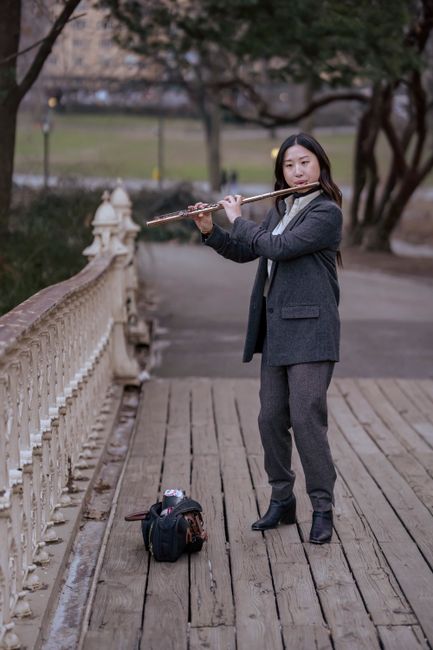
- Suling (Flute): This is a bamboo flute that adds a melodic and lyrical element to the gamelan.
- Rebab (Spike Fiddle): A two-stringed bowed instrument that plays a melodic line.
- Other Instruments: Depending on the specific gamelan ensemble, you might also find other instruments like the Gambang (a wooden xylophone), the Celempung (a zither-like instrument), and various percussion instruments.
The combination of these instruments, each with its unique timbre and role, creates the incredibly rich and complex sound that is characteristic of Balinese gamelan.
More Than Just Music: The Cultural Significance

Gamelan isn't just a form of entertainment in Bali; it's deeply intertwined with the island's culture and traditions. It plays a vital role in religious ceremonies, temple festivals, dance performances, and even shadow puppet theater (Wayang Kulit).
Think about it: every major event in Balinese life is accompanied by gamelan music. From temple processions to weddings and cremations, the music provides a backdrop that is both celebratory and reverent. The rhythmic pulse of the gamelan connects the community to its ancestors and to the spiritual realm.
I remember attending a temple festival once, and the energy was palpable. The air was thick with the scent of incense, the colors of the offerings were vibrant, and the gamelan music filled the air with an almost hypnotic power. The music wasn't just something to listen to; it was something to feel, something to be a part of. It was a profound reminder of the interconnectedness of Balinese culture and spirituality.
The Scales and Structures: Diving into the Music Theory

Now, let's get a little more technical. Balinese gamelan uses a unique set of scales and structures that differ significantly from Western music. Understanding these elements can help you appreciate the music on a deeper level.
Scales:
Unlike the familiar major and minor scales of Western music, Balinese gamelan uses a variety of pentatonic (five-note) and heptatonic (seven-note) scales. These scales, known as pelog and slendro, create a distinct and exotic sound.
- Pelog: This is a heptatonic scale, but not all seven notes are typically used in a single piece of music. Different subsets of pelog are used to create different moods and atmospheres.
- Slendro: This is a pentatonic scale with relatively equidistant intervals between the notes. It has a more open and ethereal sound than pelog.
The tuning of these scales is also quite different from Western tuning. Balinese gamelan orchestras are tuned to their own unique pitch standard, and there is no absolute pitch reference. This means that each gamelan orchestra has its own distinctive sound.
Structure:
Balinese gamelan music is typically structured around a core melody, known as the pokok, which is played by the lower-pitched metallophones. The other instruments then elaborate on this melody, creating a complex and layered texture. The music often features interlocking rhythmic patterns, known as kotekan, which require incredible precision and coordination from the musicians.
The concept of colotomic structure is also fundamental to gamelan music. This refers to the cyclical structure created by the periodic striking of specific gongs. These gongs mark the end of musical phrases and provide a sense of overall form to the music.
The Energetic Interplay: Kotekan and Interlocking Rhythms

One of the most fascinating aspects of Balinese gamelan is the use of kotekan, interlocking rhythmic patterns that create a dazzling and energetic effect. Imagine two or more musicians playing incredibly fast and complex rhythms that fit together like pieces of a puzzle. Each musician only plays a small part of the overall rhythm, but when combined, they create a continuous and intricate pattern.
This requires incredible skill, concentration, and teamwork. The musicians must listen carefully to each other and be perfectly synchronized to create a seamless and cohesive sound. The effect is both exhilarating and mesmerizing. It's like watching a group of athletes performing a perfectly choreographed routine.
I've tried my hand at playing kotekan a few times, and let me tell you, it's not easy! It requires a lot of practice and a deep understanding of the rhythmic patterns. But when you finally get it right, it's an incredibly rewarding experience. You feel a sense of connection to the other musicians and to the music itself.
Variations and Styles: Exploring the Gamelan Landscape

Just like any musical tradition, Balinese gamelan encompasses a wide range of styles and variations. Each style has its own unique instrumentation, repertoire, and performance context.
Here are a few of the most popular types of Balinese gamelan:
- Gamelan Gong Kebyar: This is perhaps the most popular and well-known style of Balinese gamelan. It's characterized by its explosive energy, its virtuosic playing, and its dramatic shifts in tempo and dynamics. Gong Kebyar is often used to accompany dance performances and theatrical productions.
- Gamelan Semar Pegulingan: This is a more refined and lyrical style of gamelan that is often associated with the royal courts of Bali. It features a wider range of instruments and a more complex melodic structure.
- Gamelan Angklung: This is a smaller and more portable ensemble that is often used for processions and ceremonies. It features bamboo angklung instruments, which are shaken to produce a rattling sound.
- Gamelan Gender Wayang: This ensemble is specifically used to accompany shadow puppet theater (Wayang Kulit). It features a set of gender metallophones that play intricate and expressive melodies.
- Gamelan Jegog: This is a unique ensemble that features bamboo instruments of enormous size. The sound of Gamelan Jegog is incredibly deep and resonant, creating a powerful and visceral experience.
Each of these styles offers a unique glimpse into the richness and diversity of Balinese musical culture. Exploring these different styles can be a fascinating journey in itself.
Learning and Experiencing Gamelan: Opportunities for Involvement

If you're interested in learning more about Balinese gamelan, there are many opportunities to experience it firsthand. Here are a few suggestions:
- Visit Bali: The best way to experience gamelan is to travel to Bali and immerse yourself in the culture. Attend a temple festival, watch a dance performance, or take a gamelan lesson.
- Find a Local Ensemble: Many universities and community centers have gamelan ensembles. Joining one of these groups is a great way to learn the basics of playing gamelan and to connect with other enthusiasts.
- Online Resources: There are many websites and online resources that offer information about Balinese gamelan. You can find recordings, videos, and even online lessons.
- Workshops and Festivals: Keep an eye out for gamelan workshops and festivals in your area. These events offer opportunities to learn from experienced musicians and to perform with other ensembles.
I highly recommend trying to play gamelan, even if you don't have any musical experience. It's a challenging but incredibly rewarding experience. You'll learn about teamwork, coordination, and the power of music to connect people.
Personal Reflections: Why Gamelan Resonates With Me

For me, Balinese gamelan is more than just music; it's a source of inspiration, a connection to a rich and vibrant culture, and a reminder of the power of art to transcend boundaries. The music's complexity and energy are captivating, but it's also the sense of community and collaboration that I find so compelling.
The intricate rhythms and melodies of gamelan seem to mirror the complexity and beauty of life itself. The music ebbs and flows, with moments of intense energy and moments of quiet reflection. It's a reminder that life is a journey, full of ups and downs, but always moving forward.
I also appreciate the way that gamelan is integrated into Balinese life. It's not just something that is performed on a stage; it's an integral part of the community's social and spiritual fabric. This sense of integration is something that I think is often missing in Western culture.
Gamelan's Influence: From Classical to Contemporary Music

The unique sounds and structures of Balinese gamelan have had a profound influence on composers and musicians around the world. Its influence can be heard in a variety of genres, from classical music to jazz to contemporary pop.
Many Western composers, such as Claude Debussy, Colin McPhee, and Steve Reich, have been inspired by gamelan music. Debussy was particularly captivated by the shimmering textures and non-Western scales of gamelan, and his music often reflects these influences. Colin McPhee spent many years living in Bali and studying gamelan, and his compositions are a testament to his deep understanding and appreciation of the music.
In more recent times, gamelan has also influenced popular music. Bands like Radiohead and Björk have incorporated gamelan-inspired sounds into their music. The use of metallophones, gongs, and interlocking rhythms creates a unique and exotic sound that sets their music apart.
The fact that Balinese gamelan has had such a lasting impact on music around the world is a testament to its power and beauty. It's a reminder that music can transcend cultural boundaries and connect people from different backgrounds.
Preserving the Tradition: Ensuring Gamelan's Future

As with any traditional art form, there are challenges to preserving Balinese gamelan for future generations. Globalization, modernization, and the changing tastes of younger generations all pose threats to the tradition.
However, there are also many efforts underway to preserve and promote Balinese gamelan. These include:
- Gamelan Education: Many schools and universities in Bali offer gamelan classes to students. This helps to ensure that the tradition is passed down to younger generations.
- Government Support: The Indonesian government provides funding for gamelan ensembles and festivals. This helps to support the musicians and to promote the music to a wider audience.
- Tourism: Tourism can also play a role in preserving gamelan. Many tourists are interested in learning about Balinese culture, and gamelan performances are a popular attraction.
- International Collaborations: Collaborations between Balinese gamelan musicians and musicians from other countries can help to broaden the appeal of the music and to introduce it to new audiences.
It's important to support these efforts to ensure that Balinese gamelan continues to thrive for many years to come. By appreciating and sharing this incredible music, we can all play a part in preserving this important cultural heritage.
A Lasting Impression: My Gamelan Journey Continues

My journey with Balinese gamelan is far from over. I'm constantly learning and discovering new things about the music, the culture, and the people who make it. It's a journey that has enriched my life in countless ways.
I hope that this article has given you a glimpse into the beauty and complexity of Balinese gamelan. Whether you're a seasoned musician or a curious newcomer, I encourage you to explore this incredible musical tradition. You might just find yourself as captivated as I am.
So, the next time you hear the shimmering sounds of Balinese gamelan, take a moment to listen closely. Let the music transport you to the magical island of Bali and experience the rhythms that resonate deep within your soul. You won't be disappointed.
Post a Comment