Balinese Healing Traditions: Ancient Wisdom and Modern Practices

Balinese Healing Traditions: Ancient Wisdom and Modern Practices
Hey friend! Ever felt like you needed more than just a doctor's visit to truly feel well? I have. And that's what led me down the fascinating path of Balinese healing. It's not just about fixing a physical ailment; it's a holistic approach that considers the mind, body, and spirit. Think of it as a deep dive into ancient wisdom, still vibrantly alive today, offering a unique perspective on health and well-being. It's something I've found incredibly enriching, and I can't wait to share what I've learned with you.
The Essence of Balinese Healing: A Holistic Approach

What makes Balinese healing so special? Well, at its heart lies the concept of tri hita karana, which translates to "three causes of well-being." These three causes are: harmony with God (Parhyangan), harmony with other people (Pawongan), and harmony with nature (Palemahan). It's all about balance.
Imagine a three-legged stool. If one leg is weak, the whole stool topples over. Similarly, in Balinese philosophy, if any of these three harmonies are disrupted, it can lead to illness, imbalance, and unhappiness. Healing, therefore, is about restoring that equilibrium.
This holistic view recognizes that our physical health is intimately connected to our emotional, mental, and spiritual states. Stress, unresolved emotions, and disconnection from nature are all seen as potential contributors to illness. So, unlike some Western medical approaches that might focus solely on the symptoms, Balinese healing aims to address the root cause of the problem by looking at the whole picture.
It's a very personalized approach. No two people are exactly alike, so no two healing journeys will be identical. The healer will carefully assess your individual needs and tailor the treatment accordingly.
Key Players in Balinese Healing: The Healers

In Bali, healing isn't just the domain of doctors in white coats. There are various types of healers, each with their own unique skills and expertise. Let's meet a few of them:
- Balian Taksu: Think of them as intuitive healers. They have a strong connection to the divine and use their intuition to diagnose and treat illnesses. They might receive guidance through dreams, visions, or a direct connection with the spirit world. They often act as a bridge between the patient and the spiritual realm.
- Balian Usada: These healers are knowledgeable in traditional Balinese medicine, known as usada. They use a combination of herbal remedies, massage, and energy work to restore balance. They often consult ancient palm-leaf manuscripts (lontar) that contain detailed information about various illnesses and their corresponding treatments.
- Balian Paica: These healers are gifted with specific healing abilities, often passed down through their family lineage. Their gift might be related to bone setting, wound healing, or the treatment of specific ailments.
- Mangku: These are temple priests. They play a vital role in maintaining spiritual harmony and can provide blessings and rituals for healing and well-being. They might also be consulted for guidance on spiritual matters that could be impacting a person's health.
Finding the right healer is an important part of the process. It's often best to seek recommendations from trusted sources, such as friends, family, or locals who are familiar with the different healers in the area. Trust your intuition too! If you don't feel comfortable with a particular healer, it's okay to seek out someone else.
Traditional Balinese Healing Methods: An Overview
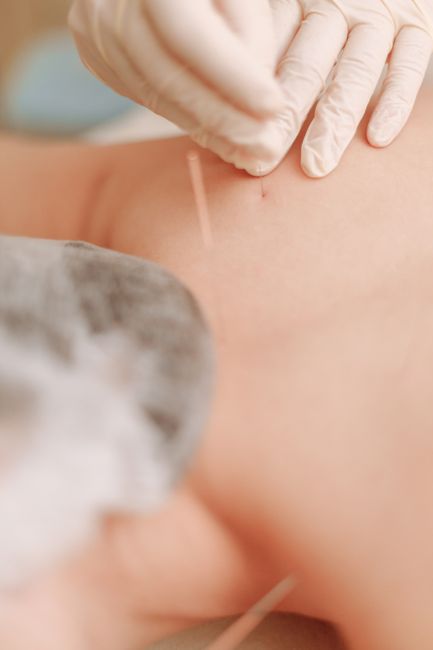
Okay, so what do these healers actually do? Balinese healing encompasses a wide range of techniques, often used in combination to address different aspects of a person's well-being. Here are some of the most common methods:
- Herbal Medicine (Usada): Bali is a treasure trove of medicinal plants, and herbal remedies are a cornerstone of Balinese healing. Healers use a variety of herbs, roots, flowers, and spices to create potent concoctions that can address a wide range of ailments. These remedies can be taken internally or applied externally as poultices, oils, or balms.
- Massage (Pijat): Balinese massage is more than just relaxation; it's a therapeutic technique that aims to release tension, improve circulation, and balance energy flow. Healers use a combination of long strokes, kneading, and pressure points to address specific areas of concern. It can be both deeply relaxing and incredibly effective in relieving pain and stiffness.
- Energy Healing (Prana): Prana is the vital life force that flows through all living things. In Balinese healing, energy imbalances are seen as a major contributor to illness. Energy healers use various techniques, such as hands-on healing, visualizations, and breathing exercises, to clear blockages and restore the natural flow of prana.
- Rituals and Ceremonies: Rituals and ceremonies play a significant role in Balinese life, and they're also an important part of the healing process. These ceremonies are often performed to appease the spirits, purify the body and mind, and restore harmony with the divine. They can involve offerings, prayers, chanting, and traditional dances.
- Meditation and Mindfulness: Cultivating inner peace and mindfulness is seen as essential for maintaining good health. Healers often guide patients in meditation practices to help them quiet their minds, connect with their inner selves, and release stress and anxiety.
- Diet and Lifestyle: Balinese healers recognize the importance of a healthy diet and lifestyle in promoting well-being. They often advise patients on dietary changes and lifestyle adjustments that can support their healing process. This might include eating more fresh, whole foods, reducing processed foods, getting regular exercise, and spending time in nature.
It's important to remember that these methods are often intertwined. A healer might prescribe a herbal remedy, perform a massage, and recommend a specific meditation practice, all as part of a comprehensive healing plan.
Exploring Balinese Herbal Medicine: A Natural Pharmacy
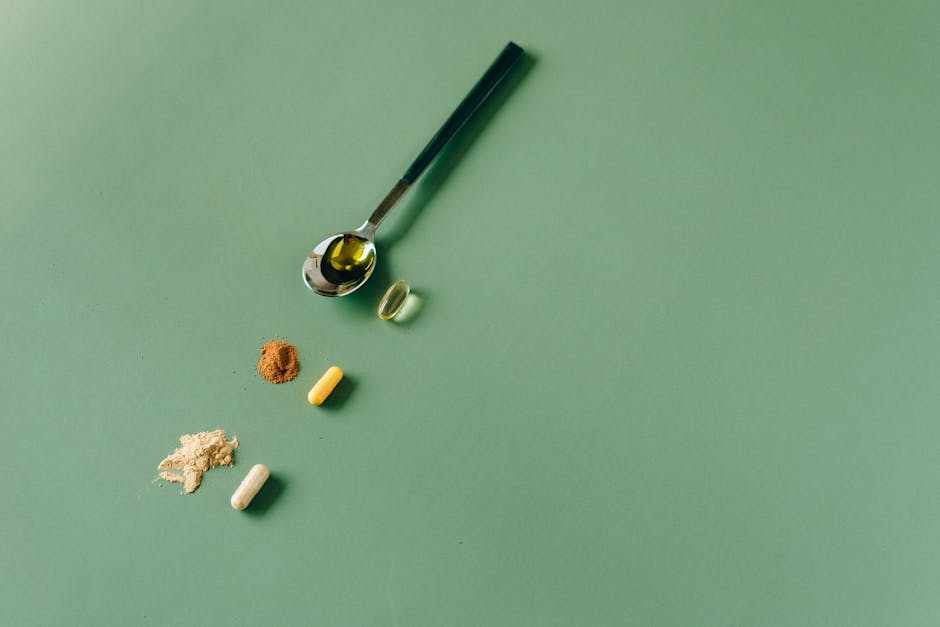
Let's zoom in on herbal medicine a bit more because it's such a vital component of Balinese healing. The Balinese have a deep understanding of the healing properties of plants, and they use this knowledge to create powerful remedies for a wide range of conditions.
Here are just a few examples of commonly used herbs and their traditional uses:
- Turmeric (Kunyit): Known for its anti-inflammatory and antioxidant properties, turmeric is used to treat a variety of ailments, including digestive issues, skin problems, and joint pain.
- Ginger (Jahe): A warming spice that is used to improve circulation, relieve nausea, and reduce inflammation.
- Galangal (Lengkuas): Similar to ginger, galangal is used to treat digestive problems, respiratory infections, and joint pain.
- Lemongrass (Sereh): Used to relieve stress, reduce anxiety, and improve sleep. It's also a common ingredient in traditional Balinese massage oils.
- Aloe Vera (Lidah Buaya): Used to soothe burns, heal wounds, and moisturize the skin.
- Coconut Oil (Minyak Kelapa): A versatile oil that is used for a variety of purposes, including moisturizing the skin, strengthening the hair, and boosting the immune system.
These herbs are often combined with other ingredients to create complex formulas that are tailored to the individual's needs. The preparation of these remedies is also considered an important part of the healing process. Healers often prepare the herbs with care and intention, imbuing them with positive energy.
Jamus are traditional herbal drinks that are widely consumed in Bali for their health benefits. These drinks are made from a variety of herbs, spices, and other natural ingredients, and they are often sweetened with honey or palm sugar. Some popular jamus include kunyit asam (turmeric and tamarind), beras kencur (rice and galangal), and wedang jahe (ginger tea).
The Role of Spirituality in Balinese Healing
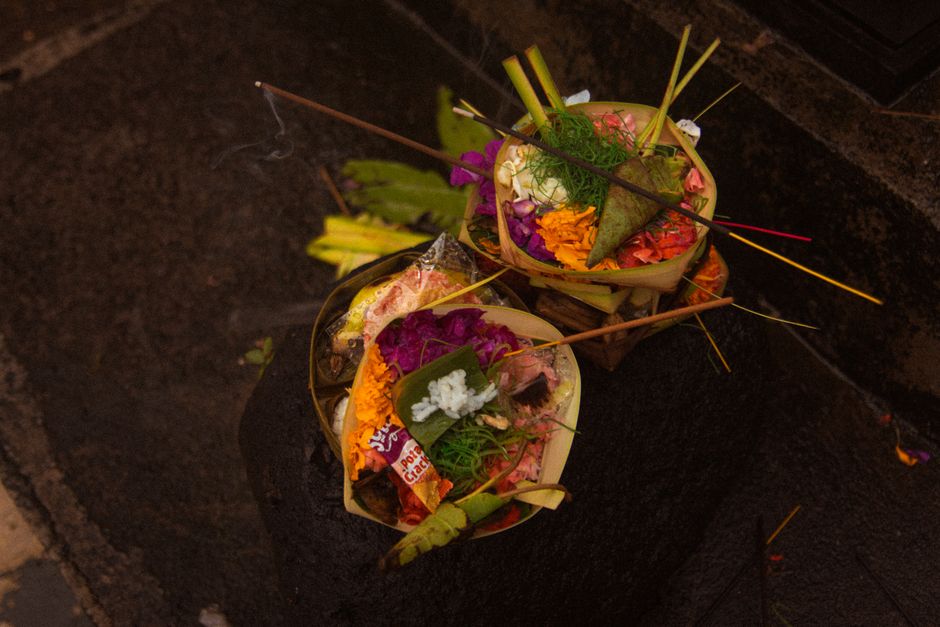
Spirituality is woven into the very fabric of Balinese life, and it plays a crucial role in their healing traditions. As we touched on earlier with the concept of tri hita karana, harmony with God is considered essential for overall well-being.
Balinese healers often work in conjunction with temple priests (Mangku) to incorporate spiritual practices into the healing process. This might involve:
- Offerings (Sesajen): Offerings are made to the gods and spirits to express gratitude, seek blessings, and restore harmony. These offerings typically consist of flowers, fruits, rice, and other symbolic items.
- Prayers (Mantras): Prayers are recited to invoke the blessings of the gods and spirits, to purify the body and mind, and to facilitate healing.
- Blessings (Melukat): Melukat is a purification ritual that involves bathing in holy water to cleanse the body, mind, and spirit of negative energies.
- Ceremonies (Upacara): Ceremonies are performed to mark important life events, to appease the spirits, and to restore balance to the community.
These spiritual practices are not seen as separate from the physical healing process; rather, they are considered an integral part of it. By addressing the spiritual dimension of illness, Balinese healers aim to restore harmony and balance on all levels of a person's being.
Modern Adaptations: Blending Ancient Wisdom with Contemporary Practices

While deeply rooted in ancient traditions, Balinese healing is not static. It continues to evolve and adapt to the changing needs of modern society. Today, you'll find a fascinating blend of ancient wisdom and contemporary practices in Bali.
For example, some Balinese healers are now incorporating elements of Western medicine into their practice. They might work in collaboration with doctors or other healthcare professionals to provide a more comprehensive approach to care. They might also use modern diagnostic tools, such as blood tests and X-rays, to supplement their traditional methods of diagnosis.
Similarly, some Western practitioners are beginning to incorporate elements of Balinese healing into their own practices. They might use Balinese massage techniques, herbal remedies, or mindfulness practices to complement their existing treatment modalities.
This cross-cultural exchange is creating exciting new possibilities for healing. By combining the best of both worlds, we can create a more holistic and integrated approach to health and well-being.
Wellness tourism in Bali has also exploded in recent years, leading to increased accessibility and innovation in Balinese healing. Many spas and retreats now offer traditional Balinese healing treatments, allowing visitors from around the world to experience the benefits of this ancient wisdom.
Experiencing Balinese Healing: What to Expect
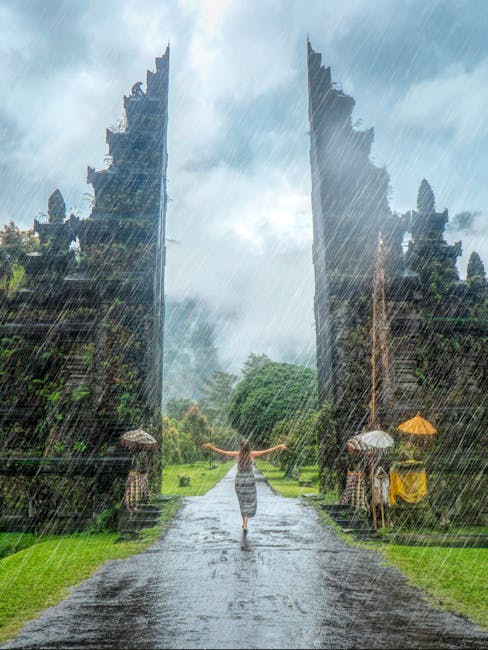
Okay, so you're intrigued. You're thinking about experiencing Balinese healing for yourself. What should you expect? Well, every experience is unique, but here are a few general guidelines:
- Finding a Healer: As mentioned earlier, it's best to seek recommendations from trusted sources. Don't be afraid to ask around and do your research.
- The Consultation: During your first consultation, the healer will typically ask you about your health history, your symptoms, and your lifestyle. They might also use their intuition or other diagnostic techniques to assess your condition.
- The Treatment: The treatment will vary depending on your individual needs and the healer's expertise. It might involve herbal remedies, massage, energy healing, rituals, or a combination of these methods.
- Openness and Trust: It's important to approach the healing process with an open mind and a willingness to trust the healer. The more you relax and allow yourself to receive the healing, the more effective it will be.
- Patience and Persistence: Healing is often a journey, not a destination. It might take time to see results, so be patient and persistent with the process.
Remember, Balinese healing is not a quick fix. It's a holistic approach that requires commitment and participation from both the healer and the patient. It's about creating a partnership to restore balance and promote well-being on all levels.
Ethical Considerations: Respecting the Tradition

As interest in Balinese healing grows, it's important to approach it with respect and sensitivity. This is a sacred tradition that has been passed down through generations, and it's crucial to avoid cultural appropriation or exploitation.
Here are a few ethical considerations to keep in mind:
- Seek Guidance from Authentic Healers: Make sure you're receiving treatment from a qualified and reputable healer who has been trained in the traditional methods. Avoid those who are simply trying to capitalize on the popularity of Balinese healing without a genuine understanding of the tradition.
- Respect the Culture: Learn about Balinese culture and traditions before seeking healing. This will help you to understand the context of the healing process and to avoid unintentionally disrespecting the culture.
- Be Mindful of Your Impact: Consider the impact your actions might have on the local community. Support local healers and businesses that are committed to preserving the tradition.
- Don't Exploit: Avoid using Balinese healing for personal gain or commercial purposes without permission from the healers and the community.
By approaching Balinese healing with respect and sensitivity, we can ensure that this ancient wisdom continues to thrive for generations to come.
Personal Reflections: My Journey with Balinese Healing

I wanted to share a bit about my own experience with Balinese healing because it truly changed my perspective on health and wellness. I initially sought it out when I was feeling stressed and burnt out. Traditional medicine helped with the physical symptoms, but I knew something was still missing. I felt disconnected and emotionally drained.
My journey started with a Balian Usada who patiently listened to my concerns. She used a combination of herbal remedies and massage to address my physical symptoms, but she also spent time talking to me about my emotions and my spiritual beliefs. She helped me to identify the root causes of my stress and to develop strategies for managing it. She also introduced me to meditation and mindfulness practices, which have become an essential part of my daily routine.
One of the most profound experiences I had was participating in a Melukat ceremony. The feeling of being cleansed and purified by the holy water was incredibly powerful. It helped me to release a lot of pent-up emotions and to connect with a deeper sense of peace and well-being.
Through my journey with Balinese healing, I've learned that true healing is not just about fixing physical ailments; it's about restoring balance and harmony on all levels of being. It's about connecting with our inner selves, with nature, and with the divine. It's a journey of self-discovery and transformation.
It's not a magic bullet, and it requires work and dedication. But the rewards are immeasurable. I've found a greater sense of peace, well-being, and connection to myself and the world around me. And I believe that anyone can benefit from exploring the wisdom of Balinese healing traditions.
Balinese Healing in a Nutshell: Key Takeaways

So, what have we learned? Let's recap the key takeaways about Balinese healing:
- Holistic Approach: Considers the mind, body, and spirit, emphasizing the interconnectedness of all aspects of well-being.
- Tri Hita Karana: Focuses on maintaining harmony with God, other people, and nature.
- Diverse Healers: Employs various types of healers with specialized skills and knowledge.
- Herbal Medicine: Utilizes a wide range of medicinal plants to create potent remedies.
- Spiritual Practices: Incorporates rituals, ceremonies, prayers, and blessings for purification and restoration.
- Modern Adaptations: Blends ancient wisdom with contemporary practices for a more integrated approach.
- Ethical Considerations: Emphasizes the importance of respecting the tradition and avoiding cultural appropriation.
Ultimately, Balinese healing offers a powerful reminder that true health is about more than just the absence of disease. It's about cultivating a life of balance, harmony, and connection. It's an invitation to delve into ancient wisdom and discover new pathways to well-being.
I hope this exploration has sparked your curiosity and perhaps even inspired you to explore Balinese healing for yourself. It's a journey worth taking!
Post a Comment