Balinese Offerings: A Journey into the Heart of Devotion and Beauty
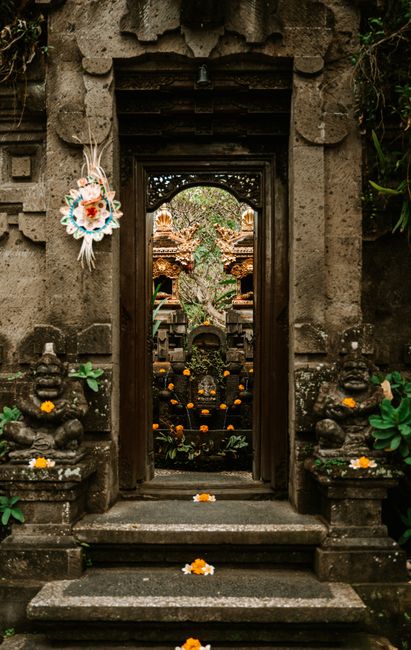
Balinese Offerings: A Journey into the Heart of Devotion and Beauty
Hey there, friend! Ever been completely mesmerized by a culture? I have, and that culture is Bali. It's not just the stunning landscapes and vibrant dances; it's the deep-seated spirituality that permeates every aspect of Balinese life. And at the heart of that spirituality? Offerings. I'm talking about the meticulously crafted, colorful, and fragrant creations you see everywhere. They're not just decorations; they're a conversation with the divine. So, grab a virtual cup of Balinese coffee, and let's dive into the fascinating world of Balinese offerings!
What are Balinese Offerings, Anyway? A Visual and Spiritual Feast

Let's start with the basics. These offerings, known as "sesajen" or "banten," are essentially gifts presented to the gods, spirits, and ancestors. Think of them as a way of saying thank you, seeking blessings, or maintaining harmony between the seen and unseen worlds. They're a vital part of the Hindu Dharma practiced in Bali, which is quite different from the Hinduism you might find in India. Balinese Hinduism is a unique blend of ancient beliefs, animism, and ancestor worship.
Now, when I say "offerings," don't just picture a simple bowl of flowers. These are often elaborate works of art! They're made from a variety of natural materials, meticulously arranged to create visually stunning displays. We're talking:
- Flowers: Every color and type of flower has a symbolic meaning. For example, white flowers represent purity, red represents bravery, and yellow represents prosperity.
- Rice: A staple food in Bali, rice symbolizes life and sustenance. It's a crucial element in most offerings.
- Fruits: Seasonal fruits are often included, representing the bounty of nature and gratitude for a good harvest.
- Incense: The fragrant smoke carries prayers and intentions to the gods. It's an integral part of the offering ritual.
- Food Items: Sometimes, small portions of cooked food, like cakes, sweets, or even meat, are included as a more substantial gift.
- Money: Coins or small bills are sometimes added to symbolize wealth and prosperity.
- Palm Leaf Decorations: Intricately woven palm leaf creations, known as "janur," are used to adorn and structure the offerings. These are often shaped into complex geometric patterns or symbolic representations of deities.
And these ingredients aren't just thrown together haphazardly! There's a specific order and placement for everything, depending on the type of offering and the deity it's intended for. It's a complex art form passed down through generations.
Why are Offerings So Important? The Spiritual Underpinnings
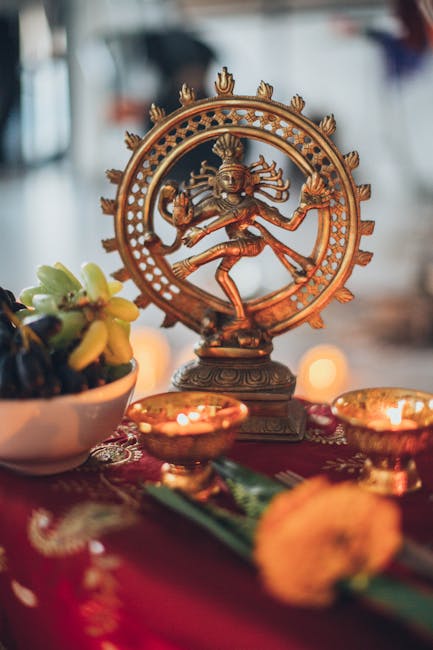
Okay, so we know what they are, but why are Balinese offerings so important? It all boils down to maintaining balance – "Tri Hita Karana," the Balinese philosophy of harmony. This encompasses three essential relationships:
- Parahyangan: Harmony with God (Ida Sang Hyang Widhi Wasa) and the divine spirits. Offerings are the primary way to nurture this relationship.
- Pawongan: Harmony with fellow humans. While not directly related to offerings, maintaining positive social relationships is vital for overall balance.
- Palemahan: Harmony with the environment. Balinese people believe that respecting and caring for nature is essential for well-being. Many offerings incorporate natural materials and are returned to the earth after their purpose is served, reflecting this principle.
By making offerings, the Balinese believe they are:
- Expressing Gratitude: Thanking the gods for their blessings and protection.
- Seeking Blessings: Requesting guidance, prosperity, and good health.
- Pacifying Spirits: Appeasing potentially malevolent spirits to prevent misfortune.
- Maintaining Balance: Ensuring harmony between the human, spiritual, and natural worlds.
It's a constant cycle of giving and receiving, a continuous dialogue with the divine that shapes their daily lives.
Types of Balinese Offerings: A Kaleidoscope of Devotion
Now, hold onto your hat because the world of Balinese offerings is incredibly diverse! There are countless types, each with its specific purpose, ingredients, and placement. It can be overwhelming at first, but that's part of its beauty. Here are a few of the most common types you'll encounter:
- Canang Sari: These are the small, everyday offerings you see everywhere – on sidewalks, in front of shops, at temples, and even on cars! They're made from a square base of palm leaves, filled with colorful flowers, incense, and sometimes a bit of food. They are offered several times a day, representing a simple act of gratitude.
- Banten Saiban: These are small food offerings placed on the ground or on special altars, intended for the lower spirits and elementals. They are meant to maintain balance and prevent these spirits from causing trouble.
- Gebogan: These are towering displays of fruit and cakes carried on the heads of women during temple processions. They are visually stunning and represent a significant offering of gratitude and devotion.
- Pecaruan: These are larger, more elaborate offerings made during ceremonies to purify a space or ward off negative energy. They often involve the sacrifice of animals, although this is becoming less common.
- Tumpeng: This is a cone-shaped rice dish, often yellow in color, that is used for special occasions like birthdays, ceremonies, and festivals. It symbolizes prosperity and abundance.
Each of these has variations, and each ceremony often has its own specific offerings. It's a complex and beautiful system! I remember being completely bewildered the first time I saw a Gebogan. The women carrying them were so graceful, and the offerings themselves were like edible works of art!
Where You'll Find Offerings: A Ubiquitous Presence

One of the things that struck me most about Bali is how pervasive the offerings are. You'll find them everywhere! Seriously, everywhere.
- Homes: Every Balinese family has a family temple ("sanggah" or "merajan") where they place daily offerings to their ancestors and deities.
- Temples: Of course! Temples ("pura") are the central focus of religious life, and offerings are an essential part of every ceremony and festival.
- Shops and Businesses: Balinese business owners place offerings in front of their shops and businesses to attract good luck and prosperity.
- Roadsides: You'll even see offerings placed at crossroads and other potentially dangerous locations to appease spirits and ensure safe passage.
- Rice Fields: Farmers place offerings in their rice fields to ensure a bountiful harvest.
- Cars and Motorbikes: Yes, even vehicles get their own little offerings! These are usually placed on the dashboard or near the horn to ensure a safe journey.
I was once driving down the road and saw a motorbike with a tiny offering perched precariously on its headlight. It was such a small detail, but it spoke volumes about the Balinese people's unwavering faith and dedication to their beliefs.
Making Offerings: A Labor of Love

Creating Balinese offerings is an art form, often passed down through generations, especially among women. The women, often from a young age, learn how to weave the palm leaves, select the right flowers, and arrange everything according to tradition. It takes time, skill, and a lot of patience. It's not just a chore; it's an act of meditation and devotion.
I've seen women sitting together, laughing and chatting as they meticulously crafted hundreds of Canang Sari for a temple festival. It's a social activity as much as a religious one. They're not just making offerings; they're strengthening community bonds and sharing knowledge.
While some people make their own offerings, others purchase them from local markets or roadside vendors. This provides an income for many families and ensures that everyone has access to the necessary materials. Even if you buy the materials, the act of assembling the offering at home is a personal and meaningful experience.
The Symbolism Behind the Offerings: Decoding the Language of Devotion
Now, let's get into the nitty-gritty: the symbolism. Every element of a Balinese offering carries a specific meaning. Understanding this symbolism can deepen your appreciation for the artistry and spirituality behind these creations.
Here's a breakdown of some common symbols:
- Colors: As mentioned earlier, colors play a crucial role.
- White: Purity, holiness, and the realm of the gods.
- Red: Bravery, energy, and the power of creation.
- Yellow: Prosperity, wealth, and divine grace.
- Black: Protection, strength, and the underworld.
- Flowers: Each flower has its own unique symbolism.
- Frangipani (Jepun): Beauty, serenity, and devotion.
- Hibiscus (Kembang Sepatu): Strength, passion, and femininity.
- Marigold (Gemitir): Prosperity, happiness, and good fortune.
- Lotus (Teratai): Purity, enlightenment, and spiritual awakening.
- Directions: The cardinal directions also hold symbolic significance.
- East: The direction of sunrise, associated with new beginnings and the god Iswara.
- South: Associated with the god Brahma and the element of fire.
- West: The direction of sunset, associated with endings and the god Mahadeva.
- North: Associated with the god Vishnu and the element of water.
The placement of the offering itself is also symbolic. Offerings placed higher up are intended for the gods, while those placed on the ground are for lower spirits. It's all about respecting the hierarchy of the spiritual world.
Offerings in Balinese Ceremonies: A Sacred Spectacle
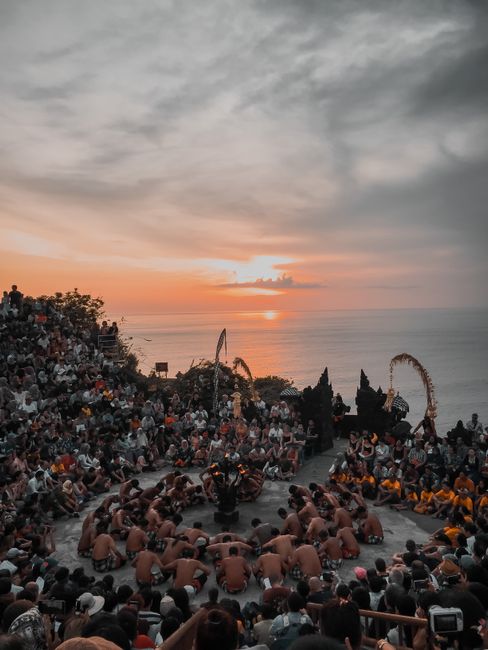
Offerings play a central role in Balinese ceremonies, which are often elaborate and visually stunning events. These ceremonies can range from small family gatherings to large-scale temple festivals that involve the entire community. They mark important life events, such as births, weddings, and funerals, as well as agricultural cycles and religious holidays.
During these ceremonies, offerings are used to:
- Invoke the Gods: To invite the deities to be present and participate in the ceremony.
- Purify the Space: To cleanse the area of negative energy and create a sacred atmosphere.
- Honor the Ancestors: To pay respect to the deceased and seek their blessings.
- Celebrate Life: To express gratitude for the blessings of life and ensure continued prosperity.
I attended a wedding in Bali once, and the sheer number of offerings was astounding! There were towering fruit arrangements, intricately woven palm leaf decorations, and trays upon trays of food. It was a feast for the eyes and a testament to the importance of tradition and spirituality in Balinese culture.
The Disposal of Offerings: A Return to the Source

So, what happens to the offerings after they've served their purpose? Well, they're not just thrown away! In fact, the disposal of offerings is just as important as their creation.
Most offerings are left in place to decompose naturally. This allows the elements to return to the earth, completing the cycle of giving and receiving. The flowers wilt, the rice is eaten by birds, and the palm leaves eventually decay. It's a reminder that everything is temporary and that life is a constant process of change.
Some offerings, particularly those used in purification ceremonies, are taken to the sea or a river and released into the water. This symbolizes the washing away of negative energy and the return of the offerings to the divine source.
I've seen people carefully collecting fallen flowers from offerings and placing them respectfully on the ground or in a compost pile. It's a small gesture, but it reflects a deep respect for the sacredness of the offerings and the natural world.
The Impact of Tourism: Preserving Tradition in a Changing World

Bali is a popular tourist destination, and while tourism has brought economic benefits to the island, it has also presented challenges to its cultural traditions. One of the biggest concerns is the potential for the commercialization and trivialization of Balinese offerings.
It's important for tourists to be respectful of the Balinese culture and to understand the significance of the offerings. Avoid stepping on them, taking them as souvenirs, or treating them as mere decorations. Instead, take the time to learn about their meaning and appreciate the artistry and devotion that goes into their creation.
Fortunately, many Balinese people are working hard to preserve their traditions in the face of increasing tourism. They are teaching younger generations the art of making offerings and educating visitors about their cultural significance. They are also finding ways to balance economic development with the preservation of their cultural heritage.
As a visitor, you can support these efforts by:
- Learning about Balinese culture: Take the time to read about Balinese Hinduism and the significance of offerings.
- Being respectful of religious practices: Dress modestly when visiting temples and avoid disrupting ceremonies.
- Supporting local businesses: Purchase offerings from local vendors and learn about the process of making them.
- Spreading awareness: Share your experiences and knowledge with others to promote a deeper understanding of Balinese culture.
My Personal Reflections: A Lasting Impression

My time in Bali was truly transformative. I was deeply moved by the Balinese people's unwavering faith, their artistic talent, and their commitment to maintaining harmony in their lives. The offerings were a constant reminder of the importance of gratitude, devotion, and respect for the spiritual world.
I learned that offerings are not just objects; they are a form of communication, a way of connecting with the divine, and a reflection of the Balinese people's deep-seated spirituality. They are a symbol of hope, gratitude, and the enduring power of tradition.
Whenever I see a picture of a Balinese offering, I am immediately transported back to the island of the gods, and I am reminded of the beauty, the spirituality, and the warmth of the Balinese people. It's a reminder to slow down, appreciate the simple things in life, and connect with something larger than myself.
Experiencing Balinese Offerings: A Visitor's Guide

If you're planning a trip to Bali, here are a few tips for experiencing Balinese offerings in a respectful and meaningful way:
- Observe and Learn: Take the time to watch how the Balinese people interact with the offerings. Notice how they place them, how they pray, and how they dispose of them.
- Ask Questions: Don't be afraid to ask your local guide or a Balinese friend about the meaning of the offerings. Most people are happy to share their knowledge and insights.
- Attend a Ceremony: If possible, attend a Balinese ceremony and witness the role of offerings firsthand. This will give you a deeper understanding of their significance.
- Take a Class: Consider taking a class on how to make Balinese offerings. This is a great way to learn about the materials, techniques, and symbolism involved.
- Be Mindful: Be aware of your surroundings and avoid stepping on offerings or disrupting religious practices.
Remember, the key is to approach the offerings with respect, curiosity, and a genuine desire to understand the Balinese culture. By doing so, you can have a truly enriching and transformative experience.
Conclusion: A Timeless Tradition

Balinese offerings are more than just decorations; they are the heart and soul of Balinese culture. They represent a deep-seated spirituality, a commitment to harmony, and a profound connection to the divine. They are a testament to the enduring power of tradition in a rapidly changing world. They are also a beautiful reminder of the importance of gratitude, devotion, and respect for the spiritual world.
So, the next time you see a Balinese offering, take a moment to appreciate the artistry, the symbolism, and the deep meaning behind it. It's a small window into a world of beauty, spirituality, and unwavering faith.
I hope this journey into the world of Balinese offerings has been enlightening and inspiring. Until next time, keep exploring, keep learning, and keep embracing the beauty and diversity of our world!
Post a Comment