Balinese Silver Jewelry: A Journey Through Craftsmanship & Timeless Design
Balinese Silver Jewelry: A Journey Through Craftsmanship & Timeless Design
Have you ever held a piece of Balinese silver jewelry and felt a connection to something ancient, something… magical? I have. I remember the first time I saw it – intricate swirling patterns, delicate floral motifs, and a certain weight that spoke of quality and tradition. It wasn't just jewelry; it was a miniature work of art, a story whispered in silver.
For centuries, the island of Bali has been a haven for artisans, particularly those skilled in the art of silversmithing. Passed down through generations, these skills have evolved into a unique and breathtaking style that's admired and sought after around the globe. Today, I want to take you on a journey into the heart of Balinese silver craftsmanship, exploring the techniques, designs, and the cultural significance that makes it so special. Think of this as a virtual coffee date where we chat about something I'm truly passionate about: the shimmering world of Balinese silver!
The Historical Roots of Balinese Silversmithing

The story of Balinese silver jewelry is deeply intertwined with the island's rich history and religious beliefs. It's more than just adornment; it's an expression of spirituality, social status, and artistic heritage.
Interestingly, while gold jewelry was traditionally associated with the royal courts and higher castes, silver became the preferred medium for the wider population. This doesn't mean silver was considered "lesser" – far from it! The intricate designs and the sheer artistry poured into silver pieces elevated them to a level of beauty and significance all their own.
The techniques used in Balinese silversmithing can be traced back to the influence of Indian artisans who arrived on the island centuries ago. These early craftspeople brought with them advanced metalworking skills and the knowledge of incorporating complex designs. Over time, Balinese artisans adapted these techniques and infused them with their own unique cultural motifs, creating a distinctive style that is instantly recognizable today.
Hinduism, the dominant religion in Bali, plays a significant role in the designs found in silver jewelry. Many pieces feature depictions of deities, mythical creatures, and sacred symbols. These aren't just decorative elements; they are believed to carry spiritual power and offer protection to the wearer. Think of it as wearing a tiny, portable temple close to your heart.
The Villages That Breathe Silver: Celuk and Beyond

If you ever find yourself in Bali and are eager to witness the magic of silver being brought to life, a visit to Celuk Village is an absolute must. Located near Ubud, Celuk is the epicenter of Balinese silversmithing. It's a place where the air hums with the sound of hammers and the streets are lined with workshops overflowing with shimmering treasures.
Walking through Celuk is an experience for the senses. You can see artisans hunched over their benches, meticulously shaping silver wire, soldering tiny beads, and polishing finished pieces to a dazzling shine. Many workshops offer demonstrations, allowing you to witness the intricate process firsthand. Don't be surprised if you find yourself completely mesmerized by the skill and precision involved!
While Celuk is the most well-known silver village, other areas in Bali also boast skilled silversmiths. Places like Ubud and Gianyar are home to smaller workshops and boutiques that offer unique and handcrafted silver jewelry. Exploring these lesser-known spots can lead to discovering truly special and one-of-a-kind pieces.
The Techniques Behind the Beauty: A Silversmith's Toolkit

Let's delve into the fascinating world of Balinese silversmithing techniques. These are the tools and methods that transform raw silver into exquisite works of art:
- Granulation: This technique involves attaching tiny silver granules to a base piece. Imagine meticulously placing hundreds of tiny silver balls, each perfectly formed, onto a surface. The result is a textured and incredibly detailed design that adds depth and dimension to the jewelry. It's painstaking work, requiring immense patience and skill.
- Filigree: Filigree is perhaps the most iconic Balinese silver technique. It involves creating delicate lace-like patterns using fine silver wires. These wires are twisted, coiled, and soldered together to form intricate designs, often inspired by nature, such as flowers, leaves, and vines. The effect is airy, elegant, and utterly captivating.
- Repoussé and Chasing: Repoussé involves hammering the silver from the back to create a raised design on the front. Chasing is then used on the front to refine the details and add texture. These techniques are often used to create three-dimensional elements in the jewelry, such as the faces of deities or the petals of flowers.
- Casting: Casting is used to create larger or more complex shapes. Molten silver is poured into a mold, allowed to cool and solidify, and then finished by hand. This technique is often used to create pendants, bracelets, and larger decorative elements.
- Stone Setting: Many pieces of Balinese silver jewelry feature gemstones, such as amethyst, garnet, moonstone, and peridot. Balinese silversmiths are skilled at setting these stones securely and attractively, enhancing the overall beauty and value of the piece.
- Oxidation: This process darkens the recessed areas of the silver, creating contrast and highlighting the intricate details of the design. Oxidation gives the jewelry a more antique and rustic feel, adding to its character and charm.
Each of these techniques requires years of practice and a deep understanding of the properties of silver. Balinese silversmiths are true masters of their craft, and their skill is evident in every piece they create.
Motifs and Meanings: Decoding the Designs
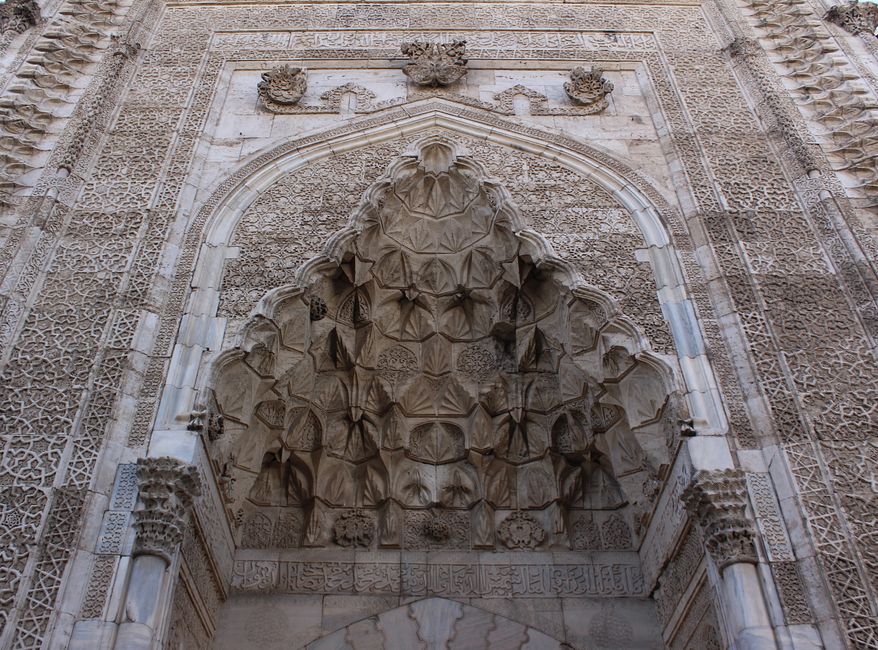
The beauty of Balinese silver jewelry lies not only in its craftsmanship but also in the stories it tells. The motifs and designs used in the jewelry are rich in symbolism and cultural significance.
Here are some of the most common motifs you'll find:
- Flowers: Flowers are a recurring theme in Balinese art and jewelry. The frangipani flower, also known as the plumeria, is particularly popular and symbolizes beauty, grace, and devotion. Lotus flowers represent purity, enlightenment, and spiritual awakening. Other flowers, such as hibiscus and jasmine, are also used to add a touch of tropical elegance to the designs.
- Animals: Animals play a significant role in Balinese mythology and are often depicted in silver jewelry. The Garuda, a mythical bird, is a symbol of power, strength, and protection. Dragons represent good fortune and prosperity. Elephants symbolize wisdom, intelligence, and good luck. And of course, the Balinese often incorporate local animals, such as the gecko, into their designs for a unique touch.
- Deities: As mentioned earlier, Hindu deities are frequently depicted in Balinese silver jewelry. Figures like Ganesha, the god of wisdom and prosperity, and Dewi Sri, the goddess of rice and fertility, are believed to bring blessings and protection to the wearer.
- Geometric Patterns: Intricate geometric patterns, such as spirals, triangles, and circles, are often used to create a sense of harmony and balance in the designs. These patterns can represent various concepts, such as the cyclical nature of life, the interconnectedness of all things, and the balance between opposing forces.
- Tribal Motifs: Drawing inspiration from the unique artistic traditions of various Balinese tribes, these motifs offer a glimpse into the diverse cultural tapestry of the island.
When you wear a piece of Balinese silver jewelry, you're not just wearing a beautiful accessory; you're wearing a piece of Balinese culture, a symbol of its rich history and spiritual beliefs. It's a tangible connection to the island and its people.
Spotting Authentic Balinese Silver: A Buyer's Guide

With the popularity of Balinese silver jewelry on the rise, it's important to be able to distinguish authentic pieces from mass-produced imitations. Here are a few tips to help you spot the real deal:
- Look for the Hallmark: Authentic Balinese silver jewelry is often marked with a hallmark indicating the silver content. The most common hallmark is "925," which means the silver is 92.5% pure (also known as sterling silver). However, you might also find marks like "800" or "900," indicating a slightly lower silver content. The presence of a hallmark is a good sign, but it's not a guarantee of authenticity.
- Examine the Craftsmanship: Genuine Balinese silver jewelry is handcrafted, and the quality of the craftsmanship is usually evident. Look for intricate details, precise soldering, and a smooth finish. Mass-produced pieces often lack the fine details and may have imperfections or rough edges.
- Consider the Weight: Silver is a relatively heavy metal. Authentic silver jewelry will typically feel substantial in your hand. Lightweight pieces may be made of a base metal that's been silver-plated.
- Inspect the Details: Pay close attention to the details of the design. Are the patterns crisp and well-defined? Are the stones securely set? Are the tiny granules in granulation pieces evenly spaced and firmly attached? These details can be telltale signs of quality craftsmanship.
- Ask Questions: Don't be afraid to ask the seller questions about the jewelry's origin, the techniques used to create it, and the materials used. A reputable seller should be able to provide you with detailed information about their products.
- Trust Your Gut: Ultimately, the best way to ensure you're buying authentic Balinese silver jewelry is to trust your gut. If something seems too good to be true, it probably is. Look for sellers who are knowledgeable, transparent, and passionate about their products.
Buying directly from artisans or reputable shops in Bali is often the best way to ensure you're getting authentic pieces and supporting the local economy. Even if you're buying online, look for sellers who provide detailed descriptions and clear photos of their jewelry, and who have a good reputation for quality and customer service.
Caring for Your Balinese Silver Treasures
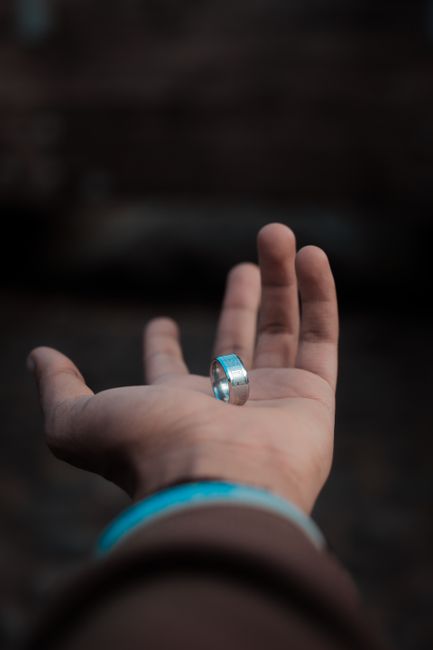
Once you've acquired a beautiful piece of Balinese silver jewelry, you'll want to take good care of it to keep it looking its best for years to come. Here are some tips for caring for your silver treasures:
- Store Your Jewelry Properly: When you're not wearing your silver jewelry, store it in a cool, dry place, preferably in a tarnish-resistant bag or box. This will help prevent oxidation and keep the silver shiny.
- Avoid Harsh Chemicals: Remove your silver jewelry before swimming, showering, or using household cleaners. Harsh chemicals can damage the silver and cause discoloration.
- Clean Your Jewelry Regularly: Use a soft, lint-free cloth to gently clean your silver jewelry after each wear. This will remove any dirt, oil, or fingerprints that can dull the silver's shine.
- Use a Silver Polish: For more stubborn tarnish, use a commercial silver polish specifically designed for jewelry. Follow the instructions on the polish carefully, and be sure to rinse the jewelry thoroughly after polishing.
- Consider Professional Cleaning: For antique or particularly intricate pieces, consider having them professionally cleaned by a jeweler. They have the tools and expertise to clean the jewelry without damaging it.
With proper care, your Balinese silver jewelry will continue to shine and bring you joy for many years to come. Think of it as an investment in beauty, craftsmanship, and cultural heritage.
The Enduring Appeal of Balinese Silver

What is it about Balinese silver jewelry that makes it so captivating? I think it's a combination of factors: the intricate craftsmanship, the rich cultural symbolism, and the timeless elegance of the designs. It's jewelry that tells a story, jewelry that connects you to a place and a people, jewelry that is truly special.
In a world of mass-produced goods, Balinese silver jewelry stands out as a testament to the power of human creativity and skill. It's a reminder that beauty can be found in the smallest details, in the delicate curves of a silver wire, in the sparkle of a carefully set gemstone. It's a wearable reminder of the skill of the artisans and the vibrant culture from which it originates.
Whether you're a seasoned jewelry collector or simply someone who appreciates beautiful things, I encourage you to explore the world of Balinese silver. Discover the techniques, the designs, and the stories behind the pieces. You might just find yourself captivated by its beauty and drawn into its magical allure.
And who knows, maybe one day you'll find yourself wandering through the silver-filled streets of Celuk Village, witnessing the magic firsthand and bringing home a piece of Bali to cherish forever. I hope this journey through Balinese silver craftsmanship has sparked your curiosity and given you a deeper appreciation for this beautiful art form. Happy exploring!
I truly hope you enjoyed this peek into the world of Balinese silver! It's a topic that's close to my heart, and I loved sharing my insights and experiences with you. Until next time, keep shining!
Post a Comment