Balinese Simplicity: Discovering Harmony in Community & Tradition
Balinese Simplicity: Discovering Harmony in Community & Tradition
Hey there, friend! Have you ever felt the pull of a place, a culture, that whispers of something simpler, something more profound than the everyday hustle? That's how I felt the first time I stepped foot on Bali. It wasn't just the stunning landscapes or the delicious food (though, let's be honest, those are major perks!). It was the way of life, a gentle hum of simplicity and community woven into every aspect of Balinese existence. I'm excited to share my experiences and insights on this unique culture, hoping to inspire you to find a little bit of Bali's magic in your own life.
The Essence of Balinese Simplicity

What does "simplicity" even mean in the context of Balinese culture? It's not about deprivation or lacking; it's about stripping away the unnecessary, focusing on what truly matters: family, community, spirituality, and living in harmony with nature. It's about finding contentment in the present moment, rather than chasing endless material possessions or external validation. It's a conscious choice to prioritize relationships and inner peace over the relentless pursuit of "more."
For me, the most striking aspect of this simplicity was how deeply ingrained it was. It wasn't just a philosophical concept; it was lived and breathed by the Balinese people in their daily routines, their interactions, and their celebrations. Let me give you a few examples:
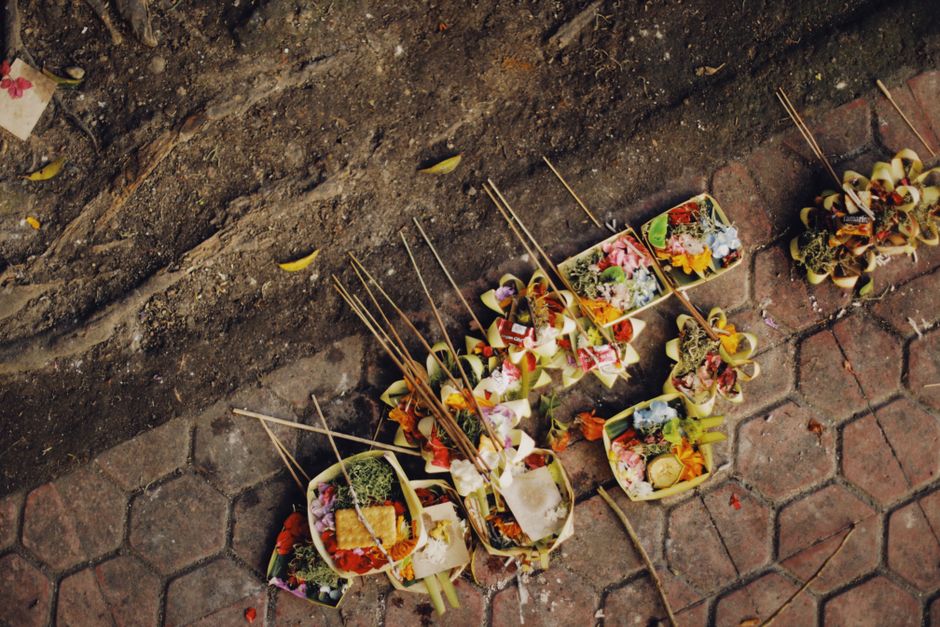
- Daily Offerings (Canang Sari): These small, intricately crafted offerings made of flowers, rice, and incense are placed everywhere – on temples, shops, even scooters! They're a daily expression of gratitude to the gods and a tangible reminder of the spiritual connection that permeates Balinese life.
- Family Compounds: Traditional Balinese families often live together in family compounds, fostering close relationships and providing support across generations. This communal living reinforces the sense of belonging and shared responsibility.
- Gotong Royong (Mutual Assistance): This concept, deeply rooted in Indonesian culture, emphasizes cooperation and helping each other. Whether it's building a house, harvesting rice, or preparing for a ceremony, the Balinese people work together, strengthening community bonds and ensuring everyone is supported.
These examples, and countless others, illustrate that Balinese simplicity isn't about lacking things, it's about prioritizing values. It's about finding richness in relationships, gratitude in the everyday, and purpose in contributing to the well-being of the community.
The Power of Community in Bali

If simplicity is the gentle current, community is the powerful river that flows through Balinese life. The Balinese are incredibly social people, and their communities are tightly knit. This strong sense of community provides a safety net, a support system, and a shared identity that is vital to their well-being.
Here are some of the ways community manifests itself in Bali:
- Banjar System: The Banjar is a traditional village council that governs the daily lives of the community. It's responsible for everything from organizing ceremonies and maintaining infrastructure to resolving disputes and ensuring social harmony. The Banjar fosters a sense of shared responsibility and encourages participation in community affairs.
- Religious Ceremonies: Balinese Hinduism is deeply intertwined with community life. Elaborate ceremonies and festivals are frequent occurrences, bringing people together in celebration, prayer, and shared experiences. These events reinforce cultural traditions and strengthen bonds between community members.
- Cooperative Farming: Agriculture remains a significant part of the Balinese economy, and cooperative farming practices are common. Farmers work together to cultivate rice paddies, share resources, and ensure that everyone benefits from the harvest. This collaboration fosters a sense of solidarity and mutual support.
I witnessed the power of community firsthand during a local temple festival. The entire village was involved, from the elderly women preparing offerings to the young men carrying elaborate decorations. The air was filled with music, laughter, and a palpable sense of unity. It was a truly moving experience, and it showed me the profound impact of community on the lives of the Balinese people.
Furthermore, the open-door policy in many Balinese homes exemplifies their welcoming and inclusive nature. Neighbors often pop in unannounced for a chat or a cup of coffee, creating a constant flow of social interaction and reinforcing the feeling of belonging. This openness and willingness to share their lives with others is a testament to the importance they place on community.
Balinese Hinduism: Spirituality Woven into Daily Life
You can't talk about Balinese simplicity and community without acknowledging the profound influence of Balinese Hinduism. It's not just a religion; it's a way of life, deeply intertwined with every aspect of Balinese culture. Unlike other forms of Hinduism, Balinese Hinduism is animistic and syncretic, incorporating elements of indigenous beliefs and traditions.
Here's how spirituality permeates daily life in Bali:
- Offerings and Rituals: As I mentioned earlier, daily offerings are a ubiquitous sight in Bali. These offerings are not just empty gestures; they're a sincere expression of gratitude to the gods and a reminder of the spiritual world that exists alongside the material world. Rituals and ceremonies are also frequent occurrences, marking important life events and celebrating the cycles of nature.
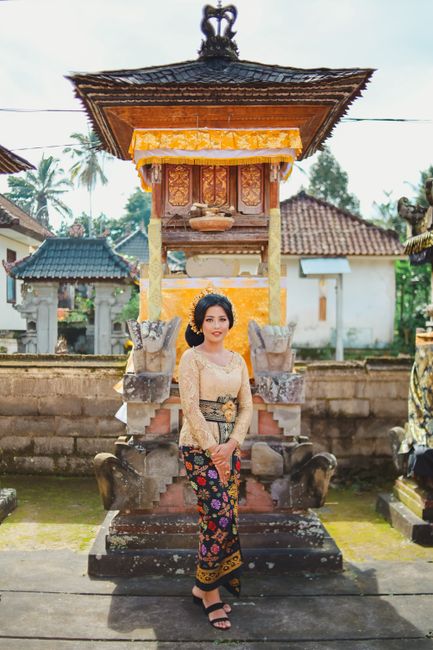
- Temples: Bali is known as the "Island of a Thousand Temples" (though it actually has far more!). These temples are not just places of worship; they're also centers of community life. They serve as venues for ceremonies, festivals, and social gatherings. The architecture of the temples is stunning, reflecting the intricate artistry and deep spiritual beliefs of the Balinese people.
- Tri Hita Karana: This is the core philosophy of Balinese Hinduism, emphasizing the importance of maintaining harmonious relationships with three elements: God (Parahyangan), nature (Palemahan), and fellow humans (Pawongan). This philosophy guides the Balinese people in their daily lives, promoting respect for the environment, social harmony, and spiritual well-being.
I remember visiting a water temple (Pura Tirta Empul) and witnessing the purification ritual. People from all walks of life were bathing in the holy springs, cleansing themselves physically and spiritually. The atmosphere was serene and reverent, and I could feel the collective energy of the community. It was a powerful reminder of the importance of spirituality in Balinese life.
The Balinese also have a deep respect for their ancestors. They believe that their ancestors continue to play a role in their lives, and they honor them through offerings, rituals, and ceremonies. This connection to their past provides a sense of continuity and strengthens their cultural identity.
Sustainable Living: Respecting Nature's Balance
The Balinese understand that their well-being is inextricably linked to the health of the environment. They have a deep respect for nature and strive to live in harmony with it. This commitment to sustainable living is evident in their traditional agricultural practices, their resource management, and their efforts to protect the natural beauty of their island.
Here are some examples of sustainable practices in Bali:
- Subak Irrigation System: This ancient irrigation system is a UNESCO World Heritage Site and a testament to the ingenuity and sustainability of Balinese agriculture. The Subak is a cooperative system that manages water resources equitably, ensuring that all farmers have access to irrigation for their rice paddies. It also incorporates spiritual elements, with temples dedicated to the goddess of water.
- Traditional Farming Practices: The Balinese have developed traditional farming practices that are environmentally friendly and sustainable. They use natural fertilizers, crop rotation, and other techniques to maintain soil health and minimize the use of pesticides and herbicides.
- Waste Management: While Bali faces challenges with waste management due to increasing tourism, there are also many initiatives to promote recycling, reduce plastic consumption, and educate the community about responsible waste disposal. Many local organizations are working to clean up beaches, reduce pollution, and promote sustainable tourism practices.
I was particularly impressed by the Subak system. It's not just an efficient way to manage water resources; it's also a symbol of community cooperation and respect for nature. The farmers work together to maintain the system, ensuring that it benefits everyone. This collaborative approach is a key to its sustainability.
The Balinese also have a strong tradition of using natural materials for building and crafting. They use bamboo, wood, stone, and other locally sourced materials to create beautiful and functional structures. This reduces their reliance on imported materials and minimizes their environmental impact.
Challenges to the Balinese Way of Life

Of course, no culture is immune to the pressures of modernization and globalization. Bali faces several challenges to its traditional way of life, including:
- Tourism: While tourism is a major source of income for Bali, it also brings its own set of problems. Over-tourism can lead to environmental degradation, cultural commodification, and social disruption.
- Urbanization: As Bali becomes more urbanized, traditional lifestyles are being challenged. Young people are moving to cities in search of employment opportunities, leading to a decline in traditional crafts and farming practices.
- Western Influence: The influx of Western culture and values can also erode traditional Balinese customs and beliefs. The younger generation may be more drawn to Western lifestyles and less interested in preserving their cultural heritage.
Despite these challenges, the Balinese are resilient and determined to preserve their unique culture. They are actively working to promote sustainable tourism practices, protect their environment, and preserve their cultural heritage. Many local organizations are working to educate young people about their traditions and encourage them to participate in cultural activities.
I believe that sustainable tourism is key to preserving the Balinese way of life. Tourists can contribute to the local economy without harming the environment or disrupting the culture. By choosing eco-friendly accommodations, supporting local businesses, and respecting local customs, tourists can help ensure that Bali remains a vibrant and sustainable destination for generations to come.
Finding the Balinese Spirit Within Ourselves
Even if you can't hop on a plane to Bali right now, you can still incorporate elements of the Balinese way of life into your own. Here are a few ideas:
- Practice Gratitude: Take a few minutes each day to appreciate the good things in your life. This could be as simple as writing down three things you're grateful for each morning.
- Connect with Your Community: Get involved in local activities, volunteer your time, or simply reach out to your neighbors. Building strong relationships with the people around you can create a sense of belonging and support.
- Simplify Your Life: Identify areas in your life where you can declutter, reduce stress, and focus on what truly matters. This could involve spending less time on social media, simplifying your wardrobe, or prioritizing experiences over material possessions.
- Connect with Nature: Spend time outdoors, appreciate the beauty of the natural world, and find ways to reduce your environmental impact. This could involve gardening, hiking, or simply taking a walk in the park.
- Cultivate Mindfulness: Practice mindfulness and be present in the moment. This could involve meditation, yoga, or simply paying attention to your breath.
I've found that incorporating these practices into my own life has brought me a greater sense of peace, contentment, and connection. It's a reminder that simplicity is not about lacking; it's about choosing to focus on what truly matters.
My Most Memorable Balinese Moments

Before I wrap up, I wanted to share a few of my most memorable moments from my time in Bali:
- Watching the Sunrise over Mount Batur: Hiking up Mount Batur in the pre-dawn darkness and witnessing the sunrise over the volcanic landscape was an unforgettable experience. The beauty of the natural world was awe-inspiring, and I felt a deep sense of connection to the earth.
- Learning to Cook Balinese Food: Taking a cooking class and learning to prepare traditional Balinese dishes was a delicious and educational experience. I learned about the local ingredients, the traditional cooking methods, and the cultural significance of food in Bali.
- Attending a Balinese Dance Performance: Witnessing a traditional Balinese dance performance was a mesmerizing experience. The intricate costumes, the graceful movements, and the enchanting music transported me to another world.
- Simply Spending Time with the Local People: The most memorable moments were often the simplest: sharing a meal with a Balinese family, chatting with a local artist, or simply watching the daily life unfold in a village. These interactions gave me a deeper understanding of the Balinese culture and the values that underpin their way of life.
These experiences taught me so much about the importance of simplicity, community, spirituality, and sustainable living. I hope that by sharing my experiences with you, I can inspire you to find a little bit of Bali's magic in your own life.
Returning to Bali: A Longing for Simplicity

I can honestly say that my time in Bali changed me. It shifted my perspective, made me question my priorities, and instilled in me a longing for a simpler, more meaningful way of life. I often find myself thinking about the gentle rhythm of Balinese life, the warmth of the community, and the profound connection to nature and spirituality.
Whenever I feel overwhelmed by the complexities of modern life, I close my eyes and transport myself back to Bali. I imagine the scent of incense, the sound of gamelan music, and the sight of vibrant offerings. I remind myself of the lessons I learned there: to appreciate the simple things, to connect with my community, to live in harmony with nature, and to cultivate a sense of gratitude.
I know that I will return to Bali someday. I long to reconnect with the people, the culture, and the spirit of the island. Until then, I will continue to strive to live a more Balinese-inspired life, embracing simplicity, community, and a deep appreciation for the beauty and wonder of the world around me. And I encourage you to do the same.
So, what do you think? Does the Balinese way of life resonate with you? What aspects of simplicity and community do you value most in your own life? I'd love to hear your thoughts and experiences in the comments below!
Until next time, may your life be filled with simplicity, harmony, and the warmth of community.
Post a Comment