Balinese Temple Etiquette: A Traveler's Guide to Dress, Behavior & Respect
Balinese Temple Etiquette: A Traveler's Guide to Dress, Behavior & Respect
Visiting Bali is like stepping into a postcard – lush landscapes, vibrant culture, and of course, the mesmerizing temples. As a frequent traveler to this "Island of Gods," I've learned that experiencing the true magic of Bali goes beyond just sightseeing. It's about understanding and respecting the local culture, especially when visiting the sacred temples. This means knowing the proper etiquette, dress code, and behavior. Let me share my insights and experiences with you so you can navigate these spiritual sites with grace and reverence.
Understanding the Importance of Temples in Balinese Culture

Before diving into the "how-tos," it's crucial to understand why these temples, or puras, are so significant. Think of them as the heart and soul of Balinese Hinduism. They aren't just places of worship; they're living, breathing spaces that reflect the intricate beliefs and traditions of the Balinese people. Each temple is dedicated to specific deities and spirits, and they are central to daily life, festivals, and ceremonies.
For instance, Pura Besakih, often called the "Mother Temple," sits majestically on the slopes of Mount Agung. It's not just one temple, but a complex of around 23 separate temples, each with its own unique purpose. Then there's Tanah Lot, perched dramatically on a rock formation in the sea – a truly breathtaking sight, especially at sunset. And Ulun Danu Beratan, reflected in the serene waters of Lake Beratan, is a temple dedicated to the water goddess Dewi Danu.
These temples aren't just tourist attractions; they are active places of worship. Daily, you'll see Balinese people bringing offerings, praying, and participating in rituals. This constant interaction with the divine is what makes these temples so special and why respecting the rules is so vital.
Decoding the Balinese Temple Dress Code: What to Wear (and What to Avoid)

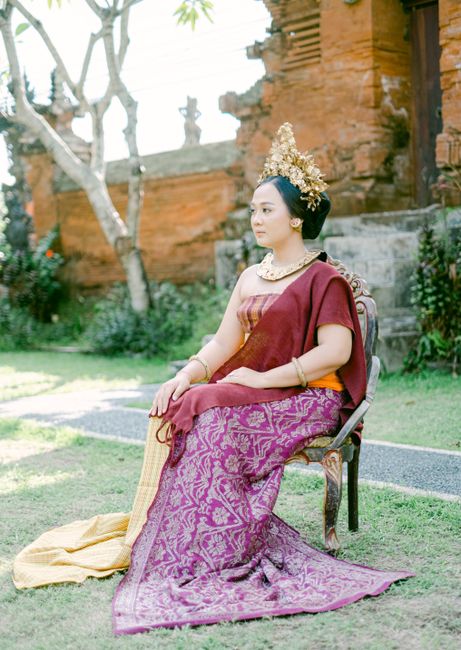
Okay, let's talk fashion – but temple-appropriate fashion! The dress code for Balinese temples is all about showing respect and modesty. Think of it as dressing for a visit to a very important elder. Here's a breakdown:
1. The Sarong (Kain Kamben): This is your essential temple attire. A sarong is a long piece of fabric that wraps around your waist, covering your legs. Most temples will provide sarongs for rent or purchase at the entrance, but I always recommend having your own. It's more hygienic, and you can choose a design you love. Plus, it becomes a great souvenir! Look for vibrant batik prints or traditional Balinese designs. You can find them in most local markets for a very reasonable price.
2. The Sash (Selendang): This is a piece of cloth worn around your waist, over the sarong. It signifies respect and helps to keep your 'lower' energy contained. The Balinese believe the head is the most sacred part of the body, while the feet are the least. The sash acts as a barrier, keeping these energies separate and pure within the temple grounds.
3. Covered Shoulders: Showing your shoulders is considered disrespectful. A simple t-shirt, blouse, or even a light scarf is sufficient. Tank tops and singlets are a definite no-no.
4. Proper Footwear: While some temples might allow sandals, it's always best to err on the side of caution and wear closed-toe shoes, or at least sandals that are neat and clean. Avoid wearing flip-flops, especially to larger, more significant temples.
5. Jewelry: Keep jewelry to a minimum. Flashy or excessive jewelry can be distracting and draw unwanted attention.
What to Avoid:
a. Revealing Clothing: Anything that exposes too much skin – shorts, mini-skirts, crop tops, swimwear – is completely inappropriate.
b. Provocative Clothing: Avoid clothing with offensive slogans or imagery.
c. Dirty or Damaged Clothing: Make sure your clothes are clean and in good condition. Ripped jeans or stained shirts are not ideal.
My personal tip: I always keep a sarong and sash in my backpack when exploring Bali. That way, I'm prepared for spontaneous temple visits or ceremonies I might stumble upon. It's also a great way to show respect for the local culture, even when you're not in a temple.
Navigating Temple Behavior: A Guide to Respectful Conduct

Dressing appropriately is only half the battle. Your behavior inside the temple grounds is just as important. Here are some essential guidelines to keep in mind:
1. Respecting the Sacred Space: Remember, you are entering a place of worship. Treat it with the utmost respect. Speak in a low voice, avoid loud laughter, and refrain from running or playing around.
2. Entering the Temple: Always enter the temple slowly and respectfully. Remove your sunglasses and hat before entering the inner sanctum. Bow your head slightly as a sign of reverence.
3. Photography Etiquette: While photography is generally allowed, be mindful of where you point your camera. Avoid taking photos of people praying unless you have their explicit permission. Never use flash photography, as it can be disruptive and disrespectful.
4. Keep a respectful Distance: Maintain a respectful distance from priests and worshippers, especially during ceremonies. Don't walk in front of them or interrupt their prayers.
5. No Touching: Avoid touching statues, offerings, or other sacred objects. These items are considered holy and should be treated with reverence.
6. Keep it Clean: Do not litter. If you bring any food or drinks, dispose of the wrappers properly. Help keep the temple grounds clean and beautiful.
7. Follow Instructions: If there are any specific instructions or guidelines posted at the temple entrance, be sure to read and follow them carefully. Temple rules can vary depending on the specific temple and the occasion.
8. Don't point with your feet: In Balinese culture, the feet are considered the 'lowest' part of the body, both literally and figuratively. Pointing with your feet is extremely rude and disrespectful. Be mindful of where you are positioning your feet, especially when sitting or standing near sacred objects or people.
9. Avoid Public Displays of Affection: Keep public displays of affection to a minimum. Kissing, hugging, and other intimate gestures are not appropriate within the temple grounds.
10. Women During Menstruation: Women who are menstruating are traditionally not allowed to enter temples in Bali. This is due to the Balinese belief that menstruation is a time of impurity. While this tradition is becoming less strictly enforced in some tourist-friendly temples, it's still important to be aware of it and to respect the local customs. If you are unsure, it's best to err on the side of caution and avoid entering the temple.
My personal experience: I once witnessed a tourist being reprimanded for sitting on a temple wall. It was a simple mistake, but it caused a stir among the locals. It was a good reminder that even if you don't understand all the nuances of Balinese culture, showing respect and being mindful of your actions goes a long way.
Offerings (Canang Sari): A Glimpse into Balinese Spirituality
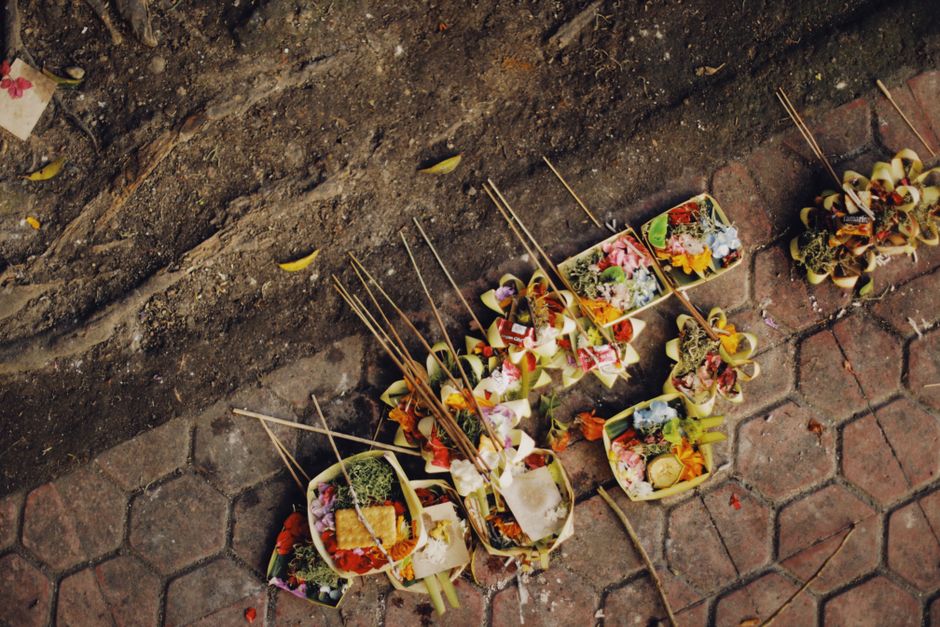
One of the most beautiful and ubiquitous sights in Bali is the canang sari. These small, intricately woven baskets filled with colorful flowers, rice, incense, and other offerings are placed everywhere – in temples, homes, shops, and even on the streets. They are a daily offering to the gods and spirits, a symbol of gratitude, and a prayer for peace and harmony.
Understanding the Meaning: Each element of the canang sari has a specific meaning. The flowers represent different deities, the rice symbolizes sustenance, and the incense carries prayers up to the heavens. The act of creating and offering a canang sari is a sacred ritual in itself.
Observing the Ritual: You'll often see Balinese women placing canang sari offerings in the morning. They will light the incense, sprinkle the offering with holy water, and say a prayer. It's a beautiful and moving sight to witness.
Respecting the Offerings: The most important thing is to avoid stepping on or disturbing the canang sari. If you see one on the ground, try to walk around it. If you accidentally step on one, apologize silently. Do not pick them up, touch them, or take them as souvenirs. They are meant for the gods, not for tourists.
My personal story: I once saw a monkey snatch a canang sari from a temple and run off with it! It was both amusing and a little sad. The local Balinese people simply smiled and replaced the offering, understanding that it was just part of the natural order. It taught me a lot about their acceptance and resilience.
Navigating Crowds and Ceremonies: Being a Considerate Observer
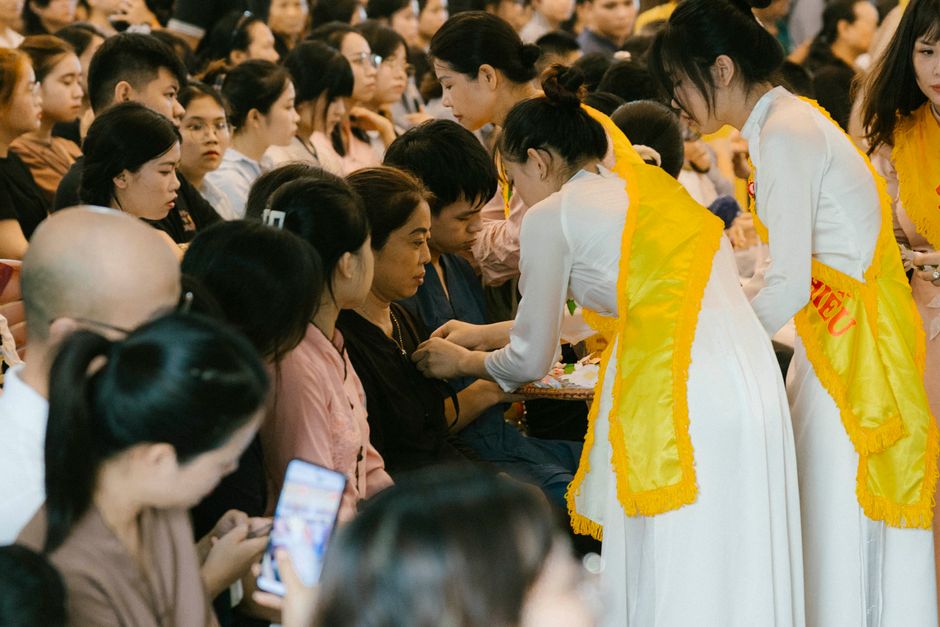
Bali is a popular tourist destination, and temples can get crowded, especially during peak season and festivals. It's essential to be patient, respectful, and considerate of others.
Crowd Management: During crowded times, be mindful of your space. Avoid pushing or shoving. Let locals pass you, as they may be on their way to pray or participate in a ceremony.
Ceremonies: If you happen to witness a temple ceremony, consider yourself lucky! It's a rare and beautiful glimpse into Balinese culture. However, remember that you are an observer, not a participant. Maintain a respectful distance, avoid getting in the way, and follow any instructions given by the temple staff.
Photography: Again, be mindful of your photography. Avoid using flash photography, and don't block the view of others. Ask permission before taking photos of people participating in the ceremony.
Dress Code: Make sure you are dressed appropriately for the occasion. Ceremonies often require even more modest attire than regular temple visits. If you are unsure, it's best to ask a local for guidance.
Silence: Maintain a respectful silence during the ceremony. Avoid talking loudly or making distracting noises.
My experience: I once attended a Melasti ceremony at Tanah Lot – a purification ritual held before Nyepi (Day of Silence). It was an incredibly moving experience to see the processions of people carrying sacred objects to the sea. I stayed back, observed respectfully, and tried to be as unobtrusive as possible. It was a far more rewarding experience than if I had tried to push my way to the front for a better photo.
Language and Communication: Simple Phrases that Show Respect

While English is widely spoken in tourist areas, learning a few basic Balinese phrases can go a long way in showing respect and building rapport with the locals.
Basic Phrases:
a. Om Swastiastu: This is a common greeting, meaning "May peace be with you." It's a great way to start a conversation.
b. Suksma: This means "Thank you."
c. Matur Suksma: This is a more formal way of saying "Thank you."
d. Ampura: This means "Excuse me" or "I'm sorry."
e. Nggih: This means "Yes."
f. Tidak: This means "No."
Using the Phrases: Don't worry about perfect pronunciation. The effort you make to speak a few words in Balinese will be greatly appreciated. Use Om Swastiastu when greeting people, Suksma when thanking someone for their help, and Ampura if you accidentally bump into someone.
Beyond Words: Communication is not just about words. A smile, a nod, and a genuine interest in the local culture can speak volumes. Be open, friendly, and respectful, and you'll find that the Balinese people are incredibly welcoming and generous.
My learning curve: I remember struggling to pronounce "Om Swastiastu" correctly when I first arrived in Bali. But the locals were always patient and encouraging. They appreciated the effort, even if my pronunciation was a bit off!
Engaging with Local Guides: Enriching Your Temple Experience

Hiring a local guide can significantly enhance your temple experience. They can provide valuable insights into the history, symbolism, and cultural significance of the temple. They can also help you navigate the temple grounds, understand the rituals, and avoid making any cultural faux pas.
Benefits of a Guide:
a. Deeper Understanding: Guides can explain the complex mythology and symbolism behind the temple architecture and rituals.
b. Cultural Insights: They can share personal stories and perspectives on Balinese culture and traditions.
c. Navigation Assistance: They can help you navigate the temple grounds, especially if it's a large or complex temple complex.
d. Respectful Conduct: They can ensure that you are behaving respectfully and following the proper etiquette.
e. Language Translation: They can help you communicate with priests and other locals.
Finding a Guide: You can usually find guides at the entrance of most major temples. Look for licensed guides who speak your language fluently. Ask about their experience and expertise before hiring them.
Paying a Fair Price: Agree on a price before starting the tour. The price will vary depending on the length of the tour and the guide's experience.
My recommendation: I always try to hire a local guide when visiting temples, especially if it's my first time. They have enriched my understanding of Balinese culture and helped me to appreciate the temples on a deeper level.
Beyond the Temples: Embracing Balinese Culture Holistically
Respecting temple etiquette is just one aspect of embracing Balinese culture. Here are some other ways to show your appreciation and deepen your connection with the island:
Support Local Businesses: Shop at local markets, eat at warungs (small local restaurants), and stay at locally owned guesthouses. This helps to support the local economy and ensures that your tourism dollars are benefiting the Balinese people.
Learn About Balinese Arts and Crafts: Bali is renowned for its beautiful arts and crafts, including woodcarving, painting, weaving, and silverwork. Take a workshop or visit a local artisan to learn about these traditional crafts.
Attend a Balinese Dance Performance: Balinese dance is a captivating art form that tells stories from Hindu epics. Attend a performance to experience the beauty and grace of this ancient tradition.
Participate in a Cooking Class: Learn to cook authentic Balinese dishes and discover the flavors of the island.
Be Mindful of Your Environmental Impact: Bali is a beautiful island, but it faces environmental challenges such as plastic pollution. Be mindful of your waste, recycle when possible, and support eco-friendly initiatives.
Be a Responsible Tourist: Avoid activities that exploit animals or harm the environment. Choose ethical and sustainable tourism options.
My final thought: Bali is a magical place, and by showing respect for its culture and traditions, you can create a truly enriching and unforgettable travel experience. Go beyond the beaches and the tourist traps, and immerse yourself in the heart and soul of Bali. You won't regret it.
I hope this guide has been helpful in preparing you for your visit to Balinese temples. Remember, a little bit of knowledge and respect can go a long way in making your experience – and the experiences of those around you – all the more meaningful. Selamat jalan (safe travels) and enjoy the beauty and spirituality of Bali!
Post a Comment