Balinese Wood Carving Masterpieces: A Symphony of Nature and Artistry
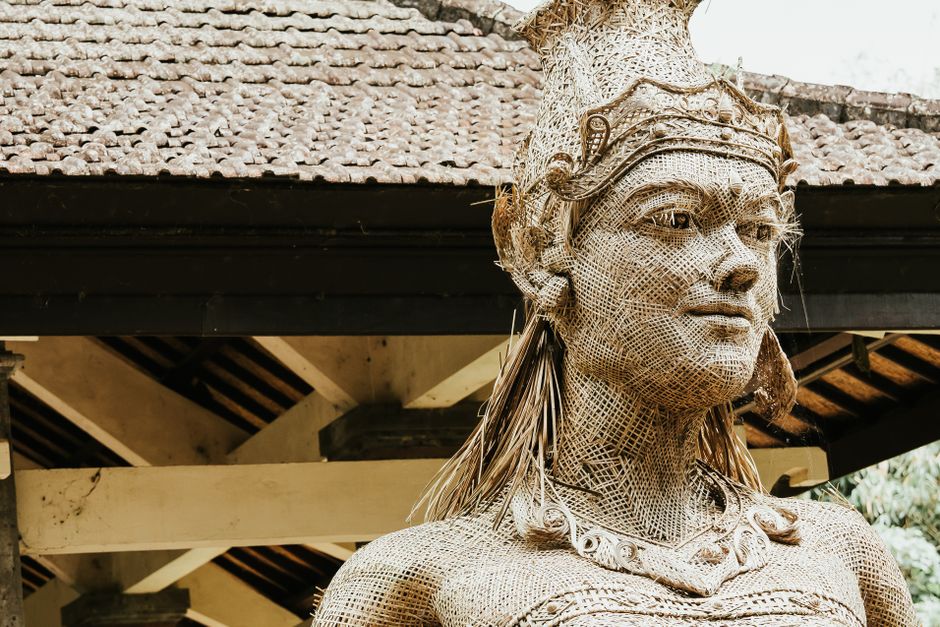
Balinese Wood Carving Masterpieces: A Symphony of Nature and Artistry
Have you ever held a piece of wood so intricately carved it seemed to whisper stories of ancient forests and skilled hands? That, my friend, is the magic of Balinese wood carving. It's more than just art; it's a vibrant conversation between the island's lush natural resources and the profound spirituality of its people. I've been captivated by these masterpieces for years, and I'm excited to share some of my experiences and insights with you. Think of this as a virtual journey into the heart of Bali, where art blossoms from the very essence of nature.
The Soul of Bali: A Land Steeped in Tradition

Bali isn't just a beautiful island; it's a living, breathing tapestry of culture and tradition. From the vibrant ceremonies to the rhythmic gamelan music, every aspect of life is infused with a deep connection to the spiritual realm. Wood carving is no exception. It's not merely a craft; it's an integral part of Balinese identity, passed down through generations.
For centuries, Balinese artisans have used their skills to create intricate carvings that adorn temples, homes, and public spaces. These carvings aren't just decorative; they're powerful symbols, often depicting deities, mythical creatures, and scenes from the Ramayana and Mahabharata epics. The act of carving itself is considered a sacred process, a form of prayer and devotion.
I remember the first time I witnessed a Balinese carver at work. The sheer focus and precision were mesmerizing. It wasn't just about removing wood; it was about revealing the hidden form within, about breathing life into the inanimate. The air hummed with the rhythmic tapping of the chisel, each strike a testament to the carver's skill and dedication.
From Forest to Form: The Wood That Speaks

The beauty of Balinese wood carvings begins long before the first chisel strikes. It starts with the selection of the wood itself. Balinese carvers are deeply knowledgeable about the properties of different types of wood, each possessing its unique character and suitability for specific purposes.
Here are some of the most commonly used woods in Balinese carving:
- Sandalwood (Cendana): Renowned for its fragrant aroma and fine grain, sandalwood is often used for creating sacred objects and intricate details. The scent itself is believed to possess spiritual properties.
- Ebony (Kayu Hitam): This dense, dark wood is prized for its durability and rich color. It's often used for larger sculptures and architectural elements, adding a touch of elegance and strength.
- Teak (Jati): Known for its resistance to decay and insects, teak is a popular choice for both indoor and outdoor carvings. Its warm golden hue adds a natural beauty to any piece.
- Suar Wood (Trembesi): This fast-growing wood is a sustainable choice and is known for its beautiful grain patterns and large size. This wood is very popular for furniture, such as tables and benches.
- Albesia Wood (Kayu Sengon): This is a very soft wood and is most common for carvings that will be painted.
Each type of wood presents its own challenges and opportunities. The carver must understand the wood's grain, density, and texture to bring out its full potential. It's a relationship built on respect and understanding, a partnership between the artist and nature.
I once had the opportunity to visit a wood carving workshop nestled deep within the Balinese countryside. The aroma of freshly cut wood filled the air, and the ground was covered in shavings of every imaginable color and texture. I watched as a master carver meticulously selected a piece of teak, running his hand along its surface as if reading its story. He explained to me that the wood itself would guide his hand, revealing the form that lay hidden within. It was a truly humbling experience.
The Art of Transformation: Techniques and Styles
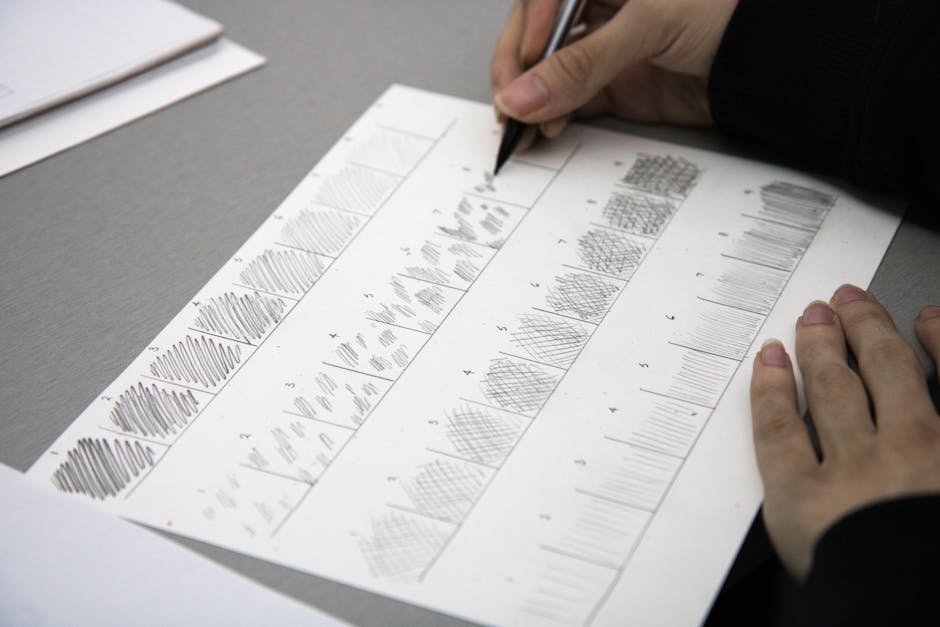
Balinese wood carving is far from a monolithic art form. Over centuries, different regions have developed their own distinct styles and techniques, reflecting the unique cultural influences and artistic sensibilities of the local communities.
Here are some of the most prominent styles:
- Tegallalang Style: Known for its intricate depictions of animals, particularly birds and dragons, the Tegallalang style is characterized by its attention to detail and vibrant colors. These carvings are often used to adorn homes and temples, adding a touch of whimsy and elegance.
- Ubud Style: Ubud, the cultural heart of Bali, is home to a diverse range of carving styles, from realistic depictions of everyday life to abstract interpretations of spiritual themes. Ubud carvers are known for their innovation and experimentation, constantly pushing the boundaries of the art form.
- Mas Style: Renowned for its mastery of human form, the Mas style is characterized by its graceful lines and refined details. Mas carvers often create sculptures of dancers, musicians, and deities, capturing the essence of Balinese culture and spirituality.
- Kamasan Style: Traditional in nature, this style is used mostly in the decoration of Kamasan painting.
The techniques used in Balinese wood carving are as varied as the styles themselves. Carvers employ a range of tools, from simple chisels and mallets to more specialized instruments for creating intricate details. The process is often slow and painstaking, requiring immense patience and precision.
One technique that I find particularly fascinating is the use of negative space. Balinese carvers often create depth and dimension by carefully removing wood from around the subject, allowing the light to play across the surface and create a sense of movement. It's a technique that requires a keen understanding of light and shadow, as well as a deep appreciation for the beauty of empty space.
Deities and Demons: The Spiritual Significance of Carvings
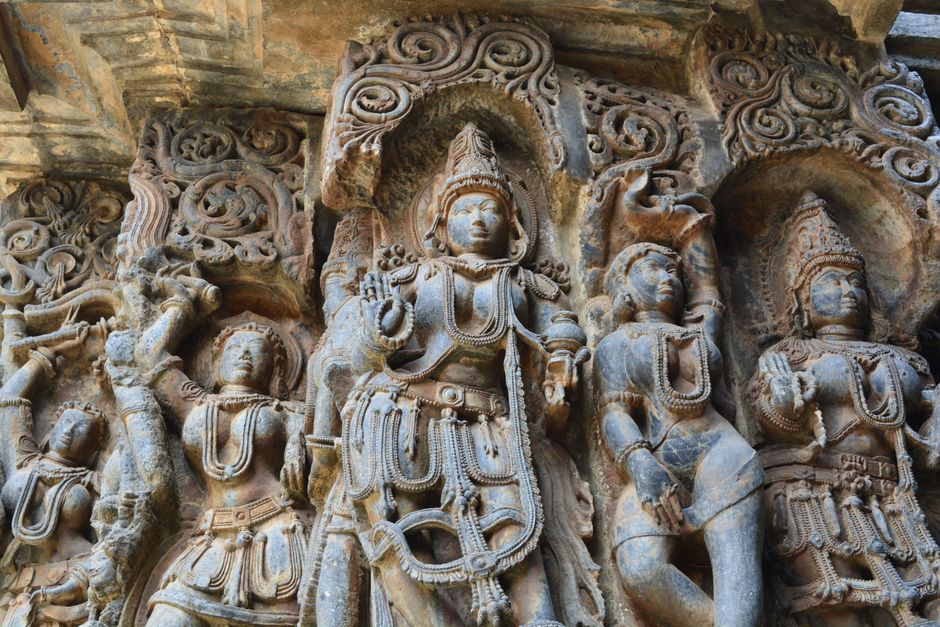
Beyond their aesthetic appeal, Balinese wood carvings hold deep spiritual significance. Many carvings depict deities, demons, and mythical creatures from Balinese Hinduism, serving as visual representations of the spiritual forces that shape the world. These carvings are often used in religious ceremonies and rituals, acting as conduits between the earthly and divine realms.
For example, the Garuda, a mythical bird-like creature, is a powerful symbol of strength and protection. Carvings of Garuda are often placed at the entrances of temples and homes, warding off evil spirits and ensuring good fortune. Similarly, carvings of the goddess Saraswati, the deity of knowledge and wisdom, are often found in schools and libraries, invoking her blessings for students and scholars.
I once witnessed a ceremony where a newly carved statue of a deity was being consecrated. The statue was carefully washed and adorned with flowers and incense, while a priest chanted sacred mantras. The atmosphere was charged with energy, and I could feel the palpable sense of reverence and devotion. It was a powerful reminder that these carvings are not just objects; they are living embodiments of the spiritual beliefs of the Balinese people.
A Personal Connection: Collecting Balinese Carvings

Over the years, I've developed a deep appreciation for Balinese wood carvings, not just as art objects, but as tangible reminders of the beauty, spirituality, and cultural richness of Bali. I've started my own small collection, each piece telling a unique story and evoking a specific memory.
Here are a few tips for collecting Balinese wood carvings:
- Do your research: Before you start buying, take the time to learn about the different styles, techniques, and types of wood used in Balinese carving. This will help you appreciate the artistry and identify pieces that resonate with you.
- Buy directly from the artists: If possible, visit workshops and galleries in Bali and buy directly from the carvers. This not only ensures that you're getting an authentic piece, but also supports the local artists and their communities.
- Look for quality: Pay attention to the detail, craftsmanship, and overall finish of the carving. A well-made carving will last for generations and become a treasured heirloom.
- Trust your instincts: Ultimately, the best carving is the one that speaks to you personally. Choose pieces that you find beautiful, meaningful, and evocative.
- Haggle respectfully: Bargaining is a common practice in Bali, but it's important to do so respectfully. Remember that you're supporting the livelihoods of the local artisans, so don't try to drive the price down too low.
My favorite piece in my collection is a small carving of a Balinese dancer. The dancer's graceful pose and serene expression capture the essence of Balinese dance, a mesmerizing art form that combines intricate movements, elaborate costumes, and captivating music. Every time I look at this carving, I'm transported back to Bali, to the sights, sounds, and smells of the island.
Preserving Tradition: The Future of Balinese Carving
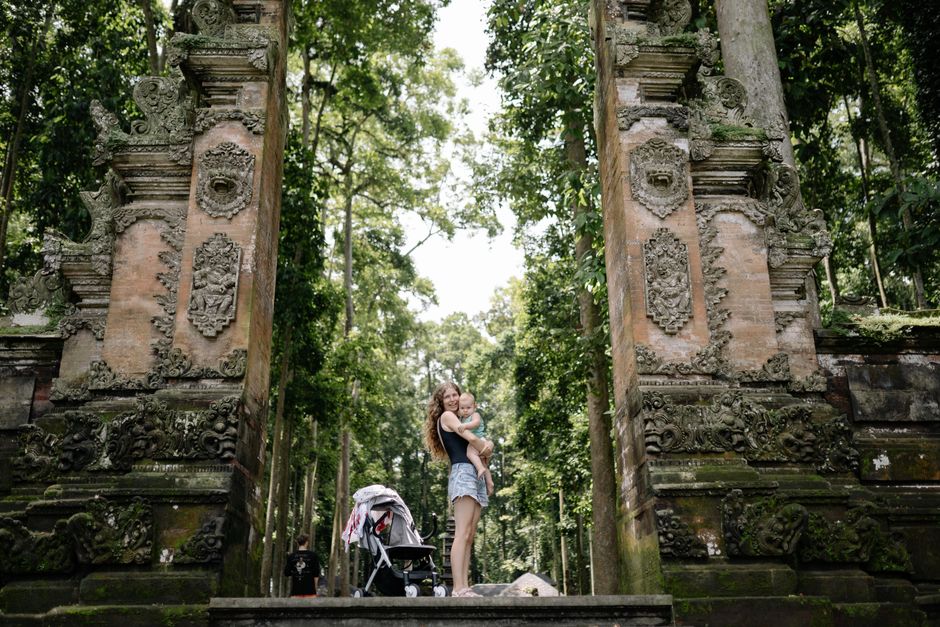
In today's rapidly changing world, it's more important than ever to preserve traditional art forms like Balinese wood carving. Not only are these art forms a vital part of cultural heritage, but they also provide a sustainable source of income for local communities.
However, the future of Balinese carving faces several challenges. The increasing demand for cheap souvenirs and mass-produced items threatens to undermine the quality and authenticity of the art form. Additionally, the depletion of natural resources and the impact of tourism can have negative consequences on the environment and the local communities.
To ensure the survival of Balinese wood carving, it's crucial to support sustainable practices, promote fair trade, and educate consumers about the importance of preserving cultural heritage. By purchasing authentic, high-quality carvings directly from the artists, we can help ensure that this beautiful art form continues to thrive for generations to come.
I believe that Balinese wood carving is more than just art; it's a testament to the power of human creativity, the beauty of nature, and the enduring spirit of Balinese culture. It's a gift that we can cherish and share with the world.
The Allure of Balinese Masks: More Than Meets the Eye

Beyond the free-standing sculptures and decorative panels, Balinese masks hold a unique and powerful place within the realm of wood carving. These aren't just decorative items; they are potent symbols imbued with spiritual energy, used in traditional dances, ceremonies, and healing rituals. They represent a direct link to the ancestral spirits and the vibrant mythology that permeates Balinese life.
The creation of a Balinese mask is a deeply spiritual process. The carver, often guided by a ritual specialist (pemangku), must purify themselves and invoke the appropriate deities before even touching the wood. The choice of wood is crucial, and the carving process is seen as an act of bringing the spirit of the mask to life. It's not simply about replicating an image; it's about channeling the energy and essence of the character the mask represents.
Different masks embody different characters and energies. Some represent benevolent deities, offering blessings and protection, while others depict fearsome demons, responsible for maintaining balance in the universe. Each mask has its own specific characteristics, from the shape of the eyes and mouth to the color and ornamentation. Understanding these nuances is key to appreciating the true depth and meaning of Balinese masks.
One of the most iconic Balinese mask dances is the Topeng, a traditional masked drama that tells stories from Balinese history, mythology, and folklore. The dancers, wearing elaborate costumes and masks, embody the characters they represent, conveying emotions and narratives through their movements, gestures, and vocalizations. The masks become extensions of the dancers, allowing them to transcend their own identities and channel the spirits of the characters they portray.
Another significant use of Balinese masks is in healing rituals. Certain masks are believed to possess the power to驱逐evil spirits and restore balance to the body and mind. When used in conjunction with traditional Balinese medicine and spiritual practices, these masks can play a crucial role in the healing process.
Balinese Furniture: Where Function Meets Art
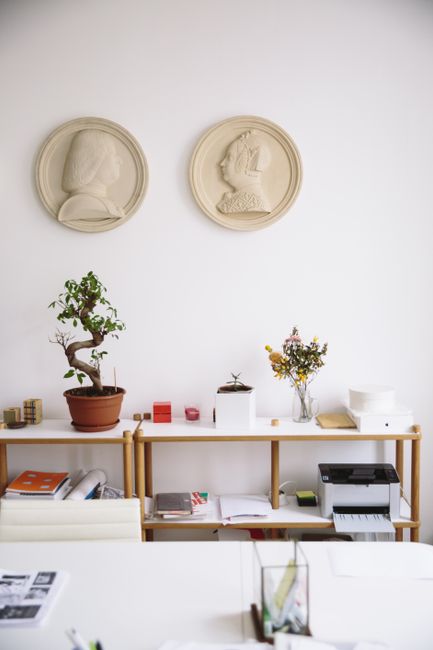
Beyond the realm of sculpture and masks, Balinese wood carving extends to functional objects, transforming everyday items into works of art. Balinese furniture, in particular, showcases the incredible skill and artistry of the island's carvers.
From intricately carved beds and cabinets to ornate chairs and tables, Balinese furniture is a testament to the harmonious blend of functionality and aesthetics. The carvings often depict scenes from nature, mythology, and everyday life, adding a touch of beauty and spirituality to the home.
One of the most common motifs found in Balinese furniture is the floral pattern. Flowers symbolize beauty, harmony, and prosperity, and are often used to adorn beds, cabinets, and other decorative pieces. Other popular motifs include animals, such as birds, dragons, and elephants, each carrying its own symbolic meaning.
Balinese furniture is often made from teak wood, prized for its durability, resistance to insects, and beautiful grain. The wood is carefully carved and finished, often with a layer of varnish or wax to protect it from the elements and enhance its natural beauty.
Owning a piece of Balinese furniture is more than just adding a functional object to your home; it's about bringing a piece of Balinese culture and artistry into your life. It's a reminder of the beauty and spirituality of the island, and a testament to the skill and dedication of its artisans.
Caring for Your Carving: Ensuring Longevity and Beauty

Once you've acquired a beautiful piece of Balinese wood carving, it's important to take proper care of it to ensure its longevity and preserve its beauty. Here are a few tips for caring for your carving:
- Keep it clean: Dust your carving regularly with a soft cloth to prevent dirt and grime from building up. For more stubborn dirt, you can use a slightly damp cloth, but be sure to dry the carving thoroughly afterwards.
- Avoid direct sunlight: Prolonged exposure to direct sunlight can cause the wood to fade and crack. Place your carving in a location where it's protected from direct sunlight.
- Maintain humidity levels: Extreme changes in humidity can also damage the wood. If you live in a particularly dry or humid climate, consider using a humidifier or dehumidifier to maintain a stable humidity level.
- Wax or oil periodically: Applying a light coat of wax or oil can help to protect the wood and enhance its natural beauty. Use a product specifically designed for wood furniture, and follow the manufacturer's instructions carefully.
- Handle with care: Be careful when handling your carving to avoid scratching or damaging the surface. Lift it by the base or a sturdy part of the carving, and avoid touching the delicate details.
By following these simple tips, you can ensure that your Balinese wood carving remains a treasured heirloom for generations to come.
More than Just Art: A Living Legacy

Balinese wood carving is far more than just an art form; it's a living legacy, a testament to the enduring power of tradition, creativity, and spirituality. It's a reflection of the deep connection between the Balinese people and their natural environment, and a celebration of the beauty and harmony that exists within their culture. I hope this journey into the world of Balinese wood carving has inspired you to appreciate its beauty and significance, and to support the artisans who are working to preserve this incredible art form for future generations.
Post a Comment