Bali's Coffee Culture: A Journey From Kopi Bali to Specialty Beans

Bali's Coffee Culture: A Journey From Kopi Bali to Specialty Beans
Hey there, fellow coffee lover! Ever dream of sipping a rich, aromatic cup of coffee surrounded by lush rice paddies and the gentle hum of Balinese life? Well, I've been fortunate enough to experience just that, and I'm so excited to share my journey into Bali's captivating coffee culture with you. From humble roadside stalls serving traditional Kopi Bali to trendy cafes boasting single-origin specialty brews, Bali offers a coffee adventure unlike any other. Come along as we explore the beans, the traditions, and the vibrant scene that makes Balinese coffee so special.
A Glimpse into Bali's Coffee History

Coffee cultivation in Bali has a fascinating history, intertwined with the island's agricultural heritage and colonial influences. The story begins much like it did in many other coffee-producing regions around the world – with the arrival of the Dutch. While Java became the initial epicenter of coffee cultivation in Indonesia, the crop soon spread to neighboring islands, including Bali.
During the Dutch colonial era, coffee was primarily grown on large estates, often under a system of forced cultivation. This unfortunately meant that local farmers were compelled to grow coffee for the colonial government, with little benefit for themselves. However, over time, Balinese farmers began to adapt and adopt coffee cultivation techniques, gradually gaining more control over their own production. This shift marked the beginning of a more sustainable and locally driven coffee industry.
Today, you'll find that most coffee farms in Bali are small, family-owned operations. These farmers use traditional methods passed down through generations, contributing to the unique characteristics of Balinese coffee. They often intercrop coffee with other plants like fruits, vegetables, and spices, creating a diverse and sustainable ecosystem. This traditional approach not only preserves biodiversity but also contributes to the distinct flavor profiles of Balinese coffee.
Understanding Kopi Bali: The Traditional Brew
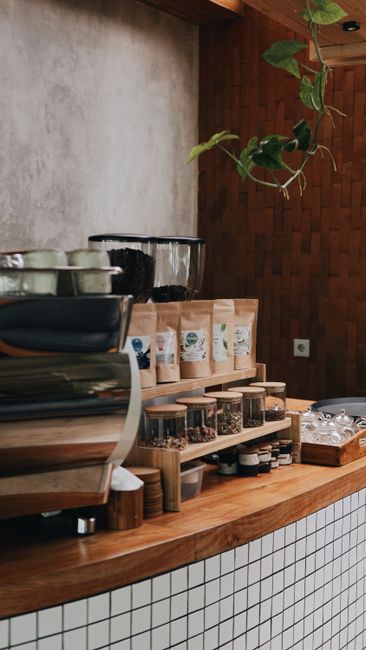
Let's dive into the heart of Balinese coffee tradition – Kopi Bali. This is the coffee you'll find served in warungs (small local restaurants), roadside stalls, and in many Balinese homes. It's more than just a drink; it's a cultural staple, a symbol of hospitality, and a daily ritual.
So, what exactly is Kopi Bali? Well, it's typically made using Robusta beans, which are known for their strong, bold flavor and high caffeine content. These beans are often grown locally, giving the coffee a distinctive Balinese character. The preparation method is quite simple but incredibly effective: the finely ground coffee is mixed directly with hot water in a glass, and the grounds are allowed to settle at the bottom.
The experience of drinking Kopi Bali is truly unique. You take small sips from the top of the glass, being careful not to stir up the sediment. The first sip is usually intense, a burst of earthy and slightly bitter flavors. As you continue, the coffee mellows out, revealing subtle hints of chocolate and spice. It's definitely an acquired taste, but one that I've come to appreciate deeply. There's something incredibly authentic and grounding about enjoying a simple cup of Kopi Bali while soaking in the Balinese atmosphere.
One thing to note is that Kopi Bali is typically served very sweet, with a generous amount of sugar added. If you prefer your coffee less sweet, be sure to ask for "kopi tanpa gula" (coffee without sugar) or "gula sedikit" (a little sugar).
Venturing into the World of Specialty Coffee in Bali

While Kopi Bali remains the cornerstone of Balinese coffee culture, a vibrant and growing specialty coffee scene has emerged in recent years. This trend has been driven by both local entrepreneurs and international influences, resulting in a diverse range of cafes offering high-quality Arabica beans, meticulously brewed using various techniques.
The rise of specialty coffee in Bali has been fueled by several factors:
- Increased awareness of coffee quality: Consumers are becoming more discerning about the coffee they drink, seeking out ethically sourced beans and expertly crafted brews.
- Growing tourism: Bali's popularity as a tourist destination has brought in visitors from around the world who are accustomed to specialty coffee.
- Passionate local entrepreneurs: Many Balinese individuals are passionate about coffee and have started their own cafes, roasting facilities, and coffee farms, focusing on quality and sustainability.
These factors have created a fertile ground for the development of a thriving specialty coffee scene, which offers a welcome alternative to the traditional Kopi Bali. Now, let's explore some of the key elements of this scene.
Exploring Arabica Varieties: A Flavorful Journey

Unlike Kopi Bali, which primarily uses Robusta beans, specialty coffee in Bali often features Arabica varieties. These beans are known for their more complex and nuanced flavors, as well as their lower caffeine content. Bali offers a unique terroir that contributes to the distinct flavor profiles of its Arabica beans. Factors like altitude, volcanic soil, and climate all play a role in shaping the characteristics of the coffee.
Some popular Arabica varieties grown in Bali include:
- Kintamani: This is perhaps the most well-known Balinese Arabica. It's grown in the highlands of Kintamani, known for its volcanic soil and cool climate. Kintamani coffee is typically characterized by its bright acidity, medium body, and notes of citrus, brown sugar, and chocolate. It often has a smooth and clean finish.
- Plaga: Grown in the Plaga region, this Arabica offers a distinct flavor profile. Plaga coffee is known for its sweet aroma, balanced body, and flavors of caramel, nuts, and tropical fruits. It is generally a very approachable and enjoyable coffee.
- Pupuan: This Arabica variety, originating from the Pupuan area, presents a uniquely sweet and fragrant profile. Its lighter body accentuates its floral and fruity notes, making for a delicate and aromatic cup.
Each of these varieties offers a unique taste experience, reflecting the specific terroir of its origin. I encourage you to try different types of Balinese Arabica to discover your own favorites!
Brewing Methods: From Pour-Over to Espresso
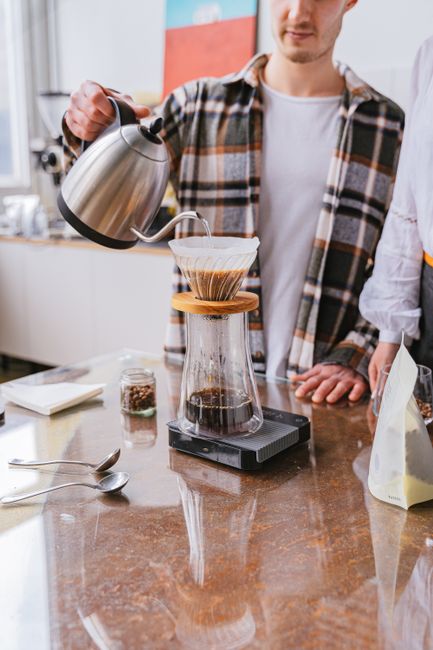
The specialty coffee scene in Bali also embraces a wide range of brewing methods, each designed to highlight the unique characteristics of the beans. You'll find everything from manual pour-over techniques to state-of-the-art espresso machines, catering to different preferences and flavor profiles.
Here are some common brewing methods you might encounter in Balinese specialty coffee shops:
- Pour-Over: This method involves slowly pouring hot water over coffee grounds in a filter, allowing the water to extract the flavors and aromas of the coffee. Popular pour-over devices include the Hario V60, Chemex, and Kalita Wave. Pour-over brewing is known for producing a clean, bright, and nuanced cup of coffee.
- French Press: This method involves steeping coarsely ground coffee in hot water, then pressing the grounds to the bottom of the carafe. French press coffee is known for its full body and rich, sediment-heavy flavor.
- Espresso: This method involves forcing hot water through finely ground coffee beans under high pressure. Espresso is the base for many popular coffee drinks, such as lattes, cappuccinos, and Americanos. A well-pulled espresso shot should be rich, intense, and have a creamy crema on top.
- AeroPress: This manual brewing device uses air pressure to extract coffee. AeroPress coffee is known for its smooth, clean flavor and versatility. It can be used to brew both hot and cold coffee.
The choice of brewing method can significantly impact the taste of the coffee. Experiment with different methods to find the one that best suits your palate and the specific beans you're using.
The Cafe Culture: Where to Find Your Perfect Cup

Bali boasts a vibrant and diverse cafe culture, with options ranging from cozy local establishments to trendy, Instagram-worthy spots. Whether you're looking for a quick caffeine fix, a relaxing place to work, or a social gathering spot, you're sure to find a cafe that suits your needs. Some are tucked away in serene rice paddies, others buzz with the energy of Canggu or Seminyak. The cafe scene in Ubud is particularly enchanting, known for its holistic ambiance and artisanal coffee shops.
Here are a few tips for finding the perfect cup of coffee in Bali:
- Do your research: Before you go, check online reviews and recommendations to find cafes that are known for their quality coffee and atmosphere. Websites like Google Maps, TripAdvisor, and local blogs can be helpful resources.
- Ask the locals: Don't be afraid to ask locals for their recommendations. They often know the hidden gems that aren't listed in guidebooks.
- Look for signs of quality: Keep an eye out for cafes that roast their own beans, use high-quality equipment, and employ skilled baristas. Also, look for certifications that indicate ethical sourcing and sustainable practices.
- Don't be afraid to experiment: Try different cafes and brewing methods to discover your own favorites.
Remember, the best coffee experience is often about more than just the taste of the coffee. It's about the atmosphere, the service, and the overall experience. Take your time, relax, and enjoy the journey of discovering Bali's coffee culture.
Beyond the Cup: Coffee Plantations and Ethical Considerations

No exploration of Bali's coffee culture would be complete without a visit to a coffee plantation. These plantations offer a fascinating glimpse into the entire coffee-making process, from bean to cup. You'll have the opportunity to see the coffee plants up close, learn about the different stages of cultivation, and witness the traditional methods of harvesting and processing.
Many plantations also offer coffee tastings, allowing you to sample different varieties and brewing methods. It's a great way to deepen your appreciation for the art of coffee making and to support local farmers.
When visiting a coffee plantation, it's important to be mindful of ethical considerations. Look for plantations that practice sustainable farming methods and treat their workers fairly. Avoid plantations that engage in unethical practices, such as forced labor or animal cruelty (such as the infamous Luwak coffee, if the Luwaks are caged).
Luwak coffee, also known as civet coffee, is a unique and controversial type of coffee made from coffee cherries that have been eaten and partially digested by the Asian palm civet. The civets eat the cherries for their fleshy pulp, but they excrete the coffee beans, which are then collected, cleaned, and roasted. The enzymes in the civet's digestive system are said to break down proteins and impart a unique flavor to the beans. While wild harvested Luwak coffee, where civets roam free, is considered sustainable, the vast majority is produced using caged civets which suffer inhumane treatment. It's crucial to research the origin of the beans if you're considering trying Luwak coffee and to only support ethical and sustainable practices.
Supporting Local Farmers: A Sustainable Approach

One of the best ways to contribute to Bali's coffee culture is to support local farmers and businesses. By purchasing coffee directly from farmers or from cafes that source their beans locally, you can help ensure that farmers receive a fair price for their coffee and that the local economy benefits. This also helps preserve traditional farming practices and protects the environment.
Here are some ways to support local Balinese coffee farmers:
- Buy directly from farmers: If possible, visit local coffee farms and purchase beans directly from the farmers. This is a great way to support them directly and to learn more about their farming practices.
- Support cafes that source locally: Choose cafes that prioritize sourcing their beans from local farmers. Ask the staff about the origin of their coffee and their relationships with local producers.
- Look for certifications: Look for certifications such as Fair Trade or organic, which indicate that the coffee has been produced according to ethical and sustainable standards.
By making conscious choices about the coffee you consume, you can help create a more sustainable and equitable coffee industry in Bali.
My Personal Recommendations: Cafes and Experiences
Okay, so after countless cups of coffee (and a few sleepless nights!), I've compiled a list of some of my favorite coffee spots and experiences in Bali. These are just a few of the many amazing places to discover, but they're a great starting point for your own coffee adventure.
- Seniman Coffee Studio (Ubud): A must-visit for any coffee lover. Seniman offers a wide range of specialty coffee beans, expertly brewed using various methods. They also have a delicious menu of food and pastries. The atmosphere is creative and inspiring, making it a great place to work or relax.
- Anomali Coffee (Various locations): A well-known chain with locations across Bali, Anomali Coffee is a reliable choice for high-quality Indonesian coffee. They offer a wide range of single-origin beans, as well as a variety of brewing methods.
- Revolver Espresso (Seminyak): This popular cafe is known for its excellent espresso drinks and its cool, edgy atmosphere. It's a great place to grab a quick coffee or to hang out with friends.
- Coffee plantations in Kintamani: Take a day trip to Kintamani to visit a coffee plantation and learn about the coffee-making process. Many plantations offer tours, tastings, and opportunities to purchase beans directly from the farmers.
These are just a few suggestions, of course. I encourage you to explore and discover your own hidden gems! The best part of Bali's coffee culture is the element of discovery and the opportunity to connect with the local community.
Bringing Bali Home: Tips for Brewing Balinese Coffee
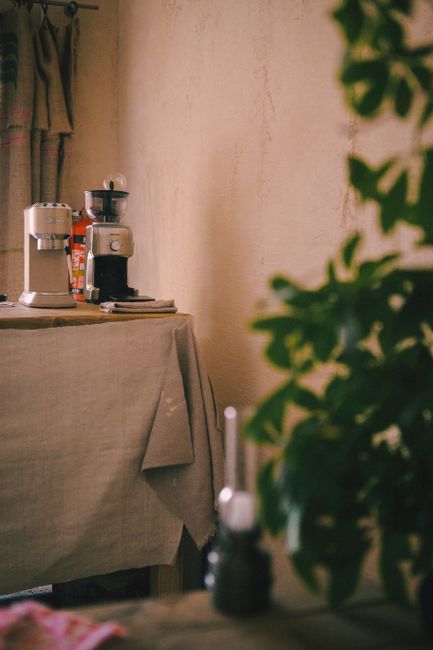
Want to recreate the flavors of Bali at home? Here are a few tips for brewing Balinese coffee:
- Use high-quality beans: Start with high-quality Balinese coffee beans, preferably Arabica varieties. Look for beans that are freshly roasted and have a pleasant aroma.
- Grind your beans fresh: Grind your beans just before brewing to maximize flavor. Use a burr grinder for a consistent grind.
- Use filtered water: Use filtered water to avoid any unwanted flavors that can interfere with the taste of the coffee.
- Experiment with brewing methods: Try different brewing methods to find the one that you enjoy the most. Pour-over, French press, and AeroPress are all good options.
- Adjust the grind size: Adjust the grind size according to the brewing method you're using. For pour-over, use a medium-fine grind. For French press, use a coarse grind.
With a little practice, you can easily brew delicious Balinese coffee at home and transport yourself back to the lush landscapes and vibrant culture of Bali.
Final Thoughts: A Lasting Impression

My journey into Bali's coffee culture has been an incredible experience. From sipping traditional Kopi Bali at a roadside warung to indulging in expertly crafted specialty brews in trendy cafes, I've been captivated by the diversity and richness of the Balinese coffee scene. It's more than just a beverage; it's a cultural symbol, a daily ritual, and a source of pride for the Balinese people.
I hope this article has inspired you to embark on your own coffee adventure in Bali. Whether you're a seasoned coffee connoisseur or a curious beginner, there's something for everyone to discover in this captivating corner of the world. So, book your ticket, pack your bags, and get ready to immerse yourself in the flavors, aromas, and traditions of Bali's coffee culture. Selamat minum kopi (Happy coffee drinking)!
Post a Comment