Beyond Nasi Goreng: A Culinary Journey Through Bali's Essential Dishes

Beyond Nasi Goreng: A Culinary Journey Through Bali's Essential Dishes
Okay, so you're heading to Bali! Sun-kissed beaches, stunning temples, and that incredible, laid-back vibe are probably already dancing in your head. But beyond the postcard-perfect scenery, Bali has a secret weapon: its food! And while Nasi Goreng (fried rice) is undeniably delicious and practically synonymous with Indonesian cuisine, it's just the tip of the iceberg. Trust me, you're going to want to dive deeper into the authentic flavors of this magical island. Think of this as your personal culinary map, guiding you to the must-try dishes that will truly unlock the heart of Balinese culture. I've spent countless hours exploring the local warungs (small restaurants) and chatting with the amazing people who create these culinary masterpieces, and I'm so excited to share my favorite discoveries with you!
Sate Lilit: A Tender Taste of the Sea

Let's start with one of my absolute favorites: Sate Lilit. Forget everything you think you know about satay. This isn't your typical grilled meat on a skewer. Sate Lilit is a revelation. Imagine minced meat – usually fish, chicken, or pork – seasoned with a complex blend of Balinese spices, then wrapped around a lemongrass stalk and grilled to perfection. The lemongrass infuses the meat with a subtle citrusy aroma, and the grilling gives it a slightly smoky char. What sets it apart is the texture: it's incredibly tender, almost melting in your mouth. You'll find it served with a dollop of sambal matah (more on that later!), which adds a fiery kick that perfectly complements the sweetness of the meat. I've had Sate Lilit everywhere from fancy restaurants overlooking the ocean to humble warungs tucked away in rice paddies, and it's always a winner. Don't leave Bali without trying it!
Lawar: A Culinary Tapestry of Flavors and Textures

Now, let's talk about Lawar. This dish might sound a little intimidating at first, but trust me, it's worth stepping outside your comfort zone. Lawar is a traditional Balinese dish consisting of a mixture of minced meat (usually pork or chicken), vegetables, grated coconut, and a generous helping of spices. What makes Lawar truly unique is the addition of fresh blood. Yes, you read that right! The blood acts as a natural thickening agent and adds a distinctive, earthy flavor. However, don't worry, vegetarian versions of Lawar exist, often substituting the meat with jackfruit or other vegetables. These versions are equally delicious and offer a great way to experience the flavors of Lawar without the blood component.
Lawar comes in several variations, each with its own unique characteristics. The most common types include:
- Lawar Merah (Red Lawar): This is the classic version containing animal blood.
- Lawar Putih (White Lawar): This version omits the blood, resulting in a milder flavor.
- Lawar Nangka (Jackfruit Lawar): A vegetarian option made with young jackfruit.
Lawar is often served as part of a larger Balinese feast, accompanying dishes like Babi Guling (roast suckling pig) and Sate Lilit. The complex blend of flavors and textures makes it a truly unforgettable culinary experience. If you're feeling adventurous, give Lawar a try! Just be sure to ask about the ingredients beforehand to ensure it aligns with your dietary preferences.
Babi Guling: Bali's Legendary Roast Suckling Pig

Speaking of Babi Guling, this is arguably Bali's most famous dish after Nasi Goreng. Babi Guling is essentially a whole suckling pig that's been marinated in a potent mixture of spices – turmeric, coriander, galangal, ginger, garlic, chilies, and more – and then slowly roasted over an open fire. The result is crispy, crackling skin that shatters with each bite, and incredibly moist, flavorful meat. It's a feast for the senses! Watching the pig slowly rotating over the fire is a spectacle in itself, and the aroma is absolutely intoxicating. Every warung has its own secret recipe, passed down through generations, so each Babi Guling experience is slightly different. Some are spicier, some are sweeter, but they're all delicious in their own way.
Babi Guling is often served with a variety of side dishes, including Lawar, steamed rice, and crispy pork skin crackers. It's usually a communal experience, shared with friends and family. Trust me, you haven't truly experienced Balinese cuisine until you've sunk your teeth into a plate of Babi Guling. Just be prepared for a flavor explosion! This is a dish that will stay with you long after you've left the island.
Jimbaran Seafood: A Romantic Culinary Escape

Picture this: the sun is setting over the Indian Ocean, casting a golden glow across the sky. You're sitting on a sandy beach, the gentle waves lapping at your feet. In front of you is a table laden with freshly grilled seafood, the aroma of charcoal and spices filling the air. This is Jimbaran, and it's a seafood lover's paradise.
Jimbaran Bay is famous for its rows of seafood restaurants that line the beach. You can choose your own fish, prawns, lobster, or clams from the tanks, and then watch as they're grilled to perfection over coconut husks. The seafood is incredibly fresh, and the simple grilling method allows the natural flavors to shine through. The most common seasonings are garlic, chili, and lime, which add a zesty kick. It's best enjoyed with a cold Bintang beer and the sound of the ocean as your soundtrack.
While the food is fantastic, the real draw of Jimbaran is the atmosphere. It's the perfect spot for a romantic dinner, a family celebration, or simply a relaxing evening with friends. The sunset views are breathtaking, and the overall ambiance is incredibly magical. Just be sure to arrive early to secure a good table, especially during peak season. And don't be afraid to haggle a little on the price of the seafood!
Gado-Gado: Indonesia's Salad with a Peanut Punch
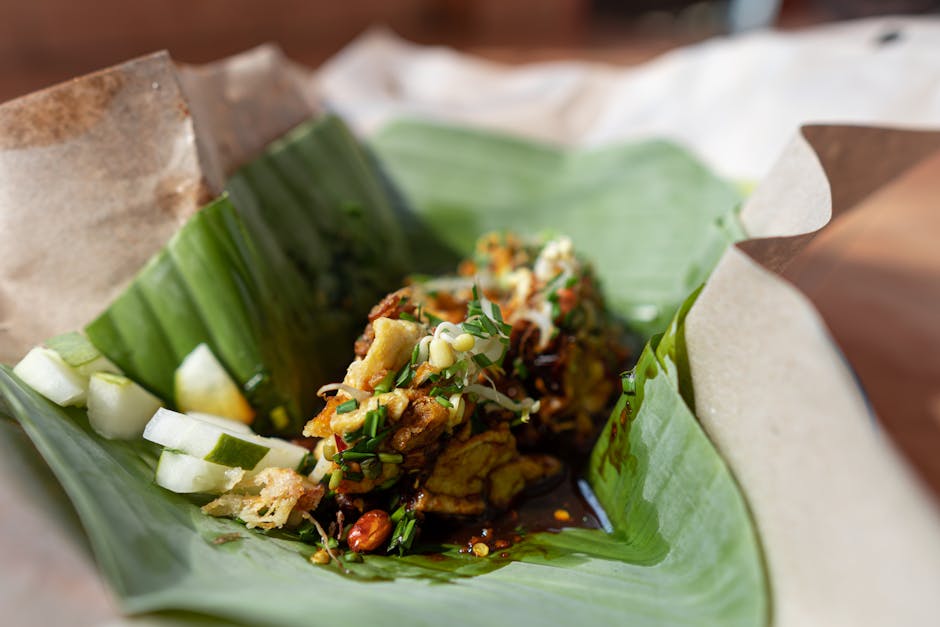
Okay, let's switch gears from meat-heavy dishes to something a little lighter. Gado-Gado is often described as Indonesian salad, but it's so much more than just lettuce and tomatoes. It's a vibrant mix of boiled vegetables – think spinach, long beans, bean sprouts, potatoes, and cabbage – tofu, tempeh, and lontong (rice cakes), all smothered in a rich, creamy peanut sauce. The peanut sauce is the star of the show, and each vendor has their own secret recipe. It's typically made with ground peanuts, chilies, garlic, tamarind, and palm sugar, creating a sweet, savory, and slightly spicy flavor profile.
Gado-Gado is a great option for vegetarians, and it's also a healthy and satisfying meal. You'll find it sold everywhere from street carts to upscale restaurants. It's often garnished with crispy shrimp crackers (krupuk) and fried shallots, which add a delightful crunch. Don't be shy about asking for extra peanut sauce – it's that good!
Sayur Urab: A Refreshing Coconut Vegetable Medley
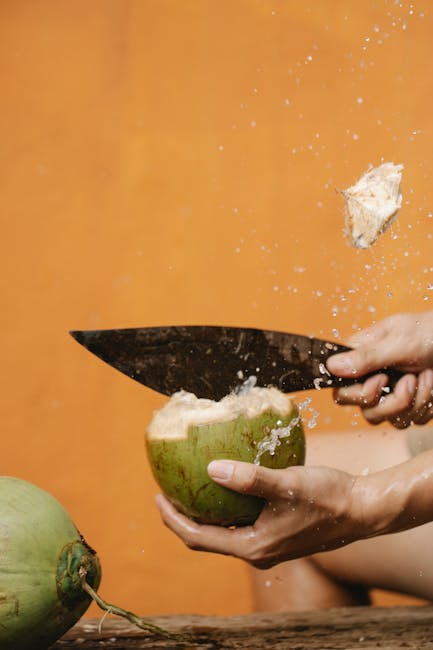
Staying on the vegetarian track, let's talk about Sayur Urab. This is a simple but incredibly flavorful dish made with a mix of blanched vegetables, such as spinach, long beans, and bean sprouts, tossed in a grated coconut dressing. The coconut is typically toasted beforehand, which enhances its nutty flavor. The dressing is seasoned with a blend of spices, including garlic, galangal, turmeric, and chilies, creating a fragrant and slightly spicy flavor profile. Sayur Urab is a refreshing and healthy dish that's often served as a side dish to accompany meat or fish.
What I love about Sayur Urab is its simplicity. It's a testament to the fact that you don't need fancy ingredients to create something delicious. The combination of the crunchy vegetables, the toasted coconut, and the aromatic spices is simply divine. It's a great way to get your veggies in while experiencing the authentic flavors of Balinese cuisine. You'll often find variations of Sayur Urab with different vegetables or spices, so be sure to try it whenever you see it on the menu.
Sambal Matah: Bali's Fiery Flavor Bomb

Now, we can't talk about Balinese food without mentioning Sambal Matah. This isn't just a condiment; it's a culinary experience. Sambal Matah is a raw sambal (chili sauce) made with a simple yet powerful combination of ingredients: shallots, garlic, lemongrass, bird's eye chilies, shrimp paste (terasi), lime leaves, and coconut oil. Everything is finely chopped and mixed together, creating a vibrant and intensely flavorful sauce. It's incredibly spicy, but the heat is balanced by the freshness of the herbs and the richness of the coconut oil.
Sambal Matah is a staple in Balinese cuisine, and you'll find it served with almost everything. It's the perfect accompaniment to grilled fish, roasted chicken, or even just a simple plate of rice. It adds a fiery kick that elevates any dish to another level. Be warned, though, it's not for the faint of heart! Start with a small amount and work your way up to avoid burning your taste buds. I've become completely addicted to Sambal Matah, and I even try to make it at home. It's a little piece of Bali that I can bring with me wherever I go.
Tipat Cantok: A Peanut Sauce Paradise for Vegetarians
Let's continue our exploration of vegetarian delights with Tipat Cantok. This is a popular street food dish consisting of steamed rice cakes (tipat), vegetables (usually water spinach, long beans, and bean sprouts), tofu, and tempeh, all doused in a generous serving of peanut sauce. What sets Tipat Cantok apart is the addition of a sweet soy sauce (kecap manis), which adds a layer of richness and complexity to the peanut sauce. It's similar to Gado-Gado, but the texture of the rice cakes and the addition of sweet soy sauce give it a unique character.
Tipat Cantok is a filling and affordable meal that's perfect for a quick lunch or snack. You'll find vendors selling it everywhere from bustling markets to quiet street corners. It's a great way to experience the local flavors and soak up the vibrant atmosphere of Balinese street life. Don't be afraid to try it from different vendors, as each one will have their own slightly different recipe and take on the dish.
Bubuh Injin: Black Rice Pudding Sweetness
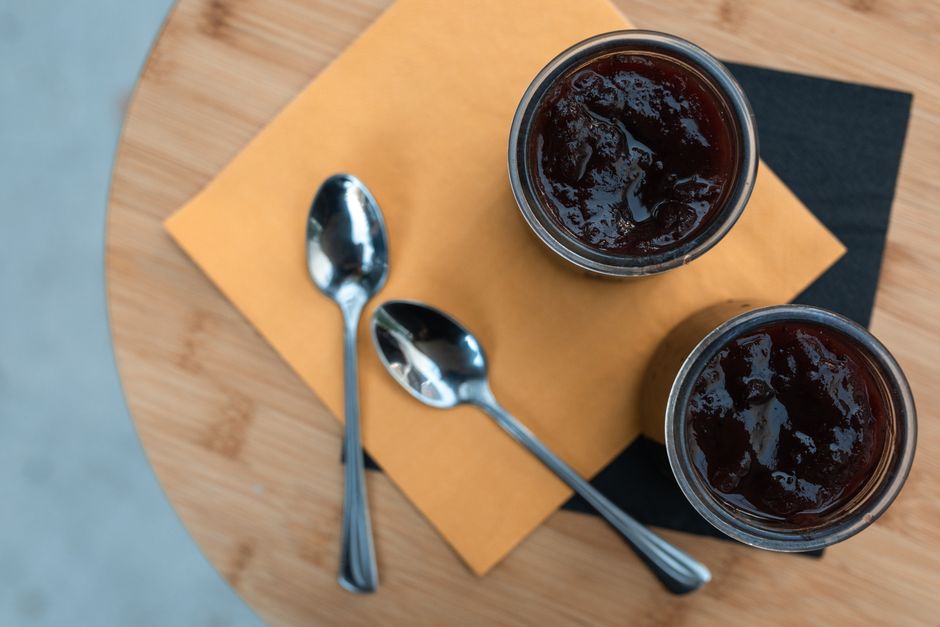
Now for something sweet! Bubuh Injin is a traditional Balinese dessert made from black glutinous rice cooked in coconut milk and palm sugar. The rice turns a beautiful dark purple color during the cooking process, and the coconut milk adds a creamy richness. It's typically served warm, garnished with grated coconut and a drizzle of palm sugar syrup.
Bubuh Injin is a simple but incredibly satisfying dessert. The black rice has a slightly chewy texture, and the coconut milk and palm sugar create a sweet and comforting flavor. It's the perfect way to end a meal or to enjoy as a mid-afternoon treat. You'll find it sold at warungs and street stalls throughout Bali. It's a classic Balinese dessert that everyone should try at least once.
Jaje Batun Bedil: Sweet Rice Flour Dumplings in Palm Sugar Syrup

Another sweet treat to look out for is Jaje Batun Bedil. These are small, chewy dumplings made from rice flour, colored with natural food coloring, and cooked in a sweet palm sugar syrup. The name translates to "gun stones cake" because the dumplings resemble small stones. The syrup is often flavored with pandan leaves, which adds a fragrant aroma.
Jaje Batun Bedil is a popular snack in Bali, and you'll often find it sold at traditional markets and roadside stalls. The dumplings are soft and chewy, and the palm sugar syrup is incredibly sweet and sticky. It's a simple but addictive treat that's perfect for satisfying your sweet tooth. Keep an eye out for it during your culinary adventures!
Es Campur: The Ultimate Indonesian Dessert Drink

Finally, let's quench our thirst with Es Campur. This is a popular Indonesian dessert drink that's a mix of everything but the kitchen sink! It typically includes shaved ice, coconut milk, palm sugar syrup, grass jelly, fruits (like jackfruit, avocado, and coconut), cendol (green rice flour jelly), and sometimes even condensed milk or chocolate syrup. It's a colorful and refreshing concoction that's perfect for a hot day.
Es Campur is highly customizable, and each vendor will have their own unique combination of ingredients. It's a great way to try a variety of different textures and flavors in one drink. It's sweet, creamy, and slightly fruity, and it's guaranteed to cool you down. You'll find Es Campur sold everywhere in Bali, from street carts to restaurants. It's the perfect way to end your culinary journey through the island.
Tips for Exploring Balinese Cuisine

Now that you have a list of must-try dishes, here are a few tips to help you navigate the Balinese culinary landscape:
- Venture beyond the tourist areas: The best food is often found in local warungs, away from the main tourist drags.
- Don't be afraid to try new things: Step outside your comfort zone and embrace the unfamiliar flavors.
- Ask the locals for recommendations: They know the best spots!
- Be mindful of hygiene: Choose warungs that look clean and well-maintained.
- Learn a few basic Indonesian phrases: Knowing how to say "Terima kasih" (thank you) and "Enak sekali" (very delicious) will go a long way.
- Be prepared for spice: Balinese food can be quite spicy, so start with small portions and adjust accordingly.
- Carry hand sanitizer: It's always a good idea to have hand sanitizer on hand, especially when eating at street stalls.
- Drink bottled water: Avoid drinking tap water to prevent stomach problems.
Beyond the Food: The Balinese Dining Experience
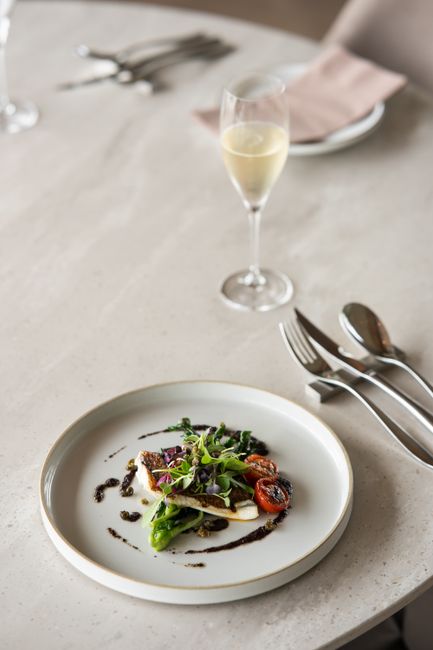
More than just the food itself, it's the entire dining experience that makes Balinese cuisine so special. The warmth and hospitality of the Balinese people, the vibrant atmosphere of the warungs, and the beautiful scenery all contribute to a truly unforgettable culinary adventure. Take the time to savor each bite, to appreciate the flavors, and to connect with the culture. You'll leave Bali with not only a full stomach but also a deeper understanding of this incredible island and its people.
So, there you have it! My personal guide to the essential Balinese dishes that go beyond Nasi Goreng. I hope this has inspired you to explore the rich and diverse culinary scene of Bali and to discover your own favorite dishes. Selamat makan (enjoy your meal)! And remember, the best way to experience Balinese cuisine is to simply dive in and start tasting!
Post a Comment