Canyoning Bali: Chasing Waterfalls and Thrills in Paradise

Canyoning Bali: Chasing Waterfalls and Thrills in Paradise
Hey there, fellow adventurers! If you're looking for an adrenaline rush mixed with breathtaking natural beauty, then let me tell you about my canyoning experiences in Bali. Forget lounging on the beach (okay, maybe just for a day or two!), because rappelling down waterfalls, jumping into crystal-clear pools, and navigating through lush jungle canyons is an experience you'll never forget. I'm not talking about a casual stroll; I'm talking about a full-on immersion into the raw, untamed heart of Bali. I'm talking about canyoning.
Bali, often dubbed the "Island of Gods," is renowned for its stunning beaches, vibrant culture, and spiritual atmosphere. But beyond the tourist hotspots lies a hidden world of dramatic landscapes, cascading waterfalls, and secret canyons just begging to be explored. Canyoning, also known as canyoneering, is the perfect way to discover this hidden Bali. It's a blend of hiking, swimming, climbing, rappelling (abseiling), and jumping, all within the confines of a river canyon. It's challenging, exhilarating, and incredibly rewarding.
I remember the first time I went canyoning in Bali. I was a mix of excitement and nervous anticipation. I'd seen pictures and videos, but nothing could have prepared me for the real thing. The sheer scale of the canyons, the roar of the waterfalls, and the feeling of the cool water rushing around me – it was sensory overload in the best possible way. Since then, I've been hooked, and I've explored several different canyons across the island. I'm here to share my experiences, tips, and insights to help you plan your own unforgettable canyoning adventure in Bali!
What is Canyoning and Why Choose Bali?
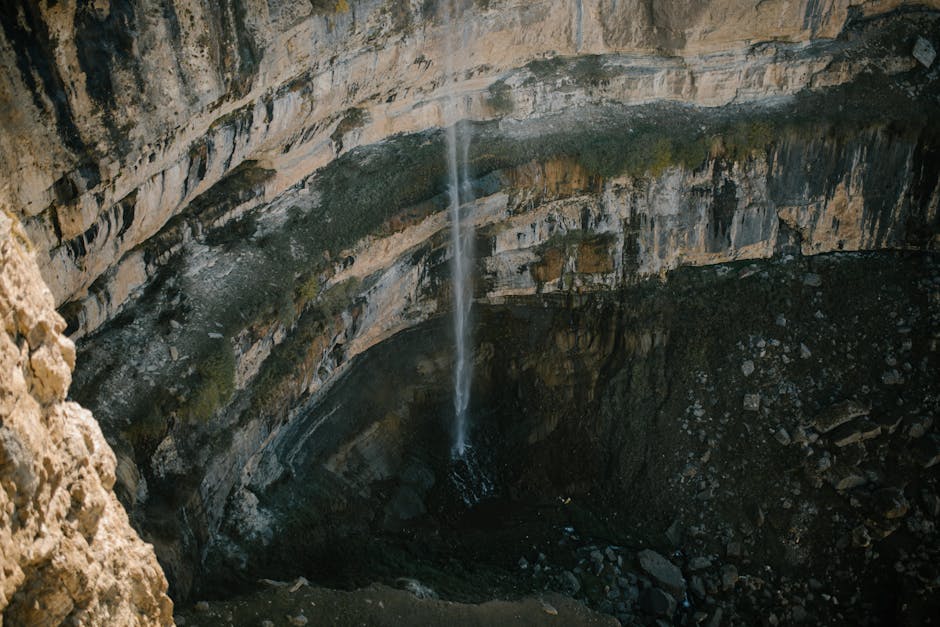
Canyoning involves descending a canyon using a variety of techniques. It's not for the faint of heart, but with the right guidance and a reasonable level of fitness, it's an accessible adventure for many. Before I dive into the specifics of canyoning in Bali, let's clarify exactly what it entails and why Bali is such a fantastic destination for it.
Canyoning Techniques: A Quick Rundown
- Rappelling (Abseiling): This is the most common technique, involving descending a vertical rock face or waterfall using ropes and a specialized harness.
- Jumping: Sometimes, the easiest (and most fun!) way down is to jump into a deep pool of water. Always check the depth and landing area before jumping.
- Sliding: Some canyons feature natural waterslides that you can slide down.
- Swimming: Canyons often involve swimming through sections of the river.
- Downclimbing: This involves carefully descending steeper sections of rock without ropes, using your hands and feet for support.
- Hiking/Wading: Getting to and from rappels often involves hiking and wading through the river.
Why Bali for Canyoning?
Bali offers a unique combination of factors that make it an ideal canyoning destination:
- Variety of Canyons: Bali boasts a diverse range of canyons, from beginner-friendly options with smaller waterfalls to more challenging canyons with high rappels and technical sections.
- Tropical Climate: The warm tropical climate makes canyoning enjoyable year-round. Even when it rains (which it often does in the rainy season!), the water is still warm and inviting.
- Stunning Scenery: Imagine rappelling down a waterfall surrounded by lush jungle, with monkeys chattering in the trees above. The natural beauty of Bali's canyons is simply breathtaking.
- Experienced Operators: Bali has a number of reputable canyoning operators who provide expert guidance, equipment, and safety briefings.
- Accessibility: Bali is a relatively easy and affordable destination to travel to, making it accessible to adventurers from around the world.
For me, the combination of the adrenaline rush and the stunning natural surroundings is what makes canyoning in Bali so special. It's a chance to connect with nature in a truly unique and immersive way. And trust me, the feeling of accomplishment after completing a challenging canyon is incredible!
Choosing the Right Canyoning Tour: Safety First!

Now, before you book your canyoning tour, it's crucial to understand that safety should be your top priority. Canyoning can be inherently risky if not done properly. Choosing a reputable and experienced operator is absolutely essential. Don't be tempted to go with the cheapest option – your safety is worth more than saving a few dollars.
Key Factors to Consider When Choosing a Canyoning Tour Operator:
- Certification and Accreditation: Look for operators that are certified and accredited by reputable organizations. This ensures they meet certain safety standards and have qualified guides. I personally recommend searching for operators associated with reputable canyoning organizations.
- Experience and Qualifications of Guides: The guides should be experienced, certified, and knowledgeable about the canyon you'll be exploring. They should be able to provide clear instructions, assess risks, and handle emergencies effectively. Ask about their experience and certifications before booking.
- Quality of Equipment: The operator should provide high-quality, well-maintained equipment, including harnesses, helmets, ropes, and wetsuits. Inspect the equipment before the tour to ensure it's in good condition.
- Safety Briefing and Training: A thorough safety briefing and training session are essential before starting the canyoning tour. The guides should explain the techniques you'll be using, the potential risks, and the procedures to follow in case of an emergency.
- Group Size: Smaller group sizes generally allow for more personalized attention and a safer experience. Avoid operators that cram too many people into a single group.
- Insurance: Ensure that the operator has adequate insurance coverage in case of accidents or injuries.
- Reviews and Reputation: Read online reviews and ask for recommendations from other travelers to get an idea of the operator's reputation.
Questions to Ask Before Booking:
- What are the guides' qualifications and experience?
- What safety certifications does the company hold?
- What is the maximum group size?
- What equipment is provided, and how often is it inspected?
- What is the cancellation policy?
- Is insurance included?
- What happens in case of bad weather?
I always take the time to thoroughly research the canyoning operator before booking a tour. It gives me peace of mind knowing that I'm in safe hands. Remember, a little extra research can go a long way in ensuring a safe and enjoyable canyoning experience.
Top Canyons in Bali: A Personal Recommendation

Now for the exciting part: choosing which canyon to explore! Bali offers a variety of canyons to suit different skill levels and preferences. Here are a few of my personal favorites:
- Aling-Aling Canyon (North Bali): This is a fantastic option for beginners. It features a series of smaller waterfalls and jumps, perfect for getting comfortable with the basic techniques. The scenery is stunning, with lush rice paddies and towering cliffs. I remember feeling a real sense of accomplishment after completing Aling-Aling Canyon on my first canyoning trip.
- Kalimudah Canyon (North Bali): A bit more challenging than Aling-Aling, Kalimudah features higher rappels and longer swims. It's a great choice for those with some previous experience or a good level of fitness. The turquoise water and dramatic rock formations make it a truly unforgettable experience.
- Gitgit Canyon (North Bali): Gitgit is another popular option with a mix of rappels, jumps, and slides. It's suitable for intermediate canyoners and offers plenty of opportunities for adventure. The surrounding jungle is teeming with wildlife, so keep an eye out for monkeys and exotic birds.
- Sambangan Canyon (North Bali): Sambangan is a hidden gem with a series of impressive waterfalls and crystal-clear pools. It's a more remote and challenging canyon, but the rewards are well worth the effort. This canyon is known for its natural slides and thrilling jumps.
- Kerenkali Canyon (East Bali): A more advanced option that requires good fitness and some previous canyoning experience. The Kerenkali canyon offers stunning views and unique challenges with long swims and high rappels.
Factors to Consider When Choosing a Canyon:
- Your Skill Level: Be honest about your abilities and choose a canyon that is appropriate for your skill level. Don't overestimate yourself, as this could lead to a dangerous situation.
- Your Fitness Level: Canyoning can be physically demanding, so make sure you're in reasonably good shape before attempting a challenging canyon.
- Your Comfort Level with Heights: If you're afraid of heights, you might want to start with a canyon that has smaller rappels and jumps.
- The Type of Adventure You're Looking For: Do you want a relaxing canyoning experience with plenty of swimming and easy rappels, or are you looking for a more challenging adventure with high waterfalls and technical sections?
I recommend talking to the canyoning operator and asking for their recommendations based on your experience and preferences. They'll be able to help you choose the perfect canyon for your adventure.
What to Expect on a Canyoning Tour: A Step-by-Step Guide

So, you've chosen your canyon and booked your tour. Now what? Here's a general overview of what you can expect on a typical canyoning tour in Bali:
- Meeting Point and Transportation: You'll meet your guides at a designated meeting point, usually near the canyon entrance. The operator will typically provide transportation to and from your hotel.
- Safety Briefing and Gear Up: Upon arrival at the canyon, you'll receive a thorough safety briefing from your guides. They'll explain the techniques you'll be using, the potential risks, and the procedures to follow in case of an emergency. You'll then be fitted with your equipment, including a harness, helmet, wetsuit (if needed), and canyoning shoes.
- Approach Hike: The canyon entrance is often located a short hike away from the parking area. This is a good opportunity to warm up and enjoy the scenery.
- Canyoning Adventure: Once you reach the canyon, the real fun begins! You'll start rappelling down waterfalls, jumping into pools, sliding down natural waterslides, and swimming through the river. The guides will provide assistance and guidance throughout the entire process.
- Lunch or Snacks: Many tours include a lunch or snack break in the canyon. This is a great opportunity to refuel and relax before continuing the adventure.
- Exit Hike: After completing the canyon, there's usually a short hike out to the parking area. This can sometimes be the most challenging part of the tour, as you'll likely be tired from all the physical activity.
- Return Transportation: The operator will provide transportation back to your hotel.
My Personal Experience:
On my first canyoning trip, I remember feeling a mix of excitement and nerves as I stood at the top of my first waterfall, ready to rappel down. The guide patiently explained the process, double-checked my equipment, and gave me a reassuring smile. As I started my descent, the adrenaline kicked in, and I felt an incredible sense of accomplishment. By the end of the day, I was completely hooked! Each canyoning experience has been unique, but they all share a common thread: adventure, challenge, and unforgettable memories.
What to Bring and Wear: Packing Essentials for Canyoning

Packing the right gear is essential for a comfortable and safe canyoning experience. Here's a list of what I typically bring on my canyoning trips in Bali:
- Swimsuit: You'll be spending a lot of time in the water, so a comfortable swimsuit is a must.
- Quick-Drying Clothes: Avoid cotton, as it stays wet for a long time. Opt for quick-drying fabrics like nylon or polyester.
- Towel: A small, lightweight travel towel is perfect for drying off after the canyoning adventure.
- Sunscreen: Protect your skin from the strong Balinese sun.
- Insect Repellent: The jungle can be buggy, so insect repellent is a good idea.
- Waterproof Camera or GoPro: Capture all the action with a waterproof camera or GoPro.
- Water Bottle: Stay hydrated by bringing a reusable water bottle. Some operators provide water refills.
- Snacks: Bring some energy bars or snacks to keep you going throughout the day.
- Dry Bag: Protect your valuables (phone, wallet, camera) from water damage by storing them in a dry bag.
- Change of Clothes: You'll want to change into dry clothes after the canyoning adventure.
- Canyoning Shoes (If Not Provided): Some operators provide canyoning shoes, but if not, bring sturdy hiking shoes or water shoes with good grip.
What to Wear:
- Swimsuit or Quick-Drying Underwear: Wear a swimsuit or quick-drying underwear under your clothes.
- Quick-Drying Shirt and Shorts: Choose lightweight, quick-drying fabrics.
- Canyoning Shoes or Hiking Shoes: Wear sturdy shoes with good grip.
- Helmet (Provided): The operator will provide a helmet for head protection.
- Harness (Provided): The operator will provide a harness for rappelling.
- Wetsuit (Optional): A wetsuit may be provided depending on the canyon and the water temperature.
Important Note: Leave any valuable jewelry or accessories at your hotel, as they could get lost or damaged during the canyoning adventure.
Tips for a Successful Canyoning Trip: My Insider Advice

Here are a few extra tips to help you make the most of your canyoning adventure in Bali:
- Listen to Your Guides: The guides are experienced professionals who know the canyon well. Pay attention to their instructions and follow their guidance.
- Communicate with Your Guides: If you're feeling uncomfortable or unsure about something, don't hesitate to communicate with your guides. They're there to help you.
- Stay Hydrated: Drink plenty of water throughout the day to stay hydrated.
- Pace Yourself: Canyoning can be physically demanding, so don't try to push yourself too hard. Pace yourself and take breaks when needed.
- Enjoy the Scenery: Take a moment to appreciate the stunning natural beauty of the canyons.
- Respect the Environment: Leave no trace behind. Pack out everything you pack in and avoid disturbing the local flora and fauna.
- Be Prepared for the Weather: Bali's weather can be unpredictable, so be prepared for rain or sunshine.
- Bring a Positive Attitude: Canyoning is an adventure, so embrace the challenges and enjoy the experience!
- Take out travel insurance. Make sure your travel insurance covers canyoning activities.
My Personal Advice:
Don't be afraid to step outside of your comfort zone! Canyoning is a challenging but incredibly rewarding experience. Trust yourself, trust your guides, and enjoy the ride. And remember to take lots of pictures to capture the memories!
Canyoning and Responsible Tourism: Protecting Bali's Natural Beauty
As travelers, it's our responsibility to be mindful of the impact we have on the environment and the local communities. Here are a few ways to practice responsible tourism while canyoning in Bali:
- Choose Eco-Friendly Operators: Support canyoning operators who are committed to sustainable practices and environmental conservation. Look for operators who minimize their impact on the environment, support local communities, and educate their clients about responsible tourism.
- Respect the Environment: Leave no trace behind. Pack out all your trash, stay on designated trails, and avoid disturbing the local flora and fauna.
- Support Local Communities: Choose local guides and support local businesses. This helps to ensure that the benefits of tourism are shared with the local communities.
- Conserve Water: Be mindful of your water usage and avoid wasting water.
- Reduce Your Carbon Footprint: Consider using public transportation or renting a bicycle instead of a car.
My Personal Commitment:
I always try to choose eco-friendly operators and support local communities when I travel. I believe that it's important to give back to the places we visit and help to protect their natural beauty for future generations.
Canyoning in Bali: More Than Just a Thrill

Canyoning in Bali is more than just an adrenaline rush; it's an opportunity to connect with nature, challenge yourself, and create unforgettable memories. It's a chance to discover a hidden side of Bali that most tourists never see. It's an adventure that will stay with you long after you've left the island.
I hope this article has inspired you to consider canyoning on your next trip to Bali. Just remember to prioritize safety, choose a reputable operator, and respect the environment. And most importantly, have fun! See you in the canyons!
So, what are you waiting for? Start planning your canyoning adventure in Bali today! You won't regret it!
Post a Comment