Diving Deep: Exploring Nusa Islands' Underwater Paradise & Rich Marine Life
Diving Deep: Exploring Nusa Islands' Underwater Paradise & Rich Marine Life
Hey there, fellow ocean lover! Have you ever dreamt of diving into a world teeming with vibrant coral reefs, playful manta rays, and schools of fish so colorful they seem to defy reality? Well, let me tell you about a place that turned that dream into my reality: the Nusa Islands in Bali, Indonesia. I'm so excited to share my experiences diving in this underwater paradise with you. Trust me, after reading this, you'll be packing your bags!
Nusa Islands: A Quick Introduction to Paradise
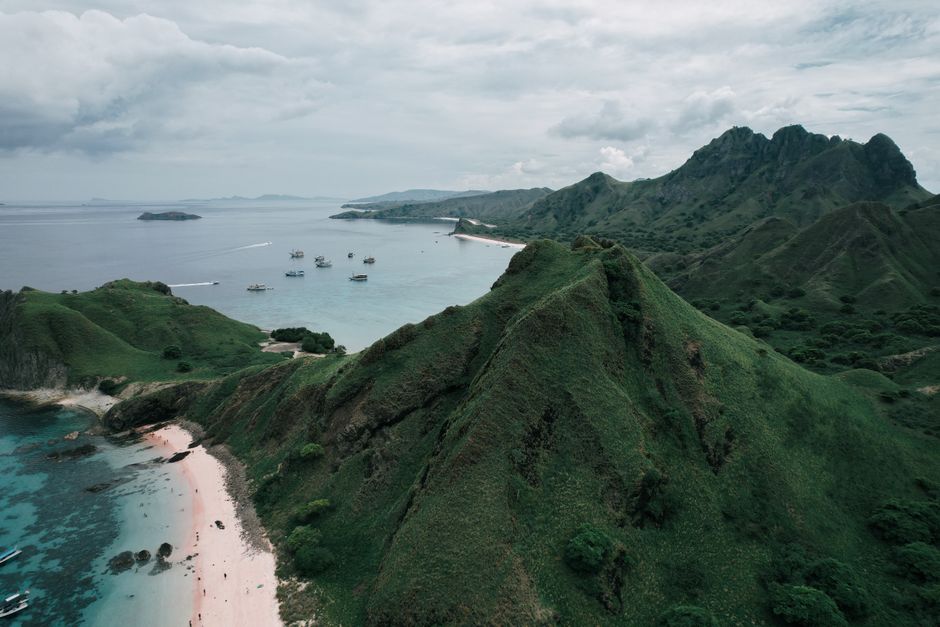
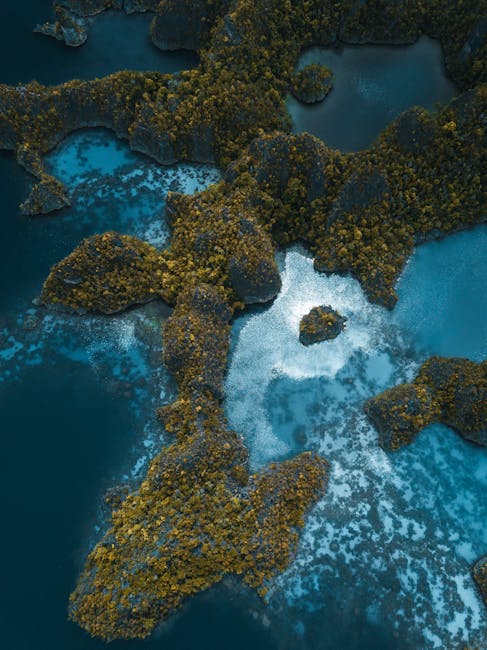
First things first, let's get acquainted with the Nusa Islands. They're a trio of islands – Nusa Lembongan, Nusa Ceningan, and Nusa Penida – located just off the southeast coast of Bali. While Bali is renowned for its stunning beaches and rich culture, the Nusa Islands offer a more laid-back vibe and, crucially for us divers, some of the most breathtaking marine biodiversity in the world. Each island has its own unique charm, but they all share the same crystal-clear waters and incredible underwater ecosystem.
I remember stepping off the boat onto Nusa Lembongan for the first time. The air was fresh, the locals were incredibly friendly, and the turquoise water was calling my name. Little did I know, that was just the beginning of an unforgettable adventure. Think of it as Bali's more chill, less crowded, and way more underwater-focused sibling.
Why the Nusa Islands are a Diver's Dream Come True

Okay, so what makes the Nusa Islands such a hotspot for diving enthusiasts? It's all about the unique combination of factors that create this underwater haven:
1. The Indonesian Throughflow: This powerful ocean current flows from the Pacific to the Indian Ocean, bringing nutrient-rich waters that support a thriving marine ecosystem. It's like a highway of food for all the creatures down below, from tiny plankton to massive manta rays.
2. Coral Triangle Location: The Nusa Islands are located within the Coral Triangle, a region considered the global epicenter of marine biodiversity. This area boasts the highest number of coral and fish species on the planet. Imagine swimming through a garden of vibrant corals, each teeming with life!
3. Protected Marine Areas: A significant portion of the waters surrounding the Nusa Islands is designated as a Marine Protected Area (MPA). This means that fishing and other destructive activities are restricted, allowing marine life to flourish. Thanks to these efforts, the reefs are relatively healthy and the fish populations are abundant.
4. Diverse Dive Sites: From gentle drift dives to thrilling encounters with large pelagics, the Nusa Islands offer something for every level of diver. Whether you're a seasoned pro or a complete beginner, you'll find a dive site that suits your skills and interests.
Must-See Dive Sites Around the Nusa Islands
Now for the good stuff! Let me walk you through some of my favorite dive sites around the Nusa Islands. Be warned, you might experience intense wanderlust!
1. Manta Point (Nusa Penida): This is, without a doubt, the crown jewel of diving in the Nusa Islands. Manta Point is a cleaning station where manta rays gather to have parasites removed by small fish. Witnessing these majestic creatures glide effortlessly through the water is an experience that will stay with you forever. Seriously, I felt like I was flying alongside them! The water can be a bit choppy and the visibility can vary, but the chance to see manta rays up close makes it all worthwhile.
2. Crystal Bay (Nusa Penida): Crystal Bay is famous for one thing: the elusive Mola Mola, also known as the Oceanic Sunfish. This bizarre-looking fish is the heaviest bony fish in the world, and seeing one is a true highlight for any diver. Mola Molas are most commonly sighted during the dry season (July to September) when the water temperature drops. Crystal Bay also boasts beautiful coral gardens and a vibrant reef, even if you don't spot a Mola Mola (which, let's be honest, is a bit of a gamble!).
3. Toyapakeh Wall (Nusa Penida): This site offers a stunning wall dive with incredible coral formations and a diverse array of marine life. Expect to see everything from colorful nudibranchs to larger fish like trevally and tuna. The current can be strong here, making it a great site for experienced divers who enjoy a good drift dive.
4. Mangrove Point (Nusa Lembongan): As the name suggests, this dive site is located near a mangrove forest. The gentle current makes it perfect for beginners and snorkelers. The shallow waters are teeming with juvenile fish and offer a unique opportunity to observe the intricate ecosystem that exists within the mangroves.
5. Gamat Bay (Nusa Penida): Gamat Bay is a sheltered bay with calm waters and excellent visibility. It's a great spot for macro photography, as you can find a variety of small creatures hiding amongst the coral. Look out for pygmy seahorses, frogfish, and nudibranchs!
6. Blue Corner (Nusa Penida): This is a dive site for experienced divers only! Blue Corner is known for its strong currents and the chance to see larger pelagic species, such as sharks, eagle rays, and even hammerhead sharks (if you're lucky!). The visibility can be incredible, and the adrenaline rush is guaranteed.
Planning Your Diving Trip to the Nusa Islands

Okay, you're hooked, right? Here's what you need to consider when planning your diving adventure to the Nusa Islands:
1. Best Time to Visit: The dry season (April to October) generally offers the best diving conditions, with calmer seas and better visibility. However, this is also the peak season, so expect higher prices and more crowds. The wet season (November to March) can still be enjoyable, but the visibility may be reduced due to rain and runoff. As mentioned earlier, Mola Mola are most often seen between July and September.
2. Getting There: The easiest way to reach the Nusa Islands is by taking a fast boat from Sanur or Padang Bai in Bali. The journey takes approximately 30-45 minutes. There are many reputable fast boat companies to choose from, so do your research and book in advance, especially during peak season.
3. Accommodation: The Nusa Islands offer a wide range of accommodation options, from budget-friendly guesthouses to luxurious resorts. Nusa Lembongan tends to be more developed, with a wider selection of restaurants and shops. Nusa Penida is more rugged and offers a more authentic Indonesian experience. Nusa Ceningan is the smallest of the three islands and offers a tranquil escape.
4. Dive Operators: Choose a reputable dive operator with experienced instructors and well-maintained equipment. Look for operators that prioritize safety and environmental responsibility. Many dive operators offer packages that include accommodation, diving, and meals. I highly recommend doing some research and reading reviews before making a decision.
5. Certification Requirements: You'll need to be a certified diver to participate in most dive trips. If you're not already certified, you can take a PADI Open Water Diver course on the Nusa Islands. Many dive operators offer courses for all levels of experience. Don't forget to bring your certification card and logbook!
6. What to Pack: Besides your usual travel essentials, be sure to pack:
- Swimsuit and rash guard
- Reef-safe sunscreen
- Hat and sunglasses
- Towel
- Underwater camera (optional, but highly recommended!)
- Dive gear (if you have your own)
- Motion sickness medication (if you're prone to seasickness)
7. Budget: The cost of your diving trip will depend on your accommodation choices, the number of dives you plan to do, and the dive operator you choose. As a general guide, expect to spend around $50-$100 per day for accommodation and meals, and $50-$80 per dive. Remember to factor in the cost of transportation to and from the Nusa Islands.
Respecting the Marine Environment
As divers, we have a responsibility to protect the delicate marine ecosystems that we explore. Here are a few things you can do to minimize your impact on the Nusa Islands' underwater world:
1. Choose Reef-Safe Sunscreen: Many sunscreens contain chemicals that are harmful to coral reefs. Choose a sunscreen that is labeled "reef-safe" or "reef-friendly." Look for products that are free of oxybenzone and octinoxate.
2. Avoid Touching Coral or Marine Life: Coral is a living organism, and touching it can damage its delicate tissues. Avoid touching or kicking coral, and keep a respectful distance from marine life. Remember, we're guests in their home!
3. Practice Good Buoyancy Control: Good buoyancy control is essential for protecting coral reefs. If you're not comfortable with your buoyancy, consider taking a refresher course before diving in the Nusa Islands.
4. Don't Feed the Fish: Feeding fish can disrupt their natural feeding behavior and make them dependent on humans. It can also attract unwanted species to the area.
5. Dispose of Trash Properly: Littering is a major problem in many parts of the world, and the Nusa Islands are no exception. Be sure to dispose of your trash properly, and pick up any trash you see on the beach or underwater.
6. Support Sustainable Tourism: Choose dive operators and accommodations that are committed to sustainable tourism practices. Look for businesses that are actively involved in protecting the environment and supporting the local community.
My Personal Diving Experiences in Nusa Penida
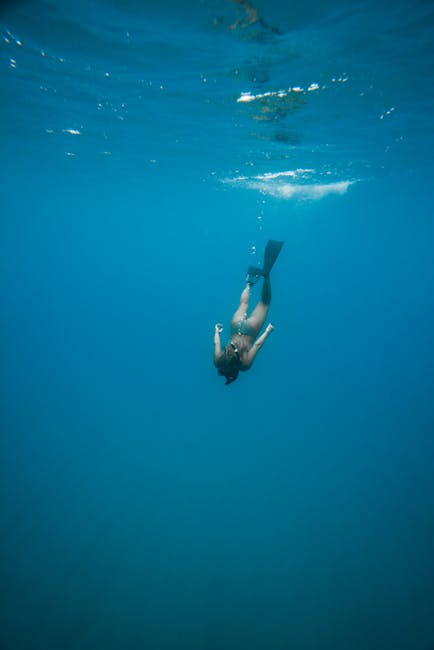
Okay, enough with the general advice. Let me share a few of my most memorable diving moments in Nusa Penida. These are the stories that truly made me fall in love with this place.
Manta Point Magic: I'll never forget my first encounter with a manta ray at Manta Point. The water was a bit murky, but as I descended, I suddenly saw a massive shadow appear in the distance. As it got closer, I realized it was a manta ray, gracefully gliding towards me. It was so close I could almost touch it (but I didn't, of course!). I spent the next hour mesmerized as these gentle giants circled around us, feeding on plankton. It was truly a magical experience.
The Mola Mola Mystery: My quest to see a Mola Mola at Crystal Bay was a bit of a rollercoaster. The first few dives were unsuccessful, but I refused to give up. On my final day, I decided to give it one last shot. As I descended into the cool, clear water, I started to lose hope. But then, out of the blue (pun intended!), I saw it. A huge, disc-shaped fish with massive fins, just hanging there in the water. It was the most bizarre and beautiful creature I had ever seen. I watched it for a few minutes, completely in awe, before it slowly swam away. It was worth every single dive!
Drift Diving Delight: Toyapakeh Wall was an exhilarating drift dive. The current was strong, but the visibility was incredible. I felt like I was flying through an underwater canyon, surrounded by colorful corals and schools of fish. I even spotted a couple of sea turtles munching on sponges. It was a thrilling experience that left me buzzing with adrenaline.
Beyond Diving: Exploring the Nusa Islands
While diving is the main attraction, the Nusa Islands have so much more to offer. Here are a few things you can do to explore the islands above water:
1. Explore the Beaches: The Nusa Islands are home to some stunning beaches, including Dream Beach, Mushroom Bay, and Atuh Beach. Spend a day relaxing on the sand, swimming in the turquoise water, and soaking up the sun.
2. Visit Angel's Billabong and Broken Beach: These natural rock formations on Nusa Penida are a must-see. Angel's Billabong is a natural infinity pool, while Broken Beach is a circular cove with a dramatic archway.
3. Hike to Kelingking Beach: Kelingking Beach, also known as T-Rex Beach, is famous for its dramatic cliff formation that resembles a T-Rex skeleton. The hike down to the beach is steep and challenging, but the views are well worth the effort.
4. Explore the Mangrove Forests: Take a boat tour through the mangrove forests of Nusa Lembongan. It's a great way to learn about the importance of mangroves and to spot wildlife, such as birds and crabs.
5. Rent a Scooter and Explore the Islands: The best way to explore the Nusa Islands is by renting a scooter. Be aware that the roads can be bumpy and uneven, especially on Nusa Penida. Wear a helmet and drive carefully.
Essential Tips for a Smooth Nusa Islands Trip

To make your Nusa Islands adventure even better, here are a few extra tips:
1. Cash is King: While some restaurants and hotels accept credit cards, it's always a good idea to have cash on hand, especially if you're visiting Nusa Penida. ATMs are available on Nusa Lembongan and Nusa Penida, but they can sometimes be unreliable.
2. Learn a Few Basic Indonesian Phrases: While many locals speak English, learning a few basic Indonesian phrases can go a long way. Simple phrases like "Terima kasih" (thank you) and "Selamat pagi" (good morning) will be appreciated.
3. Be Prepared for Power Outages: Power outages are not uncommon on the Nusa Islands, especially during the wet season. Bring a portable charger for your phone and other electronic devices.
4. Respect Local Customs and Traditions: The Nusa Islands are predominantly Hindu, so it's important to dress respectfully when visiting temples and other religious sites. Avoid wearing revealing clothing and be mindful of local customs.
5. Stay Hydrated: The tropical climate can be dehydrating, so be sure to drink plenty of water throughout the day. Bottled water is readily available at shops and restaurants.
Final Thoughts: Diving in Nusa Islands – An Unforgettable Adventure

Diving in the Nusa Islands was more than just a vacation; it was an experience that changed my perspective on the ocean and the incredible biodiversity it holds. From the majestic manta rays to the elusive Mola Mola, every dive was a reminder of the beauty and fragility of our planet. I hope this article has inspired you to explore this underwater paradise and to become an advocate for marine conservation. Trust me, you won't regret it! So, what are you waiting for? Book that flight and prepare to be amazed!
Safe diving, and may your underwater adventures be filled with wonder!
Post a Comment