Eating Well on a Budget in Bali: Delicious and Affordable Food Adventures

Eating Well on a Budget in Bali: Delicious and Affordable Food Adventures
Bali, the Island of Gods, conjures up images of stunning beaches, lush rice paddies, and vibrant culture. But did you know it's also a paradise for food lovers, even those on a tight budget? I've spent a considerable amount of time exploring Bali's culinary scene, and I'm excited to share my tips and tricks for eating well without breaking the bank. Forget expensive tourist traps – let's dive into the world of delicious and affordable Balinese food!
Nasi Campur: The King of Budget-Friendly Meals
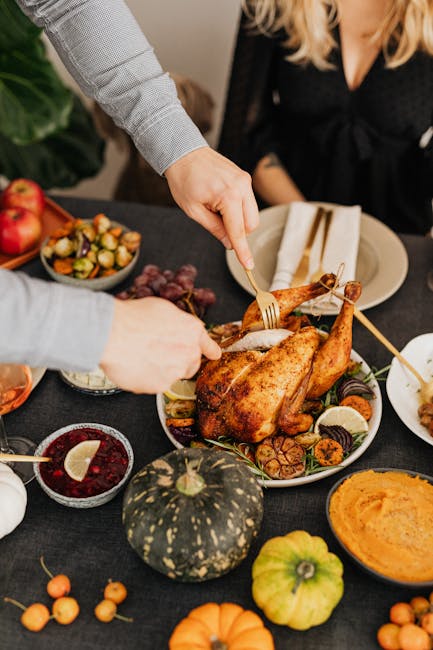
If there's one dish that embodies Bali's affordable food scene, it's Nasi Campur. Literally translating to "mixed rice," it's a glorious plate piled high with a variety of dishes, often changing daily depending on what's fresh and available. Think of it as a Balinese tasting menu, all on one plate!
I remember my first Nasi Campur experience. I was a bit overwhelmed by the sheer variety of things on offer. There was fragrant rice, of course, but also spicy curries, crispy fried tofu, tender chicken, and an array of colorful vegetables. It was a feast for the eyes and the stomach, and all for the price of a fancy coffee back home!
What to expect in your Nasi Campur:
- White Rice (Nasi Putih): The foundation of the meal.
- Lawar: A traditional Balinese dish made with green beans, coconut, and spices. It often includes minced meat (pork is common, but chicken or vegetarian versions are also available).
- Sate Lilit: Minced meat (usually chicken or fish) marinated in spices and grilled on a lemongrass stalk. It's flavorful and incredibly aromatic.
- Sayur Urab: Blanched vegetables (like spinach, long beans, or bean sprouts) mixed with grated coconut and spices. It's a refreshing and healthy addition.
- Tempe/Tofu: Often fried or cooked in a spicy sauce. A great source of protein for vegetarians.
- Ayam Betutu: A slow-cooked chicken dish, intensely flavored with Balinese spices.
- Sambal: No Balinese meal is complete without sambal! This spicy chili sauce comes in many variations, so be prepared for some heat!
Where to find the best Nasi Campur: Look for small, local warungs (small restaurants) tucked away from the main tourist streets. These are usually family-run businesses that take pride in their cooking. Don't be afraid to venture off the beaten path – that's where you'll find the real gems.
Pro Tip: Don't be shy to ask what's on offer. Point and smile, and the friendly warung owner will happily explain the dishes to you (even if your Bahasa Indonesia is limited!).
Warungs: Your Gateway to Authentic and Affordable Balinese Food

Speaking of warungs, these are the heart and soul of Bali's culinary scene. They're small, family-run restaurants that offer a wide range of local dishes at incredibly affordable prices. Think of them as the Balinese equivalent of a diner or a mom-and-pop restaurant.
I've had some of my most memorable meals in warungs. There's something special about sitting down at a simple wooden table, surrounded by locals, and enjoying a freshly cooked meal. It's a truly authentic experience.
Why warungs are great for budget travelers:
- Affordable prices: You can easily eat a delicious and filling meal for under $5 USD.
- Authentic cuisine: Warungs serve traditional Balinese dishes that you won't find in touristy restaurants.
- Friendly atmosphere: You'll often be greeted with a warm smile and genuine hospitality.
- Fresh ingredients: Many warungs use locally sourced ingredients, ensuring freshness and flavor.
Tips for choosing a good warung:
- Look for busy warungs: A busy warung is usually a sign that the food is good and the prices are reasonable.
- Check for local customers: If you see locals eating at a warung, it's a good indication that it's authentic.
- Observe the cleanliness: Make sure the warung looks clean and well-maintained.
- Don't be afraid to ask for recommendations: Locals are usually happy to recommend their favorite warungs.
My favorite warung dishes:
- Gado-Gado: An Indonesian salad with boiled vegetables, tofu, tempeh, and peanut sauce. It's a healthy and flavorful option.
- Mie Goreng: Fried noodles with vegetables, meat, or seafood. A classic Indonesian dish.
- Nasi Goreng: Fried rice with vegetables, meat, or seafood. Similar to Mie Goreng, but with rice instead of noodles.
- Soto Ayam: A chicken soup with noodles, vegetables, and spices. A comforting and flavorful dish.
- Bakso: Meatball soup with noodles and vegetables. A popular street food in Indonesia.
Embrace the Street Food Scene: A Culinary Adventure

Bali's street food scene is a vibrant and exciting experience. From sizzling satay skewers to sweet crepes, there's something for everyone to enjoy. Don't be afraid to venture out and try the local delicacies!
I remember being a bit hesitant to try street food at first, but I quickly realized that it's some of the best food you can find in Bali. The vendors are passionate about their cooking, and the flavors are incredible.
Popular Balinese street food:
- Sate: Grilled meat skewers marinated in a variety of spices. Chicken, pork, and beef are common choices.
- Martabak: A savory or sweet pancake filled with a variety of ingredients. Sweet martabak is often filled with chocolate, cheese, and peanuts.
- Bakpao: Steamed buns filled with meat, vegetables, or sweet fillings.
- Pisang Goreng: Fried bananas. A simple but delicious snack.
- Es Campur: A shaved ice dessert with fruit, jelly, and syrup. A refreshing treat on a hot day.
Tips for enjoying street food safely:
- Choose vendors with a high turnover: This ensures that the food is fresh.
- Look for vendors who cook the food in front of you: This way you can see how it's prepared.
- Make sure the food is cooked thoroughly: Avoid eating raw or undercooked meat.
- Drink bottled water: Avoid drinking tap water or ice made with tap water.
- Wash your hands before eating: This is especially important when eating street food.
My favorite street food experiences:
- Enjoying sate under the stars: The smoky aroma of grilled meat, the twinkling lights of the night market, and the lively atmosphere made for an unforgettable experience.
- Sharing martabak with friends: We gathered around a street food stall, laughing and sharing stories as we devoured a massive martabak.
- Trying a new type of pisang goreng: I discovered a vendor who made pisang goreng with a crispy batter and a sweet banana filling. It was heavenly!
Markets: A Treasure Trove of Fresh Produce and Local Delights
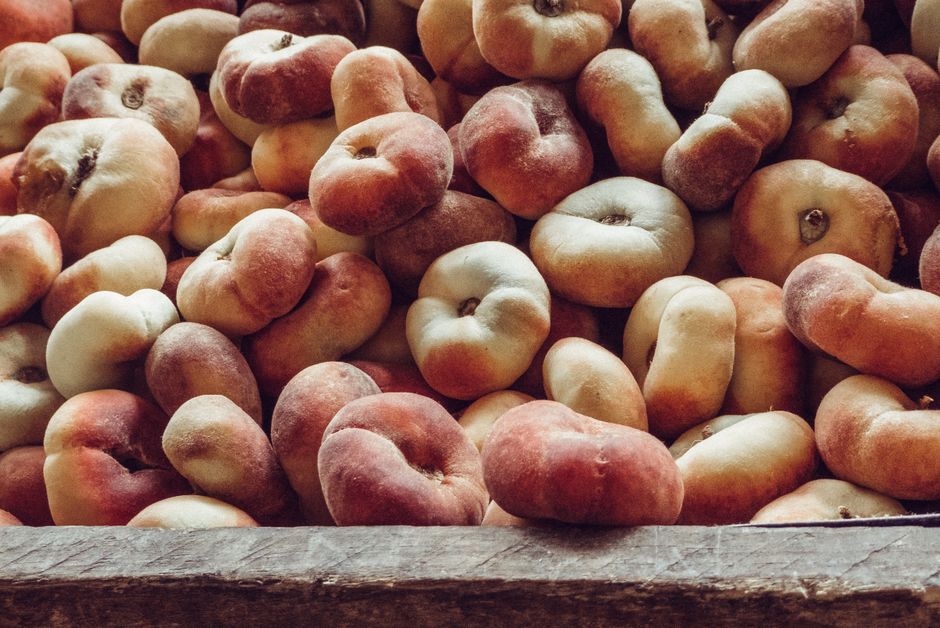
Visiting a Balinese market is a feast for the senses. The vibrant colors of the fruits and vegetables, the fragrant aromas of spices, and the lively chatter of the vendors create an unforgettable experience. It's also a great place to find affordable food and ingredients.
I love wandering through the markets, observing the locals as they haggle for the best prices and discovering new and exotic fruits and vegetables. It's a window into Balinese culture and a chance to connect with the community.
What to find at a Balinese market:
- Fresh fruits and vegetables: A wide variety of locally grown produce, including mangoes, papayas, bananas, jackfruit, and rambutan.
- Spices and herbs: Aromatic spices like turmeric, ginger, galangal, and lemongrass.
- Local snacks and sweets: Traditional Balinese snacks like jaja batun bedil (glutinous rice balls in palm sugar syrup) and bubuh injin (black rice pudding).
- Cooked food: Some markets also have stalls selling cooked food, such as Nasi Campur and Mie Goreng.
Tips for shopping at a Balinese market:
- Go early in the morning: This is when the produce is freshest and the market is less crowded.
- Bring cash: Most vendors don't accept credit cards.
- Haggle for prices: It's customary to haggle at Balinese markets. Start by offering half the asking price and work your way up.
- Be respectful: Treat the vendors with respect and be polite when haggling.
- Try new things: Don't be afraid to sample the local snacks and sweets.
My favorite market experiences:
- Buying exotic fruits I'd never seen before: I discovered fruits like salak (snake fruit) and mangosteen, which were both delicious and unique.
- Learning about local spices from a friendly vendor: He explained the different uses of each spice and gave me tips on how to cook with them.
- Enjoying a traditional Balinese breakfast at a market stall: I sat down at a simple wooden table and enjoyed a plate of Nasi Campur, surrounded by the sights and sounds of the market.
Cooking Your Own Meals: Save Money and Explore Balinese Flavors
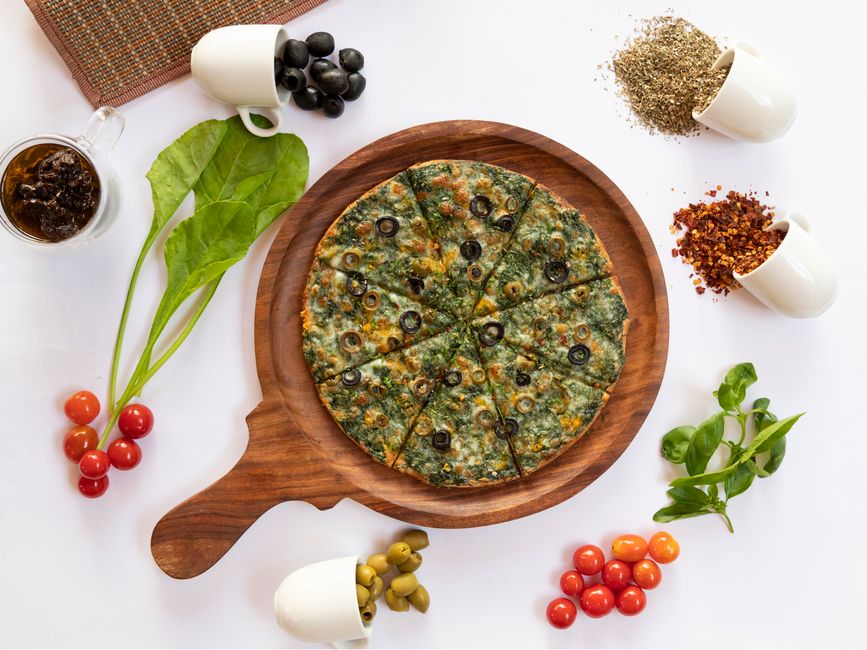
If you have access to a kitchen, cooking your own meals is a great way to save money and explore Balinese flavors. You can buy fresh ingredients at the market and experiment with traditional recipes. It's also a fun way to immerse yourself in the local culture.
I've always enjoyed cooking, and Bali is the perfect place to experiment with new flavors and ingredients. I've learned so much about Balinese cuisine by trying to recreate my favorite dishes at home.
Easy Balinese dishes to cook at home:
- Gado-Gado: This Indonesian salad is relatively easy to make. You can use a variety of vegetables, tofu, and tempeh. The key is the peanut sauce, which you can make from scratch or buy pre-made.
- Nasi Goreng: Fried rice is a simple and versatile dish. You can use leftover rice and add vegetables, meat, or seafood. Experiment with different spices and sauces to create your own unique version.
- Sayur Urab: This blanched vegetable salad is a healthy and refreshing side dish. You can use a variety of vegetables, such as spinach, long beans, and bean sprouts. The grated coconut adds a creamy texture and flavor.
- Sambal: Making your own sambal is a great way to add some heat to your meals. You can use a variety of chilies, garlic, and shallots. Experiment with different ingredients to create your own signature sambal.
Tips for cooking Balinese food at home:
- Use fresh ingredients: The key to authentic Balinese flavor is using fresh ingredients. Buy your produce at the local market.
- Don't be afraid to experiment: Balinese cuisine is all about experimenting with flavors and ingredients. Don't be afraid to try new things.
- Use a mortar and pestle: A mortar and pestle is essential for grinding spices and making pastes.
- Start with simple recipes: Don't try to tackle complicated dishes right away. Start with simple recipes and work your way up.
- Have fun: Cooking should be enjoyable. Relax and have fun experimenting with Balinese flavors.
My favorite cooking experiences in Bali:
- Taking a Balinese cooking class: I learned how to make traditional dishes from a local chef. It was a fun and informative experience.
- Shopping for ingredients at the market with a local friend: She helped me choose the best produce and taught me how to haggle for prices.
- Hosting a Balinese dinner party for my friends: I cooked a variety of dishes and shared my love of Balinese cuisine with them.
Beyond the Food: Saving Money on Drinks and Snacks

Eating well on a budget in Bali isn't just about the main meals. It's also about being smart about drinks and snacks. Touristy spots often inflate prices for beverages, so knowing where to go can make a big difference to your wallet.
Affordable drink options:
- Water: Always carry a reusable water bottle and refill it whenever possible. Many hotels and guesthouses offer free water refills.
- Fresh Juices: Warungs and local cafes offer a variety of fresh juices at incredibly affordable prices. Try the local favorites like mango juice, papaya juice, or watermelon juice.
- Teh Botol: Bottled sweet tea. It's cheap, refreshing, and readily available at most warungs and convenience stores.
- Kopi Bali: Balinese coffee. You can find it at warungs and local cafes for a fraction of the price of a fancy cappuccino.
Smart snacking choices:
- Fruits from the market: Buy fruits like bananas, mangoes, and papayas from the local market for a healthy and affordable snack.
- Jaja: Traditional Balinese cakes. They are often made with rice flour, coconut, and palm sugar. Look for them at local markets or warungs.
- Kacang: Roasted peanuts. A popular snack in Bali. You can find them at most convenience stores and markets.
- Kerupuk: Crackers, often made from shrimp or fish. They are a common accompaniment to meals and can also be enjoyed as a snack.
Location, Location, Location: Choosing the Right Area for Budget Eats

The area you choose to stay in Bali can significantly impact your food budget. Touristy areas like Seminyak and Canggu tend to have higher prices than less developed areas like Ubud's outskirts or the northern coast.
Tips for finding affordable food based on location:
- Venture away from the main tourist streets: The further you are from the tourist centers, the lower the prices will be.
- Explore local neighborhoods: These areas are often filled with hidden gems offering authentic Balinese food at affordable prices.
- Look for warungs frequented by locals: These are usually a good indication of where to find cheap and delicious food.
- Consider staying in less touristy areas: Areas like Ubud's outskirts, Amed, or Lovina offer a more relaxed atmosphere and lower prices.
Final Thoughts: Embrace the Culinary Adventure!

Eating well on a budget in Bali is not only possible, but it's also an incredibly rewarding experience. By embracing the local warungs, exploring the street food scene, and venturing off the beaten path, you can discover a world of delicious and affordable Balinese cuisine. Don't be afraid to try new things, talk to the locals, and immerse yourself in the culinary culture. Bali is waiting to tantalize your taste buds without emptying your wallet!
I hope this guide has inspired you to embark on your own Balinese culinary adventure. Remember, the best food experiences are often the ones you least expect. So, go out there, explore, and enjoy the incredible flavors of Bali!
Post a Comment