Exploring Balinese Architecture: Temples, Homes, and Royal Palaces

Exploring Balinese Architecture: Temples, Homes, and Royal Palaces
Hey there! Ever dreamed of stepping into a postcard? Imagine yourself surrounded by intricate carvings, lush gardens, and structures that seem to whisper tales of ancient gods and royalty. That's Bali for you! More than just beautiful beaches and delicious food (though those are definitely perks!), Bali boasts a unique architectural style that's deeply intertwined with its culture, religion, and history. I've been lucky enough to explore Bali multiple times, and each visit leaves me in awe of the artistry and the spiritual significance embedded in every building. So, grab a cup of coffee (or maybe a Bintang!), and let's dive into the fascinating world of Balinese architecture.
Understanding the Philosophy Behind Balinese Design

Before we start admiring the stunning structures, it's crucial to understand the philosophy that drives Balinese architecture. It's not just about aesthetics; it's a holistic approach rooted in a harmonious relationship between humans, nature, and the spiritual world. This philosophy is reflected in the concept of Tri Hita Karana, which translates to "the three causes of well-being or prosperity."
Tri Hita Karana is the cornerstone of Balinese life, and it dictates how they interact with their environment and design their buildings. These three harmonies are:
- Parahyangan (Harmony with God): This involves the spiritual connection and is reflected in the placement and design of temples and sacred spaces. Buildings are oriented towards Mount Agung, the holiest mountain in Bali, to honor the gods.
- Pawongan (Harmony with Humans): This focuses on social relationships and community. The layout of villages and family compounds encourages interaction and cooperation. Spaces are designed to accommodate communal activities and ceremonies.
- Palemahan (Harmony with Nature): This emphasizes respect for the environment and the use of natural materials. Balinese architecture seamlessly blends with the surrounding landscape, using local resources like bamboo, wood, stone, and thatch.
Understanding Tri Hita Karana gives you a deeper appreciation for the thoughtful planning and spiritual significance of Balinese buildings. It's not just about looking pretty; it's about living in harmony with everything around you.
Temples (Pura): Gateways to the Divine
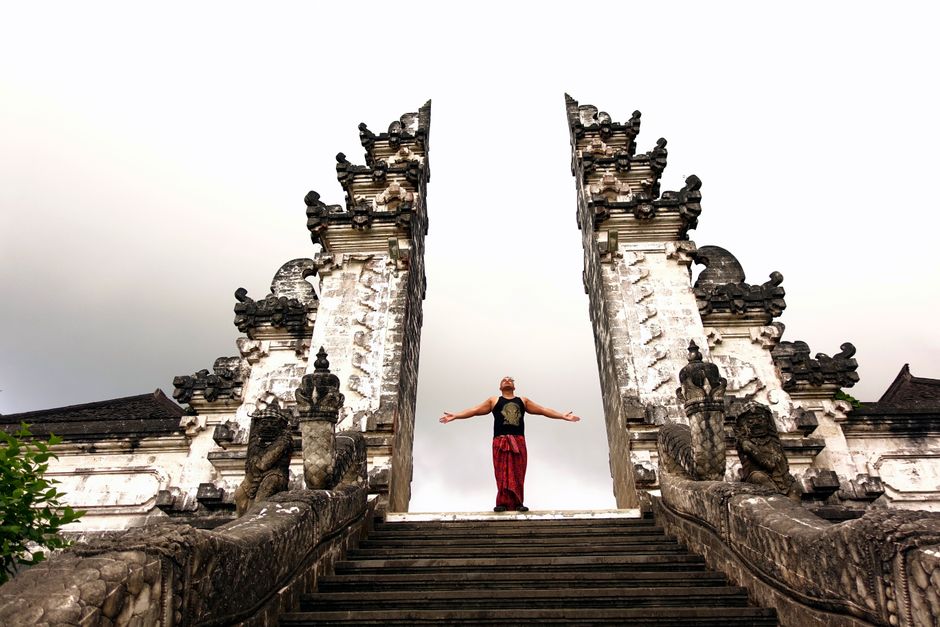
Balinese temples, or Pura, are the heart and soul of the island. They are not just places of worship; they are vibrant centers of community life, hosting ceremonies, festivals, and daily rituals. Visiting a temple is like stepping into another world, filled with the scent of incense, the sound of chanting, and the vibrant colors of offerings.
Each temple has its unique characteristics, but they generally follow a common layout based on the Mandala concept, which represents the cosmos. The temple is divided into three courtyards, each with increasing levels of sanctity:
- Nista Mandala (Outer Courtyard): This is the entry point, often used for preparing offerings and housing the bale kulkul (drum tower). It's the most accessible area for visitors.
- Madya Mandala (Middle Courtyard): This area serves as a transition zone. You might find pavilions for gamelan orchestras or other ceremonial activities here.
- Utama Mandala (Inner Courtyard): This is the holiest part of the temple, housing the main shrines dedicated to various deities. Only worshippers are typically allowed in this area.
The shrines themselves, known as Meru, are multi-tiered structures resembling pagodas. The number of tiers symbolizes the deity's status, with eleven tiers being the highest. These tiers are made of wood and thatched with black sugar palm fibers, giving them a distinctive appearance.
Another key element of Balinese temples is the Kori Agung, or split gate. This intricately carved gate marks the entrance to the inner courtyard and symbolizes the division between the material world and the spiritual realm. It's a powerful visual representation of the transition into a sacred space.
My Personal Temple Experiences: I've had the opportunity to visit numerous temples in Bali, each offering a unique and memorable experience. Tanah Lot, perched dramatically on a rock formation in the ocean, is breathtaking, especially at sunset. Uluwatu Temple, clinging to a cliffside overlooking the Indian Ocean, is another must-see, known for its Kecak fire dance performances at dusk. But my favorite temple experience was a small, local temple in a village near Ubud. I was invited to participate in a ceremony with the villagers, and it was an incredibly moving experience to witness their devotion and feel a part of their community.
Balinese Homes: Sanctuaries of Family and Tradition
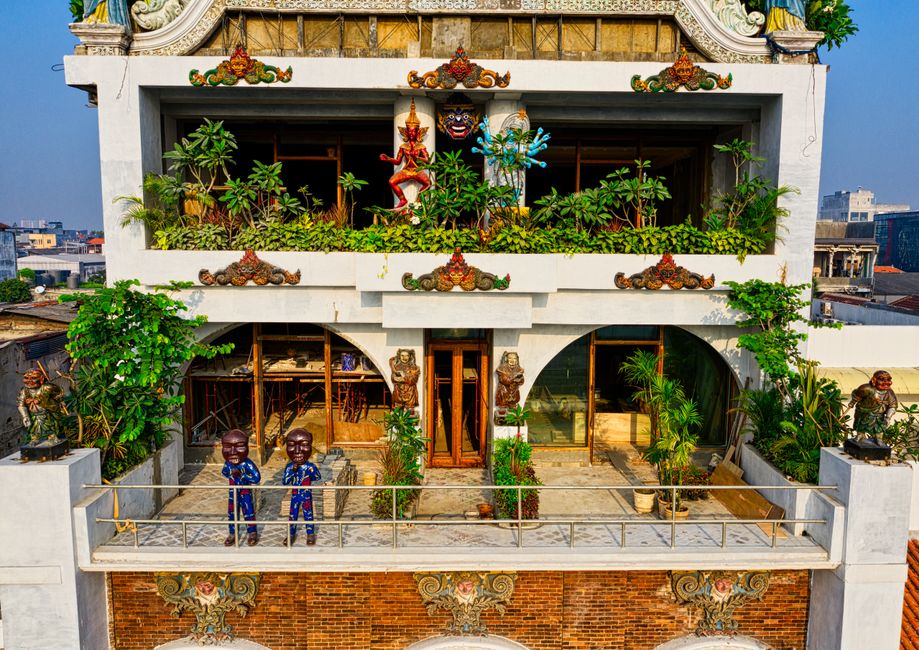
Balinese homes, or Karang Awak, are more than just places to live; they are family compounds that reflect the Balinese way of life. These compounds are designed according to the same principles of Tri Hita Karana as temples, with a focus on harmony, balance, and spiritual connection. Typically, an extended family lives together within the compound, fostering a strong sense of community and tradition.
The layout of a Balinese home is carefully planned, with different structures serving specific functions. The placement of these structures is based on the Asta Kosala Kosali, a traditional Balinese architectural guideline that considers the cardinal directions and the influence of the gods.
Here are some of the key elements you'll find in a typical Balinese home:
- Angkul-Angkul (Main Gate): This is the entrance to the compound, usually a covered gate that provides privacy and security.
- Aling-Aling (Spiritual Barrier): Located just inside the main gate, the Aling-Aling is a small wall designed to deflect evil spirits. Balinese believe that evil spirits travel in straight lines, so the Aling-Aling prevents them from entering the compound directly.
- Sanggah/Pamerajan (Family Temple): This is the most sacred area of the compound, where the family honors their ancestors and performs daily prayers. It's typically located in the northeast corner, the holiest direction.
- Bale Daja/Meten (Master Bedroom): This is the sleeping area for the head of the family and is traditionally located in the north.
- Bale Dangin (Living Pavilion): This open-air pavilion is used for social gatherings, family meals, and relaxation. It's usually located in the east.
- Bale Dauh (Working Pavilion): This is where daily tasks are performed, such as weaving, carving, or cooking. It's typically located in the west.
- Paon (Kitchen): The kitchen is located in the south, considered the least sacred direction. It's often a separate structure to minimize the risk of fire.
- Kandang (Animal Pen): Animals are an important part of Balinese life, and a small pen is usually included in the compound for chickens, ducks, or other livestock.
The materials used in Balinese homes are primarily natural and locally sourced. Bamboo, wood, stone, and thatch are commonly used to create structures that are both beautiful and sustainable. The buildings are often adorned with intricate carvings and vibrant colors, reflecting the family's artistic skill and cultural heritage.
My Experience Visiting a Balinese Home: On one of my trips, I had the privilege of being invited into a local family's compound. I was struck by the sense of peace and tranquility that permeated the space. The family was incredibly welcoming, and they shared stories about their traditions and beliefs. It was fascinating to see how they integrated their spiritual practices into their daily lives. I even learned how to make a simple offering, which I then placed in their family temple. It was an unforgettable experience that gave me a deeper appreciation for the Balinese culture and way of life.
Royal Palaces (Puri): Residences of Kings and Nobility

Balinese royal palaces, or Puri, are magnificent complexes that served as the residences of kings and other members of the nobility. These palaces are not just grand houses; they are symbols of power, prestige, and cultural heritage. They reflect the intricate social hierarchy and artistic traditions of the Balinese kingdoms.
The architecture of a Puri is similar to that of a Balinese home, but on a much grander scale. The layout is based on the same principles of Tri Hita Karana and Asta Kosala Kosali, but with more elaborate structures and more ornate decorations. The compounds are larger, more complex, and often feature multiple courtyards and pavilions.
Here are some of the key features you'll find in a Balinese palace:
- Kori Agung (Grand Split Gate): The entrance to the palace is marked by a Kori Agung, an intricately carved split gate that signifies the transition into a sacred and royal space. These gates are often larger and more elaborate than those found in temples or homes.
- Bale Kembang (Flower Pavilion): This pavilion is used for ceremonial events and performances. It's often decorated with elaborate carvings and vibrant colors.
- Bale Gili (Floating Pavilion): This pavilion is built on a raised platform surrounded by water, creating the illusion of a floating structure. It was traditionally used for relaxation and contemplation.
- Bale Pawedan (Meditation Pavilion): This pavilion is used for meditation and spiritual practices. It's a quiet and secluded space, often located in the inner courtyard.
- Gedong (Royal Residence): The Gedong is the main residence of the king or other members of the royal family. It's a large and elaborate structure, often adorned with intricate carvings and luxurious furnishings.
The materials used in Balinese palaces are of the highest quality, reflecting the wealth and power of the royal family. Precious woods, such as teak and sandalwood, are used for construction, and the buildings are often decorated with gold leaf, precious stones, and intricate carvings.
Exploring Ubud Royal Palace (Puri Saren Agung): One of the most well-known and accessible royal palaces in Bali is the Ubud Royal Palace, also known as Puri Saren Agung. Located in the heart of Ubud, this palace is a beautiful example of traditional Balinese architecture. You can explore the palace grounds, admire the intricate carvings, and witness traditional dance performances in the evenings. It's a great way to get a glimpse into the life and culture of the Balinese royalty.
Key Elements of Balinese Architectural Style

Let's break down some of the most distinctive elements that define Balinese architecture. Knowing these will help you appreciate the details and recognize the style wherever you go in Bali.
- Use of Natural Materials: As mentioned before, Balinese architecture heavily relies on natural materials like bamboo, wood, stone, and thatch. This not only makes the structures environmentally friendly but also allows them to blend seamlessly with the surrounding landscape.
- Intricate Carvings: Carvings are an integral part of Balinese architecture. They depict scenes from Hindu mythology, local folklore, and nature. These carvings are not just decorative; they are also believed to have spiritual significance, protecting the building and its inhabitants.
- Thatched Roofs: Thatched roofs are a signature feature of Balinese buildings. They are typically made from alang-alang grass or black sugar palm fibers. These roofs provide excellent insulation and ventilation, keeping the buildings cool and comfortable in the tropical climate.
- Open-Air Design: Balinese architecture often incorporates open-air spaces, allowing for natural light and ventilation. This design is well-suited to the tropical climate and encourages a connection with nature.
- Symmetry and Balance: Symmetry and balance are important principles in Balinese architecture. The layout of buildings and compounds is carefully planned to create a sense of harmony and order.
- Orientation Towards Mount Agung: As the holiest mountain in Bali, Mount Agung plays a significant role in Balinese architecture. Buildings are often oriented towards the mountain to honor the gods and maintain a spiritual connection.
The Influence of Balinese Architecture on Modern Design
Balinese architecture has had a significant influence on modern design, both in Bali and around the world. Its emphasis on natural materials, open-air spaces, and connection with nature has resonated with architects and designers seeking to create sustainable and harmonious living environments.
You can see the influence of Balinese architecture in:
- Resorts and Hotels: Many luxury resorts and hotels in Bali and other tropical destinations incorporate elements of Balinese architecture, such as thatched roofs, open-air pavilions, and intricate carvings. These design elements create a sense of tranquility and exoticism, appealing to tourists seeking a unique and immersive experience.
- Residential Architecture: Some homeowners are incorporating Balinese design elements into their homes, such as using natural materials, creating outdoor living spaces, and adding decorative carvings. This can create a sense of serenity and connection with nature in a modern home.
- Landscape Design: Balinese landscape design is also gaining popularity, with its emphasis on lush gardens, water features, and natural stone pathways. These elements can create a tranquil and inviting outdoor space.
The principles of Tri Hita Karana, which underpin Balinese architecture, are also increasingly relevant in modern design. As people become more aware of the importance of sustainability and well-being, they are seeking designs that promote harmony between humans, nature, and the spiritual world.
Tips for Exploring Balinese Architecture Responsibly
As you explore the beautiful architecture of Bali, it's important to do so responsibly and respectfully. Here are a few tips to keep in mind:
- Dress respectfully when visiting temples: Cover your shoulders and knees. You can rent a sarong and sash at most temples.
- Ask for permission before taking photos: Be mindful of people's privacy, especially during ceremonies.
- Be respectful of religious customs: Avoid pointing your feet at shrines or people, and don't step over offerings on the ground.
- Support local artisans and businesses: Buy souvenirs and handicrafts directly from local vendors to help support the local economy.
- Be mindful of the environment: Avoid littering and use reusable water bottles.
By following these tips, you can ensure that your visit to Bali is both enjoyable and respectful of the local culture and environment.
Final Thoughts

Exploring Balinese architecture is like embarking on a journey through time, culture, and spirituality. From the towering temples to the serene family compounds and the majestic palaces, each structure tells a story about the Balinese way of life. I hope this article has given you a deeper appreciation for the artistry and spiritual significance of Balinese architecture.
So, next time you're in Bali, take some time to wander beyond the beaches and explore the temples, homes, and palaces. You'll discover a world of beauty, tradition, and harmony that will stay with you long after you leave the island of the gods.
Selamat Jalan! (Safe travels!)
Post a Comment