Learning Balinese Cooking: From Market to Plate, A Culinary Adventure
Learning Balinese Cooking: From Market to Plate, A Culinary Adventure
Have you ever tasted something so incredibly delicious that it transported you to another place entirely? For me, that feeling comes with Balinese cuisine. It's more than just food; it's a vibrant tapestry woven with tradition, culture, and the freshest ingredients imaginable. My journey into the heart of Balinese cooking was an unforgettable adventure, taking me from bustling local markets to steaming kitchens, where I learned secrets passed down through generations. I want to share that experience with you, hoping to inspire you to embark on your own Balinese culinary quest!
My First Taste of Bali and its Culinary Allure

My first trip to Bali was a sensory explosion. The intoxicating aroma of incense mingling with spices hung in the air, the vibrant colors of sarongs and offerings decorated every corner, and the sounds of gamelan music filled my ears. But it was the food that truly captivated me. I remember sitting at a small warung (local eatery) overlooking a rice paddy, savoring my first bite of Nasi Goreng. The smoky, savory rice, the hint of sweetness, and the perfectly fried egg on top – it was pure magic. From that moment on, I was determined to learn the secrets behind this amazing cuisine.
I didn't want just to eat the food; I wanted to understand it. I wanted to know where the ingredients came from, how they were prepared, and what each flavor represented. I knew I couldn't just rely on restaurants; I needed a deeper, more authentic experience. That's when I decided to dive headfirst into learning Balinese cooking, from the very source: the local markets.
Navigating the Bustling Balinese Market: A Sensory Overload (in a Good Way!)

Stepping into a Balinese market for the first time is like entering another world. It's a chaotic yet beautiful symphony of sights, sounds, and smells. Imagine hundreds of vendors selling everything from fresh produce and spices to fish, meat, and ceremonial offerings. The energy is palpable, the bartering is lively, and the sheer variety of ingredients is astounding.
My first few market visits were overwhelming, to say the least. I felt like a fish out of water, unsure of what anything was or how to ask for it. But with a little patience (and a lot of smiles), I started to find my way. I learned some basic Balinese phrases, which helped immensely. More importantly, I started building relationships with the vendors. They were incredibly kind and generous, always willing to share their knowledge and offer me a taste of their wares.
Here are some of the things I learned while navigating the Balinese market:
- Go Early: The market is usually at its busiest and freshest in the early morning, often before sunrise. This is when you'll find the widest selection of ingredients.
- Embrace the Chaos: Don't expect things to be neatly organized. Just wander around, observe, and ask questions. The vendors are usually happy to help.
- Learn Basic Balinese Phrases: Knowing a few key phrases like "Berapa harga?" (How much?) and "Terima kasih" (Thank you) will go a long way.
- Bargain Respectfully: Bargaining is expected in Balinese markets, but always do it with a smile and respect. Don't try to haggle too aggressively.
- Don't Be Afraid to Try New Things: Sample different fruits, spices, and snacks. You might discover your new favorite ingredient!
Unveiling the Essential Ingredients of Balinese Cuisine

Balinese cooking is all about fresh, locally sourced ingredients. The island's fertile volcanic soil and tropical climate provide an abundance of fruits, vegetables, and spices. Understanding these key ingredients is crucial to mastering Balinese cuisine.
Here are some of the essential ingredients you'll find in most Balinese dishes:
- Galangal (Lengkuas): A rhizome similar to ginger but with a more citrusy and piney flavor. It's used in curries, soups, and marinades.
- Ginger (Jahe): A familiar spice that adds warmth and complexity to many dishes.
- Turmeric (Kunyit): Known for its vibrant yellow color and earthy flavor, turmeric is a staple in Balinese curries and medicinal remedies.
- Kencur (Aromatic Ginger): Another type of rhizome with a unique camphor-like aroma and a slightly peppery flavor. It's often used in traditional herbal drinks and savory dishes.
- Lemongrass (Sereh): A fragrant stalk with a citrusy aroma and flavor. It's used to infuse soups, curries, and drinks.
- Kaffir Lime Leaves (Daun Jeruk): These leaves have a distinctive citrusy aroma that adds depth and complexity to many dishes.
- Chili Peppers (Cabai): Balinese cuisine is known for its spicy kick, and chili peppers are used liberally.
- Shrimp Paste (Terasi): A fermented shrimp paste that adds a salty, umami flavor to many dishes. It's a key ingredient in sambal (chili sauce).
- Coconut Milk (Santan): Used extensively in curries, sauces, and desserts, coconut milk adds richness and creaminess to Balinese dishes.
- Palm Sugar (Gula Aren): A natural sweetener made from the sap of palm trees. It has a caramel-like flavor and is used in both savory and sweet dishes.
- Shallots (Bawang Merah): A type of onion with a milder flavor than regular onions. They are used extensively in Balinese cooking.
- Garlic (Bawang Putih): A ubiquitous ingredient that adds pungent flavor to almost every Balinese dish.
Beyond these staples, Balinese cuisine also features a variety of fresh vegetables, such as water spinach (kangkung), long beans, eggplant, and papaya flowers. Meat, poultry, and seafood are also commonly used, depending on the dish and occasion.
Learning the Art of Base Gede: The Mother Sauce of Bali
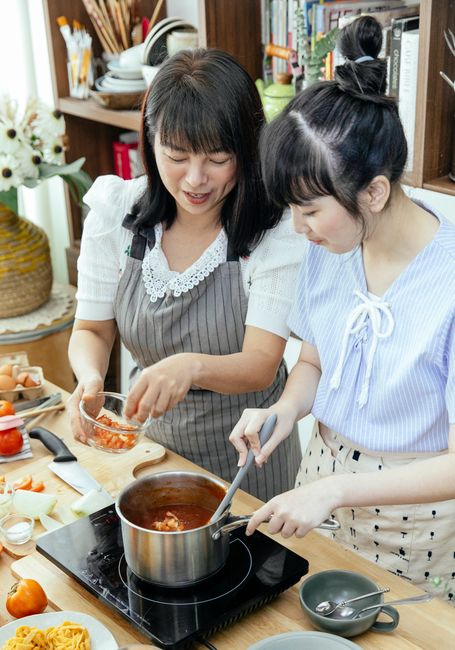
In Balinese cooking, everything starts with Base Gede (pronounced "bah-say guh-day"), the foundation of most dishes. It's a complex spice paste that's similar to a curry paste, but with its own unique flavor profile. Think of it as the "mother sauce" of Balinese cuisine. Mastering Base Gede is essential for anyone who wants to learn to cook authentic Balinese food.
The exact ingredients and proportions for Base Gede can vary depending on the region and the cook, but the basic components are usually the same:
- Shallots (Bawang Merah)
- Garlic (Bawang Putih)
- Ginger (Jahe)
- Galangal (Lengkuas)
- Turmeric (Kunyit)
- Kencur (Aromatic Ginger)
- Chili Peppers (Cabai)
- Shrimp Paste (Terasi)
- Candlenuts (Kemiri): These nuts add a creamy texture and nutty flavor to the paste. They need to be cooked before using as they are mildly poisonous raw.
- Black Peppercorns (Merica)
- Coriander Seeds (Ketumbar)
Making Base Gede is a labor of love. It involves pounding or grinding all the ingredients together into a smooth paste. Traditionally, this is done using a stone mortar and pestle (cobek and ulekan), which requires some serious elbow grease! However, you can also use a food processor or blender, although the flavor won't be quite the same. The key is to grind the ingredients until they release their aromatic oils and form a fragrant paste.
Once you've made your Base Gede, you can use it as a base for countless Balinese dishes, such as curries, stews, and stir-fries. You can also store it in the refrigerator for several days or freeze it for later use.
My Hands-On Cooking Classes: From Novice to (Slightly More) Confident Cook

While reading about Balinese cuisine and wandering through markets was helpful, nothing beat actually getting my hands dirty in a cooking class. I took several classes from different teachers, each with their own unique style and approach. Some classes were held in traditional Balinese homes, while others were in open-air kitchens overlooking rice paddies. All of them were incredibly informative and inspiring.
These classes usually started with a trip to the local market to gather the ingredients we would be using. This was a fantastic opportunity to learn more about the different ingredients and how to select the best ones. Then, we would return to the kitchen and begin preparing the dishes.
I learned how to make everything from classic dishes like Nasi Goreng and Gado-Gado to more complex dishes like Babi Guling (suckling pig) and Lawar (a mixture of vegetables, minced meat, and spices). I also learned how to make different types of sambal, the fiery chili sauces that accompany almost every Balinese meal.
One of the most valuable things I learned in these classes was the importance of balance in Balinese cooking. It's not just about throwing a bunch of ingredients together; it's about creating a harmonious blend of flavors – sweet, sour, salty, bitter, and spicy. It's about understanding how each ingredient complements the others and how to adjust the seasoning to achieve the perfect balance.
Beyond the Recipes: The Cultural Significance of Balinese Food

Balinese food is more than just sustenance; it's an integral part of Balinese culture and religion. Food plays a central role in many Balinese ceremonies and festivals. Offerings of food are made to the gods and ancestors to show gratitude and maintain harmony. Preparing and sharing food is also a way to connect with family and community.
For example, during Galungan and Kuningan, two of the most important Balinese holidays, families prepare special dishes like Lawar and Sate Lilit (minced meat satay) to offer to the gods and ancestors. These dishes are also shared with family and friends, strengthening social bonds.
Even everyday meals have a cultural significance. Balinese people often eat together as a family, sitting on the floor around a low table. Food is usually served on a communal platter, and everyone shares from the same dishes. This practice emphasizes togetherness and sharing.
Understanding the cultural significance of Balinese food adds another layer of appreciation to the experience. It's not just about the flavors and techniques; it's about the traditions, beliefs, and values that are woven into every dish.
Bringing Bali Home: Adapting Balinese Recipes for the Western Kitchen
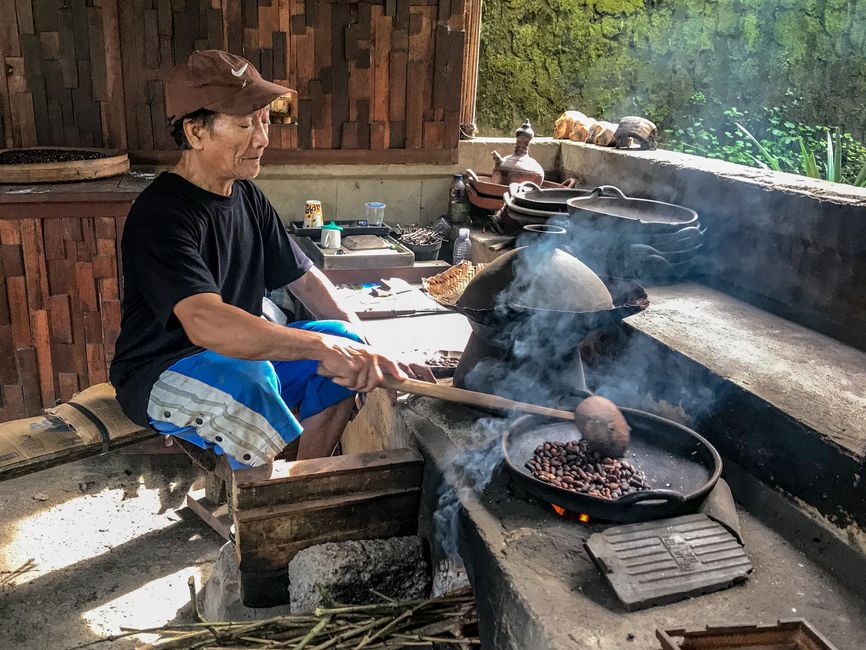
One of the biggest challenges I faced after returning home from Bali was adapting Balinese recipes to my Western kitchen. Many of the ingredients I had grown accustomed to were not readily available at my local grocery store. And even when I could find them, they often didn't taste quite the same.
Over time, I learned to make substitutions and adjustments without compromising the essential flavors of Balinese cuisine. For example, if I couldn't find fresh galangal, I would use dried galangal powder or even substitute it with ginger. If I couldn't find candlenuts, I would use macadamia nuts or almonds. And if I couldn't find Balinese chili peppers, I would use other types of chili peppers that were available.
Here are some tips for adapting Balinese recipes for the Western kitchen:
- Don't Be Afraid to Substitute: If you can't find a specific ingredient, don't give up. Look for a suitable substitute.
- Adjust the Spice Level: Balinese cuisine is known for its spicy kick, but you can adjust the spice level to your liking. Start with a small amount of chili pepper and add more as needed.
- Use Fresh Ingredients Whenever Possible: Fresh ingredients are always best, but don't hesitate to use frozen or dried ingredients if fresh ones are not available.
- Experiment with Different Techniques: Balinese cooking often involves techniques that may be unfamiliar to Western cooks. Don't be afraid to experiment with different techniques until you find what works best for you.
- Don't Be Afraid to Ask for Help: There are many online resources and cookbooks that can help you learn more about Balinese cuisine. You can also reach out to Balinese cooks or chefs for advice.
My Favorite Balinese Recipes to Get You Started

To help you embark on your own Balinese culinary adventure, I want to share a few of my favorite recipes. These recipes are relatively easy to make and use ingredients that are readily available (or easily substituted) in most Western kitchens.
1. Nasi Goreng (Balinese Fried Rice)
Nasi Goreng is arguably the most famous Indonesian dish. It's a savory fried rice dish that can be customized with a variety of meats, vegetables, and spices.
Ingredients:
- 2 cups cooked rice (preferably day-old)
- 2 tablespoons vegetable oil
- 1 shallot, finely chopped
- 2 cloves garlic, minced
- 1 red chili pepper, finely chopped (optional)
- 1 egg
- 1/2 cup cooked chicken, shrimp, or tofu, diced
- 1/4 cup mixed vegetables (carrots, peas, green beans), diced
- 2 tablespoons kecap manis (sweet soy sauce)
- 1 tablespoon soy sauce
- Salt and pepper to taste
- Optional toppings: fried egg, sliced cucumber, tomato, kerupuk (shrimp crackers)
Instructions:
- Heat the vegetable oil in a wok or large skillet over medium-high heat.
- Add the shallot, garlic, and chili pepper (if using) and cook until fragrant, about 1 minute.
- Push the shallots and garlic to one side of the wok and crack the egg into the empty space. Scramble the egg until cooked through.
- Add the cooked chicken, shrimp, or tofu and mixed vegetables to the wok. Cook until heated through.
- Add the cooked rice to the wok and break it up with a spatula.
- Pour in the kecap manis and soy sauce and stir to combine.
- Season with salt and pepper to taste.
- Cook, stirring constantly, until the rice is heated through and evenly coated with the sauce.
- Serve hot, topped with a fried egg, sliced cucumber, tomato, and kerupuk (if desired).
2. Gado-Gado (Balinese Salad with Peanut Sauce)
Gado-Gado is a popular Indonesian salad that features a variety of blanched vegetables, tofu, tempeh, and hard-boiled eggs, all drizzled with a creamy peanut sauce.
Ingredients:
- 1 cup long beans, blanched
- 1 cup spinach, blanched
- 1 cup bean sprouts, blanched
- 1 cup cabbage, shredded
- 1 cucumber, sliced
- 1 block firm tofu, fried and cubed
- 1 block tempeh, fried and cubed
- 2 hard-boiled eggs, quartered
- Kerupuk (shrimp crackers) for serving
For the Peanut Sauce:
- 1 cup roasted peanuts
- 2 cloves garlic
- 1 red chili pepper (or more, to taste)
- 1 tablespoon palm sugar
- 1 teaspoon shrimp paste (terasi)
- 1 tablespoon tamarind paste
- 1/2 cup water
- Salt to taste
Instructions:
- To make the peanut sauce, combine all the ingredients in a food processor or blender and blend until smooth. Add more water if needed to achieve the desired consistency.
- Arrange the blanched vegetables, tofu, tempeh, and hard-boiled eggs on a platter.
- Drizzle generously with the peanut sauce.
- Serve immediately with kerupuk (shrimp crackers).
3. Sate Lilit (Balinese Minced Meat Satay)
Sate Lilit is a unique type of satay made with minced meat that is wrapped around lemongrass stalks and grilled.
Ingredients:
- 1 pound ground chicken, pork, or fish
- 2 stalks lemongrass, finely minced
- 1/4 cup grated coconut
- 2 tablespoons Base Gede (see recipe above)
- 1 tablespoon kecap manis (sweet soy sauce)
- Salt and pepper to taste
- Lemongrass stalks, cut into 6-inch lengths (for skewers)
Instructions:
- In a bowl, combine the ground meat, minced lemongrass, grated coconut, Base Gede, kecap manis, salt, and pepper. Mix well until all ingredients are evenly distributed.
- Take a small amount of the meat mixture and mold it around the end of a lemongrass stalk, forming a sausage shape.
- Repeat with the remaining meat mixture and lemongrass stalks.
- Grill the satay over medium heat, turning occasionally, until cooked through and lightly browned, about 10-15 minutes.
- Serve hot with rice and sambal.
Final Thoughts: A Culinary Journey That Never Ends

Learning Balinese cooking was more than just acquiring a new skill; it was a journey of discovery. It opened my eyes to a rich culture, a vibrant community, and a whole new world of flavors. It taught me the importance of fresh ingredients, the art of balance, and the cultural significance of food. And it inspired me to continue exploring the culinary traditions of Bali and other parts of the world.
I hope that by sharing my experiences, I've inspired you to embark on your own culinary adventure. Whether you take a cooking class, visit a local market, or simply try a new recipe, I encourage you to embrace the process and enjoy the journey. After all, cooking is not just about following instructions; it's about creativity, experimentation, and sharing the love of food with others. Selamat makan! (Enjoy your meal!)
Post a Comment