Nasi Campur: Unveiling Bali's Customizable Rice Dish, A Culinary Adventure
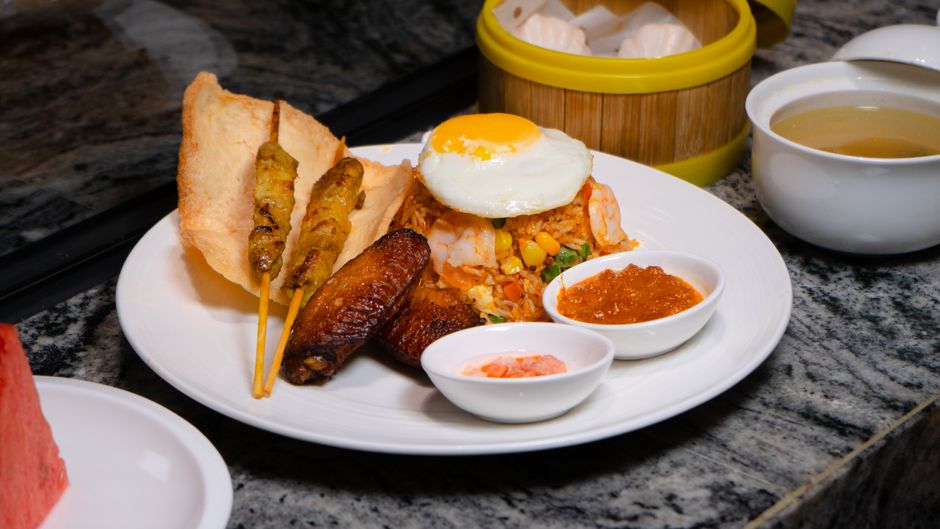
Nasi Campur: Unveiling Bali's Customizable Rice Dish, A Culinary Adventure
Hey there, fellow food lover! Ever stumbled upon a dish so vibrant and versatile that it instantly steals your heart (and your taste buds)? Well, that's exactly what happened to me when I first encountered Nasi Campur in Bali. It's more than just a meal; it's a culinary adventure, a personalized plate of Balinese happiness, and I'm so excited to share everything I've learned about it with you!
Nasi Campur, meaning "mixed rice" in Indonesian, is essentially a rice dish served with an array of side dishes. Think of it as Bali's answer to a customizable buffet, but served all on one plate. You get to choose your own adventure, selecting the components that tantalize your senses. And trust me, with the variety of options available, every Nasi Campur experience is unique.
So, grab a seat (or maybe your chopsticks!), and let's dive deep into the world of Nasi Campur. I'll walk you through everything from the basics to the regional variations, and even give you some tips on how to order it like a pro. Prepare to be hungry!
What Exactly IS Nasi Campur? Breaking Down the Basics

At its core, Nasi Campur is simply rice (nasi) served with a mix (campur) of other dishes. While the rice is the constant, the "mix" is where the magic happens. This mix can include a fascinating array of meats, vegetables, tofu, tempeh, eggs, and sambals (more on those later!).
The beauty of Nasi Campur lies in its adaptability. What you find on your plate depends heavily on where you are in Bali, the chef's creativity, and your own personal preferences. A Nasi Campur in Ubud might be completely different from one in Seminyak or Amed. That's part of the fun! It encourages exploration and discovery of new flavors.
Here's a general breakdown of the common components you might find:
- Nasi (Rice): This is the foundation, usually white rice, but sometimes you might find yellow rice (Nasi Kuning) which is cooked with coconut milk and turmeric, giving it a fragrant and slightly sweet flavor.
- Lawar: A mix of minced meat, vegetables, and grated coconut, seasoned with a blend of Balinese spices. It's a classic and often considered an essential part of Nasi Campur. There are vegetarian versions too, using jackfruit as a meat substitute.
- Sate Lilit: Minced meat (often fish or chicken) mixed with coconut milk and spices, wrapped around a lemongrass stalk, and grilled. The lemongrass infuses a wonderful aroma into the meat.
- Ayam Betutu: Slow-cooked, spice-infused chicken. This is a flavor powerhouse! The chicken is incredibly tender and packed with aromatic spices like turmeric, ginger, galangal, and chilies.
- Sayur Urap: Steamed vegetables (like spinach, beansprouts, and long beans) tossed with grated coconut and spices. A refreshing and healthy addition.
- Telur (Egg): Usually boiled, fried, or made into a Balinese omelet (Dadare Jagung).
- Tahu and Tempe: Tofu and tempeh are often included, either fried or cooked in a spicy sauce. They provide a valuable source of protein.
- Sambal: No Nasi Campur is complete without sambal! This is a chili-based sauce that adds a fiery kick. There are countless variations of sambal, from the mild to the insanely hot.
A Taste of Tradition: The History and Cultural Significance

Nasi Campur isn't just a convenient meal; it's deeply rooted in Balinese culture. Its origins lie in the concept of sharing and community. Traditionally, families and communities would gather to prepare a variety of dishes, and Nasi Campur was a way to offer guests a taste of everything.
The dish reflects Bali's rich agricultural heritage, showcasing the abundance of fresh produce and spices available on the island. The use of local ingredients and traditional cooking methods highlights the importance of preserving Balinese culinary traditions.
Furthermore, Nasi Campur often plays a role in religious ceremonies and festivals. Certain variations are prepared specifically for offerings and celebrations, further emphasizing its cultural significance.
What I find fascinating is how Nasi Campur has adapted to modern times while still retaining its core essence. It's evolved from a home-cooked meal to a ubiquitous street food staple, enjoyed by locals and tourists alike. It's a testament to the dish's enduring appeal and its ability to connect people to Balinese culture.
Exploring Regional Variations: A Nasi Campur Journey Across Bali

One of the most exciting aspects of Nasi Campur is its regional diversity. Each region of Bali has its own unique take on the dish, incorporating local ingredients and traditional cooking styles. Here are a few examples:
- Nasi Campur Warung Wardani (Denpasar): This is a famous Nasi Campur spot in Denpasar. They are well-known for offering a wide selection of dishes on display for you to choose from and their signature dishes include Ayam Betutu and Sate Lilit.
- Nasi Ayam Kedewatan Ibu Mangku (Ubud): While technically "Nasi Ayam" (chicken rice), this Ubud institution offers a similar concept to Nasi Campur, focusing on various chicken-based dishes served with rice and flavorful condiments. It's renowned for its spicy and aromatic flavors.
- Nasi Campur Men Weti (Sanur): This beachfront warung is famous for its Nasi Campur with fresh seafood, including grilled fish, prawns, and squid. It's a delicious way to experience the flavors of the sea.
- Nasi Campur around Amed: In the coastal town of Amed, you'll often find Nasi Campur featuring locally caught fish, prepared in various ways, from grilled to spiced and fried.
These are just a few examples, and the best way to discover the regional variations is to explore different areas of Bali and try the local Nasi Campur. Don't be afraid to venture off the beaten path and ask locals for their recommendations. You might just stumble upon a hidden gem!
Building Your Perfect Plate: A Guide to Ordering Nasi Campur

Okay, so you're ready to order your own Nasi Campur. Here's a simple guide to help you navigate the process:
- Choose Your Base: Decide whether you want white rice (Nasi Putih) or yellow rice (Nasi Kuning).
- Eye It Up: At most warungs (small restaurants), the dishes are displayed behind a glass counter. Take a good look and choose what appeals to you.
- Point and Pick: Simply point at the dishes you want to include on your plate. You can use the Indonesian word "ini" (this) while pointing.
- Specify Quantity: If you want more or less of a particular dish, you can say "sedikit" (a little) or "banyak" (a lot).
- Don't Forget the Sambal: Ask for sambal, but be careful! Sambal can range from mild to incredibly spicy. If you're not sure, ask for "sambal tidak pedas" (not spicy sambal).
- Drinks: Order a refreshing drink to accompany your meal. Popular options include fresh juices, iced tea (es teh), and coconut water (air kelapa).
Here are some phrases that might come in handy:
- "Nasi Campur satu" - "One Nasi Campur"
- "Pakai ini" - "With this" (when pointing at a dish)
- "Tidak pedas" - "Not spicy"
- "Terima kasih" - "Thank you"
Don't be afraid to ask questions! Most warung owners are happy to explain the dishes and help you create the perfect Nasi Campur for your taste. Remember, the goal is to have fun and enjoy the experience.
The Essential Sambal: A Fiery Condiment for Every Occasion
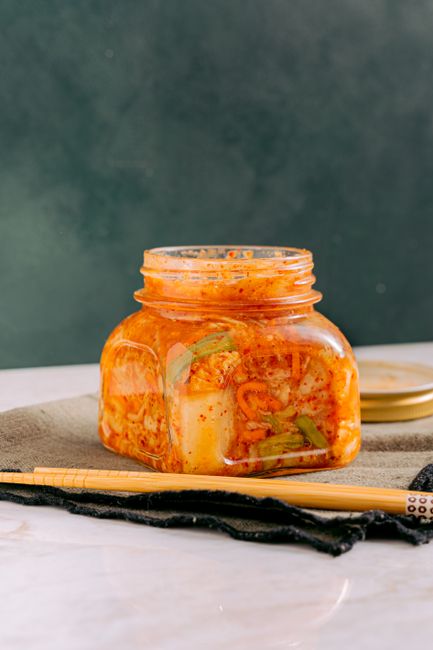
I mentioned sambal earlier, but it deserves its own section! Sambal is more than just a condiment; it's an integral part of Indonesian cuisine, adding a fiery kick and depth of flavor to every dish. And Nasi Campur is no exception.
There are countless variations of sambal, each with its own unique blend of chilies, spices, and other ingredients. Here are a few of the most common types you might encounter in Bali:
- Sambal Matah: This is a raw sambal made with shallots, lemongrass, chilies, lime leaves, and shrimp paste (terasi). It's fresh, fragrant, and adds a vibrant kick to any dish.
- Sambal Ulek: A basic sambal made with ground chilies, salt, and sometimes vinegar or lime juice. It's a versatile sambal that can be used as a base for other variations.
- Sambal Bajak: A cooked sambal with a rich and smoky flavor, made with chilies, garlic, shallots, tomatoes, and shrimp paste.
- Sambal Terasi: A sambal made with fermented shrimp paste (terasi), which gives it a pungent and umami flavor.
- Sambal Embe: A fried sambal with crispy fried shallots and garlic. Adds a fantastic crunchy texture.
When trying sambal, start with a small amount and taste carefully. Some sambals are incredibly spicy! If you're sensitive to heat, ask for a milder option or "sambal tidak pedas." But don't be afraid to experiment and discover your favorite. Sambal can truly elevate your Nasi Campur experience.
Beyond the Plate: The Nutritional Value of Nasi Campur

While Nasi Campur is undeniably delicious, it's also surprisingly nutritious. The variety of ingredients provides a good balance of carbohydrates, protein, vitamins, and minerals.
The rice provides carbohydrates for energy, while the meats, tofu, and tempeh offer protein for muscle building and repair. The vegetables are packed with vitamins and minerals, and the spices add antioxidants and other beneficial compounds.
However, it's important to be mindful of the portion sizes and the cooking methods used. Some dishes may be high in oil or sodium. Choosing lean meats, steamed vegetables, and avoiding excessive amounts of fried food can help to make your Nasi Campur a healthier option.
Overall, Nasi Campur can be a nutritious and satisfying meal when enjoyed in moderation and with a focus on fresh, whole ingredients.
Making Nasi Campur at Home: A DIY Culinary Project

Feeling inspired to create your own Nasi Campur? It's easier than you might think! While recreating the authentic flavors of Bali can be challenging, you can certainly create a delicious and personalized version at home.
Here's a basic recipe and some tips to get you started:
- Prepare the Rice: Cook white or yellow rice according to package instructions.
- Choose Your Proteins: Grill chicken or fish, fry tofu or tempeh, or hard-boil some eggs.
- Cook Some Vegetables: Steam or stir-fry your favorite vegetables, such as spinach, beansprouts, and cabbage.
- Make a Simple Lawar: Combine shredded coconut, cooked vegetables, and minced meat (optional) with a blend of Balinese spices (turmeric, ginger, garlic, chilies).
- Whip Up a Sambal: Blend chilies, garlic, shallots, and lime juice for a simple sambal. You can find many sambal recipes online.
- Assemble Your Plate: Arrange the rice, proteins, vegetables, lawar, and sambal on a plate. Garnish with fresh herbs like cilantro or parsley.
Don't be afraid to experiment with different flavors and ingredients. Use what you have on hand and adapt the recipe to your own taste. The key is to have fun and enjoy the process of creating your own Nasi Campur masterpiece!
Finding the Best Nasi Campur: Tips and Recommendations

So, you're in Bali and on the hunt for the best Nasi Campur. Here are some tips to help you find those hidden gems:
- Ask the Locals: The best recommendations often come from locals. Ask your hotel staff, taxi driver, or anyone you meet for their favorite Nasi Campur spots.
- Look for Busy Warungs: A busy warung is usually a good sign of quality and freshness. Locals tend to flock to the best spots.
- Check Online Reviews: While online reviews can be helpful, take them with a grain of salt. Some reviews may be biased or outdated.
- Be Adventurous: Don't be afraid to try new places and venture off the beaten path. Some of the best Nasi Campur experiences are found in unexpected locations.
- Trust Your Instincts: If a warung looks clean and inviting, and the food looks fresh, give it a try!
Remember, the "best" Nasi Campur is subjective and depends on your personal preferences. What one person loves, another might not. The key is to explore, experiment, and find the Nasi Campur that satisfies your own taste buds.
Nasi Campur: More Than Just a Meal, It's an Experience
In conclusion, Nasi Campur is much more than just a mixed rice dish; it's a culinary adventure, a cultural experience, and a personalized plate of Balinese happiness. It's a dish that reflects the island's rich agricultural heritage, its vibrant flavors, and its warm hospitality.
Whether you're enjoying it at a roadside warung, a beachfront restaurant, or your own kitchen, Nasi Campur is a dish that will leave a lasting impression. It's a taste of Bali that you can take with you, wherever you go.
So, next time you're in Bali, be sure to seek out Nasi Campur. Embrace the diversity, experiment with the flavors, and create your own perfect plate. You might just discover your new favorite dish!
And if you're not in Bali, don't despair! You can still experience the magic of Nasi Campur by making it at home. It's a fun and rewarding way to connect with Balinese culture and enjoy a delicious and nutritious meal.
Happy eating, my friend! And remember, every Nasi Campur is a new adventure.
Post a Comment