Nyepi, Galungan, Kuningan, and More: A Deep Dive into Balinese Hindu Festivals

Nyepi, Galungan, Kuningan, and More: A Deep Dive into Balinese Hindu Festivals
Hey there, fellow wanderers and culture enthusiasts! Have you ever been swept away by a place that just vibrates with spirituality and ancient traditions? For me, that place is Bali. The Island of Gods isn't just about breathtaking beaches and lush rice paddies; it's a living, breathing tapestry woven with vibrant Hindu beliefs and practices. And nowhere is this more evident than in the island's captivating festivals. Today, I want to share my experiences and insights into some of the most significant Balinese Hindu festivals: Nyepi, Galungan, Kuningan, and a few other gems you might not have heard of. Buckle up, because we're about to embark on a fascinating journey!
Nyepi: The Day of Silence and Introspection

Let's start with Nyepi, arguably the most unique and globally recognized Balinese holiday. Nyepi, the Balinese New Year, isn't celebrated with fireworks and parties like in many other parts of the world. Instead, it's a day of complete silence, self-reflection, and introspection. Seriously, complete silence. Imagine an entire island shutting down. No traffic, no lights, no work, no entertainment – nothing.
My first Nyepi was truly unforgettable. I was staying in a small guesthouse in Ubud, and the atmosphere leading up to the day was palpable. The Balinese were busy with preparations, conducting purification ceremonies, and creating incredibly elaborate ogoh-ogoh, monstrous effigies that represent evil spirits. These ogoh-ogoh are paraded through the streets the evening before Nyepi, in a boisterous and energetic event called Pengrupukan. It's quite a spectacle! Think vibrant colors, loud music, and a sense of collective exorcism.
But then, silence descends. At 6 AM on Nyepi day, everything stops. The only sounds you might hear are the rustling of leaves or the chirping of birds. Everyone is expected to stay indoors, and the whole island goes dark. The four main restrictions, known as Catur Brata Penyepian, are:
- Amati Geni: No fire or lights (and, by extension, no cooking).
- Amati Karya: No working.
- Amati Lelungan: No traveling.
- Amati Lelanguan: No entertainment.
Honestly, I was a little apprehensive at first. How would I cope with a whole day of enforced stillness? But you know what? It was incredibly liberating. I spent the day reading, meditating, and simply enjoying the peace and quiet. It was a chance to disconnect from the outside world and reconnect with myself.
The Balinese believe that by making the island appear uninhabited, they can fool any lingering evil spirits into thinking that there's nothing of interest left to disturb. It's a beautiful concept, and the overall effect is truly profound. If you ever get the chance to experience Nyepi in Bali, grab it with both hands. It's a chance for a unique and deeply meaningful experience.
Pro Tip: Book your accommodation well in advance, as many hotels offer Nyepi packages that include meals and activities to keep you occupied indoors. Also, be respectful of the local customs and avoid making any noise or leaving your accommodation during the day.
Galungan and Kuningan: Celebrating the Victory of Good Over Evil

Now, let's move on to Galungan and Kuningan, two of the most important and joyous festivals in the Balinese Hindu calendar. These festivals celebrate the victory of Dharma (good) over Adharma (evil) and honor the ancestral spirits who are believed to visit the Earth during this time.
Galungan marks the beginning of a 10-day festival, while Kuningan marks the end. The timing of Galungan and Kuningan is based on the Balinese Pawukon calendar, which is a 210-day cycle, so the dates change each year in the Gregorian calendar. Think of it as Bali's version of Christmas, but celebrated twice a year!
The visual marker of Galungan is the penjor. These are tall, decorated bamboo poles that line the streets and stand in front of homes. They are adorned with offerings of fruit, rice, and flowers, and they symbolize Mount Agung, Bali's sacred volcano and the abode of the gods. The penjor are incredibly beautiful and add a festive atmosphere to the entire island. Seeing them swaying gently in the breeze is a sight I'll never forget.
During Galungan, the Balinese believe that their ancestral spirits return to visit the Earth. Families prepare special offerings and gather at their family temples to pray and honor their ancestors. The atmosphere is one of joy, gratitude, and togetherness. I had the opportunity to visit a Balinese family during Galungan, and it was an incredibly heartwarming experience. They welcomed me with open arms, shared their food, and explained the significance of the various rituals. It was a real privilege to witness their traditions firsthand.
Key activities during Galungan and Kuningan include:
- Making offerings: Elaborate offerings of food, flowers, and incense are prepared and presented to the gods and ancestors.
- Visiting temples: Families visit their family temples and other important temples to pray and make offerings.
- Family gatherings: Galungan and Kuningan are times for families to come together and celebrate their heritage.
- Traditional dances and music: Many villages host traditional dances and musical performances during the festival period.
Kuningan, which falls ten days after Galungan, marks the day when the ancestral spirits return to the spirit world. Special offerings are made, and yellow rice is a common offering, hence the name "Kuningan," which is derived from the Balinese word for yellow, "kuning". It is believed that the gods and ancestors only visit until noon on Kuningan, so prayers and offerings are typically completed before then.
Experiencing Galungan and Kuningan is a feast for the senses. The vibrant colors, the fragrant incense, the rhythmic music, and the genuine warmth of the Balinese people create an atmosphere that is truly magical. It's a time to connect with the spirit of Bali and to appreciate the rich cultural heritage of this incredible island.
Saraswati: Honoring the Goddess of Knowledge
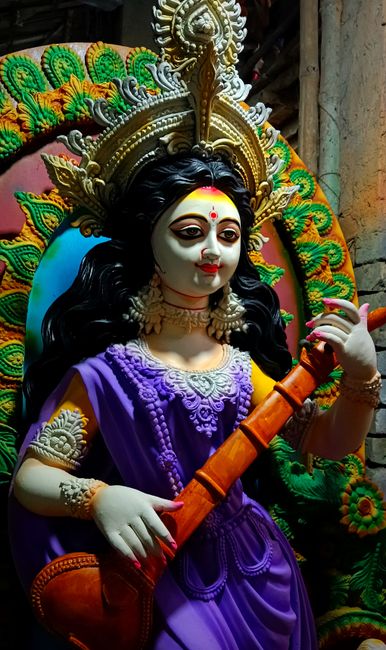
Let's shift gears and talk about Saraswati, a day dedicated to honoring the Hindu Goddess of knowledge, music, arts, wisdom, and learning. In Bali, Saraswati is a particularly important festival, as education and the pursuit of knowledge are highly valued.
On Saraswati, books, manuscripts, and other sources of knowledge are blessed. Students, teachers, and scholars gather at schools and temples to pray and offer thanks to the Goddess. It's a beautiful sight to see stacks of books adorned with flowers and incense, symbolizing the importance of learning in Balinese society.
What I found particularly fascinating was the reverence shown to books. They are treated with the utmost respect, never placed on the floor or stepped over. This reflects the deep understanding that knowledge is sacred and should be treated with care. I remember visiting a local school on Saraswati, and the students were so proud to show me their books and explain what they were learning. It was inspiring to see their enthusiasm and dedication to education.
The day after Saraswati is known as Banyu Pinaruh, which means "the day of knowledge cleansing." On this day, people bathe in the sea, rivers, or springs to cleanse themselves and purify their minds, preparing themselves to receive and retain knowledge. It's a symbolic act of washing away any obstacles to learning and embracing the wisdom of the Goddess Saraswati.
Pagerwesi: Strengthening the Self

Pagerwesi is another fascinating Balinese Hindu festival that focuses on spiritual strengthening and protection. It falls every 210 days, according to the Pawukon calendar, on a Wednesday Kliwon of the Dungulan week. The name "Pagerwesi" literally translates to "iron fence" or "iron shield," symbolizing the strengthening of one's spiritual self against negative influences.
On Pagerwesi, the Balinese focus on protecting themselves spiritually. Offerings and prayers are made to Sang Hyang Widhi Wasa (the Supreme God) and other deities to ask for strength and guidance. It's a time for self-reflection and for reinforcing one's commitment to Dharma. The festival emphasizes the importance of maintaining inner strength and resisting temptation.
While Pagerwesi might not be as visually spectacular as Galungan or Kuningan, it's a deeply spiritual and meaningful festival for the Balinese. It highlights the importance of self-discipline, moral integrity, and the ongoing effort to maintain balance in one's life.
Other Notable Balinese Festivals

Bali's calendar is overflowing with festivals, each with its own unique charm and significance. Here are a few other noteworthy celebrations that you might encounter during your travels:
- Tumpek Landep: This day is dedicated to honoring metal objects, especially those used for tools and weapons. The Balinese believe that these objects have a spiritual essence and need to be blessed to ensure their proper functioning. Think of it as a blessing for all your machinery!
- Tumpek Uduh (Tumpek Bubuh/Pengatag): Celebrated to honor plants and trees, Tumpek Uduh is a festival of gratitude for the bounty of nature. Offerings are made to ensure a good harvest. It's a beautiful reminder of the interconnectedness between humans and the environment.
- Tumpek Kandang: This festival is dedicated to honoring animals, particularly livestock. Animals are decorated with flowers and blessed to ensure their health and well-being. It's a testament to the Balinese respect for all living creatures.
- Tumpek Wayang: Dedicated to the traditional Balinese shadow puppets (wayang kulit), this festival honors the art form and the puppeteers who keep it alive. Wayang kulit performances are held, and offerings are made to the puppets to ensure their continued success.
- Melasti: A purification ceremony held a few days before Nyepi, Melasti involves processions to the beach or other bodies of water, where sacred objects are cleansed. It's a visually stunning event, with colorful processions and chanting.
Understanding the Balinese Calendar

To truly appreciate the Balinese festivals, it's helpful to understand the Balinese calendar system. Unlike the Gregorian calendar, which is based on the solar cycle, the Balinese use two main calendars: the Pawukon calendar and the Saka calendar.
The Pawukon calendar is a 210-day cycle, which is used to determine the dates of many important festivals, including Galungan, Kuningan, Saraswati, and Pagerwesi. The Saka calendar, on the other hand, is a lunar calendar similar to the Hindu calendar used in India. Nyepi is based on the Saka calendar.
The interplay between these two calendars creates a complex and fascinating system that governs the rhythm of Balinese life. It's no wonder the Balinese are so deeply connected to their traditions and rituals!
Tips for Experiencing Balinese Festivals Respectfully

If you're planning a trip to Bali and hope to witness some of these incredible festivals, here are a few tips to keep in mind to ensure that you experience them respectfully:
- Dress modestly: When visiting temples or participating in ceremonies, it's important to dress respectfully. Avoid wearing revealing clothing, and opt for clothing that covers your shoulders and knees. A sarong (a traditional Balinese wrap) and a sash are often required to enter temples and are usually available for rent at the entrance.
- Ask for permission before taking photos: While it's natural to want to capture the beauty of the festivals, always ask for permission before taking photos of people participating in ceremonies. Be mindful of their privacy and avoid disrupting the rituals.
- Be mindful of your surroundings: During ceremonies, be aware of your surroundings and avoid standing in the way or making excessive noise. Show respect for the rituals and the people participating in them.
- Learn a few basic Balinese phrases: Learning a few basic Balinese phrases, such as "Om Swastiastu" (a greeting) and "Matur Suksma" (thank you), can go a long way in showing respect for the local culture.
- Engage with the local community: Take the time to talk to the local people and learn about their traditions. The Balinese are generally very welcoming and happy to share their culture with visitors.
- Hire a local guide: A local guide can provide valuable insights into the meaning and significance of the festivals. They can also help you navigate the ceremonies and ensure that you're behaving respectfully.
- Be aware of restricted areas: During certain ceremonies, some areas may be restricted to the public. Pay attention to signs and follow the instructions of local officials.
More Than Just Spectacles: The Heart of Balinese Culture
Balinese Hindu festivals are far more than just colorful spectacles for tourists. They are the heart and soul of Balinese culture, reflecting the deep spiritual beliefs, values, and traditions of the Balinese people. They are a reminder of the importance of community, family, and the ongoing quest for balance and harmony in life.
Each festival, from the quiet introspection of Nyepi to the joyous celebrations of Galungan and Kuningan, offers a unique glimpse into the rich tapestry of Balinese life. By experiencing these festivals, we can gain a deeper understanding and appreciation for the culture and the people of this magical island.
So, the next time you find yourself in Bali, I encourage you to seek out these festivals. Immerse yourself in the traditions, engage with the local community, and allow yourself to be swept away by the beauty and spirituality of these incredible celebrations. You won't regret it!
My Final Thoughts: Bali is a place that stays with you long after you've left its shores. It's a place where ancient traditions are alive and well, where spirituality permeates every aspect of life, and where the warmth of the people will touch your heart. The festivals are a window into this unique and captivating culture, and I hope this article has inspired you to explore them further.
Safe travels and happy exploring!
Post a Comment