Snorkeling and Diving in Bali: Unveiling the Underwater Wonders
Snorkeling and Diving in Bali: Unveiling the Underwater Wonders
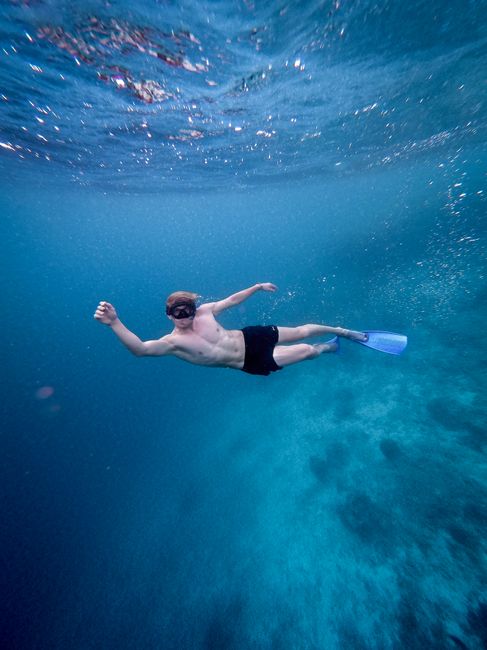
Hey friend! Let's talk about Bali, but not just the beaches and temples (though those are amazing too!). Let's dive deep – literally – into the underwater paradise that surrounds this Indonesian gem. If you're anything like me, the idea of gliding through crystal-clear waters, surrounded by vibrant coral and curious marine life, makes your heart sing. Well, Bali is the place to make that dream a reality, whether you're a seasoned diver or a snorkeling newbie.
Why Bali is a Snorkeler's and Diver's Dream

Okay, so what makes Bali so special when it comes to exploring the underwater world? I've been to a few places, and I can tell you, Bali has something truly unique. Here's why:
- Incredible Biodiversity: Bali sits within the Coral Triangle, the epicenter of marine biodiversity. This means you'll find a mind-boggling array of fish species, corals, and other marine creatures. Think rainbow-colored reef fish, majestic manta rays, playful dolphins, and even the elusive mola mola (sunfish).
- Clear Waters: While visibility can vary depending on the season and location, Bali generally boasts excellent water clarity, especially during the dry season (April to October). You'll be able to see everything!
- Diverse Dive Sites: From gentle coral gardens perfect for snorkeling to challenging drift dives for experienced divers, Bali has something for everyone. Wrecks, walls, reefs – you name it, Bali's got it.
- Accessibility: Bali is a relatively easy place to get to, with an international airport and plenty of accommodation options to suit all budgets. Plus, there are tons of reputable dive operators and snorkeling tours readily available.
- Warm Water Temperatures: Let's be honest, shivering underwater is no fun! Bali's water temperatures are consistently warm, usually between 27-30°C (80-86°F), meaning you can spend longer exploring without getting too cold.
Must-Visit Snorkeling and Diving Spots in Bali
Alright, so you're convinced Bali is worth the trip. Now, where should you go? I've compiled a list of some of my favorite spots, ranging from beginner-friendly snorkeling sites to more advanced dive locations. I'll also share a little about my personal experiences at each spot!
Amed: A Relaxed Coastal Escape
Amed, located on the east coast of Bali, is a personal favorite of mine. It's much quieter and more laid-back than the bustling south, offering a truly authentic Balinese experience. Here, you'll find beautiful black sand beaches, traditional fishing villages, and, of course, fantastic snorkeling and diving.
Snorkeling in Amed: The USS Liberty Wreck is partially visible from the surface, making it an excellent snorkeling spot. Even if you don't dive, you can still see a surprising amount of marine life swarming around the wreck. Other great snorkeling spots include Jemeluk Bay and Lipah Bay, both offering calm, clear waters and vibrant coral gardens.
Diving in Amed: The USS Liberty Wreck is the star attraction. This World War II cargo ship is now covered in coral and teeming with marine life. It's relatively shallow, making it accessible to divers of all levels. Expect to see everything from tiny nudibranchs to large groupers and even the occasional reef shark. The Japanese Wreck is another popular dive site, offering a smaller but equally interesting wreck to explore. I remember my first dive at the Liberty, being absolutely blown away by the sheer volume of fish. It felt like swimming in an aquarium!
Tulamben: Home to the Famous USS Liberty Wreck
Tulamben, just a short drive north of Amed, is primarily known for one thing: the USS Liberty Wreck. This iconic dive site is a must-do for any diver visiting Bali. But even if you're not a diver, the snorkeling here is fantastic too.
Snorkeling in Tulamben: As mentioned before, parts of the USS Liberty Wreck are visible from the surface. You can easily spend hours exploring the shallow areas of the wreck, observing the colorful fish and coral that have made it their home. The coral garden just to the right of the wreck as you face the ocean is also incredible for snorkeling.
Diving in Tulamben: The USS Liberty Wreck is truly a magical experience. The wreck is huge, taking multiple dives to fully explore. You'll find an incredible diversity of marine life here, including barracudas, turtles, reef sharks, and countless species of reef fish. Be sure to bring your camera, as the photo opportunities are endless. The drop-off near the wreck is also a great spot to see larger pelagic fish. I once saw a massive school of jackfish swirling around the wreck – it was an unforgettable sight!
Nusa Lembongan and Nusa Penida: Manta Rays and Mola Molas Await
The islands of Nusa Lembongan and Nusa Penida, located just off the southeast coast of Bali, offer some of the most exciting and rewarding diving and snorkeling experiences in the region. These islands are known for their strong currents, which attract a wide variety of marine life, including manta rays and mola molas (sunfish).
Snorkeling in Nusa Lembongan and Nusa Penida: Manta Bay is the most popular snorkeling spot, where you can swim alongside graceful manta rays. These gentle giants are truly mesmerizing to watch. Crystal Bay is another beautiful snorkeling spot, known for its crystal-clear waters and vibrant coral gardens. Be aware that the currents can be strong in this area, so it's important to go with a reputable tour operator.
Diving in Nusa Lembongan and Nusa Penida: The dive sites around Nusa Lembongan and Nusa Penida are more challenging due to the strong currents, but the rewards are well worth it. Manta Point is a must-dive site, where you can observe manta rays being cleaned by smaller fish. Crystal Bay is famous for its mola mola sightings, especially during the months of July to October. These bizarre-looking fish are a true spectacle to behold. Blue Corner is a more advanced dive site, known for its strong currents and the chance to see sharks, tuna, and other pelagic fish. My encounter with a mola mola at Crystal Bay was one of the most surreal and amazing experiences of my life. It was so big and strange-looking – I felt like I was on another planet!
Menjangan Island: A Tranquil Marine Sanctuary
Menjangan Island, located off the northwest coast of Bali, is part of the West Bali National Park. This protected area offers pristine reefs, calm waters, and excellent visibility, making it a perfect destination for both snorkeling and diving.
Snorkeling in Menjangan Island: The waters around Menjangan Island are calm and clear, making it ideal for snorkeling. You'll find vibrant coral gardens, colorful reef fish, and even the occasional sea turtle. The shallow waters around the island are perfect for beginners.
Diving in Menjangan Island: Menjangan Island boasts some of the best wall diving in Bali. The walls are covered in colorful soft corals and sponges, and teeming with marine life. You might see reef sharks, turtles, moray eels, and a variety of reef fish. The visibility is usually excellent, making for stunning underwater photography. I particularly enjoyed the calm, relaxed atmosphere of Menjangan Island. It felt like a world away from the hustle and bustle of the south.
Padang Bai: A Convenient and Versatile Option
Padang Bai, a small harbor town on the east coast of Bali, is a convenient base for exploring several dive sites in the area. It's also a good option for snorkelers, with several protected bays offering calm waters and vibrant reefs.
Snorkeling in Padang Bai: Blue Lagoon is a popular snorkeling spot, offering calm, clear waters and a diverse array of marine life. You might see reef sharks, turtles, and a variety of colorful reef fish. Bias Tugal Beach is another good option, with a beautiful coral garden just a short swim from the shore.
Diving in Padang Bai: The dive sites around Padang Bai offer a variety of experiences, from drift dives to muck diving. The "Blue Lagoon" dive site is good for beginner divers with calm waters and rich marine life. "Tepekong" and "Mimpang" offer more challenging drift dives with the chance to see larger pelagic fish, including sharks and rays. I found Padang Bai to be a great option for a quick and easy diving trip, with plenty of dive operators and accommodations available.
Tips for a Safe and Enjoyable Snorkeling/Diving Trip in Bali
Okay, before you book your flights, let me share some tips to ensure you have a safe and unforgettable experience:
- Choose a Reputable Tour Operator: This is crucial for both snorkeling and diving. Look for operators with experienced guides, well-maintained equipment, and a strong focus on safety. Read reviews online and ask for recommendations from other travelers.
- Check the Weather and Sea Conditions: The weather and sea conditions can change quickly in Bali. Before heading out, check the forecast and make sure the conditions are suitable for snorkeling or diving. Avoid going out if there are strong currents, rough seas, or poor visibility.
- Use Reef-Safe Sunscreen: Regular sunscreen can damage coral reefs. Choose a reef-safe sunscreen that is free of chemicals like oxybenzone and octinoxate. Better yet, wear a rash guard or wetsuit to protect your skin from the sun.
- Respect Marine Life: Never touch or disturb marine animals. Observe them from a distance and avoid feeding them. Remember, you're a guest in their home.
- Stay Hydrated: It's easy to get dehydrated when you're spending time in the sun and water. Drink plenty of water throughout the day.
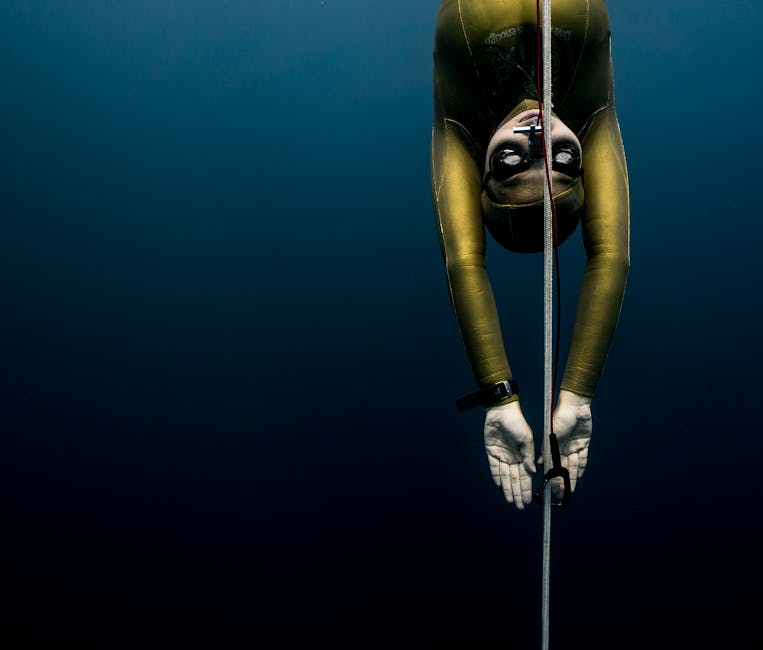
- Know Your Limits: If you're new to snorkeling or diving, start with easier sites and gradually work your way up to more challenging ones. Don't push yourself beyond your comfort level. If you're diving, always dive with a buddy and follow your dive plan.
- Consider Travel Insurance: Always purchase travel insurance that covers snorkeling and diving activities. This will protect you in case of accidents or injuries.
What to Pack for Your Underwater Adventure

Packing the right gear can make a big difference in your comfort and enjoyment. Here's what I usually bring on my snorkeling/diving trips to Bali:
- Swimsuit(s): Obvious, right? Pack a few so you always have a dry one.
- Rash Guard or Wetsuit: Protects you from the sun and keeps you warm in the water.
- Reef-Safe Sunscreen: Absolutely essential!
- Hat and Sunglasses: For sun protection on the boat and on land.
- Towel: A quick-drying microfiber towel is ideal.
- Water Shoes or Sandals: Protect your feet from sharp rocks and coral.
- Underwater Camera: Capture those amazing underwater moments! A GoPro is a popular choice.
- Snorkel Gear (if you have your own): While most tour operators provide gear, some people prefer to use their own.
- Dive Gear (if you're a certified diver): If you prefer your own gear, bring it along!
- Motion Sickness Medication: If you're prone to motion sickness, bring medication to take before boat trips.
- First-Aid Kit: Include basic supplies like bandages, antiseptic wipes, and pain relievers.
Best Time to Visit Bali for Snorkeling and Diving
The best time to visit Bali for snorkeling and diving is during the dry season, which runs from April to October. During this time, the weather is generally sunny and dry, and the water visibility is at its best. The shoulder seasons (April-May and September-October) can also be good options, with fewer crowds and slightly lower prices.
The wet season (November to March) can still be a good time to visit Bali, but be prepared for rain and potentially lower visibility. The seas can also be rougher during this time, which may affect your snorkeling and diving plans.
Beyond the Underwater World: Exploring Bali on Land
While the underwater world is undoubtedly a major draw, don't forget to explore all that Bali has to offer on land! Here are a few suggestions:
- Visit Temples: Bali is known as the "Island of Gods" for a reason. Explore iconic temples like Tanah Lot, Uluwatu, and Besakih.
- Rice Terraces: Hike through the stunning rice terraces of Tegalalang or Jatiluwih.
- Ubud: Explore the cultural heart of Bali, with its art galleries, yoga studios, and monkey forest.
- Beaches: Relax on the beautiful beaches of Seminyak, Canggu, or Nusa Dua.
- Waterfalls: Chase waterfalls like Sekumpul, Gitgit, or Tegenungan.
- Cooking Class: Learn to cook traditional Balinese cuisine.
- Yoga Retreat: Rejuvenate your mind and body at a yoga retreat.
- Enjoy the Nightlife: Experience the vibrant nightlife in Seminyak or Kuta (if that's your thing!).
Frequently Asked Questions About Snorkeling and Diving in Bali
I've compiled a list of frequently asked questions to help you prepare for your trip:
- Do I need to be certified to dive in Bali? Yes, you need to be a certified diver to participate in scuba diving activities. If you're not certified, you can take a Discover Scuba Diving course, which allows you to dive under the supervision of an instructor.
- What is the water temperature in Bali? The water temperature in Bali is typically between 27-30°C (80-86°F).
- What kind of marine life can I expect to see in Bali? You can expect to see a wide variety of marine life, including reef fish, turtles, sharks, manta rays, mola molas, nudibranchs, and a variety of coral.
- How much does it cost to snorkel or dive in Bali? The cost of snorkeling or diving in Bali varies depending on the location, tour operator, and the type of activity. A snorkeling trip can cost around $20-$50 USD, while a dive trip can cost around $50-$100 USD.
- Is it safe to drink the tap water in Bali? No, it is not safe to drink the tap water in Bali. Stick to bottled water or filtered water.
My Personal Bali Underwater Memories
I remember one particular snorkeling trip to Nusa Penida. We were out in Manta Bay, and the water was teeming with these magnificent creatures. They were so graceful and gentle, gliding effortlessly through the water. It was an incredibly humbling experience to be in their presence. I felt so small and insignificant, yet so connected to nature. It's a memory I'll cherish forever. Another time, while diving in Tulamben, I saw a tiny pygmy seahorse clinging to a sea fan. They are so small and hard to spot – it felt like finding a hidden treasure. It's moments like these that make diving so rewarding.
Final Thoughts: Dive In!

So, there you have it – my guide to snorkeling and diving in Bali! I hope I've inspired you to explore the underwater wonders of this beautiful island. Whether you're a seasoned diver or a first-time snorkeler, Bali has something to offer everyone. So, pack your bags, grab your sunscreen, and get ready for an unforgettable adventure. I promise, you won't regret it. Happy diving (or snorkeling)! And please, tell me about your experience when you come back!
Post a Comment