Snorkeling with Manta Rays in Nusa Penida: An Unforgettable Experience
Snorkeling with Manta Rays in Nusa Penida: An Unforgettable Experience
Hey there, fellow ocean lovers! I'm so excited to share one of the most incredible experiences of my life with you – snorkeling with manta rays in Nusa Penida, Indonesia. Seriously, it's something that will stay with me forever. I'm not exaggerating when I say it's pure magic. If you're even considering a trip to Bali, or if you're already planning one, please, please, please add this to your itinerary. You won't regret it. I remember feeling butterflies of anticipation in the days leading up to it, wondering if it would live up to the hype. And oh boy, did it ever! Let me take you through the whole journey, from the initial booking to the moment I came face-to-face with these gentle giants. I'll share my personal tips, what to expect, and why you absolutely NEED to experience this for yourself.
Why Nusa Penida is a Manta Ray Paradise
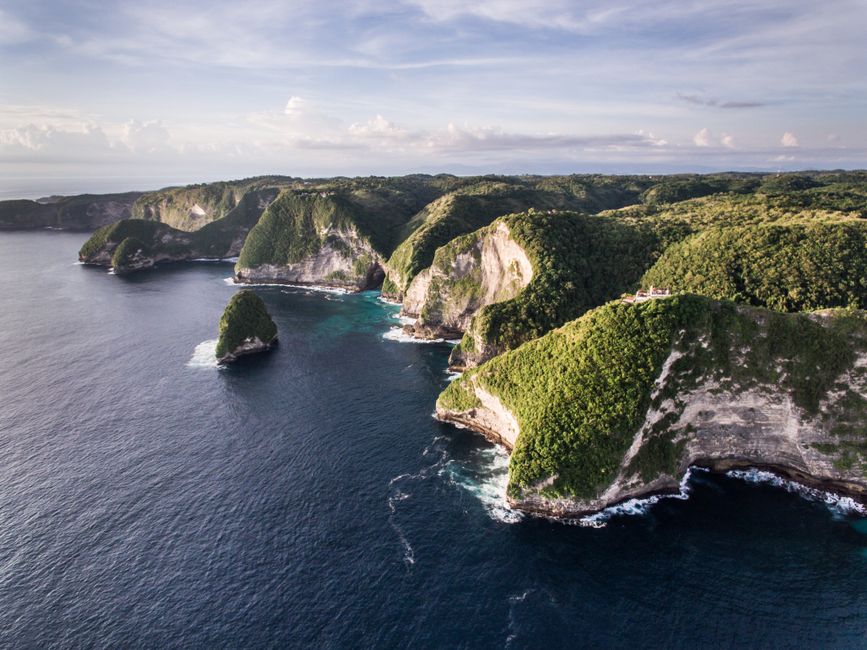
So, why Nusa Penida? Well, this island, just a short boat ride from Bali, is blessed with an abundance of plankton-rich waters, which, as you probably guessed, is a manta ray's favorite food. This attracts these magnificent creatures to specific spots, primarily Manta Bay and Crystal Bay (though you might spot them elsewhere too!). The currents around Nusa Penida are strong, bringing in the nutrients the plankton thrive on, creating a perfect feeding ground. These areas are essentially "cleaning stations" where manta rays come to get rid of parasites, allowing small fish to nibble them clean. It's a crucial part of their routine, making these spots reliable for sightings.
The underwater topography also plays a role. The bays are relatively sheltered, providing calm areas for the mantas to congregate. The rocky reefs and coral gardens nearby offer a haven for the smaller fish that contribute to the entire ecosystem. It's a delicate balance, and it's truly amazing to witness it firsthand. I remember being struck by the clarity of the water (on good days, of course!) and how vibrant the underwater world was, even before I saw a manta ray. The anticipation just kept building!
Choosing the Right Tour Operator

Okay, this is crucial. Your experience hinges on choosing a reputable and responsible tour operator. Do your research! Don't just go for the cheapest option. Look for operators that prioritize the safety of both the snorkelers and the manta rays. Here's what I considered when making my choice:
- Reviews and Reputation: Scour online reviews on TripAdvisor, Google, and other travel forums. Look for consistent positive feedback regarding safety, professionalism, and respect for the marine environment. Beware of fake reviews; try to discern genuine experiences from promotional content.
- Safety First: Make sure the operator provides proper snorkeling gear, including well-fitting masks, snorkels, and fins. They should also have life jackets available for everyone, especially for those who aren't strong swimmers. A thorough safety briefing before you get in the water is a must. They should also have experienced guides who can handle the strong currents and ensure everyone stays safe.
- Eco-Consciousness: This is a big one for me. Choose an operator that adheres to responsible tourism practices. They should emphasize the importance of not touching or chasing the manta rays. They should also avoid using sunscreen that can harm the coral reefs. Look for operators that actively support conservation efforts. Ask them about their sustainability practices.
- Small Group Sizes: Smaller groups mean a more intimate experience and less disturbance to the manta rays. It also makes it easier for the guides to keep an eye on everyone. I felt much more comfortable knowing there weren't dozens of us crowding the mantas.
- Inclusions: Check what's included in the tour price. Does it include transportation to and from your hotel? Lunch? Snorkeling gear? Underwater photos or videos? Knowing exactly what you're paying for can help you compare different options.
I ended up going with [insert tour operator name here, if you have a real recommendation, otherwise remove this sentence]. They ticked all the boxes, and I was really impressed with their professionalism and dedication to responsible tourism. Don't be afraid to ask questions before you book. A good operator will be happy to answer your queries and address any concerns you might have.
Preparing for Your Snorkeling Adventure

Okay, so you've booked your tour – awesome! Now, let's talk about preparing for the big day. A little preparation can go a long way in ensuring a smooth and enjoyable experience.
- Sun Protection: The sun in Nusa Penida is intense! Wear a rash guard or a t-shirt to protect your skin. Apply reef-safe sunscreen liberally and reapply throughout the day. Don't forget a hat and sunglasses! Trust me, you'll thank me later.
- Motion Sickness Prevention: The boat ride to Manta Bay can be a bit choppy, especially if the sea is rough. If you're prone to motion sickness, take motion sickness medication (like Dramamine or Bonine) at least an hour before the trip. Ginger candies or ginger tea can also help.
- What to Wear: A swimsuit, of course! But also consider bringing a lightweight cover-up or sarong to protect yourself from the sun. Water shoes or reef shoes are a good idea to protect your feet when walking on the boat and entering the water.
- What to Bring: Bring a waterproof camera or a GoPro to capture the amazing underwater moments. A towel, a change of clothes, and some cash for souvenirs or snacks are also essential. A reusable water bottle is a must to stay hydrated.
- Swimming Skills: You don't need to be an Olympic swimmer, but you should be comfortable in the water. If you're not a strong swimmer, let your guide know. They can provide you with a life jacket or other assistance. Practice snorkeling in a pool before your trip to get comfortable with the gear.
The Journey to Manta Bay (and the Seasickness!)
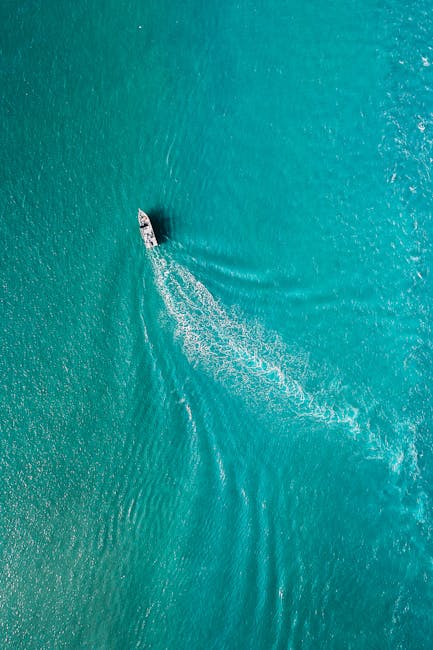
Okay, let's talk about the boat ride. Depending on where you're staying in Bali or Nusa Penida, you'll likely be picked up from your hotel and taken to a harbor where the boats depart. The boat ride to Manta Bay usually takes around 30-45 minutes, depending on the sea conditions. I was so excited, I barely noticed the journey at first. The scenery was breathtaking – the turquoise water, the dramatic cliffs of Nusa Penida, and the distant outline of Bali.
However, about halfway through the ride, the seas started to get a bit rougher. I started feeling a little queasy. Luckily, I had taken motion sickness medication beforehand, so it wasn't too bad. But some of the other passengers weren't so lucky. A few of them were looking decidedly green. If you're prone to seasickness, take my advice and be prepared! Trust me, you don't want to spend your manta ray snorkeling experience feeling nauseous.
The boat crew were fantastic, though. They were very attentive and offered ginger tea and crackers to those who were feeling unwell. They also kept us entertained with stories about the manta rays and the local marine life. They really made an effort to make everyone feel comfortable and safe.
My First Encounter with a Manta Ray
Finally, we arrived at Manta Bay. The boat slowed down, and the captain pointed to a spot in the water. "Manta rays!" he exclaimed. My heart skipped a beat. I could see dark shapes moving beneath the surface. It was really happening! I quickly put on my snorkeling gear, did a final check, and then, with a deep breath, I jumped into the water.
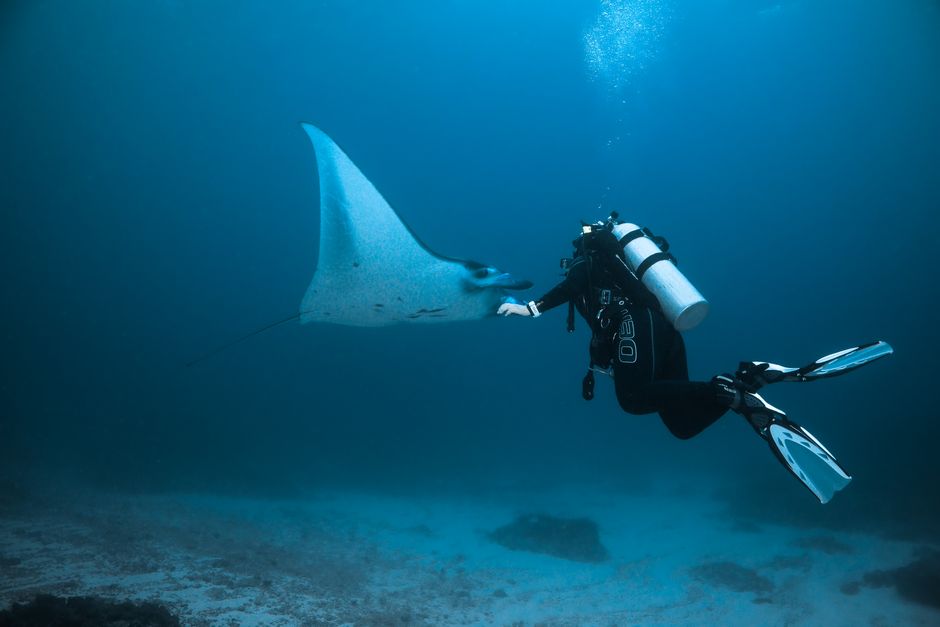
The water was a bit murky at first, but as I swam further out, the visibility improved. And then, there it was. A massive manta ray, gracefully gliding through the water. It was even bigger than I had imagined! Its wingspan must have been at least 12 feet. It was like seeing a majestic underwater airplane. It moved with such effortless grace, it was almost surreal.
I was mesmerized. I just floated there, watching it as it circled around us. It didn't seem to be bothered by our presence at all. It was completely focused on feeding, swimming slowly and deliberately through the plankton-rich water. Other manta rays soon appeared, and within minutes, I was surrounded by these gentle giants. It was an experience that is hard to put into words. I felt a sense of awe, wonder, and profound respect for these incredible creatures.
I remember thinking how incredibly peaceful they were. They weren't aggressive or intimidating in any way. They just went about their business, seemingly oblivious to the group of snorkelers gawking at them. It was an honor to be in their presence, to witness them in their natural habitat. I felt a deep connection to the ocean and all its inhabitants.
Respecting the Manta Rays and Their Environment
While the experience was incredible, it's important to remember that we are guests in their home. It's crucial to respect the manta rays and their environment. Here are a few things to keep in mind:
- Don't Touch: This is the golden rule! Never, ever touch a manta ray. Their skin is very delicate, and touching them can remove their protective mucus layer, making them vulnerable to infection. Plus, it's simply disrespectful.
- Keep Your Distance: Maintain a safe distance from the manta rays. Don't swim directly at them or try to chase them. Let them come to you. If they feel threatened, they will swim away.
- Avoid Flash Photography: The bright flash can startle or disorient the manta rays. Turn off your flash before taking photos or videos.
- Don't Use Harmful Sunscreen: Choose reef-safe sunscreen that doesn't contain chemicals that can damage coral reefs and harm marine life.
- Listen to Your Guide: Your guide is there to ensure your safety and to protect the manta rays. Follow their instructions and ask them any questions you have.
Remember, we are privileged to be able to witness these incredible creatures in their natural habitat. Let's do our part to protect them and their environment so that future generations can enjoy the same amazing experience.
Other Snorkeling Spots in Nusa Penida

While Manta Bay is the most famous spot for snorkeling with manta rays, Nusa Penida offers a variety of other fantastic snorkeling locations. Each spot has its own unique charm and marine life.
- Crystal Bay: Known for its crystal-clear waters (hence the name!), Crystal Bay is a beautiful spot with vibrant coral reefs and a diverse array of fish. It's also a good place to spot the elusive Mola Mola (ocean sunfish), although sightings are less frequent than manta rays. Be aware of strong currents here.
- Gamat Bay: A secluded bay with calm, turquoise waters and stunning coral gardens. It's a great spot for beginners, as the currents are generally milder than in other areas. You can often see turtles here!
- Wall Bay: Another excellent snorkeling spot with a steep coral wall that drops down into the deep blue. You'll find a variety of colorful fish, sea turtles, and maybe even a reef shark or two.
- Mangrove Point: Located in Nusa Lembongan (a neighboring island), Mangrove Point offers a unique snorkeling experience through a mangrove forest. The shallow waters are teeming with juvenile fish and other marine life. It's a great option for families with young children.
Each of these spots offers something special. I highly recommend exploring a few different locations to get a true taste of Nusa Penida's underwater beauty. Your tour operator can often customize your itinerary to include multiple snorkeling spots.
Beyond Snorkeling: Exploring Nusa Penida's Beauty

Nusa Penida is so much more than just manta rays and snorkeling. It's a stunning island with dramatic landscapes, hidden beaches, and a rich cultural heritage. Don't just focus on the underwater activities – take some time to explore the island itself.
- Kelingking Beach (T-Rex Beach): This iconic viewpoint is a must-see! The dramatic cliff formation resembles a T-Rex, offering breathtaking views of the turquoise water and the pristine beach below. Be prepared for a steep and challenging hike down to the beach (if you're feeling adventurous!).
- Angel's Billabong and Broken Beach: These natural rock formations are truly unique. Angel's Billabong is a natural infinity pool that fills with crystal-clear water during low tide. Broken Beach is a stunning cove with a natural archway that allows the ocean to flow in and out.
- Atuh Beach: A secluded beach with dramatic rock formations and turquoise water. It's a great place to relax, swim, and soak up the sun. You can rent sunbeds and umbrellas from local vendors.
- Peguyangan Waterfall: A sacred waterfall that cascades down a series of steps into a natural pool. Be prepared for a long and steep descent down hundreds of stairs to reach the waterfall. The views along the way are incredible!
- Explore the Local Villages: Rent a scooter and explore the local villages, meet the friendly locals, and experience the authentic Balinese culture. Be sure to visit some of the local temples and learn about the island's history and traditions.
I spent several days exploring Nusa Penida, and I was constantly amazed by its beauty and diversity. It's a truly special place that will stay with you long after you leave.
Accommodation and Getting Around
Nusa Penida offers a range of accommodation options, from budget-friendly guesthouses to luxurious resorts. You'll find most of the accommodation options in the main villages of Toyapakeh, Sampalan, and Ped. I found that booking in advance, especially during peak season, is essential to secure the best deals and availability.
Getting around Nusa Penida can be a bit challenging, as the roads are often narrow and bumpy. The most common way to get around is by renting a scooter. However, if you're not comfortable riding a scooter, you can hire a driver with a car. Be sure to negotiate the price beforehand. You can also use ride-hailing apps like Gojek or Grab, but availability can be limited in some areas.
No matter how you choose to get around, be prepared for some bumpy rides and stunning scenery. The island is relatively small, so you can easily explore most of the main attractions in a few days.
Final Thoughts: A Memory for a Lifetime

Snorkeling with manta rays in Nusa Penida was truly an unforgettable experience. It was a magical encounter with these gentle giants that left me feeling humbled and inspired. It reinforced my love for the ocean and my commitment to protecting its fragile ecosystems.
If you're looking for an adventure that will stay with you forever, I highly recommend adding this to your bucket list. Just remember to choose a responsible tour operator, respect the manta rays and their environment, and be prepared for an incredible journey. You won't be disappointed.
I hope this article has inspired you to experience the magic of Nusa Penida for yourself. If you have any questions or want to share your own experiences, please feel free to leave a comment below. Happy snorkeling!
Post a Comment