Spicy Balinese Food: A Fiery Guide for Chili Lovers!

Spicy Balinese Food: A Fiery Guide for Chili Lovers!
Hey there, fellow chili enthusiast! If you're anything like me, the mere mention of "spicy food" sends a delightful shiver down your spine. And if you're planning a trip to Bali, or even just dreaming of one, get ready for a culinary adventure that will set your taste buds ablaze! Balinese cuisine is renowned for its vibrant flavors and, of course, its liberal use of chilies. But navigating the spicy landscape can be tricky, especially if you're not familiar with the local ingredients and dishes. That's why I've put together this guide – a friendly, personal tour of the fiery world of Balinese food, packed with tips, tricks, and must-try dishes for the chili lover in you.
What Makes Balinese Food So Spicy?
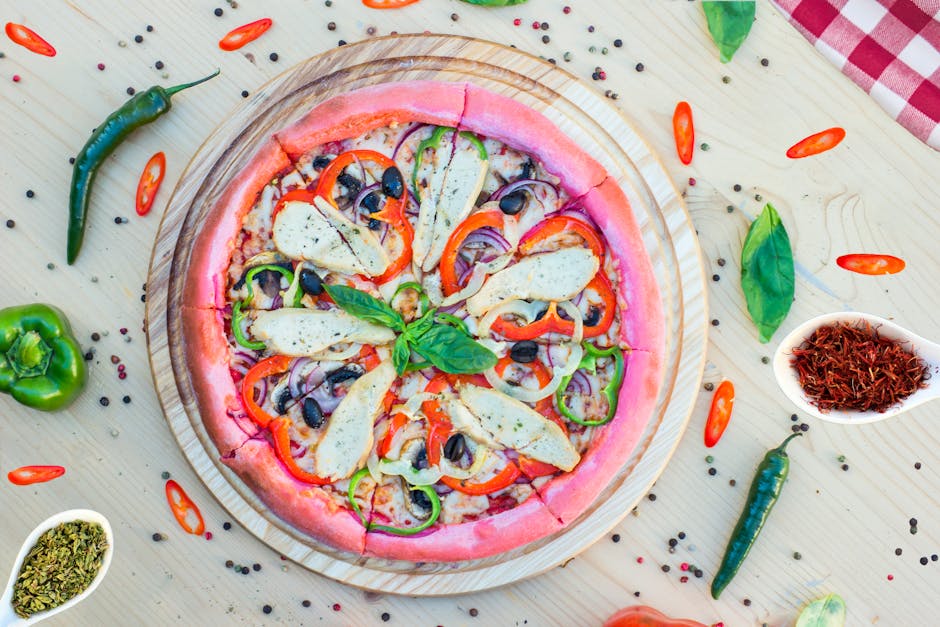
First things first, let's talk about what makes Balinese food so darn spicy. It's not just about throwing in a handful of generic red chilies. It's a complex blend of ingredients and techniques that create a unique and unforgettable heat. Here's the lowdown:
1. The Ubiquitous Chili: Of course, chilies are the star of the show. Bali uses a variety of them, each with its own distinct flavor profile and level of heat. Some common types include:
a. Cabe Rawit (Bird's Eye Chili): These small but mighty chilies pack a serious punch. They're often used whole or finely chopped, and they're responsible for that intense, immediate heat you sometimes experience. Be warned – a little goes a long way!
b. Cabe Merah Besar (Large Red Chili): These are larger and milder than cabe rawit, offering a more fruity and slightly sweet flavor alongside a gentler heat.
c. Cabe Keriting (Curly Chili): As the name suggests, these chilies are long and curly. They have a moderate heat level and are often used in sambals and other sauces.
2. Base Genep: The Aromatic Foundation: Base genep is the cornerstone of Balinese cooking. It's a complex spice paste made from a blend of fresh ingredients like:
a. Shallots and Garlic
b. Ginger, Galangal, and Turmeric
c. Kencur (Aromatic Ginger)
d. Lemongrass
e. Chili Peppers (of course!)
f. Shrimp Paste (Terasi/Belacan) – Adds umami and depth.
Base genep forms the base for countless dishes, providing not only heat but also a depth of flavor that's truly unique to Balinese cuisine. The specific ingredients and proportions can vary from family to family, adding another layer of complexity.
3. Sambal: The Chili Condiment King: Sambal is essentially a chili sauce or paste, and it's an indispensable part of the Balinese dining experience. There are countless variations, each with its own distinct flavor and level of spiciness. You'll find sambal served alongside almost every meal, allowing you to customize the heat to your liking. We'll dive into some specific types of sambal later on.
4. Cooking Techniques: The way ingredients are prepared also contributes to the overall spiciness. For example, frying chilies in oil releases their capsaicin (the compound that makes them hot), intensifying the heat. Grilling or roasting chilies can mellow them out slightly while adding a smoky flavor.
Navigating the Spicy Menu: A Beginner's Guide

Okay, so you're ready to dive in, but you're a little intimidated by the potential for overwhelming heat. Don't worry, I've been there! Here are a few tips to help you navigate the spicy Balinese menu:
1. Ask Questions! Don't be afraid to ask your server or the person preparing your food about the spiciness level of a dish. They can often adjust the amount of chili to your preference. Phrases like "tidak pedas" (not spicy) or "sedikit pedas" (a little spicy) can be helpful. You can also use hand gestures to indicate your desired level of heat. For example, holding up one finger might mean "a little spicy," while holding up five fingers could indicate "bring on the fire!"
2. Start Slow: Don't jump headfirst into the spiciest dish on the menu. Begin with something milder, like a soup or a vegetable dish, to get a feel for your tolerance. This will also give your taste buds a chance to adjust to the different flavors and spices.
3. Sambal on the Side: Many restaurants will serve sambal on the side, allowing you to control the amount of heat. Start with a small amount and add more as needed. Remember, you can always add more, but you can't take it away!
4. Pair with Rice: Rice is a staple in Balinese cuisine, and it serves as a great counterpoint to the spiciness. The starch in the rice helps to absorb the capsaicin and cool your mouth down.
5. Dairy is Your Friend: Just like in other spicy cuisines, dairy products can help to neutralize the heat. If you're struggling with a particularly spicy dish, try drinking some milk or eating some yogurt. Some restaurants may also offer lassi (a yogurt-based drink) as a cooling beverage.
6. Trust Your Gut (Literally!): Listen to your body. If a dish is too spicy for you, don't feel pressured to finish it. There's no shame in admitting defeat! You can always order something else or ask for a milder alternative.
Must-Try Spicy Balinese Dishes

Now for the fun part – let's talk about some of the must-try spicy Balinese dishes that are sure to tantalize your taste buds. Remember to adjust the spiciness level to your preference!
1. Lawar: The Festive Dish: Lawar is a traditional Balinese dish that's often served at ceremonies and festivals. It's a mixture of minced meat (usually pork or chicken), vegetables, grated coconut, and, of course, a generous dose of spices. The spiciness can vary depending on the recipe, but it's typically quite flavorful and aromatic. There's a vegetarian version made with jackfruit that is delicious as well.
2. Sate Lilit: The Minced Meat Skewer: Sate lilit is another popular Balinese dish consisting of minced meat (usually chicken, fish, or pork) mixed with spices and grated coconut, then wrapped around lemongrass stalks and grilled. The lemongrass imparts a subtle citrusy flavor, while the spices add a warm and savory kick. It's usually served with a peanut sauce that adds another layer of flavor and texture.
3. Ayam Betutu: The Slow-Cooked Chicken: Ayam betutu is perhaps one of Bali's most famous dishes. It's a whole chicken that's been stuffed with a complex mixture of spices, wrapped in banana leaves, and then slow-cooked for hours, either steamed or buried in hot coals. The result is incredibly tender and flavorful chicken that's infused with the aroma of the spices. Ayam betutu can be quite spicy, so be sure to ask about the spiciness level when ordering.
4. Ikan Bakar Jimbaran: The Grilled Seafood Sensation: If you're a seafood lover, you can't miss ikan bakar Jimbaran. This dish features fresh seafood (usually fish or prawns) that's been marinated in a spicy sauce and then grilled over charcoal. The sauce typically includes chilies, garlic, ginger, and other spices, creating a complex and flavorful marinade. The smoky flavor from the grill adds another dimension to the dish. Enjoy it with your feet in the sand along Jimbaran Beach for the full experience.
5. Babi Guling: The Suckling Pig Feast: Babi guling, or suckling pig, is a Balinese delicacy that's roasted whole over an open fire. The pig is typically stuffed with a mixture of spices and herbs, including turmeric, ginger, galangal, and, of course, chilies. The skin is crispy and flavorful, while the meat is tender and juicy. Babi guling is often served with rice, lawar, and other traditional Balinese dishes. It's a must-try for any adventurous foodie, but be aware that it can be quite spicy.
6. Tipat Cantok: The Peanut Sauce Salad: For a slightly less fiery option, try tipat cantok. This is a traditional Balinese salad made with steamed rice cakes (tipat), vegetables (like bean sprouts, spinach, and long beans), tofu, and tempeh, all tossed in a rich and savory peanut sauce. The peanut sauce can be slightly spicy, but it's usually not overwhelming. It's a great option for a light and flavorful lunch or snack.
7. Jukut Urab: The Coconut Vegetable Delight: Jukut urab is a simple but delicious Balinese vegetable dish made with steamed vegetables (like spinach, long beans, and bean sprouts) tossed with grated coconut and spices. The spices can include chilies, garlic, shallots, and turmeric, creating a flavorful and aromatic dish. Jukut urab is often served as a side dish or as part of a larger meal.
Sambal Sensations: A Chili Sauce Deep Dive

As I mentioned earlier, sambal is an essential part of the Balinese dining experience. Here are a few of the most popular types of sambal you're likely to encounter:
1. Sambal Matah: The Raw & Refreshing Sambal: Sambal matah is a raw sambal made with shallots, garlic, lemongrass, chilies, lime leaves, and shrimp paste. It's typically not cooked, which allows the fresh flavors of the ingredients to really shine through. Sambal matah is incredibly versatile and can be served with grilled fish, chicken, or vegetables. It's also a great accompaniment to rice.
2. Sambal Embe: The Fried Shallot Sambal: Sambal embe is made with fried shallots, garlic, chilies, and shrimp paste. The frying process gives the sambal a crispy texture and a rich, savory flavor. Sambal embe is often served with rice and side dishes like fried chicken or fish.
3. Sambal Ulek: The Classic Chili Paste: Sambal ulek is a basic chili paste made with ground chilies, salt, and sometimes vinegar or lime juice. It's a versatile sambal that can be used as a base for other sauces or served as a condiment on its own. The spiciness of sambal ulek can vary depending on the type of chilies used.
4. Sambal Terasi: The Fermented Shrimp Paste Sambal: Sambal terasi is made with fermented shrimp paste (terasi), chilies, garlic, shallots, and lime juice. The terasi gives the sambal a pungent and umami-rich flavor. Sambal terasi is often served with vegetables, fish, or chicken. It's a strong flavor, so start with a small amount.
5. Sambal Tomat: The Tomato-Based Sambal: Sambal tomat is made with tomatoes, chilies, garlic, shallots, and lime juice. The tomatoes add a sweetness and acidity to the sambal, balancing out the heat. Sambal tomat is a milder option than some of the other sambals, making it a good choice for those who are sensitive to spice.
Beyond the Heat: Exploring Other Balinese Flavors

While chilies definitely take center stage in many Balinese dishes, it's important to remember that Balinese cuisine is about much more than just heat. It's a complex and nuanced blend of flavors and aromas that reflects the island's rich culture and history. Here are some other key flavors to look out for:
1. Galangal and Ginger: These two rhizomes are used extensively in Balinese cooking, adding a warm, earthy, and slightly citrusy flavor to dishes.
2. Turmeric: Turmeric is another essential ingredient, providing a vibrant yellow color and a slightly bitter, earthy flavor.
3. Lemongrass: Lemongrass adds a bright, citrusy aroma and flavor to dishes, often used in soups, curries, and marinades.
4. Kaffir Lime Leaves: Kaffir lime leaves have a distinct citrusy aroma and flavor that's similar to lime but with a floral note. They're often used to flavor soups, curries, and stir-fries.
5. Coconut Milk: Coconut milk is used in many Balinese dishes, adding richness and creaminess. It can also help to temper the heat of the chilies.
6. Peanuts: Peanuts are a key ingredient in many sauces and dressings, adding a nutty flavor and creamy texture.
7. Shrimp Paste (Terasi/Belacan): Shrimp paste adds a pungent and umami-rich flavor to dishes, providing depth and complexity. It's often used in sambals and other sauces.
Finding the Best Spicy Balinese Food
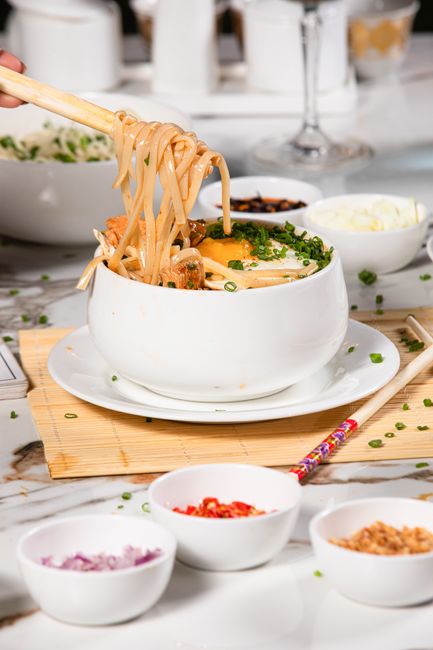
So, where can you find the best spicy Balinese food? Here are a few tips:
1. Warungs: Your Local Food Stop: Warungs are small, family-owned restaurants that serve traditional Balinese food at affordable prices. They're a great place to experience authentic flavors and try local specialties. Look for warungs that are popular with locals – that's usually a good sign that the food is delicious and authentic.
2. Local Markets: A Culinary Adventure: Visiting a local market is a great way to immerse yourself in Balinese culture and sample a variety of local foods. You'll find vendors selling everything from fresh produce and spices to prepared dishes and snacks. Don't be afraid to try something new and ask the vendors about the ingredients and preparation methods.
3. Cooking Classes: Learn the Secrets: If you're really passionate about Balinese food, consider taking a cooking class. This is a great way to learn about the ingredients, techniques, and flavors that make Balinese cuisine so unique. You'll also get to try your hand at preparing some of your favorite dishes.
4. Ask the Locals: The Best Source of Information: Don't hesitate to ask locals for recommendations. They'll know the best places to eat and can point you to hidden gems that you might not find on your own.
A Final Word of Spicy Advice

Exploring the spicy world of Balinese food is an adventure for your taste buds. Remember to be adventurous, be respectful, and most importantly, have fun! Don't be afraid to try new things and push your boundaries, but also listen to your body and know your limits. With a little bit of preparation and a willingness to embrace the heat, you're sure to have an unforgettable culinary experience in Bali. Selamat makan (bon appétit)!
Post a Comment