The Art of Balinese Batik: Unveiling Hand-Crafted Beauty, Culture & Timeless Traditions

The Art of Balinese Batik: Unveiling Hand-Crafted Beauty, Culture & Timeless Traditions
Hey there, fellow art and culture enthusiasts! Have you ever been completely mesmerized by a piece of fabric, its intricate patterns seemingly telling a story? That's exactly how I felt when I first encountered Balinese batik. It wasn't just cloth; it was a living, breathing tapestry woven with history, artistry, and the very soul of Bali. I'm so excited to share my journey into the world of Balinese batik with you – a journey filled with vibrant colors, fascinating techniques, and a deep appreciation for the artisans who keep this incredible tradition alive.
What is Balinese Batik? More Than Just Fabric
Okay, let's start with the basics. What exactly is Balinese batik? Well, in simple terms, it's a traditional Indonesian textile art form that uses wax-resist dyeing techniques to create stunning patterns on fabric. But trust me, it's so much more than that! It's a cultural treasure, a form of storytelling, and a testament to the skill and patience of the Balinese people.
Imagine a blank canvas – in this case, a piece of cotton or silk. Now picture an artist carefully applying molten wax onto that canvas using a special tool called a "canting." This wax acts as a barrier, preventing the dye from penetrating those areas. The process is repeated multiple times, with different colors and wax applications, resulting in incredibly complex and layered designs. It's truly mind-blowing to see the process unfold!
What sets Balinese batik apart from batik found in other parts of Indonesia (like Java, for example)? While the fundamental technique is the same, Balinese batik often features distinct motifs and patterns inspired by the island's unique Hindu-Buddhist culture, natural beauty, and spiritual beliefs. Think intricate depictions of deities, mythical creatures, floral designs, and geometric patterns that reflect the island's rice paddies, volcanoes, and coastal landscapes. It's like wearing a piece of Bali itself!
The Fascinating History of Batik in Bali
The history of batik in Bali is a little bit shrouded in mystery, but it's generally believed that the art form was introduced to the island from Java centuries ago. Over time, the Balinese adopted and adapted the technique, infusing it with their own unique artistic sensibilities and cultural narratives. While batik production in Java became highly commercialized, Balinese batik often remained deeply connected to local communities and traditions, playing a significant role in religious ceremonies and cultural events.
In the past, batik was primarily a royal art, with specific patterns reserved for members of the aristocracy. But as time went on, batik making spread throughout the island, becoming an integral part of Balinese life. Today, you can find batik being produced in villages all across Bali, each with its own distinct style and specializations.
Decoding the Motifs: What Balinese Batik Patterns Mean

This is where things get really interesting! Each pattern and motif in Balinese batik holds a specific meaning, often reflecting the island's rich cultural and spiritual heritage. Learning to "read" these patterns can give you a deeper appreciation for the artistry and symbolism behind each piece. Here are a few common motifs you might encounter:
- The Tree of Life (Kalpataru): A symbol of fertility, growth, and harmony between humans and nature. It's often depicted with intricate branches, leaves, and flowers, representing the interconnectedness of all living things.
- Garuda: This mythical bird is the national symbol of Indonesia and represents strength, power, and protection. You'll often see stylized depictions of Garuda in batik, especially in pieces used for ceremonial purposes.
- Singa (Lion): A symbol of courage, leadership, and royalty. Lions are often depicted in Balinese batik to represent strength and authority.
- Flowers (e.g., Frangipani, Lotus): Flowers represent beauty, purity, and spiritual awakening. Frangipani, in particular, is a ubiquitous symbol of Bali and is often featured in batik designs.
- Geometric Patterns: These patterns, like the "ceplok" (rosette) or "kawung" (intersecting circles), can represent various concepts, such as the cycles of life, harmony, and balance.
The use of color in Balinese batik is also highly symbolic. For example, gold and red are often associated with royalty and divinity, while blue and green can represent nature and tranquility. The colors and motifs used in a particular piece of batik can tell a story about its purpose, the wearer's status, and the occasion for which it is intended.
The Magic of the Canting: Exploring Balinese Batik Techniques
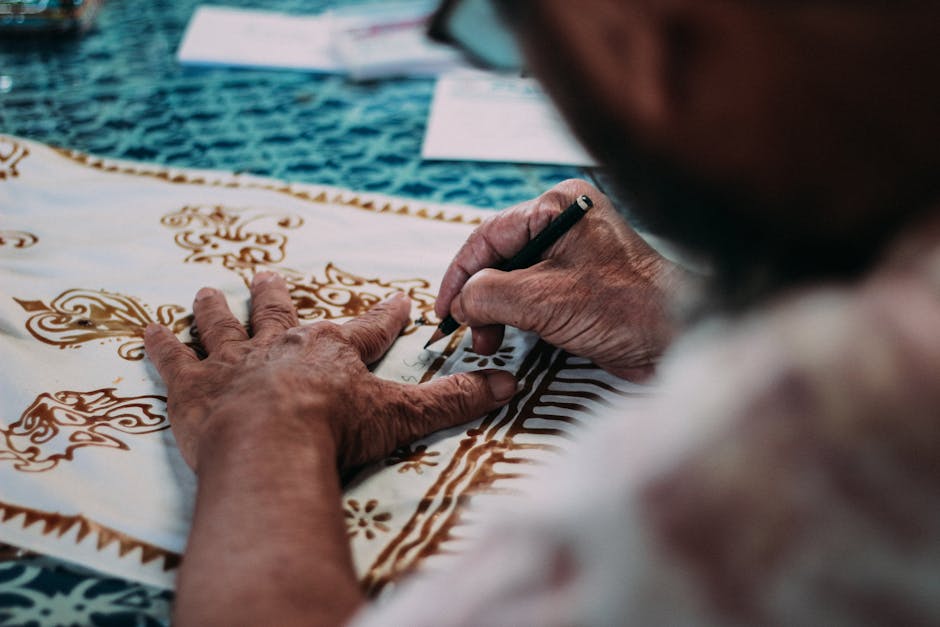
Okay, let's dive into the nitty-gritty of how Balinese batik is actually made. While there are several different batik techniques, the most traditional and highly regarded is "batik tulis," which translates to "written batik." This involves using a canting, a small copper tool with a fine spout, to apply molten wax directly onto the fabric. It's painstaking and incredibly precise work!
Here's a breakdown of the typical batik tulis process:
- Preparation: The fabric (usually cotton or silk) is thoroughly washed and dried to remove any impurities.
- Design Tracing: The artist sketches the desired design onto the fabric, often using a pencil or charcoal.
- Wax Application (Canting): This is the heart of the batik tulis process. The artist dips the canting into molten wax and carefully traces the design lines onto the fabric. The wax acts as a resist, preventing dye from penetrating those areas.
- Dyeing: The fabric is then immersed in a dye bath. The areas covered in wax will remain undyed, while the exposed areas will absorb the color.
- Wax Removal: After the dyeing process, the wax is removed by boiling the fabric in hot water or using a chemical solvent.
- Repeat (Multiple Colors): For multi-colored designs, the process of waxing and dyeing is repeated multiple times, with different colors applied in each step.
- Finishing: Once the final color is applied, the remaining wax is removed, and the fabric is washed and dried.
Another common batik technique is "batik cap," which uses a copper stamp (cap) to apply the wax. This method is faster and more efficient than batik tulis, making it suitable for mass production. However, batik tulis is generally considered to be more valuable and artistic due to its intricate detail and the amount of skill and time involved.
And there's a third kind, "batik printing," which is a modern, mechanised process that involves printing designs onto fabric. While faster and cheaper, it lacks the artistic value and authenticity of traditional batik techniques. Always ask if the piece is Tulis (hand drawn) or Cap (stamped).
Finding Authentic Balinese Batik: Tips for the Savvy Shopper
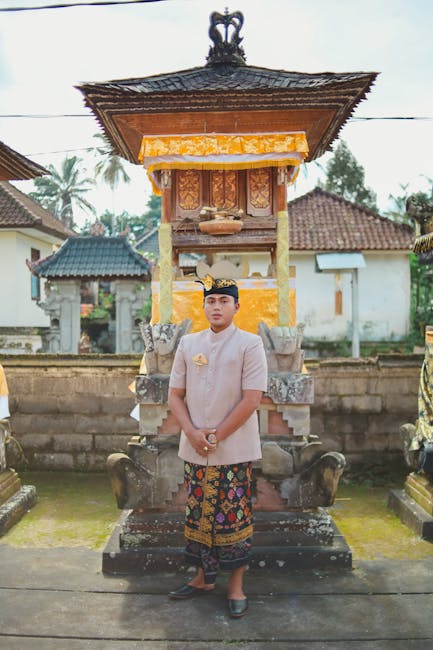
Okay, so you're ready to buy your own piece of Balinese batik! That's fantastic! But with so many options available, how do you ensure you're getting an authentic, high-quality piece? Here are a few tips to help you navigate the batik market:
- Look for Imperfections: This might sound counterintuitive, but slight imperfections are actually a sign of genuine batik tulis. Because it's a hand-crafted process, there will inevitably be minor variations in the wax application and dyeing. Machine-printed batik, on the other hand, will have a perfectly uniform appearance.
- Check for Wax Residue: In authentic batik, you might find small traces of wax remaining on the fabric, even after it's been processed. This is another sign that it was hand-crafted using traditional techniques.
- Examine the Reverse Side: In genuine batik, the pattern will be visible on both sides of the fabric, although it may be slightly fainter on the reverse. This is because the dye penetrates the fabric during the dyeing process. Machine-printed batik, on the other hand, will typically have a plain or very faint pattern on the reverse.
- Feel the Fabric: High-quality batik is typically made from natural fibers like cotton or silk. These fabrics will feel soft and breathable against your skin. Synthetic fabrics, on the other hand, may feel stiff or scratchy.
- Ask Questions: Don't be afraid to ask the seller about the batik's origin, the techniques used to create it, and the meaning of the patterns. A knowledgeable seller will be happy to share information about the art form and the artisans who created it.
- Shop at Reputable Sources: Look for batik shops or studios that are known for selling authentic, high-quality batik. Consider visiting batik-making villages, where you can see the artisans at work and purchase directly from them.
Warning Signs! Be wary of prices that seem too good to be true. Authentic batik tulis requires a significant investment of time and skill, so it's unlikely to be sold at bargain-basement prices. Also, be cautious of sellers who are evasive or unwilling to answer your questions about the batik's origin and production.
Batik Beyond the Fabric: Integrating Balinese Art into Your Life
Okay, so you've found the perfect piece of Balinese batik! Now what? How can you incorporate this beautiful art form into your life? The possibilities are endless! Here are just a few ideas:
- Wearable Art: Of course! Batik clothing is a fantastic way to showcase your appreciation for Balinese artistry. Consider a batik shirt, dress, skirt, or scarf. You can dress it up or down, depending on the occasion.
- Home Decor: Batik can add a touch of elegance and cultural flair to your home. Use batik fabric to create pillow covers, table runners, wall hangings, or even upholstery for furniture.
- Accessories: Batik bags, wallets, and jewelry are a stylish way to incorporate Balinese art into your everyday look.
- Gifts: A piece of Balinese batik makes a thoughtful and unique gift for friends and family.
- Learn the Craft: If you're feeling adventurous, why not try your hand at batik making yourself? Many workshops and classes are available in Bali, where you can learn the basics of batik tulis and create your own masterpiece.
Caring for your Batik: To keep your Balinese batik looking its best, it's important to care for it properly. Hand-wash your batik in cold water with a mild detergent. Avoid using harsh chemicals or bleach, as these can damage the fabric and fade the colors. Hang your batik to dry in a shady area, away from direct sunlight. And when ironing, use a low setting and iron on the reverse side of the fabric.
The Enduring Allure: Why Balinese Batik Matters
In a world of mass-produced goods, Balinese batik stands out as a testament to the power of human creativity and traditional craftsmanship. It's an art form that has been passed down through generations, preserving cultural heritage and providing livelihoods for countless artisans. By supporting Balinese batik, you're not just buying a piece of fabric; you're investing in a tradition, empowering communities, and celebrating the beauty of Balinese culture. It's so much more meaningful than buying from a fast fashion outlet.
For me, Balinese batik is more than just a beautiful textile; it's a connection to the soul of Bali. Each time I wear a batik shirt or admire a batik wall hanging, I'm reminded of the island's vibrant culture, its rich history, and the skilled artisans who dedicate their lives to preserving this incredible art form. I hope my little journey has inspired you to appreciate the beauty and significance of Balinese batik and to perhaps even seek out your own piece of hand-crafted beauty!
Supporting Balinese Batik Artisans: Making a Difference
Okay, so you're completely smitten with Balinese batik (like I am!). You want to buy some, but you also want to make sure you're supporting the artisans who create it. Here's how you can make a positive impact:
- Buy Directly from Artisans or Cooperatives: This is the best way to ensure that the artisans receive a fair price for their work. Look for opportunities to purchase batik directly from batik-making villages or cooperatives.
- Support Fair Trade Practices: Look for batik shops or organizations that adhere to fair trade principles. Fair trade ensures that artisans receive fair wages, work in safe conditions, and have access to resources and training.
- Ask About the Artisans: Don't be afraid to ask sellers about the artisans who created the batik. A reputable seller should be able to provide information about the artisans' backgrounds, techniques, and working conditions.
- Pay a Fair Price: Remember that authentic batik tulis requires a significant investment of time and skill. Be prepared to pay a fair price for high-quality batik.
- Spread the Word: Share your appreciation for Balinese batik with your friends and family. Encourage them to support Balinese artisans and to learn more about the art form.
The Future of Balinese Batik: Preserving a Living Tradition
The future of Balinese batik depends on our collective efforts to preserve this living tradition. By supporting Balinese artisans, promoting sustainable practices, and educating future generations about the art form, we can ensure that Balinese batik continues to thrive for years to come. It's up to us to celebrate and protect this unique cultural treasure. I truly believe it's worth it!
Experiencing Batik Firsthand: Visiting Batik Workshops in Bali
If you're planning a trip to Bali, I highly recommend visiting a batik workshop. It's an incredible opportunity to witness the batik-making process firsthand, meet the artisans, and even try your hand at creating your own batik masterpiece. Here are a few tips for planning your visit:
- Research Batik Villages: Several villages in Bali are known for their batik production, including Ubud, Gianyar, and Sidemen. Research different villages and choose one that interests you.
- Book a Workshop: Many batik workshops offer hands-on classes and demonstrations. Book your workshop in advance to ensure availability.
- Ask Questions: Don't be afraid to ask the artisans questions about their techniques, the meanings of the patterns, and the history of batik in Bali.
- Purchase Directly: If you find a piece of batik that you love, purchase it directly from the artisans. This is the best way to support their livelihoods.
- Be Respectful: Remember that you are visiting a working studio. Be respectful of the artisans and their workspace.
Visiting a batik workshop is an unforgettable experience that will deepen your appreciation for the art form and the people who create it.
Balinese Batik: A Sustainable Art Form?
Sustainability is becoming increasingly important in the fashion and art worlds, and Balinese batik is no exception. While traditional batik techniques use natural materials like cotton, silk, and natural dyes, modern practices can sometimes involve synthetic dyes and harmful chemicals. However, many Balinese artisans are committed to sustainable practices and are working to minimize their environmental impact. Here are some factors to consider when evaluating the sustainability of Balinese batik:
- Natural Dyes: Look for batik that is dyed with natural dyes derived from plants, minerals, or insects. Natural dyes are more environmentally friendly than synthetic dyes, which can contain harmful chemicals.
- Organic Cotton or Silk: Choose batik made from organic cotton or silk. Organic farming practices minimize the use of pesticides and fertilizers, which can harm the environment.
- Water Usage: Batik production can be water-intensive. Look for artisans who are using water-saving techniques and who are properly treating wastewater.
- Waste Management: Ensure that artisans are properly disposing of waste materials, such as wax and dye residues.
- Fair Labor Practices: Support artisans who are working in safe and fair working conditions.
By choosing batik that is made with sustainable practices, you can support environmentally responsible art and help preserve the planet.
Beyond the Tourist Trail: Discovering Hidden Batik Gems

While popular tourist areas in Bali offer a wide selection of batik, some of the most authentic and beautiful pieces can be found off the beaten path. Venture beyond the main tourist centers and explore batik-making villages in more remote areas of the island. You'll discover hidden gems, meet talented artisans, and experience the true heart of Balinese batik.
Balinese Batik: A Legacy of Art and Culture
Balinese batik is more than just a textile; it's a legacy of art and culture that has been passed down through generations. It's a symbol of Bali's rich heritage, its vibrant artistry, and its deep spiritual beliefs. By appreciating and supporting Balinese batik, we can help ensure that this incredible tradition continues to thrive for many years to come. So next time you're in Bali, or even browsing online, remember the artistry, the stories, and the dedication that goes into each and every piece of Balinese batik. It truly is a work of art worth cherishing!
Post a Comment