The Daily Magic of Canang Sari: A Journey into Balinese Offerings

The Daily Magic of Canang Sari: A Journey into Balinese Offerings
Have you ever stumbled upon a vibrant, little square basket brimming with flowers, food, and incense while wandering the streets of Bali? That's a Canang Sari, and it's so much more than just a pretty decoration. It's the heart and soul of Balinese Hindu daily life, a tangible expression of gratitude, devotion, and the constant striving for harmony. Let's embark on a journey to understand the profound significance of these daily offerings, and I promise, you'll see Bali with a whole new perspective.
The Essence of Canang Sari: More Than Meets the Eye

At first glance, a Canang Sari might seem like a simple collection of colorful elements. But beneath the surface lies a deeply symbolic and spiritual practice. It's a prayer manifested, a daily act of offering to the Supreme God, Sang Hyang Widhi Wasa, and his manifestations, as well as to the spirits of nature. It's about acknowledging the interconnectedness of all things and maintaining balance within the universe.
Think of it like this: the Balinese believe in a constant flow of energy – positive and negative. The Canang Sari serves as a way to express gratitude for the blessings received and to appease potentially disruptive forces, ensuring continued harmony and prosperity. It's a constant conversation with the divine, a daily reminder of their place within the cosmos.
Decoding the Elements: The Language of Flowers and Food

Each component of the Canang Sari holds a specific meaning, contributing to the overall message of the offering. Let's break down the key elements:
1. The Base (Ceper): This is the foundation, traditionally made of woven coconut leaves. It symbolizes the universe and the earthly realm upon which the offering is placed.
2. Porosan: These are small cones made from betel leaf, lime, and areca nut. They represent the Trimurti – the three main aspects of God: Brahma (the creator), Vishnu (the preserver), and Shiva (the destroyer). They are a symbol of devotion and surrender.
3. Flowers (Bunga): The flowers are perhaps the most visually striking aspect of the Canang Sari. Their colors and placement are carefully considered and hold deep symbolic meaning:
a. White (Bunga Putih): Placed towards the east, representing purity, holiness, and Iswara, the aspect of God associated with the east.
b. Red (Bunga Merah): Positioned in the south, symbolizing courage, strength, and Brahma, the creator.
c. Yellow (Bunga Kuning): Found in the west, representing wisdom, prosperity, and Mahadeva.
d. Blue/Green (Bunga Biru/Hijau): Placed in the north, symbolizing tranquility, balance, and Vishnu, the preserver.
It's important to note that the availability of flowers varies depending on the season and the region of Bali. While the colors are significant, the intention behind the offering is ultimately what matters most. Even if a specific color isn't available, the overall feeling of devotion remains the same.
4. Food (Sesajen): Small amounts of food items like rice, crackers, cookies, and sometimes even cigarettes are included. These represent sustenance and gratitude for the blessings of food and nourishment.
5. Money (Uang Kepeng): These are small, ancient Chinese coins, often placed on top of the offering. They symbolize wealth and prosperity, and also act as a payment to the spirits for their blessings.
6. Incense (Dupa): The burning incense represents the purification of the offering and carries the prayers to the heavens. The smoke is believed to connect the earthly realm with the divine.
The Making of a Canang Sari: A Labour of Love

Creating Canang Sari is usually the domain of women in Balinese households. It's a daily ritual, often performed early in the morning, before the day's activities begin. It's not just a chore; it's a meditative practice, a time for reflection and connection to the divine.
I've had the privilege of watching women meticulously weaving the coconut leaf bases, carefully arranging the flowers, and thoughtfully placing each element. It's a beautiful and intricate process, passed down through generations. The entire family might be involved, each contributing in their own way, from gathering flowers to preparing the food offerings.
It's fascinating to see how each woman has her own style and flair when creating the Canang Sari. While the basic components remain the same, the arrangement of the flowers, the type of food offered, and even the shape of the base can vary depending on personal preference and regional traditions.
Where You'll Find Them: The Ubiquitous Presence of Canang Sari

Canang Sari are everywhere in Bali! You'll find them:
1. In Temples (Pura): This is the most obvious place. Temples are filled with offerings, from small Canang Sari to elaborate fruit arrangements, all dedicated to the various deities worshipped there.
2. In Homes (Rumah): Every Balinese household has a family temple, and offerings are placed there daily to honor the ancestors and maintain a connection to the divine.
3. In Shops and Businesses: Businesses place Canang Sari at their entrances to ensure prosperity and good fortune.
4. On Statues and Sacred Objects: You'll often see offerings placed at the base of statues of gods and goddesses, as well as on other objects considered sacred.
5. Even on the Ground: This is perhaps the most surprising sight for first-time visitors. Offerings are often placed on the ground at crossroads, near trees, and in other places considered to be inhabited by spirits.
Stepping on a Canang Sari is generally considered disrespectful, though unintentional. If you accidentally step on one, simply apologize quietly. The Balinese are generally very understanding and forgiving, recognizing that tourists may not be familiar with all their customs.
The Spiritual Significance: Beyond the Physical Offering

The true significance of the Canang Sari lies not just in the physical offering itself, but in the intention and devotion behind it. It's a daily act of selflessness, a reminder to be grateful for the blessings in one's life and to strive for balance and harmony.
Here are some of the key spiritual aspects:
1. Gratitude: The Canang Sari is a tangible expression of gratitude for the blessings of life, including health, family, prosperity, and the beauty of the natural world.
2. Devotion: It's a way to connect with the divine and to express devotion to Sang Hyang Widhi Wasa and his manifestations.
3. Harmony: The offering is meant to maintain balance between the positive and negative forces in the universe, ensuring continued well-being and prosperity.
4. Selflessness: The act of giving, without expecting anything in return, is a fundamental aspect of the Canang Sari. It's a reminder to focus on the needs of others and to contribute to the well-being of the community.
5. Mindfulness: The creation and placement of the Canang Sari is a mindful practice, requiring focus and attention. It's a way to be present in the moment and to connect with the divine on a deeper level.
Canang Sari in Modern Bali: Tradition in a Changing World
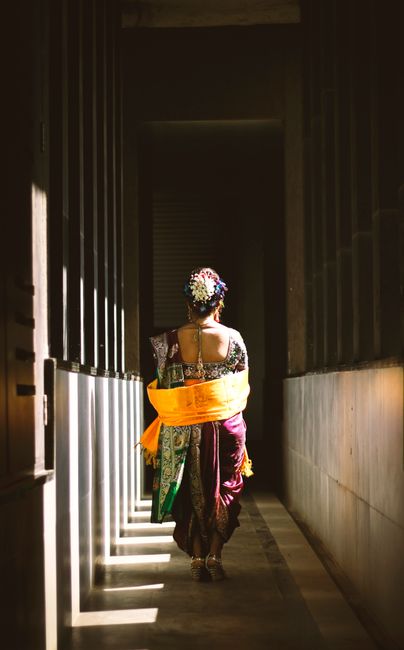
In today's rapidly changing world, the tradition of Canang Sari continues to thrive in Bali. Despite the influences of tourism and globalization, the Balinese remain deeply committed to their cultural heritage.
However, there are some challenges. The increasing cost of living can make it difficult for some families to afford the ingredients for the offerings. Additionally, younger generations may feel less connected to the traditions of their ancestors. Efforts are being made to ensure that the tradition of Canang Sari continues to be passed down to future generations. Schools teach children about the significance of the offerings, and community organizations promote the importance of preserving Balinese culture.
Furthermore, there's a growing awareness of the environmental impact of the offerings. The use of plastic and other non-biodegradable materials is becoming increasingly discouraged, with a push towards using more sustainable and environmentally friendly alternatives.
Respecting the Tradition: A Tourist's Guide

As a tourist visiting Bali, it's important to be respectful of the tradition of Canang Sari. Here are a few things to keep in mind:
1. Be Mindful of Where You Step: As mentioned earlier, avoid stepping on the offerings. If you accidentally do, apologize quietly.
2. Don't Disturb the Offerings: Do not touch or move the Canang Sari. They are meant to be left undisturbed as an offering to the divine.
3. Dress Appropriately When Visiting Temples: When visiting temples, dress respectfully. Cover your shoulders and knees. You can usually rent a sarong and sash at the entrance of the temple.
4. Ask Questions Respectfully: If you're curious about the meaning of the Canang Sari, ask a local respectfully. Most Balinese people are happy to share their culture and traditions with visitors.
5. Support Local Businesses: Consider purchasing Canang Sari or the materials used to make them from local vendors. This helps support the local economy and preserves the tradition.
6. Observe and Learn: Take the time to observe the rituals and customs surrounding the Canang Sari. This is a great way to learn about Balinese culture and spirituality.
My Personal Connection: Finding Beauty in the Everyday

Over the years, I've developed a deep appreciation for the Canang Sari. What started as a simple observation of colorful baskets has evolved into a profound understanding of Balinese culture and spirituality. I find beauty in the everyday act of creating and offering these small expressions of gratitude and devotion.
I remember one time, I was visiting a small village in the mountains of Bali. I watched an elderly woman carefully crafting a Canang Sari, her hands moving with practiced ease. As she placed the final flower, she closed her eyes and whispered a prayer. In that moment, I felt a deep connection to her and to the spirit of Bali. It was a reminder that even in the simplest of acts, there is profound meaning and beauty to be found.
The Canang Sari has taught me the importance of gratitude, devotion, and mindfulness. It's a reminder to appreciate the blessings in my life and to strive for balance and harmony in all that I do. It's also taught me that beauty can be found in the simplest of things, from the vibrant colors of the flowers to the fragrant smoke of the incense.
Beyond the Tourist Trail: A Deeper Dive

If you're interested in learning more about the Canang Sari and Balinese culture, there are several ways to delve deeper:
1. Take a Balinese Cooking Class: Many cooking classes in Bali include a visit to a local market, where you can learn about the ingredients used in the offerings and other traditional dishes.
2. Visit a Balinese Temple: Take a guided tour of a Balinese temple and learn about the rituals and ceremonies that take place there.
3. Attend a Balinese Dance Performance: Balinese dance is deeply intertwined with spirituality and often incorporates elements of the Canang Sari in the costumes and performances.
4. Read Books and Articles: There are many excellent books and articles available on Balinese culture and religion.
5. Talk to Local People: Don't be afraid to strike up a conversation with local people and ask them about their traditions and beliefs. Most Balinese people are happy to share their culture with visitors.
6. Volunteer with a Local Organization: Volunteering with a local organization is a great way to immerse yourself in Balinese culture and make a positive impact on the community.
The Lasting Impression: More Than Just Souvenirs
The next time you're in Bali and you see a Canang Sari, take a moment to appreciate its beauty and significance. Remember that it's more than just a pretty decoration; it's a tangible expression of gratitude, devotion, and the constant striving for harmony.
Instead of just taking pictures, try to connect with the spirit behind the offering. Observe the rituals and customs surrounding it. Ask questions and learn from the local people. By doing so, you'll gain a deeper understanding of Balinese culture and spirituality, and you'll take home more than just souvenirs; you'll take home a lasting impression of the magic of Bali.
Ultimately, the Canang Sari is a reminder that even in the midst of our busy lives, we can always find time to express gratitude, connect with the divine, and strive for balance and harmony. It's a lesson that we can all learn from, no matter where we are in the world.
The Future of Canang Sari: Preserving a Living Tradition
The future of the Canang Sari tradition in Bali hinges on a delicate balance between embracing modernity and preserving its rich cultural heritage. It requires a concerted effort from the community, the government, and even visitors to ensure its continued vitality. Here's a glimpse into what the future might hold:
1. Sustainable Practices: The move towards sustainable practices in crafting Canang Sari is crucial. This includes using biodegradable materials like natural dyes for the flowers and encouraging the use of woven baskets over plastic containers. Educational initiatives are key to raising awareness about the environmental impact and promoting eco-friendly alternatives.
2. Cultural Education: Integrating Canang Sari traditions into the school curriculum is essential for passing down the knowledge to younger generations. This ensures that the children understand not just the practical aspects of crafting the offerings but also the spiritual and philosophical significance behind them.
3. Community Involvement: Encouraging community participation in Canang Sari production and preservation helps foster a sense of ownership and responsibility. This can involve workshops, cultural events, and initiatives that empower women, who are traditionally the primary custodians of this tradition.
4. Responsible Tourism: Promoting responsible tourism that respects and values Balinese culture is vital. This involves educating tourists about the significance of Canang Sari and encouraging them to interact with the tradition in a respectful and meaningful way, rather than just treating it as a photo opportunity.
5. Innovation and Adaptation: While preserving the core elements of the Canang Sari is important, allowing for some innovation and adaptation can help ensure its relevance in a changing world. This could involve incorporating new materials or designs while still maintaining the symbolic meaning behind the offering.
By embracing these strategies, Bali can ensure that the Canang Sari continues to be a living and vibrant tradition for generations to come, enriching both the lives of the Balinese people and the experiences of visitors who come to appreciate its beauty and significance.
Post a Comment