The Ultimate Bali Street Food Guide: Eat Like a Local

The Ultimate Bali Street Food Guide: Eat Like a Local
Okay, friend, let's talk Bali. Not just the beaches and the temples (though those are amazing!), but the heart and soul of Balinese cuisine: its street food! I've spent a good chunk of time wandering the backstreets of Ubud, Seminyak, and Canggu, stomach rumbling, and taste buds on high alert. Trust me, ditch the fancy restaurants for a day (or a week!) and dive into the vibrant world of Bali's street food scene. It's an adventure for your palate, your wallet, and your soul! This guide is your passport to experiencing Bali like a true local, one delicious bite at a time.
Why Street Food is the Best Way to Experience Bali

Forget the tourist traps! Street food in Bali is where the real magic happens. It's an explosion of flavors, textures, and aromas that you just won't find in a restaurant charging ten times the price. Here's why I'm such a huge advocate for embracing the street food culture:
Authenticity: This is it, folks. These are the recipes that have been passed down through generations, perfected over time. You're getting a true taste of Balinese heritage, cooked with love and pride.
Affordability: Let's be honest, Bali can be as expensive or as cheap as you want it to be. Street food allows you to experience incredible flavors without breaking the bank. You can easily feast for just a few dollars!
Freshness: Most street food vendors prepare their dishes right in front of you, using fresh, local ingredients. You can see the entire process, from chopping the vegetables to grilling the meat. Talk about transparency!
Community: Street food stalls are often hubs of social interaction. You'll find locals chatting, laughing, and sharing stories while enjoying their favorite dishes. It's a chance to connect with the community and experience the Balinese warmth firsthand.
Adventure: Let's face it, trying new things is exciting! Bali street food offers a culinary adventure unlike any other. Prepare to be surprised, delighted, and maybe even a little challenged (in the best way possible!).
Must-Try Balinese Street Food Dishes
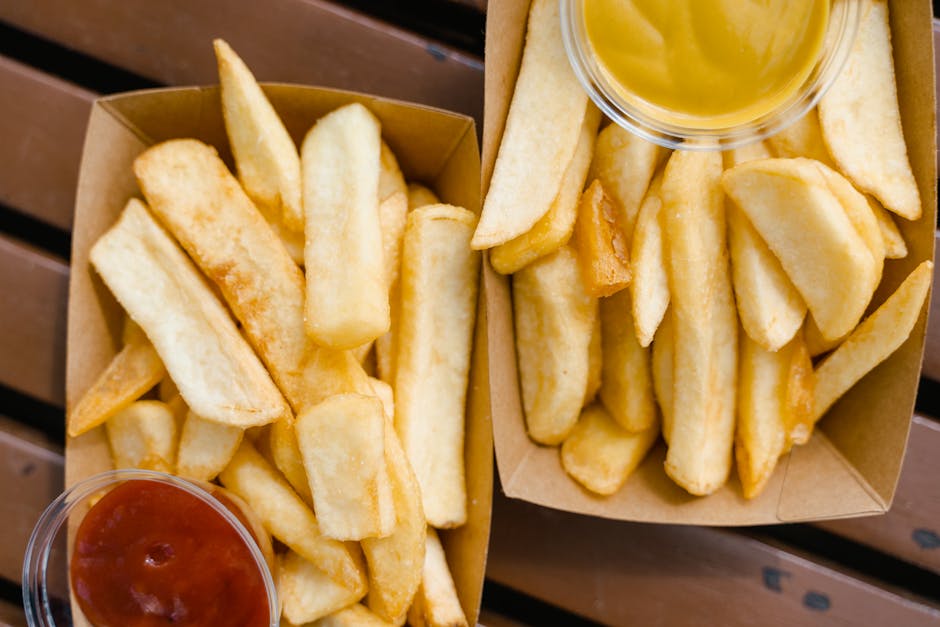
Now, let's get to the good stuff – the food! This is by no means an exhaustive list, but it covers some of the absolute must-try dishes that you'll find on the streets of Bali. Get ready to drool!
1. Nasi Goreng (Fried Rice)
Okay, this might seem basic, but Nasi Goreng is a staple for a reason! It's essentially fried rice, but the Balinese version is packed with flavor. It's usually stir-fried with sweet soy sauce (kecap manis), garlic, shallots, chili, and often includes egg, chicken, shrimp, or vegetables. Each vendor has their own secret recipe, so be sure to try it from multiple places!
My Tip: Ask for "pedas" (spicy) if you like a kick! Some vendors offer different levels of spice, so you can customize it to your liking.
2. Mie Goreng (Fried Noodles)
Similar to Nasi Goreng, Mie Goreng is the noodle version of this popular dish. It's stir-fried noodles with similar ingredients – kecap manis, garlic, shallots, chili, vegetables, and your choice of protein. It's comforting, filling, and always satisfying.
My Tip: Look for Mie Goreng Tek-Tek. These are the vendors who use a distinctive "tek-tek" sound from their wok to attract customers. The show is almost as good as the food!
3. Sate (Satay)
Ah, Sate! These grilled skewers of marinated meat are a true Indonesian classic. In Bali, you'll find various types of sate, including chicken, pork, beef, and even fish. The meat is marinated in a blend of spices, grilled to perfection, and served with a delicious peanut sauce.
Types of Sate to Look Out For:
- Sate Lilit: This is a Balinese specialty made with minced meat (often fish or chicken) mixed with coconut, spices, and then wrapped around lemongrass skewers. It's incredibly flavorful and juicy.
- Sate Babi: Pork satay, marinated in a sweet and savory sauce.
- Sate Ayam: Chicken satay, a classic choice that's always a crowd-pleaser.
My Tip: Don't be afraid to try different types of sate! Each one has its own unique flavor profile.
4. Babi Guling (Suckling Pig)
This is a dish that truly represents Balinese cuisine. Babi Guling is a whole pig that's roasted over an open fire, stuffed with a mixture of spices, herbs, and vegetables. The skin is crispy and crackling, and the meat is incredibly tender and flavorful. This is a must-try for any meat lover!
My Tip: Babi Guling is often served with a variety of side dishes, such as lawar (a vegetable and meat salad), rice, and crispy pork skin. Try everything!
5. Gado-Gado (Indonesian Salad with Peanut Sauce)
For a vegetarian option, Gado-Gado is a fantastic choice. It's a salad made with a variety of boiled vegetables (like potatoes, long beans, spinach, and bean sprouts), tofu, tempeh, and hard-boiled eggs, all dressed in a rich and creamy peanut sauce. It's healthy, filling, and packed with flavor.
My Tip: The peanut sauce is the key to a good Gado-Gado. Look for vendors who make their sauce fresh daily.
6. Tipat Cantok (Balinese Rice Cake Salad)
Another vegetarian delight! Tipat Cantok is made with tipat (compressed rice cake), vegetables (usually spinach, bean sprouts, and long beans), tofu, and a delicious peanut sauce that's a bit spicier than the one used for Gado-Gado. It's a satisfying and flavorful meal.
My Tip: The texture of the tipat is unique and adds a wonderful chewiness to the salad.
7. Bakso (Meatball Soup)
Bakso is a popular Indonesian meatball soup. The meatballs are usually made from beef or chicken and are served in a flavorful broth with noodles, vegetables, and crispy fried wontons. It's a comforting and warming dish, perfect for a rainy day.
My Tip: Add some sambal (chili sauce) for an extra kick!
8. Martabak (Stuffed Pancake)
Martabak comes in two main varieties: sweet (Martabak Manis) and savory (Martabak Telor). Both are delicious! Martabak Manis is a thick, sweet pancake filled with chocolate, cheese, nuts, and condensed milk. Martabak Telor is a savory pancake filled with eggs, minced meat, onions, and spices. Both are cooked on a large griddle and are incredibly addictive.
My Tip: Martabak Manis is best enjoyed warm, when the filling is still gooey and melty.
9. Pisang Goreng (Fried Banana)
Pisang Goreng is a simple but incredibly satisfying snack. It's just banana slices that are battered and deep-fried until golden brown. The outside is crispy, and the inside is soft and sweet. It's often served with a sprinkle of sugar or a drizzle of chocolate syrup.
My Tip: Look for vendors who use ripe, sweet bananas for the best flavor.
10. Es Campur (Mixed Ice Dessert)
On a hot Bali day, nothing beats a refreshing Es Campur. It's a mixed ice dessert with a variety of ingredients, such as shaved ice, coconut milk, fruits (like jackfruit, avocado, and coconut), jellies, and sweet condensed milk. It's colorful, flavorful, and the perfect way to cool down.
My Tip: Each vendor has their own unique combination of ingredients, so try Es Campur from different places to find your favorite!
Where to Find the Best Street Food in Bali

Okay, so now you know what to eat, but where do you find it? Here are some tips for finding the best street food spots in Bali:
Follow the Locals: This is the golden rule! If you see a street food stall that's popular with locals, it's usually a good sign. Locals know where to find the best and most authentic food.
Night Markets (Pasar Malam): These are a treasure trove of street food! You'll find a wide variety of dishes, all in one place. They usually start around sunset and go on until late.
Warungs: Warungs are small, family-run restaurants that often serve traditional Balinese dishes. They're a great option for trying local cuisine at affordable prices.
Roadside Stalls: Keep your eyes peeled for roadside stalls selling everything from sate to bakso. These are often the most authentic and delicious places to eat.
Google Maps: Search for "street food" or specific dishes like "Babi Guling" on Google Maps. You'll find reviews and photos from other travelers, which can help you find the best spots.
Ask Your Hotel/Hostel Staff: They're a great source of information about local restaurants and street food stalls.
Specific Locations I've Loved:
a. Ubud: The Gianyar Night Market is a must-visit for a wide variety of Balinese street food. Also, just wandering the streets, you'll find small warungs serving amazing Nasi Campur (mixed rice).
b. Seminyak/Canggu: While these areas are known for their cafes and restaurants, you can still find good street food, especially along the main roads. Look for Sate stalls in the evenings.
c. Denpasar: As the capital city, Denpasar has a vibrant street food scene. The Badung Market is a great place to explore.
Tips for Eating Street Food Safely

Okay, let's address the elephant in the room: food safety. Eating street food can be a fantastic experience, but it's important to be aware of potential risks. Here are some tips for eating street food safely in Bali:
Look for Cleanliness: Choose stalls that look clean and well-maintained. Make sure the vendors are wearing clean clothes and that the cooking area is tidy.
Observe the Food Preparation: Watch how the food is prepared. Is it cooked thoroughly? Are the ingredients fresh?
Check for Freshly Cooked Food: Avoid food that has been sitting out for a long time. Look for stalls that are cooking food fresh to order.
Drink Bottled Water: Only drink bottled water or other sealed beverages. Avoid ice unless you're sure it's made from purified water.
Wash Your Hands: Wash your hands thoroughly with soap and water before eating. If soap and water aren't available, use hand sanitizer.
Trust Your Gut: If something doesn't look or smell right, don't eat it. Trust your instincts.
Start Small: If you're new to street food, start with small portions to see how your body reacts.
Consider Traveler's Insurance: It's always a good idea to have traveler's insurance that covers medical expenses, just in case.
Understanding Balinese Flavors
Balinese cuisine is a unique blend of flavors, influenced by Indonesian, Chinese, and Indian culinary traditions. Here are some of the key flavor profiles you'll encounter:
Spicy: Bali loves its chili! Many dishes are quite spicy, so be prepared for some heat. You can always ask for "tidak pedas" (not spicy) if you prefer milder flavors.
Sweet: Kecap manis (sweet soy sauce) is a staple ingredient in Balinese cooking. It adds a sweet and savory flavor to many dishes.
Savory: Balinese cuisine also features a variety of savory flavors, often derived from spices like turmeric, ginger, galangal, and lemongrass.
Umami: Shrimp paste (terasi) is a common ingredient that adds a unique umami flavor to many dishes.
Coconut: Coconut milk and grated coconut are used extensively in Balinese cooking, adding richness and creaminess to dishes.
Essential Balinese Phrases for Foodies

Knowing a few basic Balinese phrases can go a long way in making your street food experience more enjoyable and authentic. Here are a few essential phrases to get you started:
Selamat Makan: Enjoy your meal.
Terima Kasih: Thank you.
Sama-Sama: You're welcome.
Enak: Delicious.
Tidak Pedas: Not spicy.
Pedas: Spicy.
Berapa Harganya?: How much is it?
Saya Mau…: I want…
Air: Water.
Nasi: Rice.
Beyond the Food: The Culture of Street Food in Bali
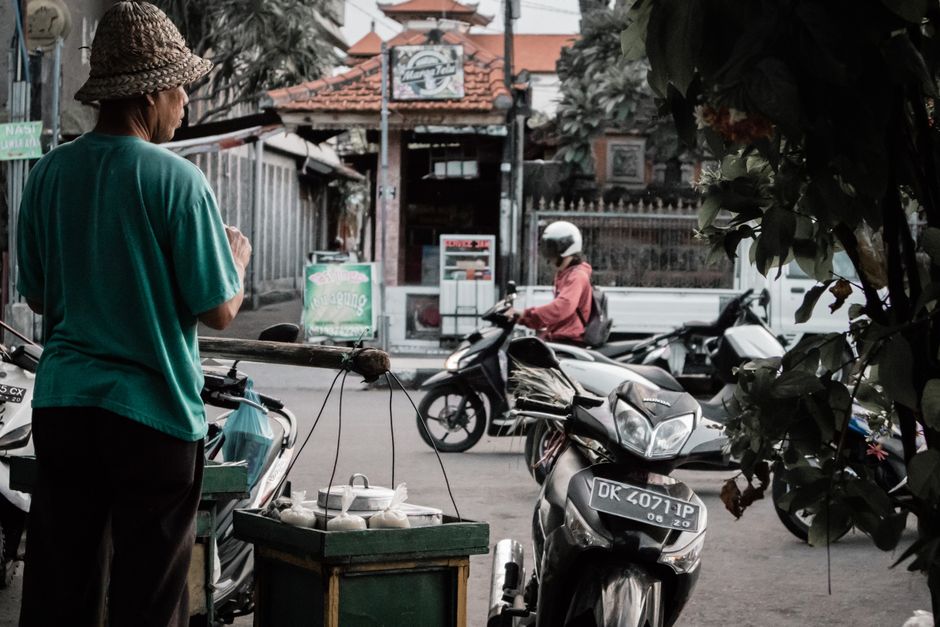
Eating street food in Bali is more than just about the food itself; it's about the entire experience. It's about immersing yourself in the local culture, connecting with people, and discovering hidden gems. Here are a few things to keep in mind to make the most of your street food adventure:
Be Respectful: Remember that you're a guest in someone else's country. Be respectful of the local culture and customs. Dress modestly, especially when visiting temples or religious sites.
Be Open-Minded: Try new things! Don't be afraid to step outside of your comfort zone and try dishes you've never heard of before.
Be Patient: Street food vendors are often busy, so be patient and wait your turn. Don't rush them or get frustrated if they're not immediately available.
Engage with the Locals: Take the time to chat with the vendors and learn about their food and culture. They'll appreciate your interest, and you'll gain a deeper understanding of Balinese life.
Bargain Respectfully (If Applicable): In some markets, it's acceptable to bargain for prices, but do so respectfully and with a smile. Don't try to haggle too aggressively.
Making Your Own Balinese Street Food at Home

Missing the taste of Bali already? Don't worry! You can recreate some of your favorite street food dishes at home. Here are a few simple recipes to get you started:
Easy Nasi Goreng Recipe:
- Cook rice a day ahead (day-old rice works best).
- Chop garlic, shallots, and chili.
- Stir-fry garlic, shallots, and chili in oil.
- Add diced chicken or shrimp (optional).
- Add cooked rice and kecap manis.
- Stir-fry until heated through.
- Top with a fried egg and crispy fried shallots.
Simple Sate Peanut Sauce Recipe:
- Mix peanut butter, soy sauce, lime juice, chili sauce, garlic, and water.
- Adjust ingredients to taste.
- Heat gently until smooth.
- Serve with grilled sate skewers.
Final Thoughts: Embrace the Adventure!

Eating street food in Bali is an adventure. It's a chance to explore new flavors, connect with the local culture, and create unforgettable memories. Don't be afraid to step outside of your comfort zone, try new things, and embrace the experience. You might just discover your new favorite food!
So, there you have it – my ultimate guide to Bali street food! I hope this has inspired you to ditch the tourist traps and dive headfirst into the delicious world of Balinese cuisine. Selamat Makan (enjoy your meal!), and happy eating!
Post a Comment