The Ultimate Nusa Islands Travel Guide: Unveiling the Perfect Time to Visit

The Ultimate Nusa Islands Travel Guide: Unveiling the Perfect Time to Visit
Okay, friend, let's talk Nusa Islands. Picture this: turquoise water so clear you can see every vibrant fish swimming beneath, dramatic cliffs plunging into the ocean, and lush green landscapes that feel untouched by time. Sounds dreamy, right? It is! But before you book your flight, let's dive into the nitty-gritty of when is actually the best time to visit these Indonesian gems – Nusa Lembongan, Nusa Ceningan, and Nusa Penida. I'm talking about balancing blissful weather with manageable crowds, because nobody wants to battle hordes of tourists for that perfect Instagram shot (trust me, I've been there!).
Understanding the Nusa Islands' Climate: A Quick Overview

First things first, let's get familiar with the climate. The Nusa Islands, located southeast of Bali, enjoy a tropical monsoon climate. This means there are two distinct seasons: a dry season and a wet season. Think of it as sunshine galore versus rainfall redemption. Knowing this is your foundation for planning the ideal trip.
Dry Season (April to October): This is generally considered the best time to visit. The weather is mostly sunny, with low humidity and little to no rainfall. The sea is calm and clear, perfect for swimming, snorkeling, and diving. Temperatures usually hover around 27-32°C (80-90°F). Think postcard-perfect days every single day!
Wet Season (November to March): Expect heavier rainfall, higher humidity, and occasional thunderstorms. While it doesn't rain all day every day, there's a much higher chance of getting caught in a downpour. The sea can be choppier, affecting boat trips and underwater visibility. Temperatures remain warm, around 28-33°C (82-91°F), but the humidity can make it feel much hotter. Don't write it off completely, though; there are definitely perks to visiting during the wet season, which we'll discuss later!
The Peak Season: July and August - Sunshine and Crowds
Ah, July and August. These months are the sweet spot for many travelers – the weather is at its driest and sunniest. It's pure paradise, right? Well, almost. This is also peak season, which means:
Pros:
- Guaranteed sunshine: Seriously, you're almost guaranteed sunny days perfect for exploring and soaking up the rays.
- Calm seas: Ideal for boat trips to Nusa Penida, snorkeling, diving, and other water activities.
- Clear visibility: The underwater visibility is at its best during these months, making diving and snorkeling even more incredible.
- Festivals and Events: You might find some local festivals or events happening during peak season, adding to the cultural experience.
Cons:
- Crowds: Expect to share the beaches, viewpoints, and restaurants with many other tourists. Popular spots like Kelingking Beach and Broken Beach can get incredibly crowded.
- Higher prices: Accommodation, tours, and even food prices tend to be higher during peak season. You'll need to book everything well in advance.
- Limited availability: Finding accommodation can be tricky, especially if you're traveling on a budget. Many hotels and guesthouses get fully booked months in advance.
- Less authentic experience: With so many tourists around, it can be harder to experience the authentic local culture and atmosphere.
My personal experience? I visited Nusa Lembongan in August a few years ago. The weather was amazing, no doubt about it. However, Kelingking Beach was a sea of people, and it was tough to get a decent picture without someone photobombing it! I definitely felt like I was experiencing a slightly watered-down version of the islands.
Shoulder Season: April-June and September-October - The Sweet Spot

Okay, now we're talking! The shoulder season (April-June and September-October) is often considered the best time to visit the Nusa Islands if you're looking for a balance between good weather and fewer crowds. It's like finding a secret door to paradise without all the other tourists pushing their way through!
Pros:
- Pleasant weather: You can still expect plenty of sunshine and relatively low humidity, although there might be occasional showers.
- Fewer crowds: The crowds are significantly smaller compared to July and August, allowing you to enjoy the islands at a more relaxed pace.
- Lower prices: Accommodation and tours are generally more affordable during the shoulder season.
- Better availability: You'll have a wider selection of hotels and guesthouses to choose from.
- More authentic experience: With fewer tourists around, you'll have a better chance to connect with the local culture and enjoy a more authentic experience.
Cons:
- Slightly unpredictable weather: There's a slightly higher chance of rain compared to July and August. However, the showers are usually short and don't last all day.
- Sea conditions can be slightly less predictable: While generally good, the sea might be a little choppier than in the peak season, which could affect boat trips.
I ventured to Nusa Penida in September last year, and it was perfect. The weather was warm and sunny, and I felt like I had the beaches almost entirely to myself. The prices were also much more reasonable than what I saw advertised for July and August. I highly recommend considering the shoulder season!
The Off-Season: November to March - Budget Travel and Lush Landscapes

The wet season (November to March) might not be the first choice for most travelers, but don't dismiss it entirely! If you're on a tight budget or don't mind the occasional rain shower, the off-season can offer a unique and rewarding experience. Think vibrant green landscapes and deserted beaches.
Pros:
- Lowest prices: Accommodation, tours, and food are significantly cheaper during the off-season. You can score some amazing deals!
- Fewest crowds: You'll practically have the islands to yourself. Imagine exploring Kelingking Beach with only a handful of other people around.
- Lush green landscapes: The rain transforms the islands into a vibrant green paradise. The landscapes are incredibly beautiful during this time.
- Authentic local experience: You'll have a chance to connect with the local community on a deeper level and experience their culture without the distractions of mass tourism.
Cons:
- Heavy rainfall: Expect frequent and sometimes heavy rainfall. It might rain for several hours a day, or even for a few days in a row.
- High humidity: The humidity can be quite uncomfortable during the wet season.
- Choppy seas: Boat trips can be cancelled or delayed due to rough seas. Underwater visibility is also reduced.
- Potential for disruptions: Some businesses might close down or operate on reduced hours during the off-season.
I haven't personally visited during the wet season, but I've heard from other travelers that it can be a magical experience if you're prepared for the rain. Just pack accordingly, be flexible with your plans, and embrace the slower pace of life.
Breaking It Down: Month-by-Month Guide

Let's get down to specifics! Here's a month-by-month guide to help you decide when to visit the Nusa Islands:
January: Wettest month of the year. Expect heavy rainfall, high humidity, and choppy seas. Best for budget travelers who don't mind the rain.
February: Similar to January, with frequent rain and high humidity. Great deals on accommodation and tours.
March: Rainfall starts to decrease, but humidity remains high. Still a good time for budget travel, but the weather is slightly improving.
April: The shoulder season begins! The weather is improving, with more sunshine and less rain. Crowds are still relatively small, and prices are moderate.
May: Excellent weather with plenty of sunshine and low humidity. Crowds are increasing, but still manageable. A great time to visit!
June: Another fantastic month with warm temperatures, sunshine, and relatively low humidity. Perfect for swimming, snorkeling, and diving.
July: Peak season begins! The weather is at its driest and sunniest, but expect large crowds and higher prices.
August: The hottest and driest month of the year. Extremely popular with tourists, so book everything well in advance.
September: The shoulder season begins again! The weather is still good, but the crowds are starting to thin out. A great time to enjoy the islands without the hordes of tourists.
October: Another excellent month with pleasant weather and fewer crowds. Perfect for exploring the islands at a relaxed pace.
November: The wet season begins. Expect more rainfall and higher humidity. Prices start to decrease, and the landscapes become greener.
December: Similar to November, with frequent rain and high humidity. A good time to visit if you're on a budget and don't mind the rain.
Beyond Weather: Other Factors to Consider

While weather and crowds are the main considerations, here are a few other factors to keep in mind when planning your trip to the Nusa Islands:
Events and Festivals: Check the local calendar for any festivals or events that might be happening during your visit. These can add a unique cultural dimension to your trip. Nyepi Laut, a sea purification ceremony held in Nusa Lembongan, is a fascinating event to witness (usually in October or November, but dates vary each year).
School Holidays: Be aware of school holidays in Indonesia and other countries, as these can affect the number of tourists and the availability of accommodation. Indonesian school holidays usually fall in June/July and December/January.
Surfing Conditions: If you're a surfer, the best time to visit for waves is during the dry season (April to October). The waves are generally bigger and more consistent during this time.
Diving and Snorkeling: The best time for diving and snorkeling is also during the dry season, when the visibility is at its best. However, some dive sites can be affected by currents, so check with local dive operators for recommendations.
Nusa Lembongan, Nusa Ceningan, Nusa Penida: Does It Matter Which Island I Visit?
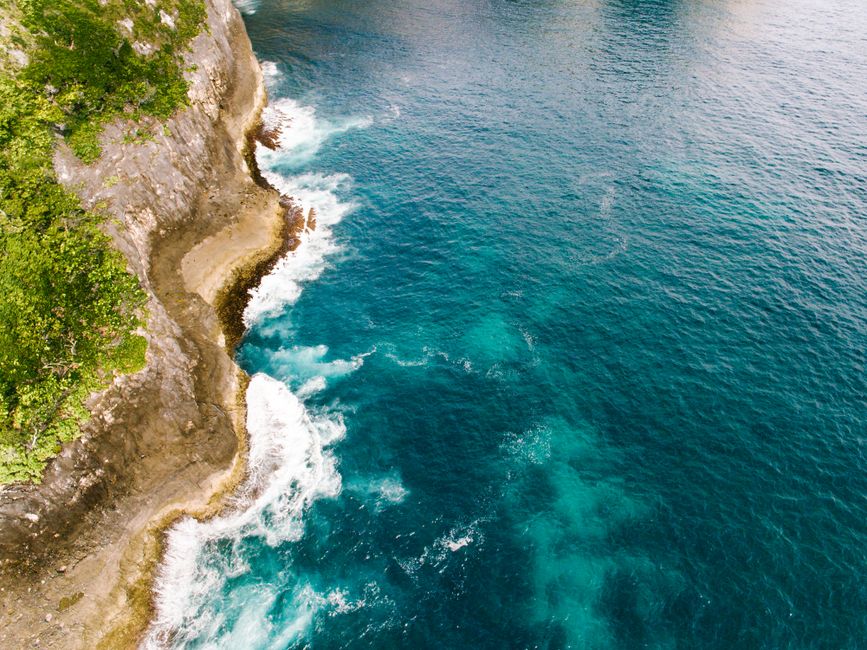
Good question! While the overall climate is similar across the three islands, there are subtle differences that might influence your choice of when to visit:
Nusa Lembongan: Being the most developed of the three, Nusa Lembongan tends to be more crowded, especially during peak season. The beaches are generally calmer and more suitable for swimming and families. If you are planning on spending a lot of time in the water with little ones, then bear this in mind.
Nusa Ceningan: Connected to Nusa Lembongan by a yellow bridge, Nusa Ceningan is smaller and quieter. It's a great option if you're looking for a more laid-back experience. The Blue Lagoon and Secret Beach are popular attractions.
Nusa Penida: The largest and most rugged of the three islands, Nusa Penida offers dramatic landscapes and stunning viewpoints. It's less developed than Nusa Lembongan and requires more effort to explore. However, the rewards are well worth it. The roads can be challenging, especially after rain, so consider this when planning your transport. If you're comfortable on a scooter then that's a huge advantage.
Packing Essentials for Your Trip: Be Prepared!

No matter when you decide to visit the Nusa Islands, here are a few essential items to pack:
- Lightweight clothing: Pack light, breathable clothing made from natural fabrics like cotton or linen.
- Swimsuit: Essential for swimming, snorkeling, and sunbathing.
- Sunscreen: Protect your skin from the strong tropical sun. Choose a high SPF and reapply frequently.
- Hat and sunglasses: Provide extra protection from the sun.
- Insect repellent: Mosquitoes can be a nuisance, especially during the wet season.
- Rain jacket or umbrella: If you're visiting during the wet season, be prepared for rain.
- Comfortable shoes: You'll be doing a lot of walking, so pack comfortable shoes that can handle uneven terrain.
- Water shoes: Useful for walking on rocky beaches and reefs.
- First-aid kit: Include basic medications, bandages, and antiseptic wipes.
- Adapter: Indonesia uses type C and F plugs, so bring an adapter if necessary.
Getting Around the Nusa Islands: Transportation Tips

Here's how to get around each island:
- Scooter: The most common and convenient way to explore the islands. You can rent a scooter from your accommodation or from a local rental shop. Be careful on the roads, as they can be narrow, bumpy, and sometimes unpaved. Always wear a helmet!
- Car with driver: A more comfortable and safer option, especially if you're not comfortable riding a scooter. You can hire a car with a driver for a day or for your entire trip.
- Tuk-tuk: Available on Nusa Lembongan, but less common on Nusa Ceningan and Nusa Penida.
- Walking: A great way to explore the smaller islands like Nusa Ceningan.
Final Thoughts: Planning Your Dream Nusa Islands Getaway

So, when is the best time to visit the Nusa Islands? It really depends on your priorities! If you want guaranteed sunshine and calm seas, July and August are your best bet, but be prepared for crowds and higher prices. If you're looking for a balance between good weather and fewer crowds, the shoulder season (April-June and September-October) is ideal. And if you're on a budget and don't mind the occasional rain shower, the off-season (November to March) can offer a unique and rewarding experience.
Ultimately, the best time to visit is whenever you can make it work! Just do your research, be prepared for the weather conditions, and embrace the beauty and tranquility of these incredible islands. No matter when you go, I guarantee you'll fall in love with the Nusa Islands! Happy travels, friend!
Post a Comment