Traditional Balinese Drinks: Jamu, Brem, and Arak - A Journey for the Senses
Traditional Balinese Drinks: Jamu, Brem, and Arak - A Journey for the Senses
Hey there, fellow adventurer! Let's embark on a flavorful journey to Bali, not through its stunning beaches or lush rice paddies (though those are amazing too!), but through its traditional drinks: Jamu, Brem, and Arak. These aren't just beverages; they're liquid stories steeped in culture, tradition, and a whole lot of Bali's unique spirit. I've had the pleasure of experiencing these drinks firsthand, and I can't wait to share my insights and hopefully inspire you to try them on your next trip (or even try making them at home!).
Jamu: Bali's Ancient Herbal Elixir
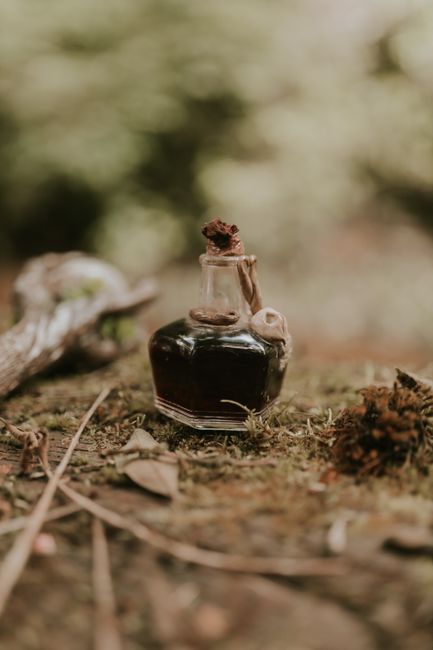
Jamu is where we begin. Think of Jamu as Bali's ancient superfood smoothie – except it's been around for centuries and is far more complex than your average green juice. It's essentially a traditional herbal medicine, crafted from a blend of roots, barks, flowers, seeds, and spices. What makes Jamu so special is that it's more than just a drink; it's a holistic approach to well-being, deeply interwoven with Balinese culture and traditions.
My first encounter with Jamu was at a local market in Ubud. The vibrant colors and earthy aromas wafting from the stalls were intoxicating. An elderly woman, her face etched with wisdom, offered me a small glass of a deep yellow liquid. "For health," she smiled, her eyes crinkling at the corners. I hesitantly took a sip, bracing myself for something bitter or strange. What I experienced was a surprisingly complex and nuanced flavor. There was warmth from ginger and turmeric, a subtle sweetness, and an underlying earthiness that grounded the whole experience. It was unlike anything I'd ever tasted.
The beauty of Jamu is that there's no single recipe. Each concoction is unique, tailored to specific needs and preferences. Some are designed to boost energy, others to soothe a sore throat, and still others to enhance beauty or even aid in fertility. The specific blend depends on the ingredients available and the knowledge of the "pembuat jamu" (Jamu maker). These artisans often pass down their recipes and knowledge through generations, preserving this ancient tradition.
Common Ingredients and Their Benefits
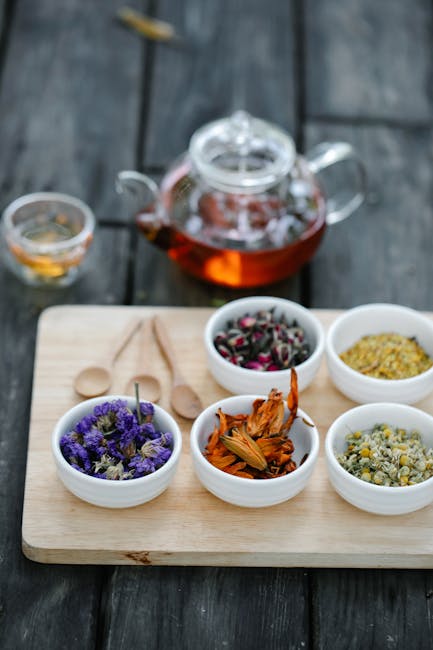
Let's dive into some of the most common ingredients you'll find in Balinese Jamu and what they're believed to do:
- Turmeric (Kunyit): This golden spice is a powerhouse of antioxidants and anti-inflammatory compounds. It's often used to boost immunity, improve digestion, and brighten the skin.
- Ginger (Jahe): Ginger is a warming spice that helps with digestion, nausea, and inflammation. It's also believed to have antiviral properties.
- Galangal (Lengkuas): Related to ginger, galangal has a slightly more peppery and citrusy flavor. It's used to relieve muscle pain, improve circulation, and boost the immune system.
- Kencur (Aromatic Ginger): Kencur has a unique camphor-like aroma and flavor. It's often used to soothe sore throats, coughs, and digestive issues.
- Temulawak (Java Ginger): Temulawak is known for its liver-protecting and digestive properties. It's also used to boost appetite and energy levels.
- Lemongrass (Sereh): Lemongrass adds a refreshing citrusy note to Jamu. It's believed to have antibacterial and antifungal properties, and it can also help to relieve anxiety and stress.
- Tamarind (Asam Jawa): Tamarind adds a tangy and slightly sweet flavor. It's rich in antioxidants and vitamin C, and it's used to improve digestion and lower cholesterol.
- Honey (Madu): Honey is often added to sweeten Jamu and provide additional health benefits. It's a natural antioxidant and antibacterial agent.
Types of Jamu You Might Encounter in Bali

Here are a few popular Jamu variations you might come across during your travels:
- Kunyit Asam (Turmeric and Tamarind): This is perhaps the most common type of Jamu. It's known for its bright yellow color and tangy-sweet flavor. It's believed to have numerous health benefits, including reducing inflammation, boosting immunity, and improving skin health.
- Beras Kencur (Rice and Aromatic Ginger): This Jamu is made with rice, kencur, ginger, and other spices. It has a creamy texture and a slightly sweet and spicy flavor. It's often used to relieve sore throats, coughs, and digestive problems.
- Galian Singset (Slimming Jamu): This type of Jamu is specifically designed to help with weight loss. It typically contains ingredients like ginger, turmeric, and lemongrass, which are believed to boost metabolism and suppress appetite.
- Jamu Kuat (Strength Jamu): This Jamu is made with herbs and spices believed to enhance stamina and vitality. It's often consumed by men to improve their energy levels and libido.
The taste of Jamu can be quite strong and earthy, especially for those not accustomed to it. If you're new to Jamu, I recommend starting with a milder variety like Kunyit Asam and gradually exploring other flavors as you become more accustomed to the taste. Don't be afraid to ask the Jamu maker about the ingredients and benefits of each concoction. They're usually more than happy to share their knowledge and passion for this traditional medicine.
One thing I learned is that drinking Jamu is not just about consuming a beverage; it's about connecting with Balinese culture and tradition. It's about slowing down, appreciating the simple things in life, and nourishing your body with natural ingredients. It's a reminder that health and well-being are not just about modern medicine, but also about embracing the wisdom of the past.
Brem: The Sweet and Effervescent Rice Wine Cake

Now, let's move on to something a bit sweeter and perhaps slightly more intoxicating: Brem. While Jamu focuses on health and wellness, Brem is more about celebration and indulgence. It's a unique fermented rice wine that's often described as a sweet, effervescent rice cake. Yes, you read that right – rice cake!
Brem is made from glutinous rice that's fermented with a special type of yeast. The fermentation process transforms the starches in the rice into sugars and alcohol. After fermentation, the liquid is filtered and then carefully dried into solid cakes. These cakes have a light, almost powdery texture and a distinctive sweet and slightly sour flavor. The alcohol content is relatively low, usually around 5-14%, making it a mild and enjoyable beverage.
My introduction to Brem was quite memorable. I was attending a traditional Balinese dance performance in a small village. After the performance, the villagers offered us Brem to celebrate. The cakes were served on small plates, and we were instructed to take a bite and let it slowly dissolve in our mouths. The initial taste was surprisingly sweet, almost like candy. But as it dissolved, a subtle fizziness emerged, followed by a mild alcoholic warmth. It was a truly unique and delightful experience.
The Brem Making Process
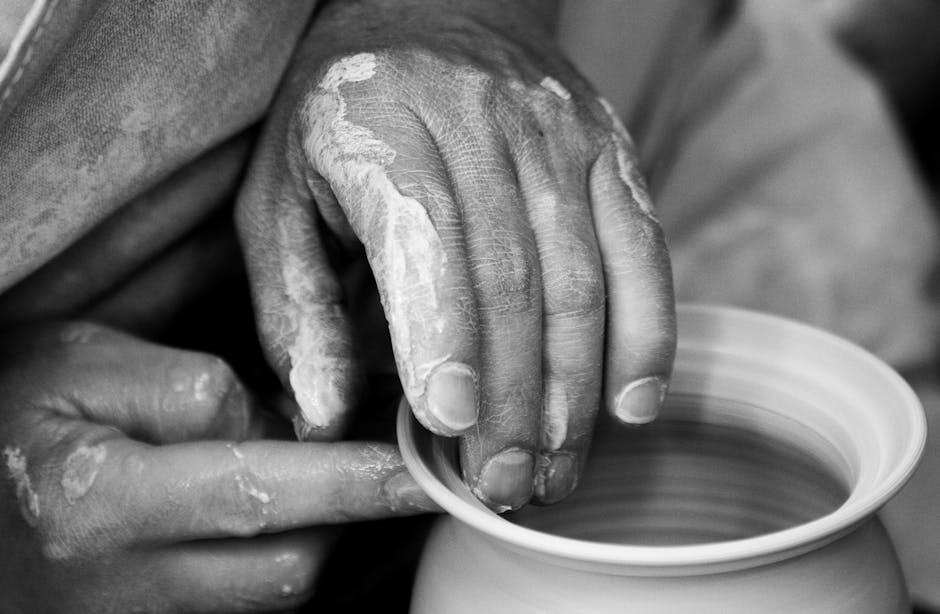
The process of making Brem is quite complex and requires a great deal of skill and patience. Here's a simplified overview of the process:
- Rice Preparation: The process begins with selecting high-quality glutinous rice. The rice is washed thoroughly and then steamed until it's cooked but still slightly firm.
- Inoculation: After the rice has cooled, it's inoculated with a special type of yeast called "ragi." Ragi contains a mix of microorganisms, including yeasts and molds, that are essential for fermentation.
- Fermentation: The inoculated rice is then placed in large containers and left to ferment for several days, or even weeks. During this time, the yeast converts the starches in the rice into sugars and alcohol.
- Filtering: Once the fermentation is complete, the liquid is carefully filtered to remove any solid particles.
- Drying: The filtered liquid is then poured into shallow trays and left to dry in the sun or in a special drying room. As the liquid evaporates, it leaves behind a solid cake of Brem.
- Packaging: The dried Brem cakes are then cut into smaller pieces and packaged for sale.
Where to Find Brem in Bali

Brem is widely available throughout Bali, particularly in areas known for its production, such as the Tabanan regency. You can find it in local markets, souvenir shops, and even some supermarkets. It's often sold in brightly colored packages, making it easy to spot. Look for brands that are locally produced and have a good reputation for quality.
While Brem is often enjoyed on its own, it can also be used in desserts and other culinary creations. Some chefs use it to add a unique flavor to cakes, ice cream, and even savory dishes. It's a versatile ingredient that can add a touch of Balinese sweetness to any recipe.
Brem, to me, is more than just a sweet treat; it's a symbol of Balinese hospitality and celebration. It's a reminder that life is meant to be enjoyed, and that even the simplest pleasures can be incredibly satisfying. It's a taste of Bali that you can take with you long after you've left its shores.
Arak: Bali's Fiery Spirit

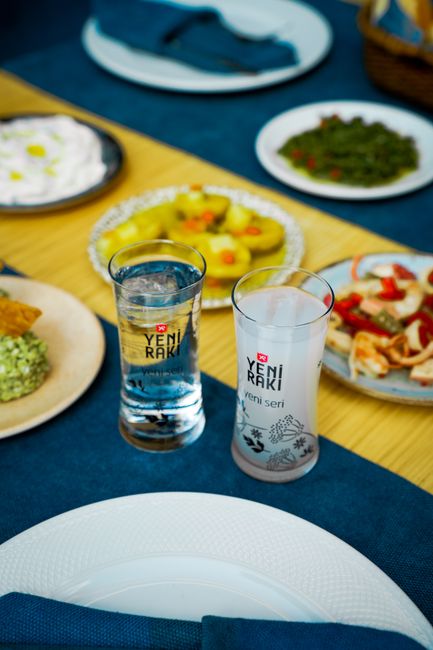
Finally, let's talk about Arak, Bali's potent and sometimes controversial spirit. Arak is a distilled alcoholic beverage made from fermented rice, coconut palm sap, or other local ingredients. It's a strong drink, typically with an alcohol content ranging from 30% to 50%, and it's deeply ingrained in Balinese culture and traditions.
My first experience with Arak was at a traditional Balinese ceremony. The village elders offered us a small glass of the clear liquid. They emphasized that Arak is not just a drink but a sacred offering to the gods. We were instructed to sip it slowly, savoring the flavor and respecting its significance. The taste was strong and fiery, with a distinct hint of anise. It was definitely not for the faint of heart!
Arak plays a vital role in Balinese religious ceremonies and social gatherings. It's often used as an offering to the gods and ancestors, and it's also consumed during celebrations and festivals. The process of making Arak is often passed down through generations, and it's considered a skilled craft.
The Arak Distillation Process

The traditional method of making Arak is quite simple, but it requires careful attention to detail. Here's a basic overview of the process:
- Fermentation: The process begins with fermenting rice, coconut palm sap, or other suitable ingredients. The fermentation process can take several days or even weeks, depending on the ingredients and the desired strength of the Arak.
- Distillation: Once the fermentation is complete, the liquid is distilled using a traditional still. The still typically consists of a large pot heated over a fire, with a condenser to collect the evaporated alcohol.
- Collection: The distilled Arak is collected in a separate container. The first batch of Arak that comes out of the still is usually the strongest and is known as "kepala" (head). The subsequent batches are weaker and are known as "badan" (body) and "ekor" (tail).
- Dilution: The Arak is then diluted with water to achieve the desired alcohol content.
- Aging (Optional): Some Arak is aged in wooden barrels to improve its flavor and smoothness.
The Dark Side of Arak and Safety Precautions

Unfortunately, Arak has also been associated with safety concerns. There have been cases of methanol poisoning caused by improperly distilled or adulterated Arak. Methanol is a toxic alcohol that can cause blindness, organ damage, and even death. It's essential to be cautious when consuming Arak and to ensure that it comes from a reputable source.
Here are some important safety precautions to keep in mind:
- Buy from Reputable Sources: Only purchase Arak from established businesses or trusted local producers. Avoid buying Arak from street vendors or unverified sources.
- Check the Label: Look for labels that clearly indicate the ingredients and alcohol content. Be wary of Arak that is suspiciously cheap or has a cloudy appearance.
- Drink in Moderation: Arak is a strong spirit, so it's important to drink it in moderation. Avoid mixing Arak with other alcoholic beverages.
- Know the Signs of Methanol Poisoning: Be aware of the symptoms of methanol poisoning, which can include headache, dizziness, nausea, vomiting, blurred vision, and seizures. Seek medical attention immediately if you experience any of these symptoms after consuming Arak.
I strongly advise seeking Arak from established businesses that adhere to safety standards. Many reputable distilleries now produce Arak that is safe and enjoyable to consume. These distilleries often use modern techniques to ensure the quality and purity of their product.
Arak Cocktails and Culinary Uses
Despite the safety concerns, Arak is still a popular ingredient in cocktails and culinary creations in Bali. Many bars and restaurants use Arak to create unique and flavorful drinks. It's often mixed with fruit juices, spices, and other ingredients to create refreshing and exotic cocktails.
Arak can also be used in cooking to add a unique flavor to dishes. It's often used in marinades, sauces, and desserts. Just be sure to use it sparingly, as its strong flavor can easily overpower other ingredients.
For me, Arak represents the duality of Bali – the sacred and the profane, the traditional and the modern. It's a reminder that even the most deeply rooted traditions can be subject to challenges and controversies. It's a drink that demands respect, both for its cultural significance and its potential risks.
Beyond the Drinks: Connecting with Balinese Culture

Ultimately, experiencing Jamu, Brem, and Arak is about more than just tasting different beverages. It's about connecting with Balinese culture and tradition. It's about learning about the history, beliefs, and values of the Balinese people.
I've found that the best way to truly appreciate these drinks is to learn about their origins and significance. Talk to the people who make them, ask them about their stories, and listen to their wisdom. You'll discover that these drinks are not just commodities but living expressions of Balinese culture.
When you try Jamu, Brem, or Arak, take a moment to savor the experience. Close your eyes, breathe in the aroma, and let the flavors dance on your tongue. Think about the people who created these drinks, the traditions that they represent, and the stories that they tell. And remember, drink responsibly and with respect for the local culture.
Bringing Bali Home: Making Your Own Versions

If you're feeling adventurous, you can even try making your own versions of Jamu, Brem, or Arak at home. There are many recipes available online, but be sure to do your research and follow safety guidelines. Keep in mind that the homemade versions may not taste exactly like the ones you find in Bali, but they can still be a fun and rewarding way to connect with Balinese culture.
For Jamu, start with simple recipes like Kunyit Asam and gradually experiment with other ingredients. For Brem, you'll need to source glutinous rice and ragi, which can be found at some Asian grocery stores. Making Arak at home is more challenging and potentially dangerous, so I recommend leaving that to the professionals.
No matter how you choose to experience Jamu, Brem, and Arak, I hope that you'll approach them with curiosity, respect, and an open mind. These drinks are more than just beverages; they're gateways to a deeper understanding of Balinese culture and tradition. They're a taste of Bali that you can carry with you long after you've left its shores. So, go ahead, take a sip, and let the journey begin!
Safe travels and cheers to your Balinese adventure!
Post a Comment