Understanding Balinese Culture: A Traveler's Guide to Respecting Local Customs

Understanding Balinese Culture: A Traveler's Guide to Respecting Local Customs
Hey there, fellow traveler! Planning a trip to Bali? Awesome! You're in for a treat. Bali isn't just a postcard-perfect island with stunning beaches and lush landscapes; it's a place steeped in rich culture and ancient traditions. Trust me, immersing yourself in Balinese culture is what truly elevates your experience from a simple vacation to an unforgettable journey. But, and this is a big but, to truly enjoy Bali, it's crucial to understand and respect the local customs. It's not just about ticking off temples from your itinerary; it's about connecting with the heart and soul of the island. So, grab a virtual Bintang, and let's dive in!
Why Understanding Balinese Culture Matters

Okay, picture this: you're a guest in someone's home. You wouldn't just barge in, rearrange their furniture, and start blasting your favorite music, right? Of course not! That's because you understand basic etiquette and respect for their space. Traveling to Bali is similar. The island is a living, breathing cultural ecosystem. Balinese culture is deeply intertwined with Hinduism, animism, and ancestor worship. The Balinese aren't just following random rules; their customs are born from centuries of deeply held beliefs.
When you demonstrate respect for Balinese traditions, you're not just being polite; you're showing that you value their way of life. This opens doors to genuine interactions, allows you to witness authentic ceremonies, and helps you forge a deeper connection with the local people. Plus, let's be honest, respecting local customs makes you a better traveler, contributing positively to the local economy and minimizing any negative impact your visit might have. It's a win-win!
The Core of Balinese Culture: Tri Hita Karana
To understand Balinese culture, you need to know about "Tri Hita Karana," the Balinese philosophy of harmony. It's basically the secret sauce that binds everything together. Tri Hita Karana translates to "three causes of well-being" or "three sources of prosperity." These three causes are:
- Parahyangan: Harmony with God (or the Divine). This is reflected in the countless temples (pura) dotting the landscape, the daily offerings (canang sari), and the elaborate religious ceremonies.
- Pawongan: Harmony with fellow humans. This emphasizes community, cooperation (gotong royong), and maintaining positive relationships.
- Palemahan: Harmony with nature. This underscores the importance of preserving the environment, respecting the land, and living in balance with the natural world.
These three principles are interconnected and equally important. They influence every aspect of Balinese life, from agriculture and art to social interactions and family relationships. Keep Tri Hita Karana in mind, and you'll have a solid foundation for understanding and appreciating Balinese culture.
Essential Etiquette Tips for Travelers

Alright, let's get down to the nitty-gritty. Here's a practical guide to essential etiquette tips to help you navigate Balinese culture with grace and respect:
1. Dress Respectfully, Especially at Temples
This is a big one! Temples are sacred places, and the way you dress sends a message of respect (or disrespect). Here are some key guidelines:
Cover your shoulders and knees: Singlets, tank tops, short shorts, and mini-skirts are generally a no-go. A sarong (a traditional Balinese cloth) and a sash are usually required to enter a temple. Many temples offer these for rent or loan at the entrance, but it's always a good idea to bring your own, just in case. You can easily buy a sarong in most tourist areas. Look for beautiful batik patterns or vibrant colors!
Avoid wearing swimwear: Seriously, don't even think about it. Temples are not beaches.
Remove your shoes: Before entering the inner courtyard of a temple, remove your shoes. It's considered impolite to wear shoes in these sacred areas.
During menstruation: Women who are menstruating are traditionally not allowed to enter temples. This is because menstruation is considered impure in Balinese Hinduism. While this is less strictly enforced in tourist-frequented temples, it's still a good idea to be mindful of this tradition.
2. Be Mindful of Public Displays of Affection
While Bali is a popular honeymoon destination, public displays of affection (PDA) are generally frowned upon. Holding hands is usually fine, but avoid excessive kissing or hugging in public places, especially near temples or during ceremonies. Balinese culture values modesty and restraint, so keep the romance private.
3. Use Your Right Hand
In Balinese culture, the left hand is considered unclean, as it's traditionally used for personal hygiene. Therefore, always use your right hand for giving and receiving objects, eating, and pointing. If you absolutely need to use your left hand, for example, if your right hand is injured, apologize politely beforehand.
4. Respect Religious Offerings
You'll see small, beautifully crafted offerings (canang sari) everywhere in Bali – on sidewalks, in shops, in temples, and even on the beach. These offerings are made daily to appease the spirits and maintain harmony. Be careful not to step on them! It's considered extremely disrespectful. Also, avoid touching or disturbing the offerings in any way.
5. Don't Point with Your Finger
Pointing with your finger is considered rude in Balinese culture. Instead, use your thumb to indicate direction or show respect.
6. Learn a Few Basic Phrases
Even a few simple phrases in Balinese can go a long way in showing respect and appreciation. Here are a few to get you started:
Om Swastiastu: (Pronounced "Om Su-asti-astu") This is a common greeting, meaning "May peace be with you."
Suksma: (Pronounced "Suk-sma") Thank you.
Matur Suksma: (Pronounced "Ma-tur Suk-sma") Thank you very much.
Nggih: (Pronounced "Ng-gih") Yes (a polite form of yes).
Tidak: (Pronounced "Tee-dak") No.
Permisi: (Pronounced "Pur-mee-see") Excuse me.
Even if you mispronounce them (which you probably will!), the effort will be greatly appreciated.
7. Be Aware of Head Placement
In Balinese culture, the head is considered the most sacred part of the body, while the feet are considered the least. Therefore, avoid touching anyone's head, even children. Also, be mindful of the direction your feet are pointing, especially when sitting in a temple or in front of someone. Avoid pointing your feet directly at a person or a sacred object.
8. Maintain a Calm and Respectful Demeanor
The Balinese value peace and harmony, so avoid raising your voice or getting into arguments in public. Maintain a calm and respectful demeanor, even if you're feeling frustrated or annoyed. Patience and understanding are key.
9. Bargaining Etiquette
Bargaining is common in markets and some shops in Bali, but it's important to do it respectfully. Start with a fair offer, be polite, and don't get aggressive. Remember, these people are trying to make a living. A little goes a long way. A smile and a friendly attitude can often get you a better price than a hard-nosed negotiation.
10. Be Respectful of Ceremonies
You're likely to encounter ceremonies during your stay in Bali, as they are an integral part of Balinese life. If you happen upon a ceremony, observe from a respectful distance. Avoid blocking the procession or getting in the way. If you want to take photos, ask for permission first. Dress respectfully and remain quiet and unobtrusive.
11. Be Mindful of Environmental Impact
Bali is a beautiful island, but it's facing environmental challenges due to tourism. Be mindful of your environmental impact by:
Reducing your plastic consumption: Bring a reusable water bottle and shopping bag.
Choosing eco-friendly accommodations and tours: Support businesses that prioritize sustainability.
Respecting the natural environment: Avoid littering, damaging coral reefs, or disturbing wildlife.
12. Learn About the Caste System
The Balinese caste system, though less rigid than in India, still plays a role in social interactions. While it's unlikely to directly affect your interactions as a tourist, it's helpful to be aware of it. There are four main castes: Brahmana (priests), Satria (nobility), Wesia (merchants), and Sudra (commoners). You might hear people referred to by their caste titles, such as "Ida Bagus" (Brahmana male) or "Gusti" (Satria). Knowing this will give you a little more insight into the social structure.
Navigating Temple Visits: A Deeper Dive
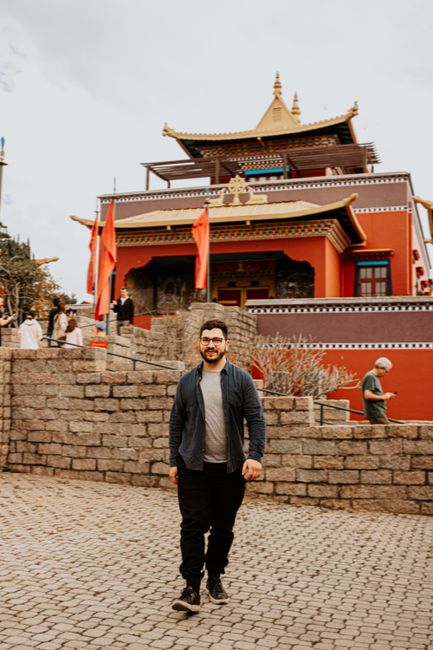
Visiting temples is a must-do in Bali. But beyond just snapping photos, understanding temple etiquette is crucial for a respectful and enriching experience. Here's a more detailed look:
Understanding the Structure of a Balinese Temple (Pura)
Most Balinese temples follow a similar layout, based on the concept of "Tri Mandala" (three zones):
- Nista Mandala (Outer Sanctum): This is the outermost area of the temple, often used for preparing offerings and accommodating visitors.
- Madya Mandala (Middle Sanctum): This is the middle area of the temple, often used for gatherings, dances, and performances.
- Utama Mandala (Inner Sanctum): This is the most sacred area of the temple, where the main shrines and deities are located. Only those who are dressed appropriately and have a specific purpose are allowed to enter this area.
Specific Temple Etiquette Considerations
Ask for Permission Before Taking Photos: While photography is generally allowed in temples, it's always polite to ask for permission before taking photos of people, especially during ceremonies.
Be Quiet and Respectful: Temples are places of worship, so maintain a quiet and respectful demeanor. Avoid loud talking, laughing, or running around.
Don't Stand Higher Than the Priest: During ceremonies, priests (pemangku) often sit on elevated platforms. Avoid standing higher than the priest, as it's considered disrespectful.
Don't Enter the Temple If You Are Sick: If you are feeling unwell, it's best to avoid entering the temple, as sickness is considered impure.
Avoid Physical Contact with Temple Structures: Refrain from touching or leaning on temple walls, shrines, or statues.
Engaging with Local Communities Respectfully

One of the most rewarding aspects of traveling in Bali is the opportunity to connect with local communities. Here's how to do it respectfully:
Support Local Businesses
Whenever possible, support local businesses, such as family-run restaurants (warungs), traditional craft shops, and local guides. This helps to ensure that your tourism dollars directly benefit the Balinese people.
Learn About Local Traditions and Crafts
Take the time to learn about local traditions and crafts. Visit a traditional weaving village, attend a Balinese cooking class, or watch a traditional dance performance. This will not only enrich your experience but also help to preserve these cultural treasures.
Participate Responsibly in Cultural Activities
If you're invited to participate in a cultural activity, such as a ceremony or a dance, do so respectfully and with an open mind. Ask questions, listen to instructions, and follow the lead of the locals.
Avoid Cultural Appropriation
Be mindful of cultural appropriation. Avoid wearing traditional clothing or accessories in a way that is disrespectful or trivializes their cultural significance. For example, wearing a headdress or ceremonial attire without understanding its meaning is considered inappropriate.
Be a Responsible Tourist
Remember that you are a guest in Bali. Be a responsible tourist by respecting the local culture, environment, and community. Leave no trace, support local businesses, and be mindful of your impact.
Common Cultural Misconceptions About Bali
It's easy to fall prey to misconceptions about a culture you're unfamiliar with. Let's bust a few common myths about Bali:
Myth: Bali is just a party island. While Bali does have a vibrant nightlife scene, it's also a deeply spiritual and cultural place. Don't let the beach clubs and tourist traps overshadow the rich traditions and stunning natural beauty.
Myth: The Balinese are always happy and smiling. While the Balinese are generally known for their warmth and hospitality, it's important to remember that they are human beings with a full range of emotions. Don't expect them to be perpetually cheerful. They also face challenges and hardships like anyone else.
Myth: Everything is cheap in Bali. While Bali can be a budget-friendly destination, prices have been rising in recent years, especially in tourist areas. Be prepared to pay fair prices for goods and services, and avoid trying to haggle excessively.
Myth: All Balinese people speak English fluently. While many Balinese people in tourist areas speak English to some extent, it's not their native language. Don't assume that everyone will understand you perfectly. Be patient and try to communicate clearly.
Embracing the Spirit of Bali

Ultimately, understanding Balinese culture is about more than just following a set of rules. It's about embracing the spirit of the island – the spirit of harmony, respect, and connection. By approaching your travels with an open mind and a willingness to learn, you'll not only have a more enriching experience but also contribute to the preservation of Bali's unique and precious culture.
So, go ahead, book that flight, pack your bags, and prepare to be amazed by the beauty and magic of Bali. Just remember to be a respectful and responsible traveler, and you'll be rewarded with an unforgettable journey that will stay with you long after you've left the island. Selamat Jalan (safe travels)! And don't forget to try the nasi goreng!
Post a Comment