Balinese Cooking Class: A Hands-On Culinary Journey to Paradise in Your Kitchen

Balinese Cooking Class: A Hands-On Culinary Journey to Paradise in Your Kitchen
Picture this: the warm Balinese sun kissing your skin, the fragrant aroma of exotic spices swirling in the air, and the rhythmic clatter of knives against wooden chopping boards. You're not just a tourist; you're an active participant in the vibrant culinary tapestry of Bali. This isn't just another vacation activity; it's a Balinese cooking class – a hands-on journey that will transport you to the heart of Balinese culture, one delicious bite at a time. I've taken a few, and trust me, they are absolutely transformative!
Why Choose a Balinese Cooking Class? It's More Than Just Food!

Okay, so you might be thinking, "Why spend a day cooking when I could be lounging on the beach?" That's a fair question! But let me tell you why a Balinese cooking class is so much more than just learning to whip up a few dishes:
1. Immerse Yourself in the Culture: Food is intrinsically linked to culture. A cooking class offers a deeper understanding of Balinese traditions, customs, and beliefs. You'll learn about the significance of ingredients, cooking techniques passed down through generations, and the role food plays in Balinese ceremonies and daily life. It's a shortcut to connecting with the soul of the island.
2. Unlock Culinary Secrets: Forget bland hotel food! You'll discover the secrets behind those vibrant, complex flavors you've been craving. From learning to make your own spice paste (bumbu) to mastering traditional cooking methods like steaming in banana leaves, you'll gain skills you can use to recreate authentic Balinese dishes back home.
3. Support Local Communities: Many cooking classes are run by local families or small businesses. By participating, you're directly contributing to the local economy and supporting sustainable tourism. You're not just a tourist; you're a responsible traveler.
4. It's Incredibly Fun and Engaging: Let's face it; learning by doing is always more fun. A hands-on cooking class is an interactive experience that will keep you engaged from start to finish. You'll be chopping, grinding, stirring, and tasting your way to culinary mastery (or at least, a decent approximation of it!).
5. Delicious Souvenirs: Okay, maybe you can't pack the entire island in your suitcase. But you can take home the knowledge and skills to recreate those amazing Balinese flavors whenever you want. Your newfound culinary expertise will be a constant reminder of your incredible journey.
What to Expect: A Typical Balinese Cooking Class Experience
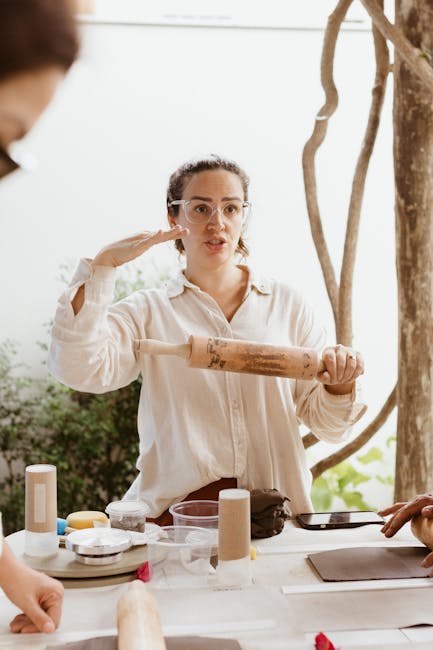
Each cooking class is unique, but here's a general overview of what you can expect on your culinary adventure. Keep in mind that it can be adapted to your tastes and abilities; for instance, vegan, vegetarian, or gluten-free cooking classes are available.
1. Morning Market Visit (Optional but Highly Recommended): Many classes start with a trip to a local market. This is an amazing opportunity to witness the vibrant colors, exotic smells, and bustling atmosphere of a traditional Balinese market. You'll learn about the fresh produce, spices, and other ingredients that are essential to Balinese cuisine. Don't be afraid to haggle – it's part of the fun! It's fascinating to see the array of ingredients you'll soon be cooking with.
2. Introduction to Balinese Cuisine: Back at the cooking school (often a beautiful open-air kitchen), you'll receive an introduction to Balinese cuisine. The instructor will explain the key ingredients, cooking techniques, and flavor profiles that define the region's culinary identity. You'll learn about the importance of balance (sweet, sour, salty, bitter, and umami) and the significance of spices in Balinese cooking.
3. Hands-On Cooking Session: This is where the magic happens! You'll work alongside the instructor and other participants to prepare a variety of dishes, from appetizers to desserts. You'll learn to:
a. Make Bumbu (Spice Paste): Bumbu is the heart and soul of Balinese cuisine. You'll learn to grind and blend a variety of spices, including chilies, ginger, garlic, turmeric, galangal, and kencur, to create flavorful spice pastes. Each dish has its own unique bumbu composition.
b. Prepare Traditional Dishes: You'll learn to cook a range of classic Balinese dishes, such as:
i. Nasi Goreng (Fried Rice): The quintessential Indonesian dish, with a Balinese twist.
ii. Mie Goreng (Fried Noodles): Another Indonesian staple, equally delicious.
iii. Gado-Gado (Vegetable Salad with Peanut Sauce): A refreshing and flavorful salad with a rich peanut sauce.
iv. Sate Lilit (Minced Fish Satay): A unique and flavorful satay made with minced fish, coconut, and spices.
v. Lawar (Minced Meat with Vegetables and Coconut): A traditional Balinese dish often served during ceremonies.
vi. Pepes Ikan (Steamed Fish in Banana Leaves): A flavorful and aromatic dish cooked in banana leaves.
vii. Urab (Mixed Vegetables with Grated Coconut): A light and healthy side dish.
viii. Bubuh Injin (Black Rice Pudding): A sweet and creamy dessert.
c. Master Cooking Techniques: You'll learn to stir-fry, steam, grill, and bake using traditional Balinese methods.
4. Lunch or Dinner Feast: After all that hard work, it's time to enjoy the fruits (and vegetables and meats!) of your labor. You'll sit down to a delicious feast of the dishes you've prepared, sharing stories and laughter with your fellow cooks. It's a truly rewarding experience to savor the flavors you've created with your own hands. This is usually a shared experience, where everyone gets to sample everything.
5. Recipe Book and Certificate: Most cooking classes provide you with a recipe book containing all the recipes you've learned, so you can recreate the magic back home. Some even offer a certificate of completion, a fun memento of your culinary adventure.
Choosing the Right Balinese Cooking Class for You

With so many cooking classes available in Bali, how do you choose the right one for you? Here are a few factors to consider:
1. Location: Bali is a relatively small island, but it's diverse. Do you want to take a class in Ubud, the cultural heart of Bali, surrounded by rice paddies and art galleries? Or would you prefer a coastal class in Seminyak or Canggu, with easy access to the beach? Consider the location and its proximity to your accommodation and other activities.
2. Class Size: Do you prefer a small, intimate setting with personalized attention, or a larger, more social group? Class sizes vary, so check before you book. I personally prefer smaller classes for a more hands-on experience and the chance to ask more questions.
3. Menu: What kind of dishes do you want to learn to cook? Some classes focus on specific regional cuisines or dietary requirements. Make sure the menu aligns with your interests and preferences. Look for classes that offer a variety of dishes and incorporate local ingredients.
4. Instructor: The instructor can make or break the experience. Look for classes with experienced and knowledgeable instructors who are passionate about Balinese cuisine and culture. Read reviews and ask questions to get a sense of the instructor's teaching style and personality. A good instructor will not only teach you how to cook, but also share their personal stories and insights into Balinese culture.
5. Price: Cooking class prices vary depending on the location, menu, and duration. Compare prices and read reviews to ensure you're getting good value for your money. Don't necessarily go for the cheapest option; sometimes, you get what you pay for. Consider the included extras, such as the market visit, recipe book, and certificate.
6. Reviews and Recommendations: Check online reviews on platforms like TripAdvisor, Google Reviews, and travel blogs to get a sense of other people's experiences. Ask for recommendations from friends, family, or fellow travelers who have taken cooking classes in Bali. Personal recommendations are often the most reliable.
Essential Tips for a Successful Balinese Cooking Class

To make the most of your Balinese cooking class, here are a few essential tips:
1. Book in Advance: Popular cooking classes fill up quickly, especially during peak season. Book your class in advance to avoid disappointment. Many classes offer online booking, which is convenient and allows you to secure your spot.
2. Wear Comfortable Clothing and Shoes: You'll be on your feet for several hours, so wear comfortable clothing and shoes that you don't mind getting a little dirty. An apron will usually be provided, but it's always a good idea to wear clothes that you're comfortable working in.
3. Be Prepared to Get Your Hands Dirty: This is a hands-on experience, so be prepared to get your hands dirty! You'll be chopping, grinding, stirring, and kneading, so don't be afraid to dive in and get involved. That's part of the fun!
4. Ask Questions: Don't be afraid to ask questions! The instructors are there to help you learn, so take advantage of their expertise. Ask about the ingredients, cooking techniques, and cultural significance of the dishes you're preparing. There's no such thing as a stupid question.
5. Take Notes and Pictures: Take notes on the recipes and cooking techniques, so you can remember them later. Take pictures of the dishes you prepare, so you can recreate them at home. You can also use your pictures to inspire your own culinary creations.
6. Be Open to New Experiences: Balinese cuisine is unique and flavorful, so be open to trying new things. Don't be afraid to experiment with different spices and ingredients. You might discover your new favorite dish!
7. Respect the Culture: Bali is a predominantly Hindu island with a rich culture and traditions. Be respectful of the local customs and beliefs. Dress modestly when visiting temples or participating in ceremonies. Learn a few basic Indonesian phrases, such as "Terima kasih" (thank you) and "Selamat pagi" (good morning). A little respect goes a long way.
8. Have Fun! A Balinese cooking class is a fun and rewarding experience, so relax, enjoy the process, and embrace the opportunity to learn about a new culture through its cuisine.
Beyond the Cooking Class: Continuing Your Culinary Journey

Your Balinese cooking class is just the beginning of your culinary journey. Here are a few ways to continue exploring Balinese cuisine and culture after your class:
1. Visit Local Warungs: Warungs are small, family-run restaurants that serve authentic Balinese food at affordable prices. They're a great place to try different dishes and experience the local culinary scene. Ask your cooking class instructor for recommendations.
2. Explore Local Markets: Continue to explore local markets to discover new ingredients and spices. Talk to the vendors and learn about their products. Don't be afraid to try new things.
3. Read Cookbooks and Watch Cooking Shows: There are many cookbooks and cooking shows dedicated to Balinese cuisine. These are great resources for learning new recipes and techniques. Some of my favorites are by Janet De Neefe.
4. Experiment in Your Own Kitchen: Don't be afraid to experiment with Balinese flavors in your own kitchen. Start with the recipes you learned in your cooking class and gradually expand your repertoire. Invite friends and family to enjoy your culinary creations.
5. Share Your Experience: Share your experience with others! Tell your friends and family about your Balinese cooking class and encourage them to try it too. Share your recipes and cooking tips on social media. Spread the love of Balinese cuisine!
My Personal Experiences: A Few Stories from the Kitchen
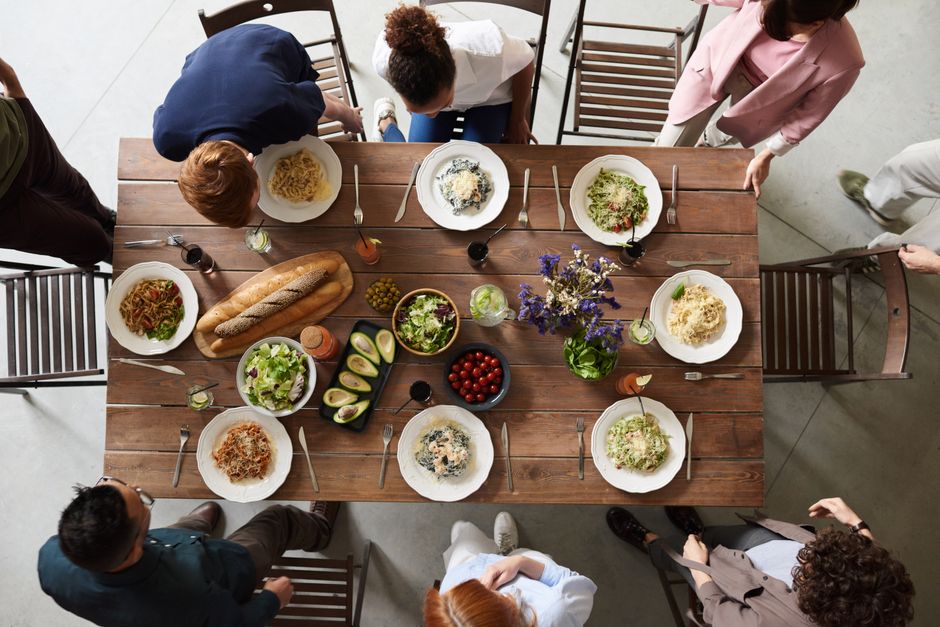
I've had the pleasure of taking a few Balinese cooking classes over the years, and each one has been a unique and memorable experience. Let me share a couple of my favorite stories:
1. The Market Adventure: During one class in Ubud, we visited a bustling morning market. I was immediately overwhelmed by the sheer variety of sights, smells, and sounds. Our instructor, a kind and patient woman named Ibu Made, guided us through the maze of stalls, explaining the different ingredients and their uses. I was particularly fascinated by the various chilies, each with its own unique flavor and level of heat. Ibu Made showed me how to identify the freshest produce and taught me the art of haggling. It was an eye-opening experience that gave me a whole new appreciation for the ingredients that go into Balinese cuisine.
2. The Spice Paste Challenge: Making bumbu is definitely the most challenging part of a Balinese cooking class. It requires a lot of chopping, grinding, and blending, and it can be quite messy! During one class, I struggled to grind the spices finely enough, and my bumbu ended up being a bit lumpy. Ibu Made, with a smile, showed me a trick using a stone mortar and pestle to achieve the perfect consistency. She also explained the importance of using fresh, high-quality spices. With her guidance, I eventually mastered the art of making bumbu, and the resulting dishes were incredibly flavorful.
3. The Shared Feast: The best part of any Balinese cooking class is the shared feast at the end. It's a time to relax, socialize, and savor the flavors of the dishes you've prepared. I've met some amazing people in cooking classes, from fellow travelers to local chefs. Sharing stories and laughter over a delicious meal is a truly special experience. It's a reminder that food is a universal language that can bring people together.
Conclusion: A Taste of Paradise You Can Take Home

A Balinese cooking class is more than just a cooking lesson; it's a cultural immersion, a culinary adventure, and a chance to connect with the heart and soul of Bali. It's a unique and rewarding experience that will leave you with newfound skills, delicious memories, and a taste of paradise you can take home with you. So, the next time you're planning a trip to Bali, be sure to add a cooking class to your itinerary. You won't regret it!
From the vibrant markets to the fragrant kitchens, a Balinese cooking class is a journey for the senses, a celebration of culture, and a truly unforgettable experience. Selamat makan (enjoy your meal)!
Post a Comment