Balinese Culture: A Traveler's Guide to Customs & Etiquette for an Authentic Experience
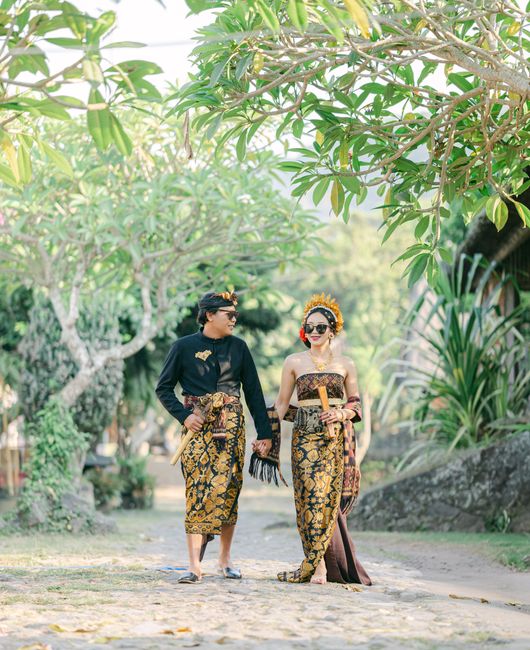
Balinese Culture: A Traveler's Guide to Customs & Etiquette for an Authentic Experience
Hey there, fellow traveler! Planning a trip to Bali? Awesome! This "Island of Gods" is truly magical, a place where vibrant culture, stunning landscapes, and warm hospitality intertwine to create an unforgettable experience. But trust me, to truly immerse yourself and show respect for this incredible place, understanding a bit about Balinese customs and etiquette goes a long way. Think of it as unlocking a secret code to a deeper, more authentic connection with the island and its people. So, grab a virtual cuppa (or maybe a Bintang beer!), and let's dive into the heart of Balinese culture, shall we?
Before You Arrive: A Little Homework Goes a Long Way

Before you even pack your bags, doing a little research is super beneficial. It's like preparing yourself for a new adventure, mentally and emotionally. Knowing a few basic things will not only help you avoid unintentional faux pas but also show the Balinese people that you value their culture and are making an effort to understand them.
Here are a few things I'd recommend looking into beforehand:
- Basic Indonesian Phrases: While many Balinese people speak English, especially in tourist areas, learning a few basic Indonesian phrases like "Terima kasih" (thank you), "Selamat pagi/siang/sore/malam" (good morning/afternoon/evening/night), and "Apa kabar?" (how are you?) will be greatly appreciated. It shows you're making an effort to connect on a more personal level.
- The Importance of Religion: Hinduism is deeply ingrained in Balinese life. Temples are everywhere, and religious ceremonies are frequent. Understanding the significance of these rituals and showing respect is crucial.
- Balinese Offerings (Canang Sari): You'll see these beautiful little offerings everywhere – on sidewalks, in shops, even on your scooter! Knowing what they are and why they're placed is important.
Entering Sacred Spaces: Temples and Religious Sites
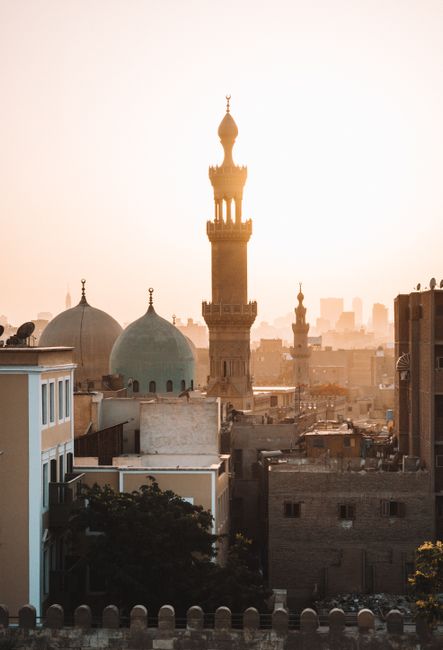
Temples in Bali, or "Pura," are incredibly sacred places. Visiting them is a must-do, but it's essential to do so with respect and awareness. I remember my first time visiting a temple; I was so blown away by the intricate carvings and serene atmosphere. But I also realized I needed to be mindful of the rules.
Here's a breakdown of temple etiquette:
- Dress Code: This is non-negotiable. You need to dress respectfully. This generally means covering your shoulders and knees. Most temples will require you to wear a sarong (a long piece of cloth wrapped around your waist) and a sash. Often, these are available for rent or borrowing at the temple entrance. If not, it's a good idea to buy your own sarong before your trip. They're inexpensive and beautiful souvenirs!
- Menstruating Women: Women who are menstruating are traditionally not allowed to enter temples. This is a cultural belief related to purity and sacredness.
- Physical Contact: Avoid touching religious statues or objects. Treat everything with reverence.
- Photography: While photography is generally allowed, be mindful and respectful. Avoid using flash photography, and don't climb on structures or pose inappropriately. Always ask for permission before taking photos of people praying or participating in ceremonies.
- Keep Noise Levels Down: Maintain a quiet and respectful demeanor. Temples are places of worship and contemplation.
- Follow Local Guidance: If there are specific rules or requests from temple staff, be sure to follow them. They are there to guide you and ensure the sanctity of the space.
The Right and Left Hands: A Matter of Purity

In Balinese culture (and many other Asian cultures), the right and left hands have different associations. The right hand is considered clean and used for eating, giving, and receiving. The left hand is traditionally associated with hygiene and is considered less clean.
Here's how this plays out in daily interactions:
- Giving and Receiving: Always use your right hand (or both hands) when giving or receiving something, whether it's money, a gift, or even food. Using your left hand can be seen as disrespectful.
- Eating: Eat with your right hand. If you're using cutlery, this isn't an issue, but if you're eating with your hands (which is common in some Balinese meals), be sure to use your right hand only.
- Pointing: Avoid pointing with your index finger, especially at people. It's considered rude. Instead, use your thumb or your whole hand.
The Head: The Holiest Part of the Body

In Balinese culture, the head is considered the most sacred part of the body, while the feet are considered the least sacred. This has implications for how you interact with people.
Keep these points in mind:
- Touching Someone's Head: Avoid touching someone's head, even children. It's considered highly disrespectful.
- Lowering Yourself: When walking past someone who is sitting, especially if they are older than you, it's polite to lower yourself slightly as a sign of respect.
- Feet: Be mindful of where you point your feet. Avoid pointing them directly at people, religious objects, or altars. When sitting on the floor, try to tuck your feet to the side or behind you.
- Stepping Over People: Never step over someone who is sitting or lying on the floor. It's considered extremely rude.
Personal Space and Physical Contact

Balinese people are generally warm and friendly, but they also value personal space. Public displays of affection (PDAs) are not common and are best avoided, especially in more traditional areas. Holding hands is generally acceptable, but kissing or hugging in public might make people uncomfortable.
Here's a quick rundown:
- Respect Personal Space: Avoid standing too close to people when talking to them.
- PDAs: Keep public displays of affection to a minimum.
- Physical Contact with Strangers: Avoid unnecessary physical contact with strangers.
Bargaining: A Delicate Art

Bargaining is common in markets and smaller shops in Bali. However, it's important to do it respectfully and with a good attitude. It's not about trying to rip someone off; it's about finding a price that's fair for both parties. I've had some hilarious and enjoyable bargaining sessions, but I always try to remember to be respectful and friendly.
Here are a few tips for successful and respectful bargaining:
- Start Low, But Not Too Low: Offer a price that's lower than what you're willing to pay, but not so low that it's insulting. A good starting point is often around 50% of the asking price.
- Be Friendly and Polite: Bargaining should be a friendly negotiation, not a confrontation. Smile, make eye contact, and be respectful.
- Be Prepared to Walk Away: If you can't agree on a price, be prepared to walk away. Sometimes, the vendor will call you back with a better offer. If not, it's not the end of the world.
- Know When to Stop: Don't haggle over small amounts. If you're only saving a few cents, it's not worth the effort or the potential offense.
- Remember the Context: Keep in mind that the person you're bargaining with is trying to make a living. Be fair and reasonable.
Tipping: A Sign of Appreciation

Tipping is not as widespread in Bali as it is in some Western countries, but it's becoming more common, especially in tourist areas. It's always appreciated for good service. If you're happy with the service you've received, leaving a small tip is a nice gesture.
Here's a general guideline:
- Restaurants: A 5-10% tip is customary for good service.
- Spas and Massage Therapists: A 10-15% tip is appreciated for a good massage or spa treatment.
- Drivers and Tour Guides: Tipping drivers and tour guides is a nice way to show your appreciation for their knowledge and service. The amount can vary depending on the length and quality of the tour.
- Porters and Hotel Staff: A small tip for porters or hotel staff who assist you with your luggage is also appreciated.
Navigating Social Interactions: Do's and Don'ts

Understanding a few basic social customs can make your interactions with Balinese people smoother and more enjoyable. Remember, respect and a genuine interest in their culture will go a long way.
Here are some key do's and don'ts:
Do's:
- Smile: A smile is universally understood and appreciated.
- Be Patient: Things may not always happen as quickly as you're used to. Be patient and understanding.
- Learn a Few Basic Indonesian Phrases: As mentioned earlier, this shows you're making an effort to connect.
- Be Respectful of Elders: Show respect for older people. Address them with honorifics like "Bapak" (father) or "Ibu" (mother).
- Ask for Permission: Always ask for permission before taking photos of people, especially during religious ceremonies.
- Dress Modestly: Even outside of temples, dressing modestly is generally appreciated.
- Accept Hospitality: If someone offers you food or drink, it's polite to accept it, even if you're not hungry or thirsty.
- Be Mindful of Your Body Language: Avoid aggressive or confrontational body language.
Don'ts:
- Lose Your Temper: Getting angry or raising your voice is considered very impolite.
- Show Disrespect for Religion: Avoid making disrespectful comments about Balinese religion or customs.
- Touch People's Heads: As mentioned earlier, this is considered highly disrespectful.
- Point with Your Index Finger: Use your thumb or your whole hand instead.
- Step Over People: Never step over someone who is sitting or lying on the floor.
- Wear Shoes Inside Homes or Temples: Always remove your shoes before entering someone's home or a temple.
- Drink Alcohol Excessively in Public: While alcohol is readily available, excessive drinking in public is frowned upon.
- Litter: Keep Bali clean by disposing of your trash properly.
Understanding Balinese Offerings (Canang Sari)
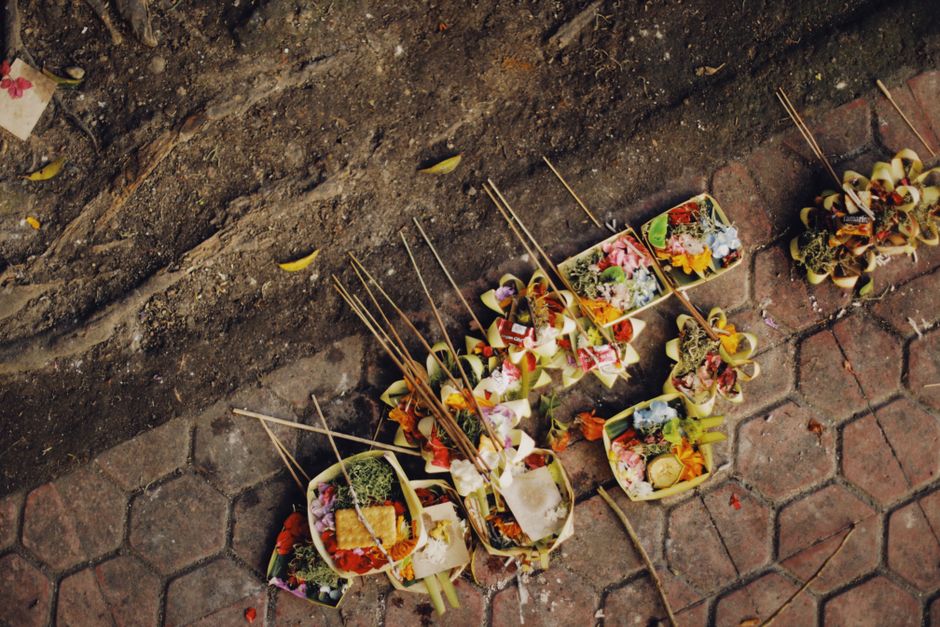
These small, beautifully arranged offerings are an integral part of Balinese daily life. You'll see them everywhere – on sidewalks, in front of shops, near temples, and even on motorcycles. Canang Sari are offerings made to the gods and spirits to express gratitude and maintain balance in the world.
Here's what you need to know:
- What They Are Made Of: Canang Sari are typically made of woven palm leaves filled with colorful flowers, rice, incense, and sometimes small snacks or money.
- Their Purpose: They are offered to the gods and spirits as a sign of respect, gratitude, and supplication. They are believed to help maintain harmony between the human and spiritual realms.
- Why They're on the Ground: Don't be alarmed if you see Canang Sari on the ground. They are meant to be placed there as offerings, and it's common for them to be stepped on or scattered after a while.
- Be Mindful of Where You Step: While it's inevitable that you'll occasionally step near or even on a Canang Sari, try to be mindful of where you're walking and avoid deliberately stepping on them.
- Don't Touch or Move Them: It's best not to touch or move Canang Sari. Leave them where they are, as they are part of a sacred ritual.
The Importance of Community (Banjar)

The concept of community, known as "Banjar," is incredibly important in Balinese society. The Banjar is a local community organization that plays a vital role in the social, religious, and economic life of the village. It's a system of mutual cooperation and support.
Here's why it's important to understand:
- Community Involvement: Balinese people are deeply involved in their Banjar, participating in meetings, ceremonies, and communal activities.
- Mutual Support: The Banjar provides a support system for its members, offering assistance in times of need, such as weddings, funerals, or illness.
- Maintaining Harmony: The Banjar plays a key role in maintaining social harmony and resolving conflicts within the community.
- Respect for the Banjar: When visiting villages or participating in local events, show respect for the Banjar and its traditions.
Embrace the Culture, Embrace the Experience

Ultimately, the key to a fulfilling and respectful trip to Bali is to embrace the culture and be open to learning. Don't be afraid to ask questions (politely, of course!), observe local customs, and try to participate in cultural activities. The more you immerse yourself in the Balinese way of life, the richer and more rewarding your experience will be.
Remember, the Balinese people are incredibly welcoming and generous. They appreciate visitors who show respect for their culture and traditions. By following these simple guidelines, you'll not only avoid unintentional offenses but also create deeper connections with the people and the island itself. So go ahead, book that flight, pack your bags, and get ready for an unforgettable adventure in the magical land of Bali!
And one last thing: Don't forget to relax, breathe in the fresh air, and enjoy the beauty that surrounds you. Bali has a way of captivating the soul, and I'm sure you'll fall in love with it just as I have. Safe travels!
Post a Comment