Dealing with Monkeys in Bali: Your Guide to Safe and Respectful Encounters

Dealing with Monkeys in Bali: Your Guide to Safe and Respectful Encounters
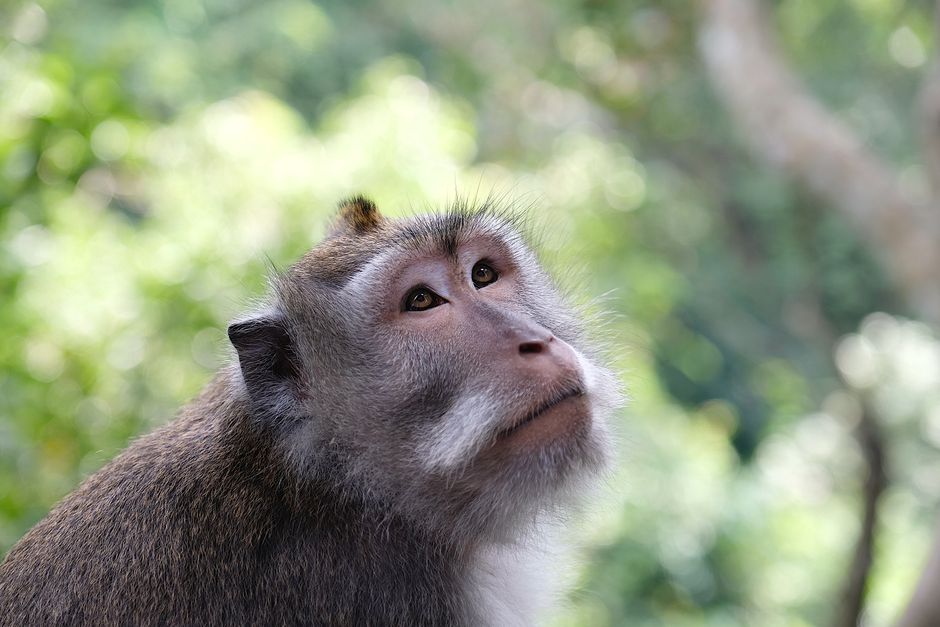
Bali, the Island of Gods, is a paradise. Lush rice paddies, stunning beaches, vibrant culture… and mischievous monkeys! These primates, particularly the Balinese long-tailed macaques, are an integral part of the island's ecosystem and cultural landscape. From sacred monkey forests to roadside encounters, you're bound to cross paths with them. But, let's be honest, these encounters can be a bit…intense, if you're not prepared. I've had my fair share of monkey moments in Bali, some hilarious, some slightly terrifying, and I'm here to share everything I've learned to help you navigate these interactions safely and respectfully.
Understanding the Balinese Macaque

First, let's get to know our little primate pals a bit better. Balinese macaques (Macaca fascicularis) are intelligent, social animals living in troops. They're not just random monkeys; they have a complex social hierarchy, and understanding this can help you anticipate their behavior. Think of them as a furry, hierarchical society with its own rules.
Key Facts About Balinese Macaques:
- Intelligence: They are incredibly smart and adept at problem-solving. They've learned to associate humans with food, which, unfortunately, has contributed to some of their opportunistic behavior.
- Social Structure: Troops are usually led by dominant males, and there's a clear pecking order within the group. Younger monkeys often test boundaries, while older ones maintain order.
- Diet: While they naturally eat fruits, nuts, leaves, and insects, they've adapted to human-provided food, which isn't always healthy for them.
- Habitat: They thrive in a variety of habitats, from forests to temples, and even venture into urban areas.
Understanding these basic facts is the first step in ensuring a positive encounter. Knowing that they're intelligent and motivated by food is crucial for preventing unwanted interactions.
Avoiding Unwanted Attention: The Golden Rules

Alright, let's get down to the nitty-gritty: how to avoid becoming a monkey target. These tips are based on my own experiences and observations, and they've saved me from countless near-monkey-business incidents.
The Cardinal Sins: What NOT to Do
- Don't make direct eye contact. To a monkey, direct eye contact can be seen as a challenge or a threat. Avoid staring directly at them, especially dominant males. I learned this the hard way when I accidentally made eye contact with a rather imposing macaque, and he promptly bared his teeth at me. Lesson learned!
- Don't smile at them. Sounds weird, right? But showing your teeth can be interpreted as aggression. It's better to keep a neutral or even slightly downcast expression.
- Don't run or chase them. This will trigger their chase instinct, and trust me, you don't want a monkey chasing you. Stay calm and walk away slowly if they approach you.
- Don't feed them. This is the most important rule of all. Feeding monkeys reinforces the association between humans and food, making them more likely to approach and even snatch items from people. Feeding them human food is also unhealthy for them.
- Don't scream or make sudden movements. Loud noises and jerky movements can startle them and cause them to react defensively.
Practical Tips for Monkey-Proofing Yourself
- Secure your belongings. Monkeys are expert thieves. Before entering monkey-populated areas, take off any loose jewelry, sunglasses, hats, and anything else that can be easily grabbed. I highly recommend using a backpack with secure zippers and keeping it closed at all times.
- Empty your pockets. Remove any food, snacks, or even wrappers from your pockets. The scent can attract monkeys from surprisingly far away.
- Be aware of your surroundings. Pay attention to where the monkeys are and avoid getting too close. Keep a safe distance, especially from mothers with babies.
- Wear appropriate clothing. Avoid wearing brightly colored clothing or anything with dangling straps or tassels, as these can attract attention.
- Consider a "monkey-proof" bag. Some travelers swear by using a simple, unappealing bag that they don't mind a monkey grabbing. The idea is to distract the monkey with the less valuable bag while keeping your valuables safe. I've never tried this myself, but I've heard it works for some.
Think of it like this: you're a guest in their home. Be respectful, non-threatening, and don't flaunt things that might be tempting to them. Prevention is always better than cure when it comes to monkey encounters.
The Sacred Monkey Forest: A Special Case

The Sacred Monkey Forest Sanctuary in Ubud is one of Bali's most popular attractions, and for good reason. It's a beautiful, ancient forest filled with temples and, of course, hundreds of monkeys. While it's a fantastic place to observe these animals in a relatively natural setting, it also presents unique challenges.
Navigating the Monkey Forest: A Step-by-Step Guide
- Follow the rules. The Monkey Forest has specific rules in place to protect both visitors and monkeys. Pay attention to the signs and follow the instructions of the staff. They're there to help ensure everyone's safety.
- Be extra cautious with your belongings. The monkeys in the Monkey Forest are particularly accustomed to humans and are therefore bolder and more opportunistic. Be even more vigilant with your belongings than you would be in other areas.
- Consider purchasing monkey food (at your own risk). The Monkey Forest allows visitors to purchase bananas to feed the monkeys. However, be aware that doing so will attract a lot of attention, and you'll likely be swarmed by monkeys. If you choose to feed them, do so responsibly and follow the instructions of the staff. Personally, I prefer to observe from a distance, but it's a matter of personal preference.
- Watch out for the baby monkeys. The mothers are fiercely protective of their young, and they will not hesitate to defend them if they feel threatened. Give them a wide berth.
- Respect the sacred sites. The Monkey Forest is not just a tourist attraction; it's also a sacred place. Be respectful of the temples and other religious sites within the forest.
My Monkey Forest Experience: A Cautionary Tale
On my first visit to the Monkey Forest, I thought I was being clever by hiding a small snack in my backpack. Big mistake! A monkey somehow detected the scent and jumped on my back, attempting to unzip my bag. I managed to stay calm and slowly walk away, but it was a terrifying experience. I learned my lesson: monkeys have an incredible sense of smell, and they're not afraid to get up close and personal to get what they want.
When Things Go Wrong: Dealing with Monkey Aggression
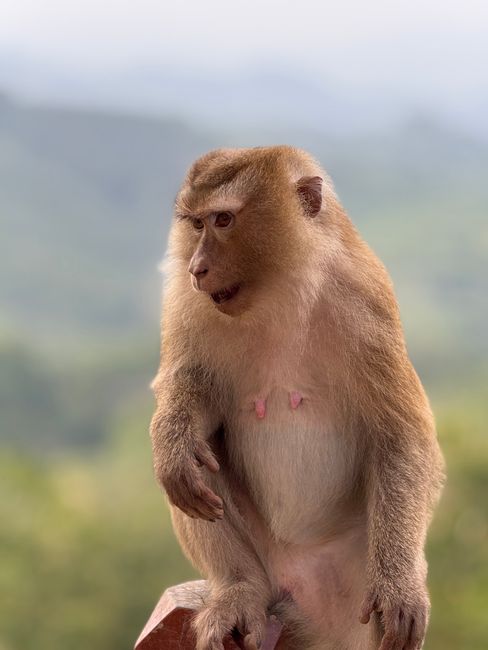
Despite your best efforts, sometimes things can go wrong. A monkey might jump on you, try to steal something, or even bite or scratch you. Here's how to handle these situations:
Monkey Attacks: What to Do in the Moment
- Stay calm. I know it's easier said than done, but panicking will only make the situation worse. Try to remain calm and avoid making sudden movements.
- Drop what they want. If a monkey is trying to steal something from you, the best thing to do is to let it go. Your safety is more important than whatever they're trying to take. Don't try to fight them for it; you'll likely get hurt.
- Back away slowly. Once they have what they want, slowly back away and give them space. Avoid making eye contact.
- Seek help if needed. If a monkey is being particularly aggressive or if you feel threatened, seek help from the staff or security personnel. They are trained to handle these situations.
Monkey Bites and Scratches: Immediate Action
If you're bitten or scratched by a monkey, it's important to take immediate action to prevent infection and rabies.
- Wash the wound thoroughly. Immediately wash the wound with soap and water for at least 15 minutes. This is the most important step in preventing infection.
- Apply antiseptic. Apply an antiseptic solution, such as iodine or alcohol, to the wound.
- Seek medical attention. Even if the bite or scratch seems minor, it's crucial to seek medical attention as soon as possible. A doctor can assess the risk of rabies and other infections and administer appropriate treatment, which typically includes a rabies vaccine and possibly immunoglobulin.
- Report the incident. Report the incident to the local authorities and to your travel insurance company.
Rabies in Bali: Understanding the Risk
Rabies is a serious concern in Bali, although the government has been working hard to control the spread of the disease. While the risk of contracting rabies from a monkey bite is relatively low, it's still important to take precautions. The key is prompt medical treatment after any bite or scratch from a mammal. Don't delay.
Respecting the Monkeys and Their Habitat

Ultimately, the key to safe and enjoyable monkey encounters in Bali is respect. These animals are an important part of the island's ecosystem and cultural heritage, and it's our responsibility to treat them with respect and consideration.
Ethical Considerations for Monkey Encounters
- Avoid supporting unethical tourism practices. Be wary of attractions that exploit monkeys for entertainment purposes, such as forcing them to perform tricks or posing them for photos.
- Be mindful of the impact of tourism on their habitat. Avoid littering and stay on designated paths to minimize disturbance to their natural environment.
- Educate yourself about monkey behavior and conservation. The more you know about these animals, the better equipped you'll be to interact with them responsibly.
Supporting Monkey Conservation Efforts
If you're passionate about monkey conservation, there are several ways you can support these efforts:
- Donate to reputable organizations. Many organizations are working to protect monkeys and their habitats in Bali. Consider donating to a reputable organization that aligns with your values.
- Volunteer your time. Some organizations offer volunteer opportunities for people who want to get involved in monkey conservation efforts.
- Spread awareness. Share your knowledge and experiences with others to help raise awareness about the importance of monkey conservation.
Beyond the Monkey Forests: Encounters Elsewhere in Bali
While the Sacred Monkey Forest is the most famous place to see monkeys in Bali, you might encounter them in other areas as well, such as along roadsides, near temples, and even in some urban areas. The same principles of caution and respect apply in these situations.
Roadside Encounters: A Word of Caution
Monkeys are often found near roadsides, hoping for handouts from tourists. However, feeding them in these areas is particularly dangerous, as it can attract them to busy roads and increase the risk of accidents. Never feed monkeys near roads.
Temple Encounters: Respecting Sacred Spaces
Some temples in Bali are also home to monkeys. When visiting these temples, be particularly respectful of the sacred spaces and avoid disturbing the monkeys. Follow the same guidelines as you would in the Monkey Forest.
Packing for Monkey Encounters: Essential Items
To be fully prepared for monkey encounters in Bali, consider packing the following items:
- Secure backpack: A backpack with secure zippers is essential for keeping your belongings safe.
- Hand sanitizer: Hand sanitizer is useful for cleaning your hands after potential encounters with monkeys.
- First-aid kit: A small first-aid kit with antiseptic wipes and bandages is a good idea to have on hand in case of minor scratches or bites.
- Insect repellent: Mosquitoes and other insects can be prevalent in monkey habitats, so insect repellent is a must.
- Sunscreen: Protect your skin from the sun while exploring monkey habitats.
Final Thoughts: Embracing the Monkey Experience

Dealing with monkeys in Bali can be a unique and memorable experience, but it's important to be prepared, respectful, and cautious. By understanding their behavior, following safety guidelines, and supporting conservation efforts, you can ensure that your encounters with these fascinating animals are positive and enriching.
Don't let the potential for monkey mischief deter you from exploring Bali's natural beauty and cultural richness. With a little preparation and a healthy dose of respect, you can have an amazing time on the Island of Gods, even with its mischievous monkey residents. Just remember to keep your valuables close, your eyes open, and your sense of humor ready! Safe travels!
Post a Comment