Ethical Elephant Encounters in Bali: A Guide to Responsible Tourism

Ethical Elephant Encounters in Bali: A Guide to Responsible Tourism
Bali, the Island of Gods, is a paradise that draws millions each year with its stunning landscapes, vibrant culture, and the promise of unique experiences. Among these, encounters with elephants hold a special allure. These gentle giants captivate our hearts, but the ethics surrounding elephant tourism can be complex and sometimes heartbreaking. I've always loved animals, and the idea of seeing elephants up close in Bali was incredibly appealing. But I also knew I couldn't just jump in without doing my research. I needed to ensure my tourism supported ethical practices and didn't contribute to animal suffering.
Over the years, I've learned a lot about responsible tourism, especially when it comes to interacting with animals. It's not always easy to spot the good guys from the bad, but with a little knowledge and a discerning eye, you can make informed choices that benefit both you and the elephants. So, let's dive into the world of ethical elephant encounters in Bali, exploring how you can have an amazing experience while contributing to the well-being of these magnificent creatures.
Understanding the Plight of Elephants in Tourism

Before we talk about ethical options, it's crucial to understand the challenges faced by elephants in the tourism industry. Sadly, many elephant "sanctuaries" and "parks" prioritize profit over the well-being of their animals. This often involves cruel training methods, long hours of labor, inadequate food and veterinary care, and social deprivation.
The Dark Side of Elephant Tourism:
- "Breaking the Spirit": Young elephants are often separated from their mothers and subjected to brutal training processes called "phajaan," or "the crush." This involves physical and psychological torture designed to break their spirits and make them compliant to human commands.
- Riding and Performances: Elephants' spines aren't designed to carry heavy loads for extended periods. Riding can cause chronic pain and spinal injuries. Performances, like painting or playing basketball, are unnatural behaviors achieved through coercion and punishment.
- Chain Confinement: Many elephants spend long hours chained, often in small enclosures, restricting their movement and natural behaviors. This leads to physical and mental distress.
- Inadequate Care: Substandard living conditions, poor nutrition, and limited access to veterinary care are common in unethical facilities. Elephants may suffer from untreated injuries, malnutrition, and disease.
When you see elephants doing unnatural things like painting, riding, or performing tricks, it's a huge red flag. These activities are almost always achieved through abuse and coercion. It's a hard truth to swallow, but awareness is the first step toward making better choices.
What Defines an Ethical Elephant Sanctuary?
So, how can you tell the difference between a genuine sanctuary and a place that exploits elephants? Here are some key indicators of an ethical elephant sanctuary:
- No Riding Allowed: This is the golden rule. Ethical sanctuaries prioritize the elephants' physical and emotional well-being above all else. Riding is inherently harmful and is never permitted.
- Observation Only: You should be able to observe the elephants in their natural environment, engaging in natural behaviors. This includes activities like foraging, bathing, socializing, and exploring.
- Space and Enrichment: Elephants need plenty of space to roam and explore. Ethical sanctuaries provide large, natural enclosures with access to water sources, mud wallows, and enrichment activities that stimulate their minds and bodies.
- No Chains or Hooks: Elephants should not be chained or restrained in any way, except in rare cases of medical necessity.
- Positive Reinforcement: Training, if any, should be based on positive reinforcement methods, such as rewards and encouragement, rather than punishment or coercion.
- Elephant-Led Activities: Activities should be dictated by the elephants' needs and preferences, not by human schedules or demands.
- Veterinary Care: The sanctuary should have a qualified veterinarian on staff or readily available to provide prompt and comprehensive medical care.
- Commitment to Rescue and Rehabilitation: Ethical sanctuaries often rescue elephants from exploitative situations, providing them with a safe and permanent home.
- Education and Awareness: They actively educate visitors about elephant conservation, welfare, and the challenges faced by elephants in captivity.
- Transparency: Ethical sanctuaries are transparent about their operations, finances, and elephant care practices. They are willing to answer questions and provide information to visitors.
Don't be afraid to ask questions! A truly ethical sanctuary will welcome your inquiries and be happy to share information about their work.
Identifying Red Flags: Signs of Unethical Practices

Conversely, it's essential to be able to recognize the warning signs of unethical elephant tourism. Here are some red flags to watch out for:
- Elephant Riding: As mentioned earlier, this is the biggest red flag.
- Elephant Performances: Tricks, painting, or other unnatural behaviors are clear indicators of abuse.
- Chained Elephants: Elephants should never be chained unless for specific, short-term medical reasons.
- Small Enclosures: Limited space prevents elephants from engaging in natural behaviors.
- Visible Wounds or Scars: These could be signs of abuse or neglect.
- Lack of Veterinary Care: Thin body condition, untreated injuries, or visible signs of illness are cause for concern.
- Pushy Sales Tactics: If the focus is more on making money than on the elephants' well-being, be wary.
- Lack of Transparency: If the sanctuary is unwilling to answer questions or provide information, it's a red flag.
- Baby Elephants Used for Photo Ops: Baby elephants are particularly vulnerable to exploitation, and their use for tourist photos is often unethical.
Trust your instincts. If something feels wrong, it probably is. It's better to err on the side of caution and avoid any place that raises concerns.
Recommended Ethical Elephant Sanctuaries in Bali

Finding genuinely ethical elephant sanctuaries in Bali requires careful research. While the situation can change, and it's always best to do your own due diligence, here are a few places that have been praised for their commitment to elephant welfare:
- Bali Elephant Rescue Centre: This is often mentioned as one of the more responsible options. They focus on rescuing and rehabilitating elephants, providing them with a natural environment where they can live peacefully. You can observe them from a respectful distance and learn about their stories. It is also important to know that this rescue center only opens for private or tailored experiences (maximum 4 people).
- Mason Elephant Park & Lodge (Questionable): While this park offers no riding, it also offers elephant bathing experiences. It is important to weigh the possible stresses and potential harm that unnatural encounters such as bathing with tourists can cause. Some argue that they have improved practices, but it's essential to research recent reviews and assess the situation for yourself.
- Other facilities: It is important to conduct up-to-date research and reviews when considering any elephant sanctuary or park. Ethical practices can change over time, so verifying current conditions is essential.
Important Note: The ethical landscape of elephant tourism in Bali is constantly evolving. What was considered acceptable a few years ago may no longer be the case. Always do your research and look for recent reviews and updates before making a decision. Check with reputable animal welfare organizations for their current recommendations.
Alternative Ways to Support Elephant Conservation in Bali

If you're unsure about visiting an elephant sanctuary, or if you want to do more to support elephant conservation, there are other ways to contribute:
- Donate to reputable organizations: Many organizations are working to protect elephants in Bali and beyond. Consider donating to organizations that focus on habitat conservation, anti-poaching efforts, and rescuing and rehabilitating elephants from exploitative situations.
- Support local communities: Sustainable tourism initiatives that benefit local communities can help protect elephant habitats. Look for eco-lodges and tour operators that prioritize responsible tourism practices.
- Raise awareness: Talk to your friends and family about the importance of ethical elephant tourism. Share information on social media and help educate others about the challenges faced by elephants in captivity.
- Avoid buying ivory products: The ivory trade is a major threat to elephants. Never buy ivory products, and support efforts to combat poaching.
Even small actions can make a big difference in the lives of elephants.
Planning Your Ethical Elephant Encounter
Okay, so you've done your research, identified a potentially ethical sanctuary, and are ready to plan your visit. Here are some tips to help you make the most of your experience:
- Book in Advance: Ethical sanctuaries often have limited capacity to ensure the well-being of their elephants. Booking in advance is essential, especially during peak season.
- Ask Questions: Don't hesitate to contact the sanctuary beforehand and ask detailed questions about their elephant care practices, training methods, and daily routines.
- Dress Appropriately: Wear comfortable clothing and shoes that are suitable for walking and spending time outdoors. Avoid wearing bright colors or strong perfumes, which may startle the elephants.
- Respect the Elephants' Space: Remember that you are a guest in their home. Maintain a respectful distance and avoid making loud noises or sudden movements.
- Follow the Sanctuary's Guidelines: Adhere to all of the sanctuary's rules and regulations. This is for your safety and the well-being of the elephants.
- Be Patient: Elephants are individuals with their own personalities and moods. Be patient and allow them to approach you on their own terms.
- Take Photos Responsibly: Avoid using flash photography, which can be disturbing to elephants. Focus on capturing natural moments rather than staged poses.
- Leave No Trace: Pack out everything you pack in, and avoid littering.
Remember, the goal is to observe and appreciate these magnificent creatures in a way that doesn't cause them harm or stress.
The Emotional Impact of Ethical Encounters

I can honestly say that the most rewarding animal encounters I've had have been the ones where I knew I was contributing to their well-being. Seeing elephants in a sanctuary where they are free to roam, socialize, and engage in natural behaviors is an incredibly moving experience.
There's a profound difference between seeing an elephant performing tricks and watching one bathing in a mud wallow or interacting with its herd. The latter fosters a sense of connection and respect, reminding us of the inherent worth of these animals.
By choosing ethical elephant encounters, you're not just having a memorable experience; you're also supporting a movement that prioritizes animal welfare and conservation. You're sending a message that tourism should be about respecting and protecting wildlife, not exploiting it.
Beyond Bali: Ethical Elephant Tourism Worldwide
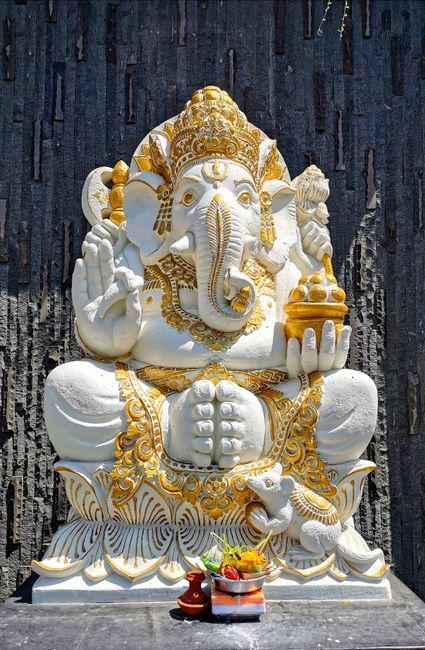
The issue of ethical elephant tourism extends far beyond Bali. Whether you're traveling to Thailand, Sri Lanka, or other countries with elephant populations, the same principles apply. Do your research, ask questions, and choose sanctuaries that prioritize the elephants' well-being above all else.
Organizations like World Animal Protection and Responsible Travel offer valuable resources and guidelines for ethical elephant tourism. Their websites can help you identify reputable sanctuaries and avoid exploitative practices.
Remember, your choices as a tourist have a direct impact on the lives of animals. By making informed decisions and supporting ethical tourism, you can contribute to a more compassionate and sustainable world.
My Personal Reflections and Lessons Learned

Over the years, I've made mistakes and learned from them. I've visited places that I later realized weren't as ethical as I thought. But those experiences have made me more determined to be a responsible traveler and to advocate for animal welfare.
Here are a few key lessons I've learned:
- Never assume: Just because a place is called a "sanctuary" doesn't mean it's ethical. Always do your research and verify their practices.
- Don't be afraid to speak up: If you see something that concerns you, don't hesitate to raise your voice. Contact the sanctuary management or report your concerns to animal welfare organizations.
- Support local initiatives: Look for businesses and organizations that are working to protect elephants and support local communities.
- Be a conscious consumer: Avoid buying products that contribute to elephant exploitation, such as ivory or souvenirs made from animal parts.
Being a responsible traveler is an ongoing journey, not a destination. It requires continuous learning, critical thinking, and a commitment to making ethical choices.
The Future of Ethical Elephant Tourism in Bali
I'm optimistic about the future of ethical elephant tourism in Bali. As more travelers become aware of the issues and demand responsible practices, more sanctuaries are likely to prioritize elephant welfare.
Education and awareness are key to driving this change. By sharing information and advocating for ethical tourism, we can help create a world where elephants are respected and protected.
We also need to support local communities and governments in their efforts to combat poaching, protect elephant habitats, and enforce animal welfare laws.
Together, we can make a difference in the lives of these magnificent creatures and ensure that future generations can experience the wonder of seeing elephants in their natural environment.
A Call to Action: Be a Responsible Elephant Tourist

If you're planning a trip to Bali or any other country with elephants, please take the time to research ethical elephant encounters. Choose sanctuaries that prioritize animal welfare and avoid exploitative practices.
Remember, your choices as a tourist have a powerful impact. By supporting ethical tourism, you can contribute to a more compassionate and sustainable world for elephants and other animals.
Let's work together to create a future where elephants are respected, protected, and allowed to live their lives in peace and dignity.
Before planning your elephant adventure, consider this:
- Research is key: Never book without thorough investigation. Look for accreditations from reputable animal welfare organizations.
- Ask the hard questions: Inquire about elephant care, training, veterinary practices, and the sanctuary's long-term goals.
- Trust your gut: If something feels off, it probably is. Err on the side of caution.
Ethical elephant tourism isn't just a trend; it's a necessity. By supporting responsible sanctuaries, we empower these organizations to continue their crucial work in rescuing, rehabilitating, and protecting elephants. Our mindful choices can help create a future where these majestic creatures thrive in safe, nurturing environments, free from exploitation and abuse.
Ultimately, experiencing elephants in a responsible and ethical way is a truly rewarding and enriching experience. It allows you to connect with these incredible animals on a deeper level, knowing that you're contributing to their well-being and the preservation of their species. Happy and responsible travels!
Post a Comment