Exploring Bali's Enchanting Caves: Hidden Grottos, Ancient Temples, and Spiritual Sanctuaries
Exploring Bali's Enchanting Caves: Hidden Grottos, Ancient Temples, and Spiritual Sanctuaries
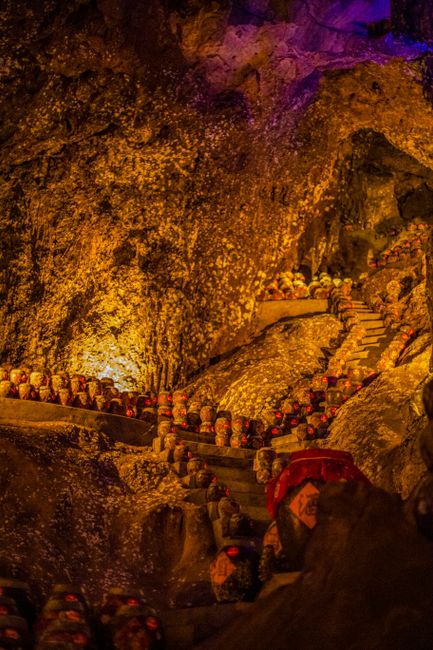
Bali, the Island of Gods, is renowned for its stunning beaches, vibrant culture, and lush rice paddies. But beyond the well-trodden tourist trails lies a hidden world – a network of captivating caves, mystical grottos, and ancient temples carved into stone. These subterranean wonders offer a unique glimpse into Bali's spiritual heart and geological history. I've been lucky enough to explore a few, and let me tell you, it's an experience unlike any other. Let's dive in and discover some of Bali's most enchanting cave destinations.
Why Explore Bali's Caves? A Journey Beyond the Surface
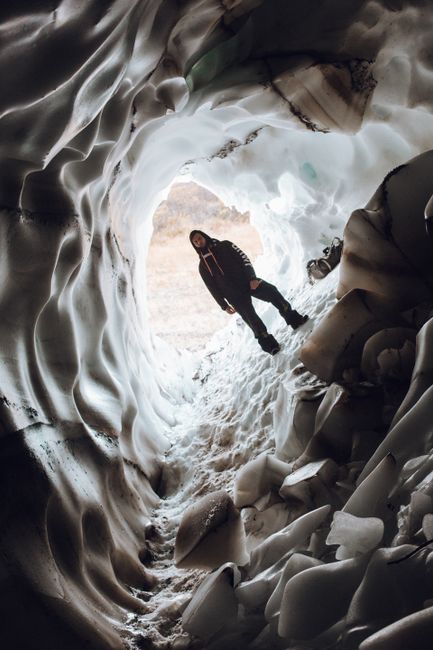
Forget crowded beaches for a day (or two!). Exploring Bali's caves offers a profound and different kind of adventure. Here's why I think you should consider adding a cave exploration to your Bali itinerary:
1. A Glimpse into Ancient History: Many caves in Bali hold significant historical and archaeological value. They were often used as places of meditation, refuge, and worship by the Balinese people centuries ago. Exploring these caves allows you to connect with the island's rich past and imagine the lives of those who came before.
2. Spiritual Significance: Caves are often considered sacred spaces in Balinese Hinduism. They are believed to be dwelling places of deities and spirits. Some caves house ancient temples and shrines, where locals still come to pray and make offerings. Entering these caves can be a deeply moving and spiritual experience.
3. Unique Geological Formations: Bali's caves boast stunning geological formations, including stalactites, stalagmites, and underground rivers. These natural wonders have been formed over millions of years, creating a mesmerizing and otherworldly landscape. It's like stepping into another planet!
4. An Escape from the Crowds: While Bali's popular tourist spots can get incredibly busy, the caves offer a welcome escape from the crowds. Many caves are relatively undiscovered, providing a sense of tranquility and solitude. It's a chance to reconnect with nature and find inner peace.
5. An Adventurous Experience: Exploring caves can be an exciting and adventurous experience, especially if you opt for a guided tour that involves trekking, climbing, and even swimming. It's a great way to challenge yourself physically and mentally while discovering hidden gems.
Goa Gajah (Elephant Cave): A Journey into Mystical Depths
Goa Gajah, also known as the Elephant Cave, is one of Bali's most famous and historically significant cave temples. Located near Ubud, this ancient site dates back to the 11th century. It's not actually full of elephants, despite the name! The name likely comes from the nearby Elephant River, or perhaps a misinterpretation of the carved face above the entrance.
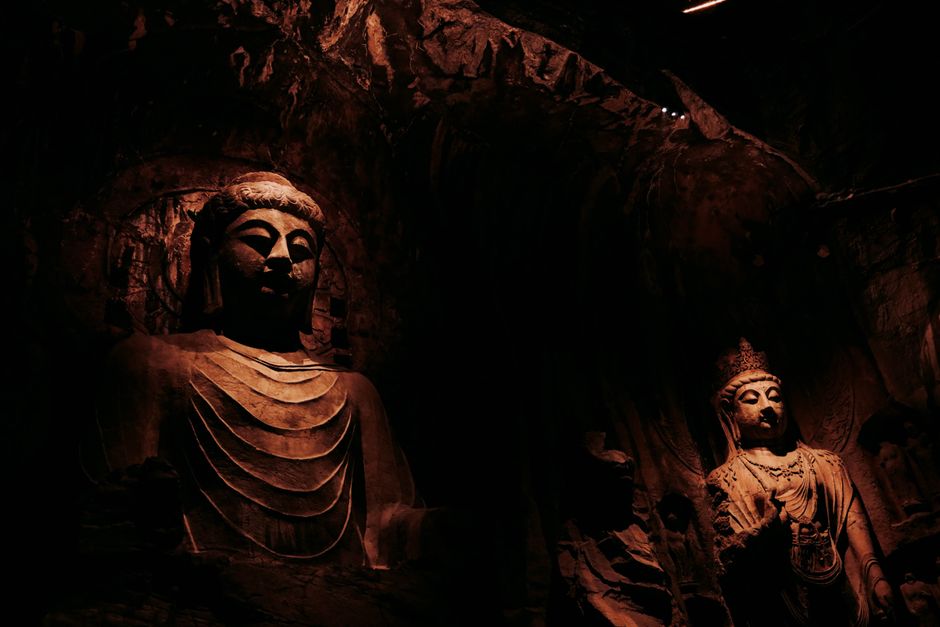
My Experience: Visiting Goa Gajah felt like stepping back in time. The intricate carvings on the cave entrance are truly impressive, depicting mythical creatures and demons. Inside the cave, you'll find a T-shaped chamber with Hindu shrines and meditation niches. The air is thick with incense and a sense of ancient spirituality. Don't miss the bathing pools outside the cave, which are fed by holy springs and flanked by statues of nymphs.
What to Expect:
- The Entrance: The iconic cave entrance is carved into a rock face, resembling a giant demon's mouth. The carvings are incredibly detailed and depict various mythical creatures and Hindu symbols.
- The T-Shaped Cave: Inside the cave, you'll find a T-shaped chamber with several niches that were used for meditation and religious rituals. There are also statues of Ganesha (the elephant-headed god) and other Hindu deities.
- The Holy Bathing Pools: Outside the cave, there are two bathing pools fed by holy springs. These pools are believed to have cleansing and purifying properties.
- The Surrounding Gardens: The Goa Gajah complex is surrounded by lush gardens with ancient trees and statues. Take some time to explore the grounds and soak in the peaceful atmosphere.
Tips for Visiting Goa Gajah:
- Dress respectfully: As with all temples in Bali, it's important to dress respectfully when visiting Goa Gajah. Wear a sarong and sash, which can be rented at the entrance.
- Be mindful of the crowds: Goa Gajah is a popular tourist attraction, so it can get crowded, especially during peak season. Try to visit early in the morning or late in the afternoon to avoid the crowds.
- Hire a guide: Hiring a local guide can enhance your experience by providing valuable insights into the history and significance of the site.
- Respect the religious significance: Remember that Goa Gajah is a sacred place for the Balinese people. Be respectful of the rituals and customs observed at the temple.
Pura Goa Lawah (Bat Cave Temple): A Sanctuary of Bats and Spirituality
Pura Goa Lawah, also known as the Bat Cave Temple, is another fascinating cave temple in Bali. Located on the southeastern coast near Candidasa, this temple is unique because it is built around the entrance of a cave inhabited by thousands of bats. The sight and sounds of the bats swirling around the temple create an eerie and unforgettable atmosphere.
My Experience: Pura Goa Lawah is definitely a sensory experience! The air is thick with the smell of bat guano, and the sound of thousands of bats chirping and flapping their wings is quite overwhelming. Despite the initial shock, the temple is a beautiful and spiritually significant place. The Balinese believe that the cave leads to the ocean and is guarded by a mythical serpent king.
What to Expect:
- The Bat Cave: The main attraction of Pura Goa Lawah is the bat cave itself. The cave is home to thousands of bats that cling to the walls and ceiling. The sight and sounds of the bats can be quite overwhelming, but it's also a unique and fascinating experience.
- The Temple Complex: The temple complex surrounding the bat cave is a beautiful example of Balinese architecture. There are several shrines and courtyards where locals come to pray and make offerings.
- The Coastal Location: Pura Goa Lawah is located on the coast, offering stunning views of the ocean. The contrast between the dark, mysterious cave and the bright, open sea is quite striking.
Tips for Visiting Pura Goa Lawah:
- Prepare for the smell: The smell of bat guano can be quite strong, so be prepared for it. You might want to bring a mask if you're sensitive to smells.
- Be mindful of the bats: The bats are wild animals, so be respectful of them. Avoid making loud noises or getting too close to the cave entrance.
- Dress respectfully: As with all temples in Bali, it's important to dress respectfully when visiting Pura Goa Lawah. Wear a sarong and sash, which can be rented at the entrance.
- Watch your belongings: Monkeys are common around the temple, so be sure to keep your belongings safe.
Hidden Grottos and Underwater Caves: Diving into Bali's Depths
Beyond the well-known cave temples, Bali also boasts a network of hidden grottos and underwater caves that are perfect for adventurous explorers. These subterranean wonders offer a chance to discover the island's natural beauty in a unique and unforgettable way.
1. Underwater Caves near Nusa Lembongan:
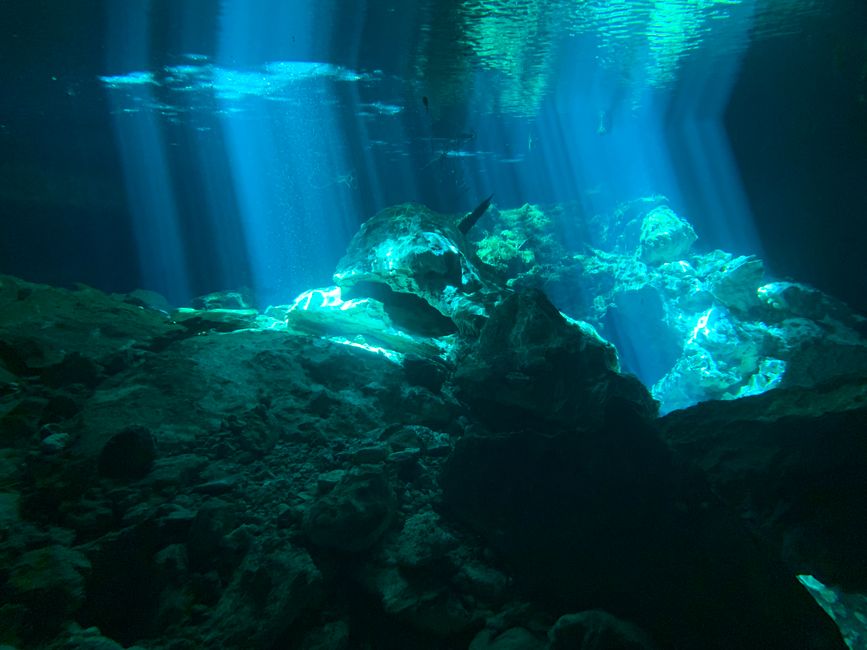
Nusa Lembongan, a small island off the coast of Bali, is known for its pristine beaches and crystal-clear waters. It's also home to a number of underwater caves that are popular with divers. These caves are teeming with marine life, including colorful fish, coral, and sea turtles. Diving into these caves is an incredible experience that allows you to witness the beauty and diversity of Bali's underwater world. I remember one dive where we saw a huge manta ray just outside the cave entrance – absolutely breathtaking!
2. Tegalalang Rice Terrace Caves:
While not technically caves in the traditional sense, the Tegalalang Rice Terraces near Ubud have several small grottos and tunnels carved into the hillside. These hidden spaces offer a unique perspective of the rice terraces and are perfect for taking photos. Exploring these grottos is a fun and adventurous way to experience the beauty of Bali's countryside. Be careful though, the paths can be slippery!
3. Gua Jepang (Japanese Cave) in Singaraja:
Located in the north of Bali near Singaraja, Gua Jepang is a network of caves built during the Japanese occupation of World War II. These caves were used as bunkers and storage facilities. Exploring these caves is a sobering reminder of Bali's wartime history. The caves are relatively dark and narrow, so be sure to bring a flashlight and wear comfortable shoes. It's a powerful place to visit and reflect.
Planning Your Cave Exploration Adventure: Tips and Considerations

Ready to embark on your own cave exploration adventure in Bali? Here are some tips and considerations to help you plan your trip:
1. Choose the Right Caves:
Bali offers a variety of caves to explore, each with its own unique characteristics and level of difficulty. Consider your interests and fitness level when choosing which caves to visit. If you're interested in history and spirituality, Goa Gajah and Pura Goa Lawah are excellent choices. If you're an experienced diver, the underwater caves near Nusa Lembongan are a must-see. For a more casual adventure, the grottos in the Tegalalang Rice Terraces are a fun option.
2. Hire a Local Guide:
Hiring a local guide can greatly enhance your cave exploration experience. A guide can provide valuable insights into the history, geology, and spiritual significance of the caves. They can also help you navigate the caves safely and avoid getting lost. Plus, you're supporting the local economy!
3. Dress Appropriately:
When visiting cave temples, it's important to dress respectfully. Wear a sarong and sash, which can be rented at the entrance. For cave explorations that involve trekking or climbing, wear comfortable shoes and clothes that you don't mind getting dirty. If you're planning to swim in underwater caves, bring a swimsuit and towel.
4. Bring Essential Gear:
Depending on the type of cave you're exploring, you may need to bring some essential gear. This may include a flashlight, a headlamp, water, snacks, sunscreen, insect repellent, and a first-aid kit. If you're diving in underwater caves, you'll need to bring your scuba gear or rent it from a local dive shop.
5. Be Aware of the Environment:
Caves are delicate ecosystems, so it's important to be aware of your impact on the environment. Avoid touching or damaging any formations, and don't leave any trash behind. Be respectful of the local wildlife and avoid disturbing them. Remember to take only pictures and leave only footprints.
Respecting the Sacredness: A Cultural Sensitivity Guide

When exploring Bali's caves, especially those with temples, it's crucial to be mindful and respectful of the local culture and traditions. Here's a guide to help you navigate these sacred spaces with sensitivity:
A. Dress Code:
- Sarong and Sash: As mentioned before, wearing a sarong (a traditional Balinese cloth wrapped around the waist) and a sash (a cloth belt) is mandatory when visiting temples. These can usually be rented at the entrance for a small fee.
- Cover Shoulders and Knees: Ensure your shoulders and knees are covered as a sign of respect. Avoid wearing tank tops, shorts, or revealing clothing.
B. Temple Etiquette:
- Remove Your Shoes: Before entering the inner courtyards of a temple, remove your shoes and leave them outside.
- No Pointing: Avoid pointing your feet at shrines or people, as this is considered disrespectful.
- Photography: Be mindful when taking photos. Some areas may be off-limits to photography, and it's always best to ask permission before taking pictures of people.
- Menstruating Women: Women who are menstruating are traditionally not allowed to enter temples.
- Offerings: Be careful not to step on or disturb the offerings (canang sari) that are placed around the temple.
C. General Conduct:
- Keep Noise Levels Down: Maintain a quiet and respectful demeanor while exploring the caves and temples. Avoid loud talking, laughing, or playing music.
- Be Mindful of Prayers: If you encounter locals praying, give them space and avoid disturbing their rituals.
- Ask Questions Respectfully: If you have questions about the history or significance of the site, ask a local guide or someone who works at the temple. Be polite and respectful in your inquiries.
- Respect the Sacredness: Remember that these caves and temples are sacred places for the Balinese people. Treat them with respect and reverence.
Beyond the Caves: Combining Your Exploration with Other Bali Adventures

Exploring Bali's caves is a fantastic experience on its own, but it can also be combined with other adventures to create a truly unforgettable trip. Here are some ideas:
1. Ubud Cultural Immersion:
Combine your visit to Goa Gajah with a cultural immersion experience in Ubud. Take a traditional Balinese cooking class, visit a local art market, or attend a traditional dance performance. Ubud is the cultural heart of Bali, and it offers a wealth of opportunities to learn about the island's rich heritage.
2. East Bali Coastal Exploration:
After visiting Pura Goa Lawah, explore the beautiful coastline of East Bali. Visit the Tirta Gangga Water Palace, relax on the beaches of Candidasa, or go snorkeling or diving in the nearby waters. East Bali is known for its stunning scenery and laid-back atmosphere.
3. Nusa Lembongan Island Hopping:
Combine your underwater cave exploration near Nusa Lembongan with island hopping. Visit the neighboring island of Nusa Ceningan, rent a scooter and explore the islands' stunning beaches and cliffs, or go surfing or stand-up paddleboarding.
4. North Bali Waterfall Chasing:
After exploring Gua Jepang in Singaraja, embark on a waterfall chasing adventure in North Bali. Visit Sekumpul Waterfall, Gitgit Waterfall, or Banyumala Twin Waterfalls. North Bali is known for its lush landscapes and stunning waterfalls.
My Final Thoughts: An Underground World Worth Discovering

Exploring Bali's caves has been an incredibly rewarding experience for me. It's allowed me to connect with the island's history, spirituality, and natural beauty in a way that I never could have imagined. From the intricate carvings of Goa Gajah to the eerie atmosphere of Pura Goa Lawah, and the hidden grottos of Tegalalang, each cave has its own unique story to tell.
I encourage you to venture beyond the beaches and rice paddies and discover the hidden wonders of Bali's underground world. With a little planning and a sense of adventure, you can create a truly unforgettable experience that will leave you with a deeper appreciation for the Island of Gods.
Remember to be respectful of the local culture and environment, and to embrace the spirit of exploration. Who knows what hidden treasures you might discover? Happy cave exploring!
Post a Comment