Exploring Bali's Rice Paddies: A Peaceful Journey
Exploring Bali's Rice Paddies: A Peaceful Journey
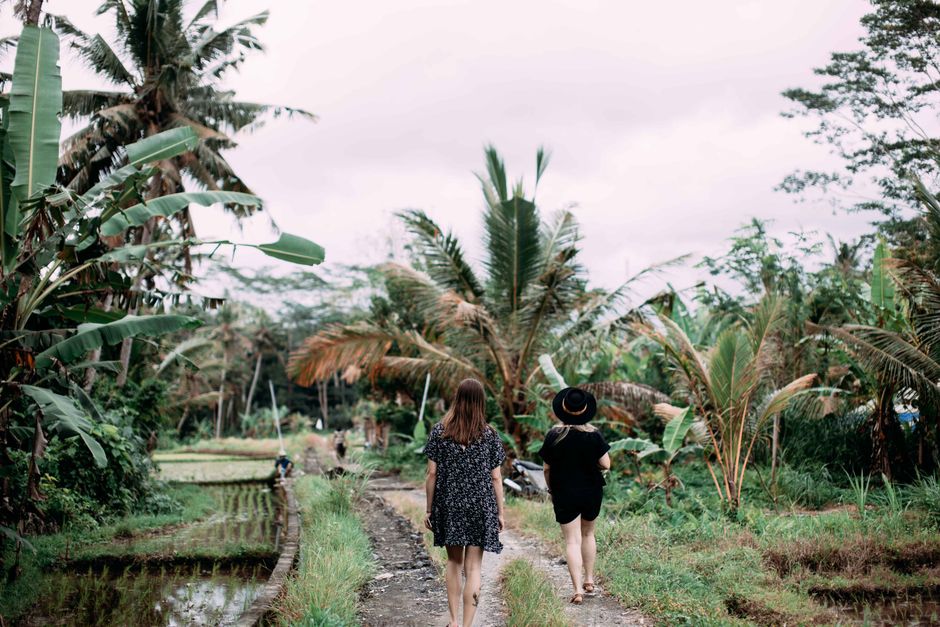
Hey there, fellow travel enthusiast! Have you ever dreamt of escaping the hustle and bustle of everyday life and immersing yourself in a world of serenity and natural beauty? Well, let me tell you, I've found just the place: the breathtaking rice paddies of Bali. Trust me, it's more than just a pretty landscape; it's a soul-stirring experience that will leave you feeling refreshed, connected, and utterly captivated. I'm so excited to share my experiences and insights with you, so grab a cup of tea (or maybe a Bintang, if you're feeling adventurous!), and let's embark on this virtual journey together.
Why Bali's Rice Paddies are a Must-See
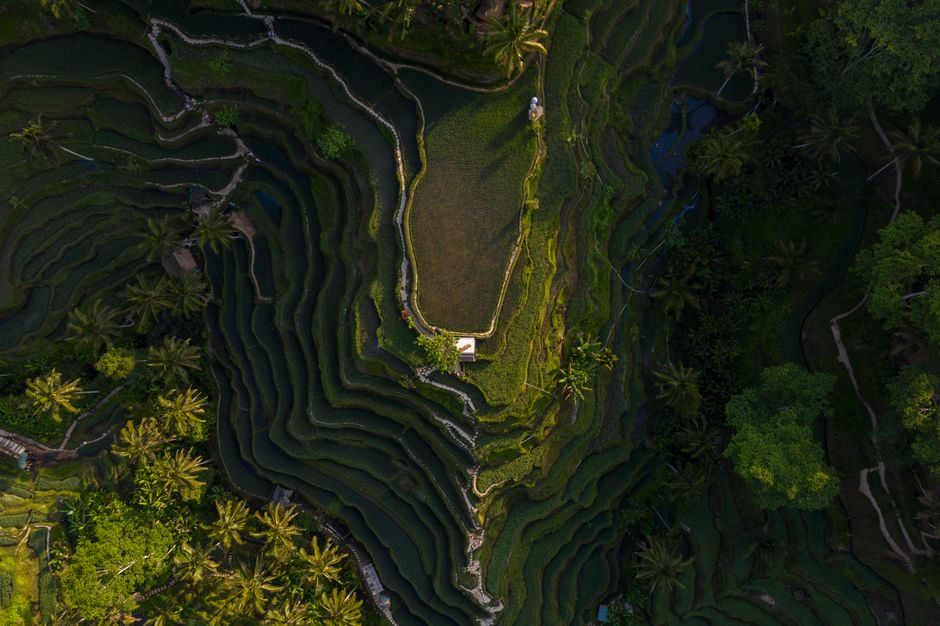
Okay, so you might be thinking, "Rice paddies? Really? That sounds kind of...boring." But believe me, the rice paddies of Bali are anything but! They are an integral part of Balinese culture and a testament to the ingenuity and hard work of the local farmers. For centuries, these emerald green terraces have been carefully cultivated, creating a stunning landscape that is both visually stunning and deeply meaningful. Here's why I think they deserve a spot on your travel bucket list:
1. A Feast for the Eyes: Imagine yourself standing on the edge of a valley, surrounded by cascading terraces of vibrant green rice paddies. The sunlight glistens on the water, creating a shimmering effect that is simply mesmerizing. It's a scene straight out of a postcard, and trust me, photos don't do it justice. You have to experience it firsthand.
2. A Glimpse into Balinese Culture: The rice paddies are not just a pretty backdrop; they are the heart of Balinese agriculture and a vital part of their cultural heritage. The intricate irrigation system, known as "Subak," is a UNESCO World Heritage site and a testament to the Balinese people's harmonious relationship with nature. You'll see farmers working the fields, often using traditional methods that have been passed down through generations. It's a humbling and inspiring sight.
3. A Sanctuary of Peace and Tranquility: In a world that is constantly buzzing with noise and distractions, the rice paddies offer a welcome escape. The gentle rustling of the rice stalks in the breeze, the chirping of birds, and the distant sounds of village life create a soothing symphony that will melt away your stress and leave you feeling utterly relaxed. I remember just sitting for hours, soaking it all in, feeling a sense of peace I rarely experience elsewhere.
4. A Photographer's Paradise: Whether you're a professional photographer or just snapping pics with your phone, the rice paddies of Bali are a dream come true. The ever-changing light, the vibrant colors, and the intricate patterns create endless opportunities for capturing stunning images. Sunrise and sunset are particularly magical times to visit, when the light bathes the landscape in a warm, golden glow.
5. An Opportunity for Adventure: While simply admiring the view is a perfectly valid way to experience the rice paddies, there are also plenty of opportunities for adventure. You can hike through the terraces, visit local villages, learn about the Subak system, or even try your hand at planting rice. It's a chance to get off the beaten path and connect with the local culture in a meaningful way.
Where to Find the Most Breathtaking Rice Paddies

Bali is blessed with an abundance of rice paddies, but some locations are particularly stunning. Here are a few of my personal favorites:
1. Tegalalang Rice Terraces: Located near Ubud, the Tegalalang Rice Terraces are perhaps the most famous and most photographed rice paddies in Bali. They are known for their dramatic, cascading terraces and stunning views. While they can get crowded, especially during peak season, they are still worth a visit. Try to go early in the morning or late in the afternoon to avoid the crowds and catch the best light.
2. Jatiluwih Rice Terraces: Situated in the Tabanan regency, Jatiluwih is a UNESCO World Heritage site and arguably the most expansive and breathtaking rice paddies in Bali. The name "Jatiluwih" literally means "truly amazing," and trust me, it lives up to its name. The terraces here are less crowded than Tegalalang and offer a more authentic and immersive experience. You can easily spend an entire day exploring the area, hiking through the paddies, and visiting nearby villages.
3. Munduk Rice Terraces: Located in the northern part of Bali, Munduk is a charming village known for its cooler climate, lush landscapes, and stunning rice paddies. The terraces here are less manicured than those in Tegalalang and Jatiluwih, but they offer a more raw and natural beauty. Munduk is also a great place to go hiking and explore waterfalls.
4. Sidemen Valley: Situated in eastern Bali, Sidemen Valley is a hidden gem that is often overlooked by tourists. The rice paddies here are particularly beautiful, and the area is known for its traditional Balinese culture. It's a great place to escape the crowds and experience a more authentic side of Bali.
5. Pupuan Rice Terraces: These rice terraces in the Tabanan regency are known for their tranquility and stunning views of Mount Batukaru. They are less visited than some of the other popular spots, offering a more secluded and peaceful experience.
Planning Your Visit: Tips and Practical Advice

So, you're convinced that you need to experience the magic of Bali's rice paddies? Fantastic! Here are a few tips and practical advice to help you plan your visit:
1. Best Time to Visit: Bali has a tropical climate, so you can visit the rice paddies year-round. However, the best time to visit is during the dry season, which runs from April to September. During this time, the weather is generally sunny and dry, and the rice paddies are at their greenest. The wet season, from October to March, can be a bit more unpredictable, with occasional rain showers. However, even during the wet season, you can still enjoy the rice paddies, and the landscapes can be even more lush and vibrant.
2. Getting Around: The easiest way to get around Bali is by renting a scooter or hiring a driver. Scooters are a popular option for exploring the countryside, but be sure to wear a helmet and be aware of the traffic. Hiring a driver is a more comfortable and convenient option, especially if you're traveling with a group or if you want to visit multiple locations in a day.
3. What to Wear: When visiting the rice paddies, it's important to dress respectfully. Avoid wearing revealing clothing and consider bringing a sarong to cover your knees and shoulders if you plan to visit any temples. Comfortable shoes are also a must, as you'll likely be doing a lot of walking. And don't forget sunscreen, a hat, and sunglasses to protect yourself from the sun.
4. What to Bring: In addition to comfortable shoes and appropriate clothing, there are a few other things you should bring with you when visiting the rice paddies:
a. Water: Stay hydrated by bringing plenty of water.
b. Snacks: You may want to pack some snacks to keep your energy levels up.
c. Insect repellent: Mosquitoes can be a nuisance, especially in the evenings.
d. Camera: You'll definitely want to capture the stunning scenery.
e. Cash: Many small businesses in the rural areas don't accept credit cards, so it's a good idea to have some cash on hand.
5. Respect the Local Culture: The rice paddies are an important part of Balinese culture, so it's important to be respectful of the local customs and traditions. Avoid littering, stay on the designated paths, and ask for permission before taking photos of people. And remember to smile and be friendly! The Balinese people are incredibly warm and welcoming, and they appreciate it when visitors show an interest in their culture.
Beyond the Views: Immersive Experiences

While simply admiring the views of the rice paddies is a wonderful experience in itself, there are also plenty of opportunities for immersive experiences that will allow you to connect with the local culture and learn more about the Balinese way of life. Here are a few ideas:
1. Rice Planting and Harvesting: Many tour operators offer rice planting and harvesting experiences that allow you to get your hands dirty and learn about the traditional methods of rice cultivation. You'll work alongside local farmers, planting or harvesting rice, and learning about the Subak irrigation system. It's a challenging but rewarding experience that will give you a newfound appreciation for the hard work that goes into producing the food we eat.
2. Cooking Classes: Take a Balinese cooking class and learn how to prepare traditional dishes using fresh, local ingredients. Many cooking classes are held in or near the rice paddies, so you can learn about the ingredients and then cook them yourself. It's a delicious way to learn about Balinese culture and cuisine.
3. Hiking and Trekking: Explore the rice paddies on foot by going for a hike or trek. There are many different trails to choose from, ranging from easy walks to more challenging hikes. You'll have the opportunity to see the rice paddies up close and personal, and you'll also get to enjoy the beautiful scenery and fresh air.
4. Village Visits: Visit a local village and learn about the traditional Balinese way of life. You can visit a traditional Balinese house, learn about the local crafts, and see how the villagers live and work. It's a great way to get off the beaten path and experience a more authentic side of Bali.
5. Subak Museum: If you're interested in learning more about the Subak irrigation system, visit the Subak Museum in Tabanan. The museum showcases the history and importance of the Subak system and provides insights into the Balinese people's harmonious relationship with nature.
My Personal Reflections: A Journey of the Soul

For me, exploring Bali's rice paddies was more than just a sightseeing trip; it was a journey of the soul. I remember feeling a sense of peace and connection that I had never experienced before. The beauty of the landscape, the simplicity of the village life, and the warmth of the Balinese people all combined to create an unforgettable experience.
One of my most cherished memories is watching the sunrise over the Jatiluwih Rice Terraces. The sky was ablaze with color, and the rice paddies were bathed in a golden light. It was a moment of pure magic, and I felt incredibly grateful to be alive and to witness such beauty. I also remember spending an afternoon with a local family in Sidemen Valley. They welcomed me into their home, shared their food with me, and told me stories about their lives. It was a humbling experience that reminded me of the importance of human connection and the simple things in life.
The rice paddies taught me the value of patience, perseverance, and hard work. I saw the farmers working tirelessly in the fields, day after day, season after season, to cultivate the land and provide for their families. Their dedication and resilience were truly inspiring. They also reminded me of the importance of living in harmony with nature and respecting the environment. The Balinese people have a deep reverence for the land, and they understand the importance of sustainability. It's a lesson that we all can learn from.
Where to Stay: Finding Your Peaceful Oasis
To truly immerse yourself in the experience, consider staying in a guesthouse or hotel near the rice paddies. Here are some suggestions:
1. Ubud: Ubud is a popular base for exploring the Tegalalang Rice Terraces and other nearby attractions. There are numerous hotels and guesthouses ranging from budget-friendly to luxurious.
2. Jatiluwih: Staying in Jatiluwih itself allows for a completely immersive experience. Several guesthouses offer stunning views directly overlooking the rice terraces.
3. Munduk: Munduk offers a more secluded and cooler alternative. Look for eco-lodges and homestays that blend seamlessly with the surrounding nature.
4. Sidemen: This eastern valley is dotted with charming villas and guesthouses, providing a tranquil escape and easy access to less crowded rice paddies.
5. Pupuan: If you are looking for a hidden gem, you can find a few accommodations in the area, offering a peaceful and secluded experience.
Responsible Tourism: Protecting the Beauty

As tourists, it's our responsibility to travel in a way that minimizes our impact on the environment and supports the local communities. Here are a few tips for responsible tourism in Bali's rice paddies:
1. Support Local Businesses: Shop at local markets, eat at local restaurants, and stay in locally owned guesthouses. This helps to support the local economy and ensure that the benefits of tourism are shared with the community.
2. Respect the Environment: Avoid littering, stay on the designated paths, and don't disturb the wildlife. Use reef-safe sunscreen and avoid using single-use plastics.
3. Learn About the Culture: Take the time to learn about Balinese culture and customs. This will help you to better understand and appreciate the local way of life.
4. Be Mindful of Water Consumption: Water is a precious resource in Bali, so be mindful of your water consumption. Take shorter showers, turn off the tap when you're brushing your teeth, and avoid wasting water.
5. Bargain Respectfully: Bargaining is a common practice in Bali, but it's important to do so respectfully. Don't try to haggle too aggressively, and remember that the difference of a few thousand rupiah can make a big difference to a local vendor.
Final Thoughts: Embrace the Serenity

Exploring Bali's rice paddies is an experience that will stay with you long after you've left. It's a chance to connect with nature, learn about a different culture, and find a sense of peace and tranquility. So, if you're looking for an escape from the ordinary, I highly recommend adding Bali's rice paddies to your travel itinerary. You won't be disappointed.
Remember to embrace the slow pace of life, appreciate the beauty that surrounds you, and connect with the local people. It's a journey that will nourish your soul and leave you feeling refreshed, inspired, and deeply grateful for the opportunity to experience the magic of Bali.
Happy travels, my friend! And may your journey to Bali's rice paddies be filled with peace, wonder, and unforgettable memories.
Post a Comment