Health & Safety in Bali: Your Guide to Staying Well and Worry-Free on the Island of Gods
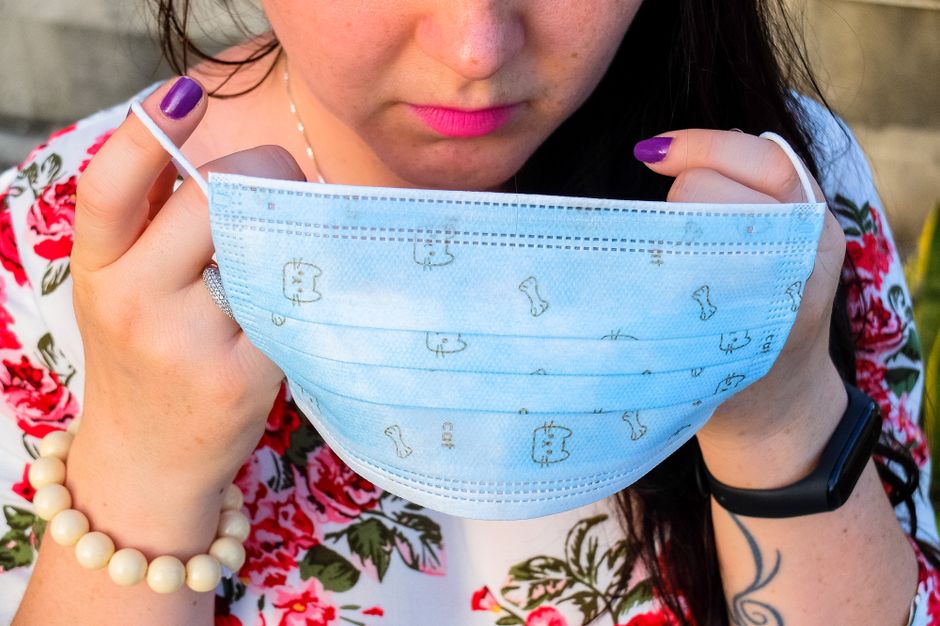
Health & Safety in Bali: Your Guide to Staying Well and Worry-Free on the Island of Gods
Hey there, fellow travel enthusiast! So, you're dreaming of Bali, huh? Sun-kissed beaches, lush rice paddies, ancient temples… I get it. Bali has a way of captivating your soul. I've been fortunate enough to spend quite a bit of time on this magical island, and while the beauty is undeniable, it's also important to be prepared and informed about health and safety. Think of this as your friendly guide, filled with tips and insights to help you have an amazing, and most importantly, healthy and safe trip! Let's dive in!
Planning and Preparation: Your Foundation for a Healthy Trip

Before you even pack your bags, a little planning goes a long way. I always say, being proactive is key to a stress-free vacation. Here's what I recommend:
1. Pre-Trip Medical Check-Up: This is often overlooked, but it's crucial. Schedule a visit with your doctor a few weeks before your trip. Discuss your travel plans, any pre-existing health conditions, and ask about necessary vaccinations or medications.
2. Vaccinations and Medications: Depending on your origin and the length of your stay, your doctor might recommend certain vaccinations. Hepatitis A and Typhoid are commonly suggested for travelers to Bali. Also, make sure you have enough of any prescription medications you regularly take, packed in their original containers with a copy of your prescription. Trust me, you don't want to run out of essential meds while you're miles away from home!
3. Travel Insurance: This is non-negotiable! Seriously, don't even think about skipping this. A comprehensive travel insurance policy can cover medical expenses, emergency evacuations, lost or stolen belongings, and trip cancellations. Read the fine print carefully to understand what's covered and what's not. I once met a traveler who had to be airlifted off Mount Batur after an accident, and without insurance, the bill would have been astronomical.
4. Research Local Health Facilities: Before you go, research hospitals and clinics in the areas you plan to visit. Note their addresses and phone numbers. It's also helpful to know if they have English-speaking staff. Siloam Hospitals and BIMC Hospitals are reputable options in Bali.
5. Pack a First-Aid Kit: A well-stocked first-aid kit is your best friend for minor scrapes and ailments. Here's what I usually include:
a. Band-aids and antiseptic wipes
b. Pain relievers (paracetamol or ibuprofen)
c. Anti-diarrheal medication (loperamide)
d. Motion sickness medication (if you're prone to it)
e. Antihistamines (for allergies)
f. Insect repellent (with DEET or picaridin)
g. Sunscreen (high SPF)
h. After-sun lotion
i. Hand sanitizer
j. Any personal medications
6. Share Your Itinerary: Let a trusted friend or family member know your travel plans, including your accommodation details and flight information. Check in with them regularly so they know you're safe and sound.
Food and Water Safety: Avoiding "Bali Belly"

Ah, "Bali Belly." The dreaded traveler's curse. While you can't guarantee you'll avoid it entirely, you can significantly reduce your risk by being mindful of what you eat and drink. I learned this the hard way on my first trip – let's just say it wasn't pretty!
1. Drink Bottled Water: This is the golden rule! Only drink bottled water, and make sure the seal is intact. Avoid tap water entirely, even for brushing your teeth. I even use bottled water to rinse my toothbrush. You can buy bottled water everywhere in Bali, so there's really no excuse.
2. Be Wary of Ice: Unless you're absolutely sure the ice is made from purified water, it's best to avoid it. Stick to drinks without ice, or ask if they use bottled water to make it.
3. Choose Food Wisely: Street food can be incredibly tempting (and delicious!), but it's important to be cautious. Look for stalls that are busy, have a high turnover of food, and appear clean. Avoid food that has been sitting out for a long time.
4. Cooked Food is Your Friend: Opt for food that is cooked thoroughly and served hot. This helps to kill any harmful bacteria. Steaming hot nasi goreng (fried rice) or mie goreng (fried noodles) are usually safe bets.
5. Peel Your Own Fruits: If you're eating fresh fruit, peel it yourself. This minimizes the risk of contamination from handling.
6. Wash Your Hands: This is basic hygiene, but it's especially important when traveling. Wash your hands frequently with soap and water, especially before eating. Carry hand sanitizer with you for times when soap and water aren't available.
7. Be Mindful of Raw Foods: Be cautious when eating raw salads or vegetables, as they may have been washed with contaminated water. If you're unsure, it's best to avoid them.
8. Consider Probiotics: Starting a course of probiotics a few weeks before your trip can help strengthen your gut and make you less susceptible to traveler's diarrhea. I've found this to be quite helpful!
Sun Safety: Protecting Your Skin from the Balinese Sun
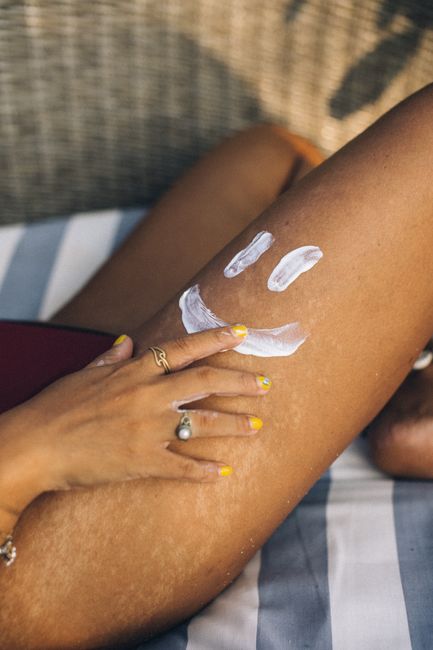
The Balinese sun is strong! You'll be tempted to soak it up and get that beautiful island tan. However, protecting yourself from the sun is essential to avoid sunburn, premature aging, and skin cancer. I've definitely learned this lesson the hard way after getting a blistering sunburn on my shoulders one year. Not fun!
1. Wear Sunscreen: Apply a broad-spectrum sunscreen with an SPF of 30 or higher liberally and frequently, especially when you're spending time outdoors. Reapply every two hours, or more often if you're swimming or sweating.
2. Seek Shade: Avoid prolonged sun exposure, especially during the hottest part of the day (usually between 10 am and 4 pm). Seek shade under trees, umbrellas, or buildings.
3. Wear Protective Clothing: Wear a wide-brimmed hat and sunglasses to protect your face and eyes. Lightweight, long-sleeved clothing can also help shield your skin from the sun.
4. Stay Hydrated: Drink plenty of water to stay hydrated. Sunburn can dehydrate you, so it's important to replenish fluids.
5. Be Extra Cautious Near Water: Water reflects sunlight, which can increase your exposure. Be especially diligent about applying sunscreen when you're swimming, surfing, or boating.
Mosquito-Borne Diseases: Protecting Yourself from Bites

Mosquitoes are prevalent in Bali, and they can transmit diseases like dengue fever, Zika virus, and chikungunya. While these diseases are usually not life-threatening, they can be quite unpleasant. Taking precautions to avoid mosquito bites is essential. I always travel with a good supply of insect repellent.
1. Use Insect Repellent: Apply insect repellent containing DEET or picaridin to exposed skin, especially during dawn and dusk when mosquitoes are most active. Reapply as needed, following the product instructions.
2. Wear Protective Clothing: Wear long-sleeved shirts and long pants, especially in the evenings. Light-colored clothing is less attractive to mosquitoes.
3. Stay in Air-Conditioned Accommodation: Air conditioning can help keep mosquitoes out of your room. If you're staying in a non-air-conditioned room, use mosquito nets over your bed.
4. Eliminate Standing Water: Mosquitoes breed in standing water. Empty any containers of water around your accommodation, such as flower pots or buckets.
5. Consider Mosquito Coils or Electric Repellents: These can help keep mosquitoes away from your room or outdoor seating area.
6. Be Aware of Symptoms: If you develop a fever, headache, rash, or joint pain after being bitten by a mosquito, seek medical attention immediately. Dengue fever can be serious if left untreated.
Traffic Safety: Navigating Bali's Roads
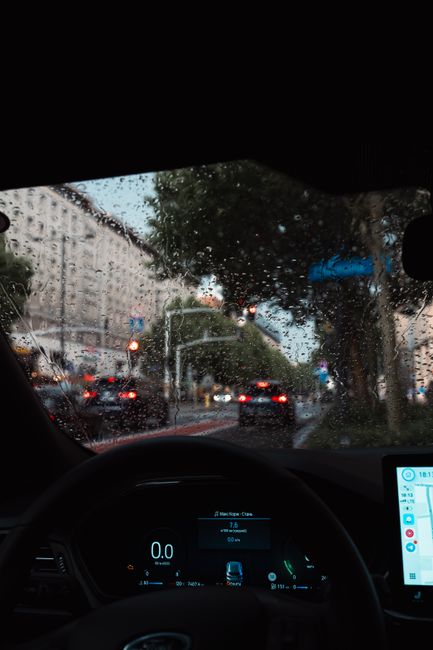
Traffic in Bali can be chaotic, especially in tourist areas like Kuta and Seminyak. Motorbikes are the most common mode of transportation, but they can also be dangerous if you're not careful. I've witnessed my fair share of accidents, and it's definitely something to be aware of.
1. Consider Hiring a Driver: The safest option is often to hire a driver. This allows you to relax and enjoy the scenery without having to worry about navigating the traffic.
2. If You Rent a Motorbike: If you decide to rent a motorbike, be sure to:
a. Wear a helmet. This is the law in Bali, and it's also essential for your safety.
b. Have a valid international driver's license. Technically, you need a motorcycle endorsement on your license.
c. Ensure the bike is in good working condition. Check the brakes, tires, and lights.
d. Drive defensively. Be aware of your surroundings and anticipate the actions of other drivers.
e. Avoid driving at night. Roads are often poorly lit, and it can be more difficult to see obstacles.
f. Familiarize yourself with local traffic laws and customs.
3. Be Careful When Crossing the Street: Look both ways (and then look again!) before crossing the street. Traffic can be unpredictable, and drivers may not always stop for pedestrians.
4. Avoid Drinking and Driving: This should go without saying, but it's especially important in Bali, where traffic laws are often not strictly enforced.
5. Be Aware of Animals on the Road: Dogs, chickens, and other animals often wander onto the roads. Be prepared to brake suddenly if necessary.
Water Safety: Swimming and Surfing Safely
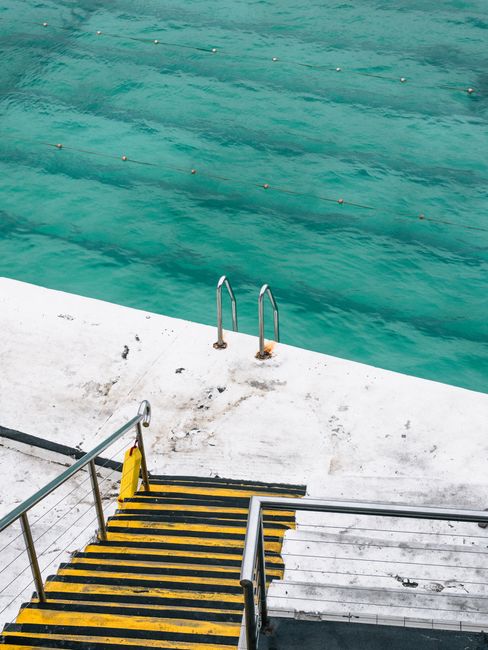
Bali is famous for its beautiful beaches and world-class surf. However, it's important to be aware of the potential dangers before you jump in the water. I'm an avid surfer, but I always respect the ocean and its power.
1. Swim at Patrolled Beaches: Swim at beaches that have lifeguards on duty. They can provide assistance if you get into trouble.
2. Be Aware of Rip Currents: Rip currents are strong currents that can pull you away from the shore. If you get caught in a rip current, don't panic. Swim parallel to the shore until you're out of the current, then swim back to the beach.
3. Check the Surf Conditions: Before you go surfing, check the surf report and be aware of the wave size and conditions. Don't surf beyond your abilities.
4. Wear a Leash: If you're surfing, always wear a leash to keep your board attached to you. This will prevent it from drifting away and potentially injuring other swimmers.
5. Be Careful of Coral Reefs: Coral reefs can be sharp and can cause cuts and scrapes. Wear reef shoes or booties to protect your feet.
6. Stay Hydrated: Swimming and surfing can be strenuous activities. Drink plenty of water to stay hydrated.
Animal Safety: Respecting Bali's Wildlife

Bali is home to a variety of wildlife, including monkeys, dogs, and snakes. While these animals are often harmless, it's important to be respectful and cautious. I've had a few close encounters with monkeys, and it's taught me to always be aware of my surroundings.
1. Don't Feed the Monkeys: Monkeys are common in tourist areas like Ubud. While it may be tempting to feed them, it's important to resist the urge. Feeding monkeys can make them aggressive and dependent on humans. They can also carry diseases.
2. Be Careful Around Dogs: Many dogs in Bali are stray dogs. Be cautious around them, especially if they appear aggressive or are protecting their pups. Rabies is present in Bali, so it's important to seek medical attention immediately if you're bitten by a dog.
3. Be Aware of Snakes: Snakes are also found in Bali, although they are not commonly seen in tourist areas. If you encounter a snake, don't approach it. Back away slowly and leave it alone.
4. Avoid Touching or Handling Wildlife: Avoid touching or handling any wild animals. They may bite or scratch, and they can also carry diseases.
Scams and Petty Theft: Staying Vigilant

While Bali is generally a safe place, scams and petty theft can occur. It's important to be aware of the potential risks and take precautions to protect yourself. I've learned to be extra cautious, especially in crowded tourist areas.
1. Be Wary of Unsolicited Offers: Be wary of people who approach you with unsolicited offers, such as discounted tours or transportation. They may be trying to scam you.
2. Keep Your Belongings Safe: Keep your valuables safe and secure. Don't leave them unattended in public places. Use a money belt or a hidden pocket to carry your cash and passport.
3. Be Careful When Using ATMs: Use ATMs that are located inside banks or in well-lit areas. Be aware of your surroundings and cover the keypad when you enter your PIN.
4. Negotiate Prices: Negotiate prices before you agree to a service, such as a taxi ride or a massage. Don't be afraid to walk away if you think the price is too high.
5. Be Aware of Your Surroundings: Be aware of your surroundings and trust your instincts. If something feels wrong, it probably is.
Mental Well-being: Taking Care of Your Mind

While physical health is important, don't forget about your mental well-being. Traveling can be stressful, especially if you're dealing with unfamiliar situations or cultural differences. I always make time for relaxation and self-care when I'm in Bali.
1. Take Breaks: Don't try to cram too much into your itinerary. Take breaks and allow yourself time to relax and recharge.
2. Stay Connected: Stay connected with friends and family back home. This can help you feel less isolated and homesick.
3. Practice Mindfulness: Practice mindfulness and focus on the present moment. This can help you reduce stress and anxiety.
4. Get Enough Sleep: Get enough sleep to stay refreshed and energized.
5. Seek Help If Needed: If you're feeling overwhelmed or stressed, don't hesitate to seek help. Talk to a friend, family member, or therapist.
Emergency Contacts: Being Prepared for the Unexpected
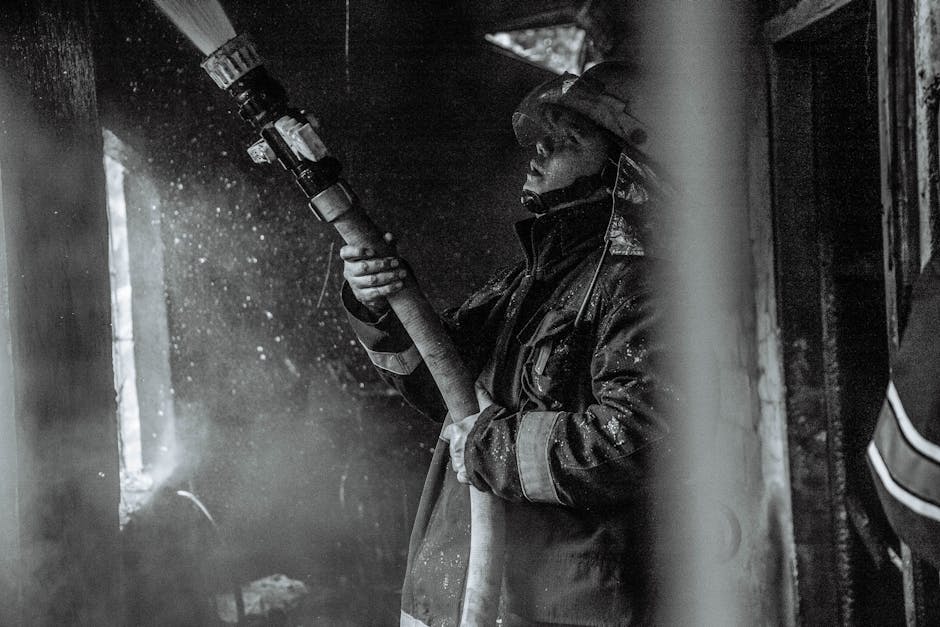
It's always a good idea to have a list of emergency contacts handy in case something goes wrong. I keep a list on my phone and also a printed copy in my wallet.
1. Local Emergency Numbers:
a. Police: 110
b. Ambulance: 118
c. Fire Department: 113
2. Your Embassy or Consulate: Know the contact information for your embassy or consulate in Indonesia.
3. Your Travel Insurance Company: Have your travel insurance policy number and contact information readily available.
4. Your Family or Friends: Keep the contact information for your family or friends back home handy.
5. Local Hospitals and Clinics: Save the contact information for reputable hospitals and clinics in the areas you plan to visit.
Final Thoughts: Embrace the Magic, Stay Safe!

Bali is an incredible destination with so much to offer. By being prepared and taking necessary precautions, you can minimize the risks and enjoy a healthy and safe trip. Remember to listen to your body, trust your instincts, and be respectful of the local culture. With a little planning and awareness, you can create memories that will last a lifetime. Selamat jalan (safe travels) and enjoy the magic of Bali!
I hope this guide has been helpful! Feel free to reach out if you have any questions. And remember, the most important thing is to relax, enjoy the journey, and embrace the beauty of the Island of Gods!
Post a Comment