Kayaking Bali: Lakeside Serenity, Mangrove Mysteries, and Coastal Adventures

Kayaking Bali: Lakeside Serenity, Mangrove Mysteries, and Coastal Adventures
Hey there, fellow adventurer! Ever dreamt of trading the crowded beaches of Bali for something a little more… tranquil? Let me tell you, kayaking in Bali opened up a whole new world for me, a world of serene lakes, mysterious mangroves, and stunning coastal explorations that I just HAD to share with you. Forget the tourist traps for a moment; we're going on a paddle-powered journey into the heart of Bali's natural beauty. I'm going to share my experiences, tips, and a few warnings I wish I'd known beforehand!
Why Kayaking in Bali? Escape the Crowds, Embrace the Nature

Okay, so Bali is famous for its beaches, right? But trust me, venturing beyond the sand and into the water with a kayak is a game-changer. Here's why I fell in love with kayaking in Bali:
1. Peace and Quiet: Unlike the buzzing beaches, kayaking offers a chance to escape the noise and find your own slice of paradise. Imagine gliding across a calm lake, surrounded by lush green hills, with nothing but the sound of your paddle dipping into the water. Pure bliss!
2. Up-Close with Nature: Forget crowded boat tours where you're craning your neck to see something. Kayaking puts you right in the heart of the ecosystem. You can paddle through mangrove forests, spotting colorful birds and maybe even a monkey or two! It's a truly immersive experience.
3. Fitness with a View: Let's be honest, working out can be a chore. But kayaking? It's a fantastic workout that doesn't feel like one! You're engaging your core, arms, and back, all while enjoying breathtaking scenery. Talk about a win-win!
4. Accessibility: Bali offers a range of kayaking locations suitable for all skill levels, from calm lakes for beginners to more challenging coastal routes for experienced paddlers. There's something for everyone.
5. Unique Perspective: Seeing Bali from the water gives you a completely different perspective. You'll discover hidden coves, secluded beaches, and stunning rock formations that you'd never see from land.
Lakeside Kayaking: Tranquility on the Water
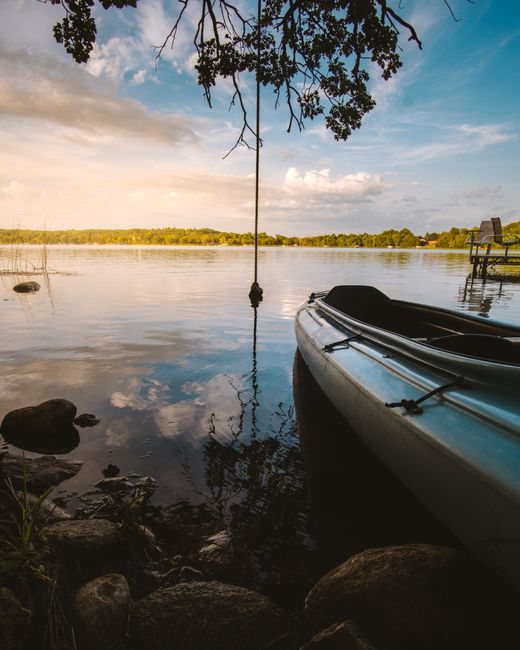
Bali's lakes offer some of the most peaceful and picturesque kayaking experiences you can imagine. These freshwater havens are surrounded by lush greenery and offer a refreshing escape from the coastal heat. Here are a few of my favorite lakeside kayaking spots:
1. Lake Beratan (Danau Beratan):
This is probably the most famous lake in Bali, and for good reason! It's home to the iconic Ulun Danu Beratan temple, which seems to float on the water. Paddling here is a truly magical experience. You get incredible views of the temple and the surrounding mountains.
Things to Keep in Mind:
a. Weekends can get busy, so try to go early in the morning to avoid the crowds.
b. The water can get choppy, especially in the afternoon, so be prepared for a bit of a workout.
c. There are usually local vendors renting out kayaks near the temple. Prices are negotiable, so don't be afraid to haggle a little!
2. Lake Buyan (Danau Buyan):
Lake Buyan is a bit more off the beaten path than Lake Beratan, which means it's generally quieter and more peaceful. The scenery is stunning, with lush forests surrounding the lake. It feels like you're paddling in a hidden paradise.
Things to Keep in Mind:
a. Access to the lake can be a bit tricky, as the roads are narrow and winding. Be prepared for a bumpy ride!
b. There are fewer kayak rental options here compared to Lake Beratan, so it's a good idea to book in advance or bring your own kayak if you have one.
c. The water can be quite cool, especially in the early morning, so dress accordingly.
3. Lake Tamblingan (Danau Tamblingan):
Lake Tamblingan is another hidden gem, known for its pristine waters and dense surrounding forests. It's a truly magical place, steeped in local legend and folklore. You might even spot some traditional Balinese ceremonies taking place on the lake shore.
Things to Keep in Mind:
a. The lake is considered sacred by the local community, so be respectful of the environment and avoid making too much noise.
b. There are limited kayak rental options, so it's best to arrange something in advance.
c. The area can be quite remote, so make sure you have enough supplies and a reliable way to communicate in case of an emergency.
General Tips for Lakeside Kayaking:
a. Bring plenty of water and snacks, as there may not be many shops or restaurants nearby.
b. Wear sunscreen, a hat, and sunglasses to protect yourself from the sun.
c. Consider bringing a dry bag to keep your valuables safe and dry.
d. Check the weather forecast before you go, as conditions on the lakes can change quickly.
Mangrove Exploration: Unveiling Bali's Hidden Waterways

Okay, this is where things get really interesting! Kayaking through Bali's mangrove forests is an unforgettable experience. These unique ecosystems are teeming with life, and paddling through their intricate waterways is like entering another world. Here are a few of my favorite mangrove kayaking spots:
1. Nusa Lembongan Mangrove Forest:
Nusa Lembongan, a small island just off the coast of Bali, is home to a stunning mangrove forest. You can rent a kayak and explore the maze of waterways at your own pace. Keep an eye out for colorful birds, crabs, and other fascinating creatures.
Things to Keep in Mind:
a. The current can be strong in some areas, so be prepared for a bit of a workout.
b. The mangroves can be quite dense, so stick to the marked channels to avoid getting lost.
c. Wear shoes that you don't mind getting wet, as you may have to get out of your kayak in some areas.
2. Serangan Island Mangrove Forest:
Serangan Island, located just south of Denpasar, is another great place to explore mangrove forests by kayak. The area is less crowded than Nusa Lembongan, offering a more peaceful and secluded experience.
Things to Keep in Mind:
a. The water can be quite shallow in some areas, so be careful not to scrape your kayak on the bottom.
b. Bring mosquito repellent, as the mangroves can be buggy, especially in the evening.
c. Consider hiring a local guide to learn more about the mangrove ecosystem and its importance.
3. Benoa Bay Mangrove Forest:
Benoa Bay is a large bay located near Nusa Dua. While it's known for its watersports, it also has a large mangrove area. You can kayak in the relatively calm waters while spotting many different birds and marine life. You can find many local tour operators providing both guided tours and independent rental options.
Things to Keep in Mind:
a. The area is close to the airport, so it can be noisy sometimes, particularly during plane takeoffs and landings.
b. The presence of other watercraft (jet skis, banana boats) means you need to be constantly aware of your surroundings.
c. Bring some water to rinse off afterwards because the water in Benoa Bay isn't the cleanest in Bali.
General Tips for Mangrove Kayaking:
a. Wear long sleeves and pants to protect yourself from the sun and mosquitoes.
b. Bring a waterproof camera to capture the amazing scenery and wildlife.
c. Be respectful of the environment and avoid disturbing the natural habitat.
d. Check the tide charts before you go, as the water level can vary significantly depending on the tide.
Coastal Exploration: Paddling Along Bali's Stunning Shoreline
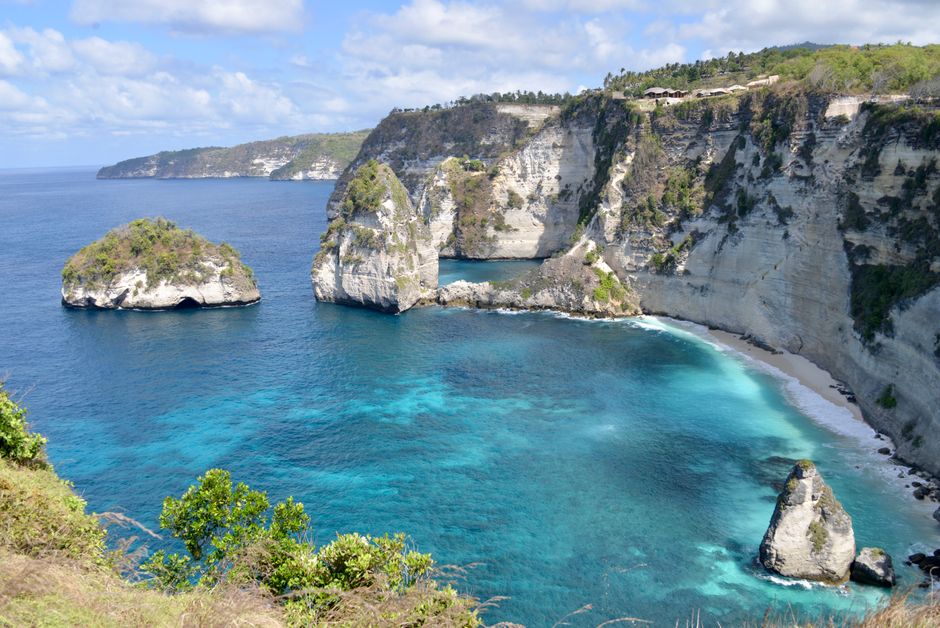
For those seeking a bit more adventure, coastal kayaking in Bali is an absolute must. You can paddle along dramatic cliffs, explore hidden coves, and discover secluded beaches that are only accessible by water. Here are a few of my favorite coastal kayaking spots:
1. Nusa Dua Coastline:
The Nusa Dua coastline offers a mix of calm waters and stunning scenery. You can paddle along the white-sand beaches, explore rocky outcrops, and discover hidden coves. The water is generally clear and calm, making it ideal for beginners.
Things to Keep in Mind:
a. Be aware of boat traffic, especially around the Nusa Dua harbor.
b. The sun can be intense, so wear plenty of sunscreen and a hat.
c. Consider paddling early in the morning to avoid the crowds and the midday heat.
2. Padang Bai Coastline:
Padang Bai is a small port town in East Bali, known for its beautiful beaches and clear waters. You can rent a kayak and explore the coastline, discovering hidden coves and secluded bays. The area is also popular for snorkeling and diving.
Things to Keep in Mind:
a. Be careful of the currents, which can be strong in some areas.
b. Watch out for ferries entering and leaving the harbor.
c. Bring your snorkeling gear, as there are some great snorkeling spots along the coastline.
3. Candidasa Coastline:
Candidasa is a quiet coastal town in East Bali, known for its peaceful atmosphere and stunning views. You can paddle along the coastline, exploring rocky outcrops and hidden beaches. The area is also home to several small islands that you can kayak to.
Things to Keep in Mind:
a. The waves can be choppy in some areas, so be prepared for a bit of a workout.
b. Watch out for sea urchins, which can be found in the rocky areas.
c. Bring plenty of water and snacks, as there are limited facilities along the coastline.
General Tips for Coastal Kayaking:
a. Check the weather forecast and sea conditions before you go.
b. Wear a life jacket at all times.
c. Bring a whistle or other signaling device in case of an emergency.
d. Paddle with a buddy if possible, especially if you're new to coastal kayaking.
e. Learn basic self-rescue techniques in case you capsize.
Safety First: Essential Tips for Kayaking in Bali

While kayaking in Bali is incredibly rewarding, it's important to prioritize safety. Here are some essential tips to keep in mind:
1. Check the Weather: Bali's weather can change quickly, so always check the forecast before heading out. Avoid kayaking during storms or strong winds.
2. Wear a Life Jacket: This is non-negotiable. Always wear a properly fitted life jacket, no matter how confident you are in your swimming ability.
3. Tell Someone Your Plans: Let someone know where you're going and when you expect to be back. This is crucial in case of an emergency.
4. Stay Hydrated: Bring plenty of water and drink regularly, especially in the hot Balinese sun.
5. Use Sun Protection: Wear sunscreen, a hat, and sunglasses to protect yourself from the sun's harmful rays.
6. Know Your Limits: Don't push yourself beyond your capabilities. Start with shorter, easier routes and gradually increase the difficulty as you gain experience.
7. Be Aware of Currents and Tides: Bali's coastal waters can have strong currents and tides. Be aware of these factors and plan your route accordingly.
8. Avoid Kayaking Alone: It's always safer to kayak with a buddy, especially in unfamiliar waters.
9. Know Basic Self-Rescue Techniques: Learn how to right your kayak and get back in if you capsize. Practice these techniques in a safe environment before venturing out into open water.
10. Respect the Environment: Don't litter, disturb wildlife, or damage the natural habitat. Leave no trace of your visit.
Choosing the Right Kayak and Gear

Having the right equipment can make all the difference in your kayaking experience. Here's a quick rundown of the essential gear:
1. Kayak Type:
a. Sit-on-top kayaks: These are stable and easy to get in and out of, making them ideal for beginners and recreational paddling.
b. Sit-inside kayaks: These offer better performance and are more suitable for longer distances and rougher waters. However, they can be more challenging to handle.
2. Paddle: Choose a lightweight paddle that's the right length for your height. A good paddle will make your kayaking experience much more efficient and enjoyable.
3. Life Jacket: As mentioned before, a properly fitted life jacket is essential for safety. Make sure it's comfortable and allows you to move freely.
4. Dry Bag: Keep your valuables, such as your phone, camera, and wallet, safe and dry in a waterproof dry bag.
5. Water Shoes: Protect your feet from rocks, coral, and other hazards with a pair of water shoes.
6. Sun Protection: Sunscreen, a hat, and sunglasses are essential for protecting yourself from the Balinese sun.
7. First-Aid Kit: Bring a small first-aid kit with essentials like bandages, antiseptic wipes, and pain relievers.
Booking a Tour or Going Solo? My Two Cents

One of the questions I wrestled with was whether to book a guided tour or go solo. Here's my take on the pros and cons of each:
Guided Tours:
Pros:
a. Safety: Guides provide safety briefings and are trained to handle emergencies.
b. Local Knowledge: Guides can share insights about the local environment, culture, and history.
c. Convenience: Tours typically include kayak rental, transportation, and sometimes even meals.
Cons:
a. Cost: Tours can be more expensive than renting a kayak and going solo.
b. Less Freedom: You're bound to the tour's itinerary and pace.
c. Crowds: Tours can sometimes be crowded, especially during peak season.
Solo Kayaking:
Pros:
a. Freedom: You can explore at your own pace and go wherever you want.
b. Cost-Effective: Renting a kayak is generally cheaper than booking a tour.
c. Sense of Adventure: Solo kayaking offers a greater sense of adventure and independence.
Cons:
a. Safety Risks: You're responsible for your own safety and must be prepared to handle emergencies.
b. Requires Planning: You need to plan your route, check the weather, and ensure you have the necessary gear.
c. Can Be Lonely: Solo kayaking can be a solitary experience, which may not be for everyone.
My Recommendation: If you're a beginner or new to kayaking in Bali, I recommend starting with a guided tour. This will give you a chance to learn the basics, familiarize yourself with the local waters, and gain confidence. Once you're comfortable, you can try kayaking solo on calmer lakes or coastal areas. For more challenging coastal routes, I still recommend going with a buddy or a guide.
Responsible Kayaking: Protecting Bali's Natural Beauty

As we explore Bali's stunning waterways, it's crucial to do so responsibly and protect the environment. Here are a few ways to minimize your impact:
1. Avoid Littering: Pack out everything you pack in, including food wrappers, drink bottles, and other trash.
2. Respect Wildlife: Observe wildlife from a distance and avoid disturbing their natural habitat. Don't feed the animals, as this can disrupt their natural feeding patterns.
3. Use Reef-Safe Sunscreen: Traditional sunscreens can contain chemicals that damage coral reefs. Choose a reef-safe sunscreen that's free of oxybenzone and octinoxate.
4. Support Local Businesses: Choose local tour operators and kayak rental companies that are committed to sustainable tourism practices.
5. Educate Yourself: Learn about the local environment and the challenges it faces. Share your knowledge with others and encourage them to be responsible travelers.
Beyond Kayaking: Exploring Bali's Other Natural Wonders

While kayaking is an amazing way to experience Bali's natural beauty, there's so much more to explore! Here are a few other activities I highly recommend:
1. Hiking: Bali is home to stunning mountains, volcanoes, and rice terraces that are perfect for hiking. Mount Batur, Mount Agung, and the Tegallalang Rice Terraces are just a few of the popular hiking destinations.
2. Snorkeling and Diving: Bali's coral reefs are teeming with marine life. Popular snorkeling and diving spots include Nusa Lembongan, Nusa Penida, and Tulamben.
3. Waterfalls: Bali is known for its numerous waterfalls, each with its own unique beauty. Sekumpul Waterfall, Gitgit Waterfall, and Tegenungan Waterfall are just a few of the must-see waterfalls.
4. Cultural Experiences: Immerse yourself in Balinese culture by visiting temples, attending traditional ceremonies, and learning about local customs.
5. Relaxation: After all the adventures, take some time to relax and rejuvenate. Enjoy a traditional Balinese massage, soak in a hot spring, or simply unwind on the beach.
Kayaking in Bali truly opened my eyes to a different side of this beautiful island. It's an experience I wholeheartedly recommend, offering tranquility, adventure, and a deep connection with nature. So, grab a paddle, explore the lakes, mangroves, and coastlines, and create your own unforgettable Balinese kayaking adventure. Happy paddling!
Post a Comment